Artwork
John Tayloe III
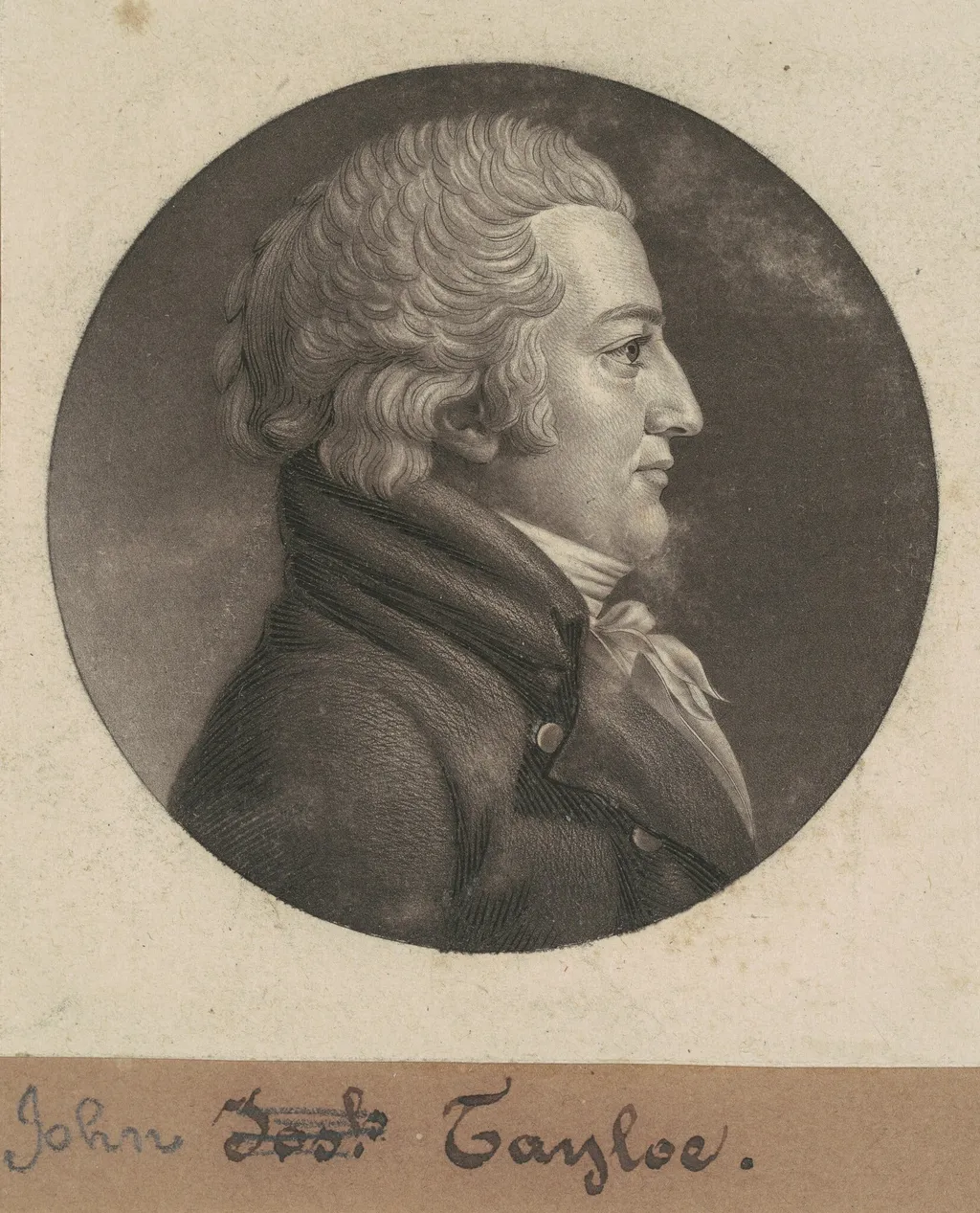
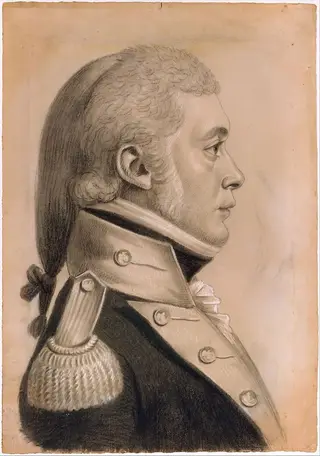
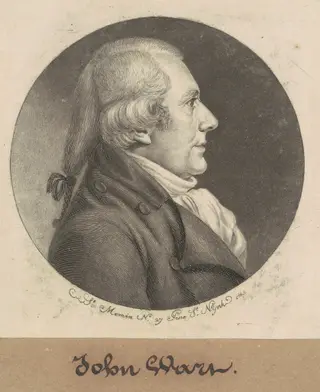
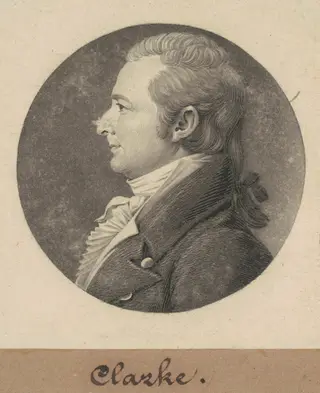
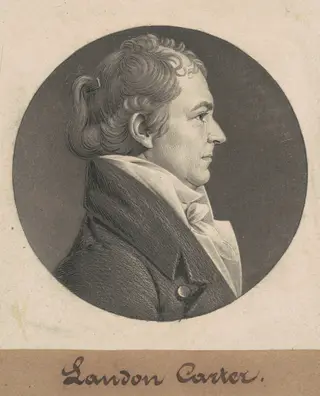
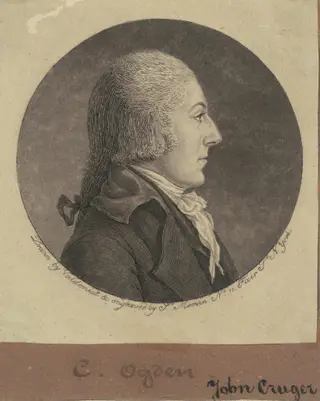
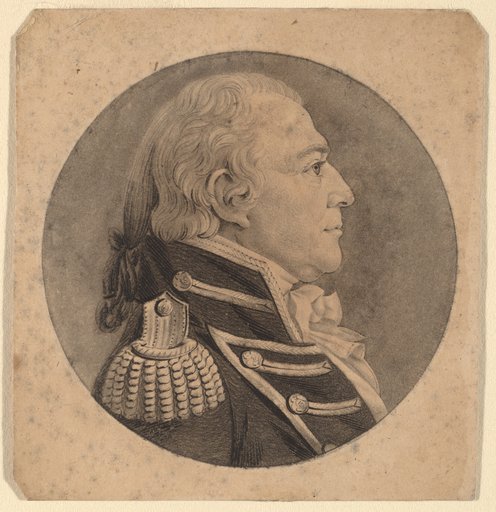
John Tayloe III is an ink print by the Romanticist artist Charles B. J. Févret de Saint-Mémin. It dates from 1806 and is held in the collection of the National Gallery of Art.
- Inscription
- Inscribed:lower center mount in black ink by unknown hand: Josh. Tayloe.; lower left mount in graphite by unknown hand: John
About this work
Overview
Rendered in black ink on wove paper and mounted to a brown wove support, it captures the subject in a formal profile view, oriented to the right.
This 1806 portrait of John Tayloe III is a printed image created through the combined techniques of mezzotint and engraving. Rendered in black ink on wove paper and mounted to a brown wove support, it captures the subject in a formal profile view, oriented to the right. The work is held in the National Portrait Gallery’s collection and exemplifies the precision and tonal nuance achievable in early 19th-century American printmaking.
Subject & Meaning
John Tayloe III, a prominent Virginia planter and financier, is depicted with quiet composure, his formal attire suggesting social standing. The profile orientation, common in neoclassical portraiture, emphasizes dignity and restraint. The gentle expression and refined features convey an idealized sense of character, aligning the sitter with Enlightenment values of rationality and decorum rather than overt power or emotion.
Technique & Style
The portrait employs mezzotint, a labor-intensive process involving the roughening of a metal plate to hold ink, then selectively smoothing areas to create gradations of tone. Engraving adds fine linear detail to the hair, collar, and facial contours. The result is a rich interplay of light and shadow, with soft transitions that lend depth and texture, distinguishing it from sharper line-based prints of the period.
History & Provenance
Created by Charles B. J. Févret de Saint-Mémin, a French émigré artist active in the United States, the print was made during his tenure producing portraits of American elites between 1796 and 1807. The work entered the National Portrait Gallery’s collection as part of its mission to document significant figures in U.S. history, preserving a tangible link to the nation’s early social and political class.
Context
Saint-Mémin’s practice emerged in a period when portraiture was increasingly accessible through print, allowing wealthy individuals like Tayloe to commission likenesses without the cost of oil painting. The profile format echoed ancient coinage and Revolutionary-era ideals, reinforcing civic virtue. His work contributed to a broader cultural project of visually defining American identity through its leading citizens.
Legacy
As one of hundreds of portraits Saint-Mémin produced, this print represents a systematic effort to archive the faces of America’s founding generation. Though not widely exhibited today, it remains a key example of how print technology democratized portraiture and preserved the visual record of early American elites with technical sophistication and restrained elegance.
Own this work as a print
Artist & collection
Artist
Charles B. J. Févret de Saint-Mémin
Charles Balthazar Julien Févret de Saint-Mémin (French pronunciation: ; 1770–1852) was a French portrait painter and museum director.