Artwork
Nicholas de Peyster, Jr.
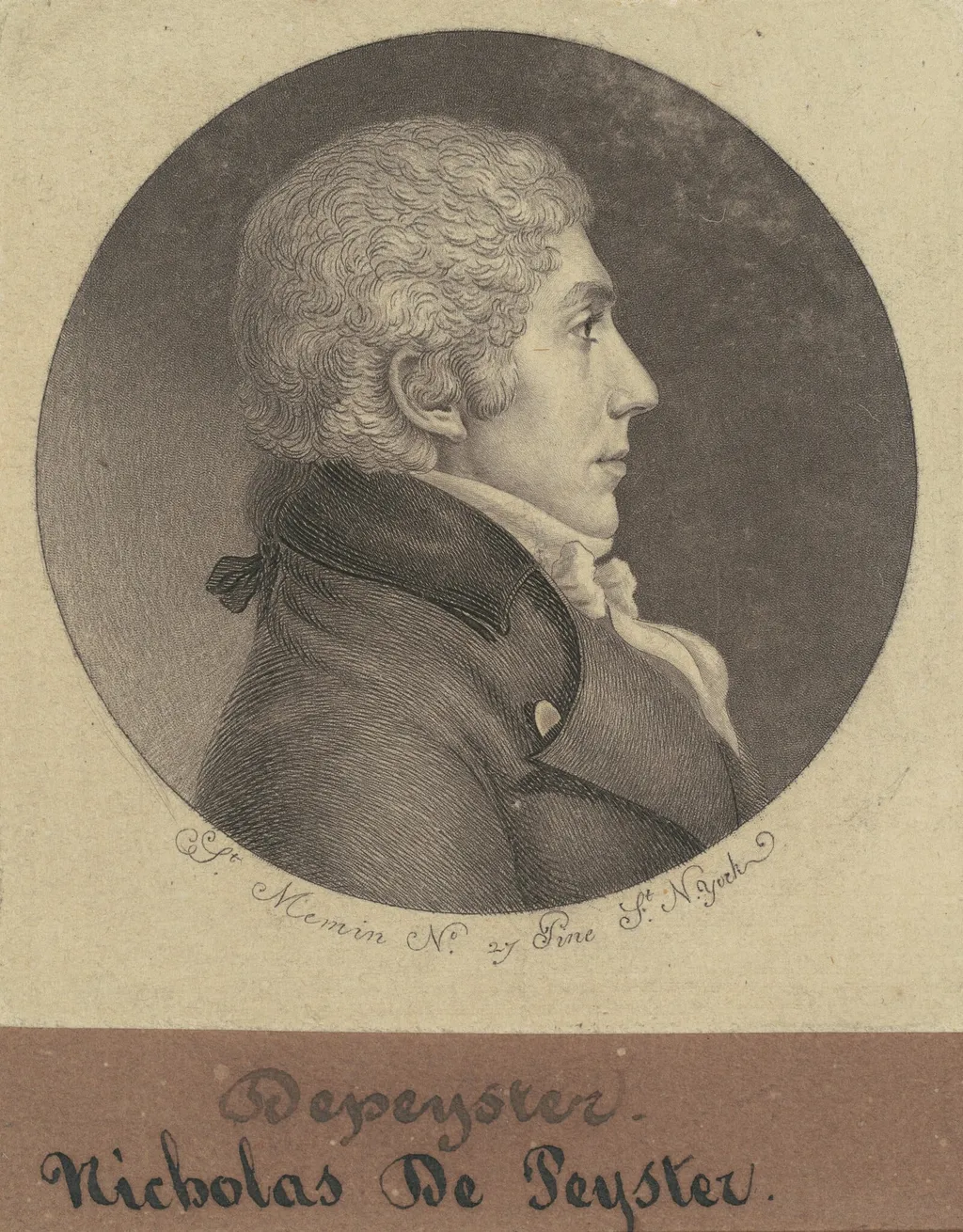
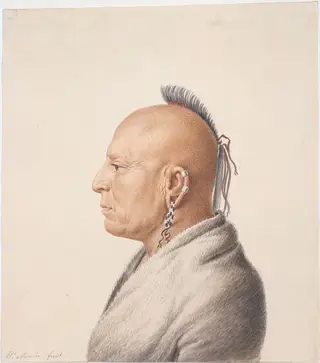
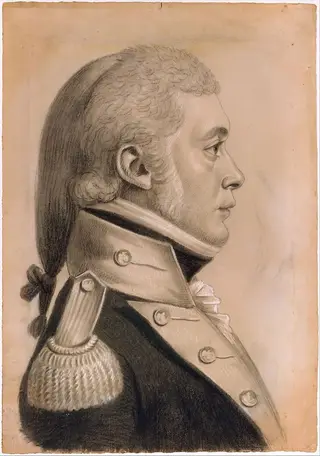
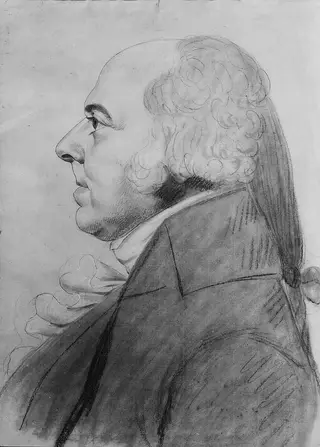
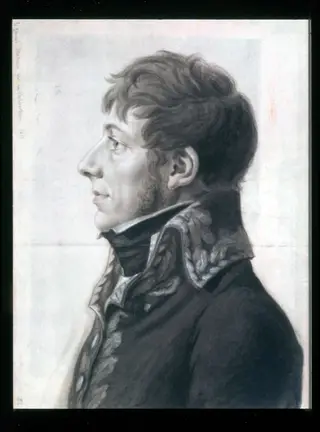
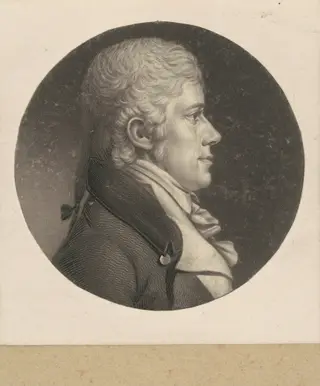
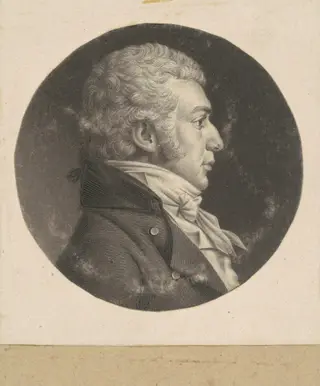
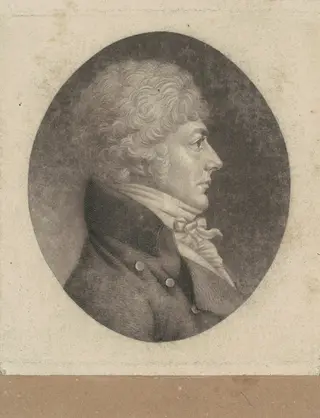
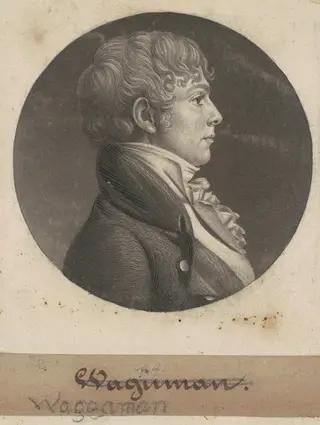
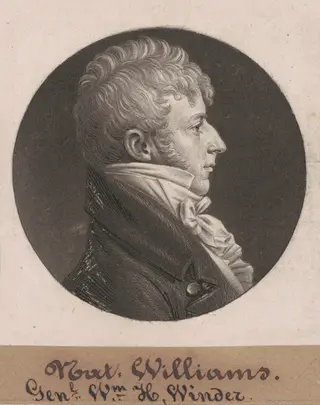
Nicholas de Peyster, Jr. is an ink print by the Romanticist artist Charles B. J. Févret de Saint-Mémin. It dates from 1797 and is held in the collection of the National Gallery of Art.
- Inscription
- Inscribed:lower center in plate: St. Memin No. 27 Pine St. N. York; lower center mount in black ink by unknown hand: Depeyster. / Nicholas De Peyster.
About this work
Overview
Measuring just over five and a half centimeters in width, the work belongs to the Corcoran Collection.
This small portrait print depicts Nicholas de Peyster, Jr., created in 1797 by Charles B. J. Févret de Saint-Mémin. Executed in mezzotint and engraving on wove paper, it is mounted on a brown wove support. Measuring just over five and a half centimeters in width, the work belongs to the Corcoran Collection. Its compact size and精细 technique reflect the precision demanded by portrait miniatures of the period.
Subject & Meaning
Nicholas de Peyster, Jr. is portrayed with a composed, solemn demeanor, typical of elite portraiture in late 18th-century America. His attire, likely formal wear of the era, suggests social standing and personal restraint. The image does not aim for theatricality but instead conveys dignity through stillness and careful rendering of facial features, aligning with contemporary ideals of civic virtue and personal decorum.
Technique & Style
The portrait employs mezzotint, a method that begins with a roughened metal plate to produce rich tonal gradations, then refines details with engraving. Saint-Mémin used this combination to capture the texture of lace, fabric, and hair with remarkable subtlety. The small scale enhances the intimacy of the image, while the monochrome palette emphasizes form and light over color, characteristic of his refined approach to portraiture.
History & Provenance
Created in 1797, the print was part of Saint-Mémin’s series of American portraits made during his time in the United States. It entered the Corcoran Collection in the 19th century and remained there until the collection’s dispersal in 2014. The work’s survival in good condition reflects its careful handling and the enduring interest in early American portraiture.
Context
Saint-Mémin, a French émigré artist, produced hundreds of portrait prints in America between 1793 and 1802, often commissioned by prominent families. These works served as affordable alternatives to painted portraits, circulating among the educated elite. His use of mezzotint allowed for detailed, reproducible images that met the demand for personal and familial representation during a formative period in American cultural identity.
Legacy
This print contributes to a broader archive of early American portraiture that documents the faces and social values of the post-Revolutionary generation. Saint-Mémin’s technique influenced the dissemination of likeness in a pre-photographic era, and works like this one remain important for understanding how identity and status were visually constructed in the young republic.
Own this work as a print
Artist & collection
Artist
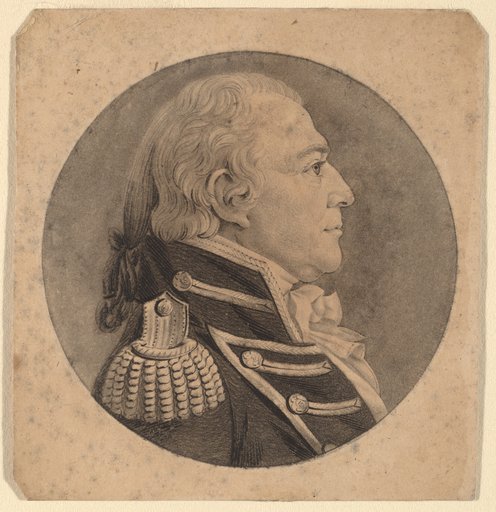
Charles B. J. Févret de Saint-Mémin
Charles Balthazar Julien Févret de Saint-Mémin (French pronunciation: ; 1770–1852) was a French portrait painter and museum director.