Artwork
William Fitzhugh
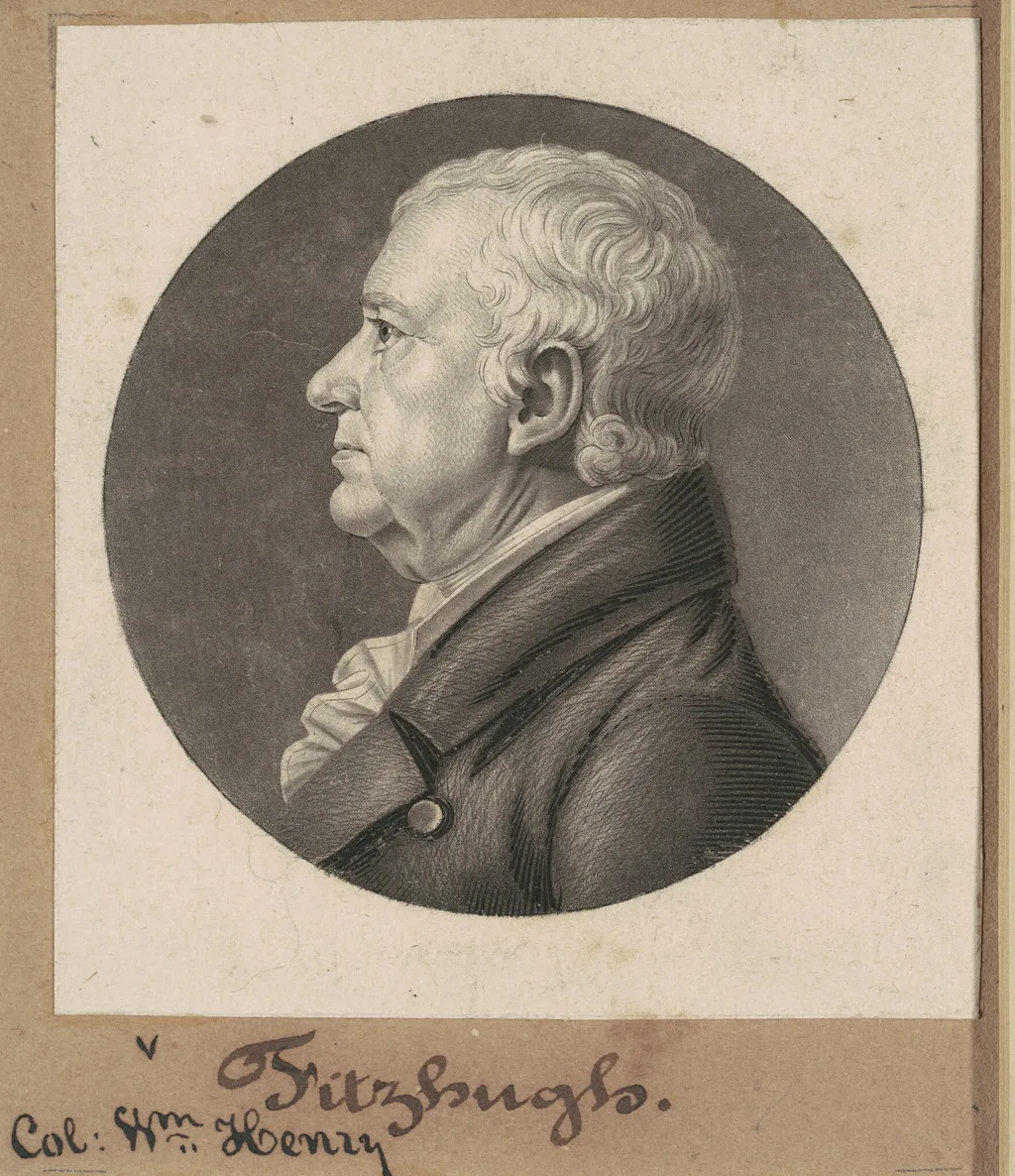
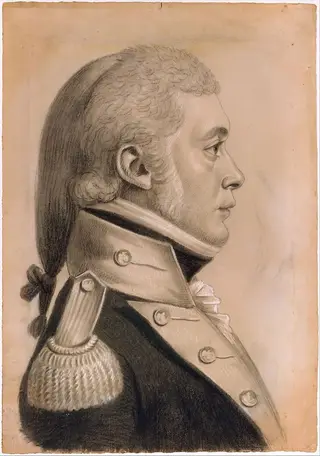
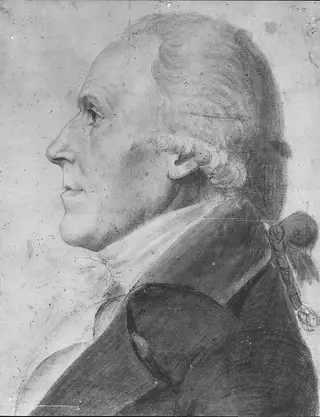
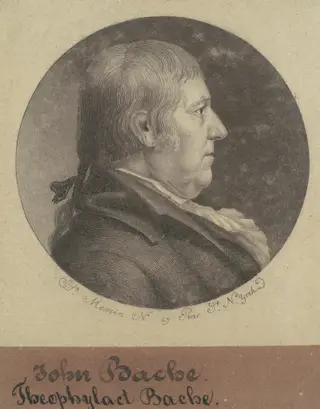
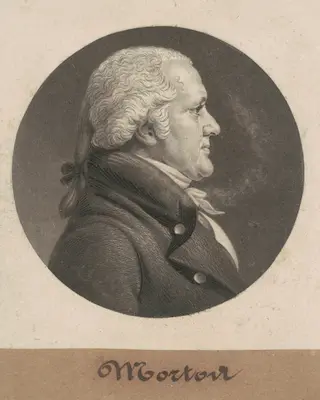
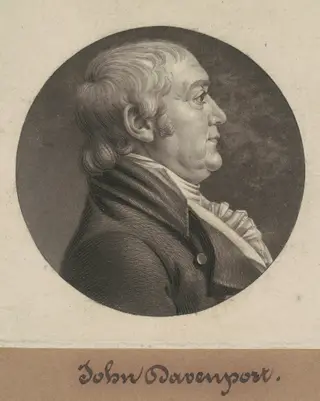
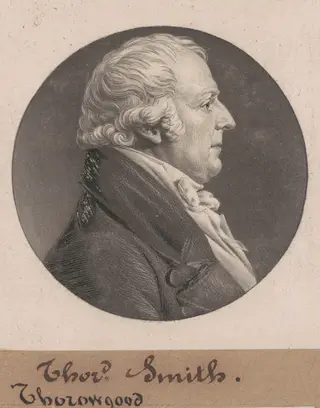
William Fitzhugh is an ink print by the Romanticist artist Charles B. J. Févret de Saint-Mémin. It dates from 1807 and is held in the collection of the National Gallery of Art.
- Inscription
- Inscribed:lower center mount in black ink by unknown hand: Fitzhugh. / Col. Wm. Henry
About this work
Overview
Created in 1807, this print presents William Fitzhugh, a Virginia planter and politician who lived from 1741 to 1809. Executed by the French-American artist Charles B. J. Févret de Saint‑Mémin, the work combines mezzotint and engraving techniques on wove paper, later mounted on a brown backing. It resides in the collection of the National Gallery of Art.
Subject & Meaning
The image portrays Fitzhugh in a formal stance, attired in the dress of an eighteenth‑century gentleman, his expression solemn and composed. The portrait serves both as a personal likeness and as a record of the attire and bearing expected of a man of his social standing during the early Republic era.
Technique & Style
Saint‑Mémin employed mezzotint to achieve rich tonal gradations, while the engraving adds precise line work, together rendering a nuanced surface in monochrome. The use of black ink on wove paper allows subtle modeling of facial features and fabric textures, demonstrating the artist’s skill in creating depth without color.
History & Provenance
The print was produced shortly before Fitzhugh’s death and has remained in institutional care, ultimately entering the National Gallery of Art’s holdings. Its survival illustrates the durability of paper prints and the continued interest in documenting prominent figures of early American history.
Own this work as a print
Artist & collection
Artist
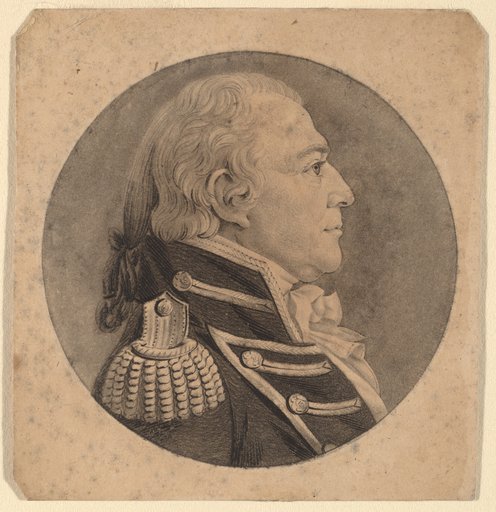
Charles B. J. Févret de Saint-Mémin
Charles Balthazar Julien Févret de Saint-Mémin (French pronunciation: ; 1770–1852) was a French portrait painter and museum director.