Artwork
Carrying of the Cross
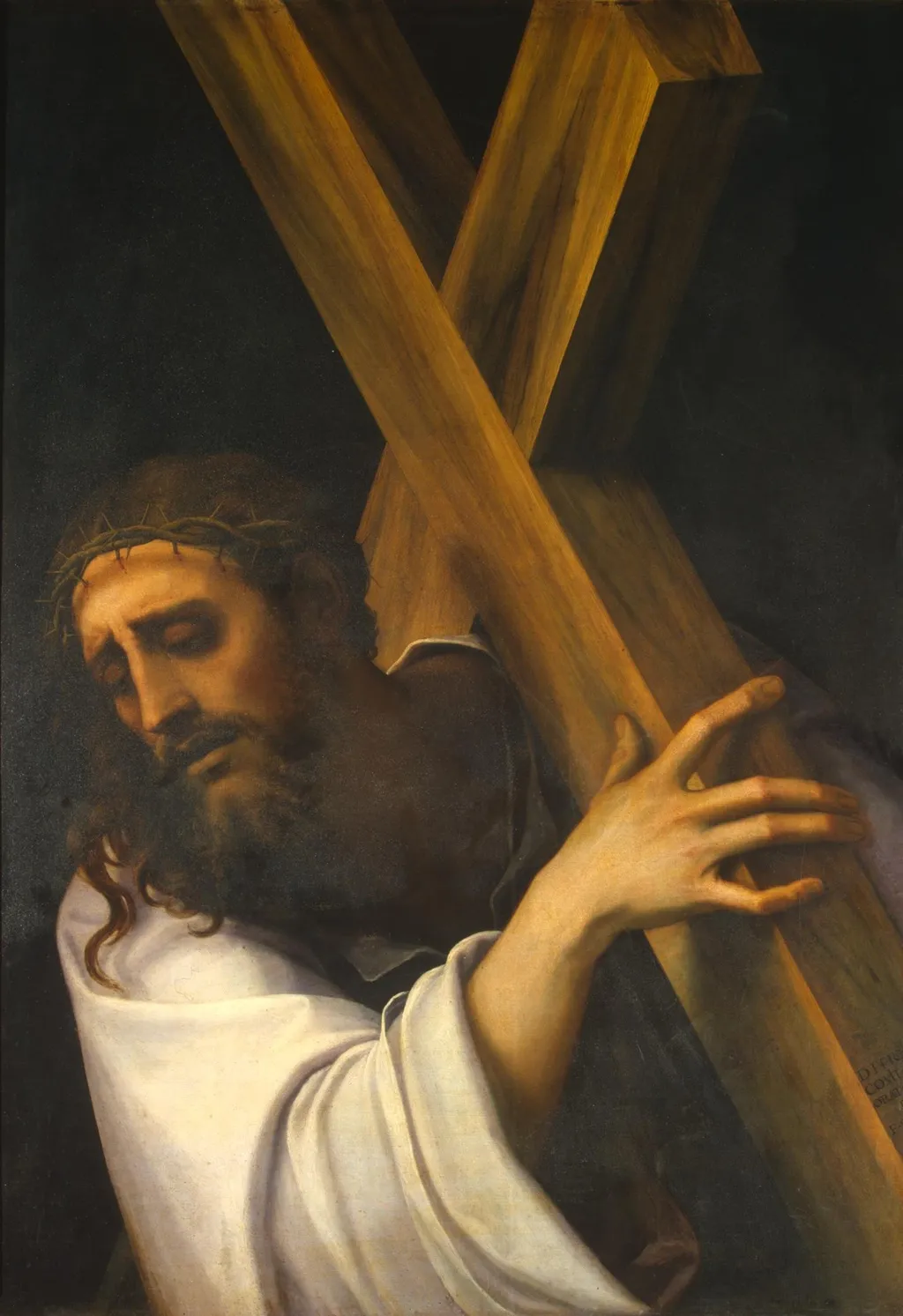
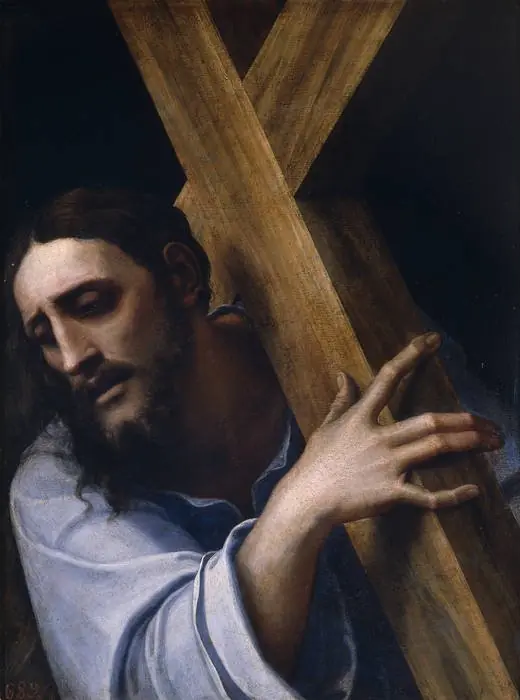
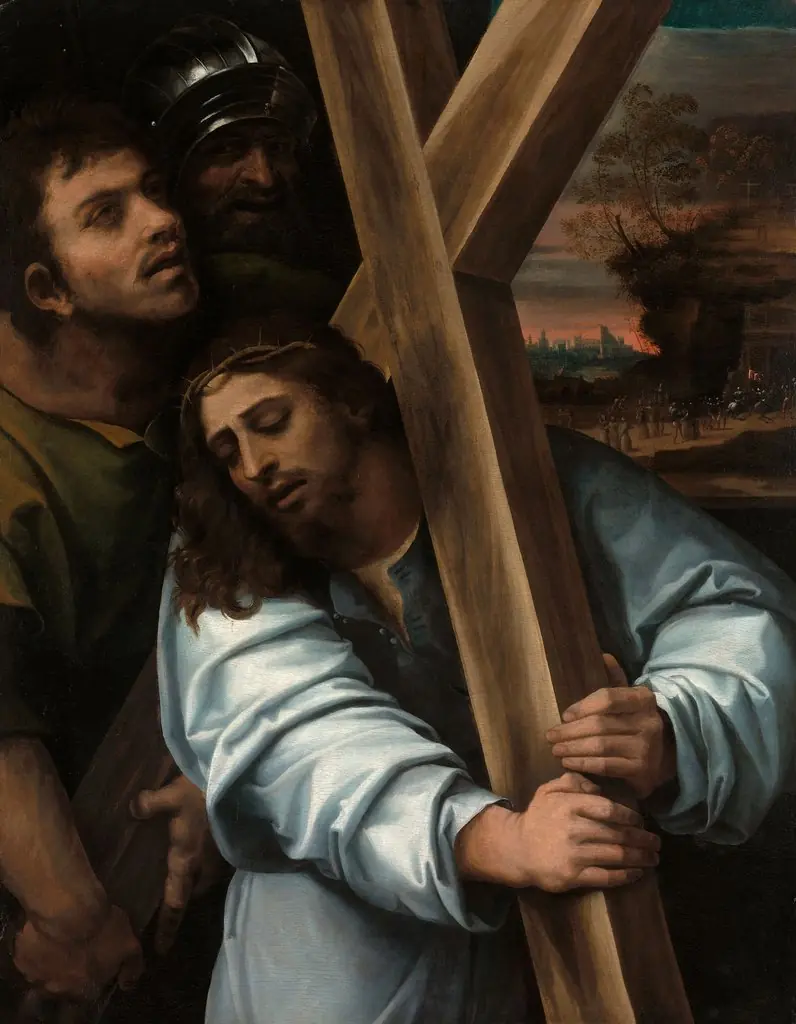
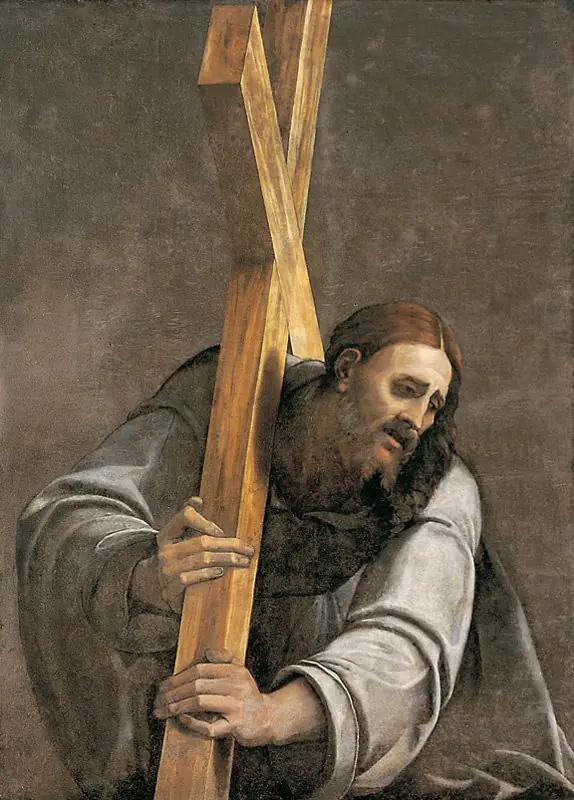
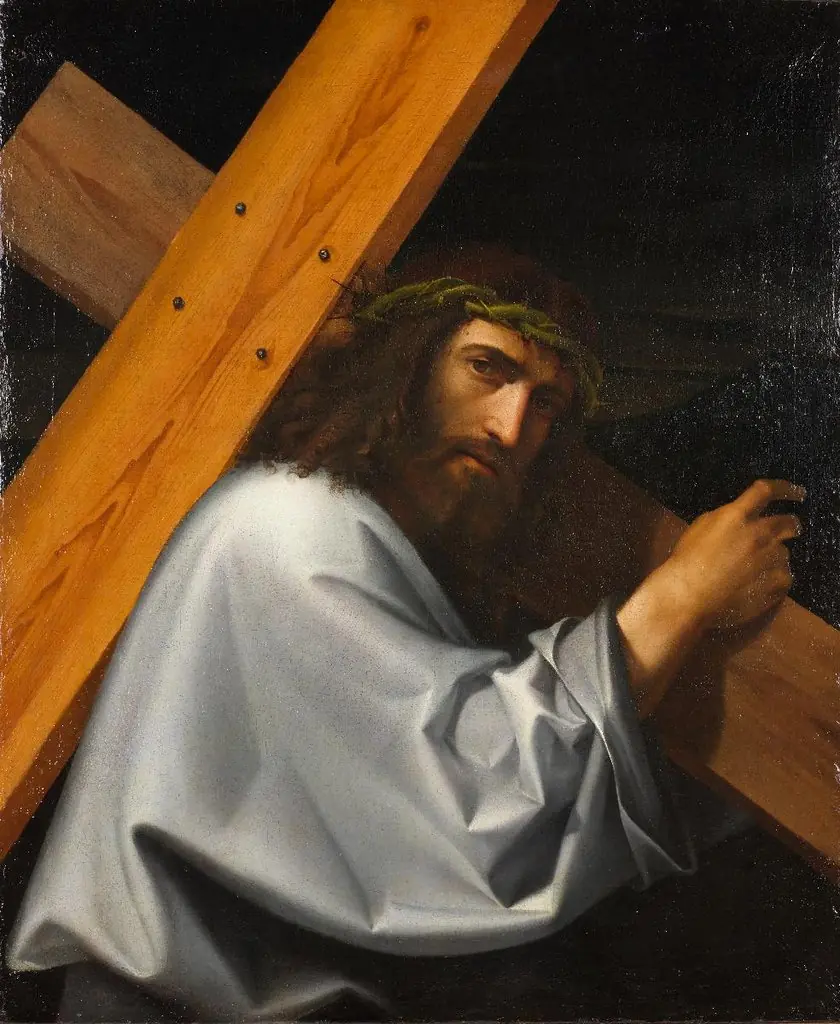
Carrying of the Cross is an oil painting by the Mannerist artist Sebastiano del Piombo. It dates from 1537 and is held in the collection of the Hermitage Museum.
About this work
Overview
Carrying of the Cross is a religious painting by the Italian Renaissance master Sebastiano del Piombo, dated to 1537.
Carrying of the Cross is a religious painting by the Italian Renaissance master Sebastiano del Piombo, dated to 1537. Executed in oil paint on a slate support, the work measures 104.5 by 74.5 centimeters and is currently held in the Hermitage Museum in Saint Petersburg. The painting represents one of several versions Sebastiano created of this popular devotional subject throughout his Roman career, demonstrating his successful synthesis of Venetian colorism and Roman monumentality. Its stark composition and intense emotional focus made it a highly sought-after image for private chapels and oratories during a period of deep spiritual tension in the sixteenth century.
Subject & Meaning
The painting depicts Jesus Christ bearing the cross, a moment from the Passion narrative. Christ occupies the center of the composition, his head tilting downward under the weight of the wooden cross, which cuts diagonally across the picture plane. He wears a crown of woven thorns and a luminous white draped cloth over a dark undergarment. The iconography emphasizes profound suffering and universal devotion, reflecting the Gospel of Matthew's exhortation to deny oneself and take up the cross. Unlike other versions by Sebastiano that include Simon of Cyrene helping Jesus or Roman soldiers overseeing the scene, this composition isolates Christ against a nearly black, empty background, intensifying the viewer's focus on his solitary sacrifice and pathos.
Technique & Style
Sebastiano executed this work using oil paint on slate, a support he increasingly favored during his late Roman career. The composition relies on powerful diagonals established by the cross to organize the visual space. Strong chiaroscuro models the face, hand, and wood grain, a technique Sebastiano inherited from his Venetian training and amplified through his exposure to Michelangelo in Rome. The palette is restrained, consisting of deep browns, ochres, and blacks, with the white cloth providing the brightest value. The brushwork is smooth and almost invisible, creating a polished surface finish that enhances the sculptural density of the form and the dramatic intensity of the scene.
History & Provenance
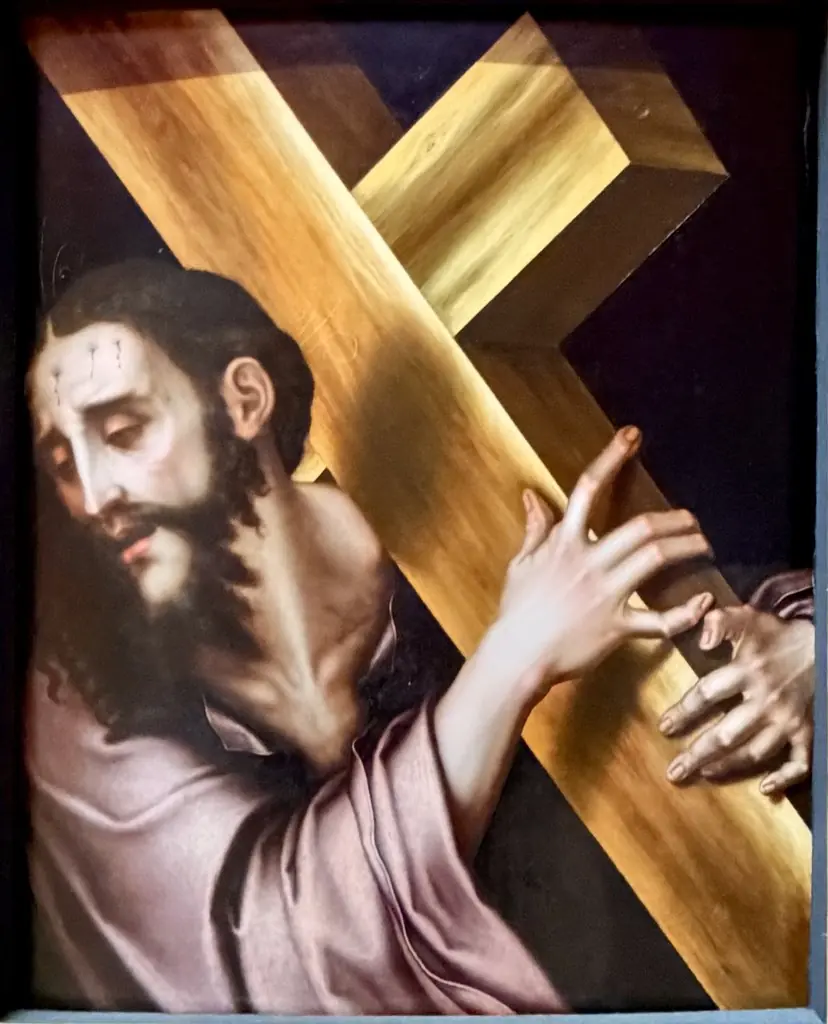
Sebastiano del Piombo treated the subject of Christ carrying the cross multiple times, beginning with an initial prototype commissioned around 1513 or 1514 by the Spanish Ambassador in Rome, Don Jeronimo de Vich y Valterra, through the mediation of the Sienese banker Agostino Chigi. That initial composition proved immensely popular and was widely copied, prompting Sebastiano to produce several autograph variants over the course of his career. Surviving versions are located in the Museo del Prado in Madrid, the Art Institute of Chicago, the Monasterio de las Descalzas Reales in Madrid, and the Szepmuveszeti Muzium in Budapest. The Hermitage version, painted on slate in 1537, belongs to this later group of replicas, which catered to a growing market for personal devotional works.
Context
Born in Venice around 1485, Sebastiano del Piombo trained under Giovanni Bellini and Giorgione before settling in Rome in 1511. There, he became a close friend and collaborator of Michelangelo and a direct rival of Raphael, eventually serving as the favorite painter of Pope Clement VII. His work embodies a synthesis of Venetian colorism and Roman monumentality. During the sixteenth century, devotional paintings of Christ carrying the cross were in high demand, reflecting a growing hunger for personal spirituality and a period of marked spiritual tensions. Sebastiano's compositions drew upon earlier depictions of the same episode by artists like Bellini, Giorgione, and Andrea Mantegna, but he heightened the visual impact and dramatic expressiveness, making the theme a leitmotif of his Roman career.
Legacy
The composition of Christ carrying the cross became one of Sebastiano's most popular and influential paintings during his own lifetime. The initial version proved immensely influential among later Spanish painters and was widely copied. The numerous replicas and variations of the work attest to the theme's resonance in an era of intense religious devotion. Scholars have extensively debated the relationships between the various prototypes and copies, including a unique variant featuring the Virgin Mary in place of Simon of Cyrene, which some critics argue resembles Vittoria Colonna. The enduring demand for these paintings cemented Sebastiano's reputation for blending Venetian color and Roman form into powerful devotional images.
Own this work as a print
Artist & collection
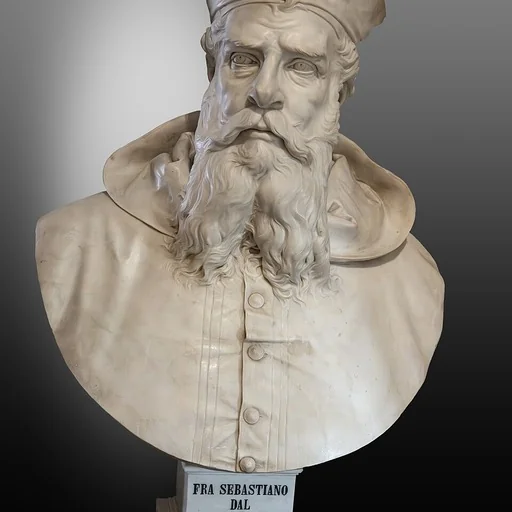
Artist
Sebastiano del Piombo (Italian:; c. 1485 – 21 June 1547) was an Italian painter of the High Renaissance and early Mannerist periods, famous as the only major artist of the period to combine the colouring of the Venetian…

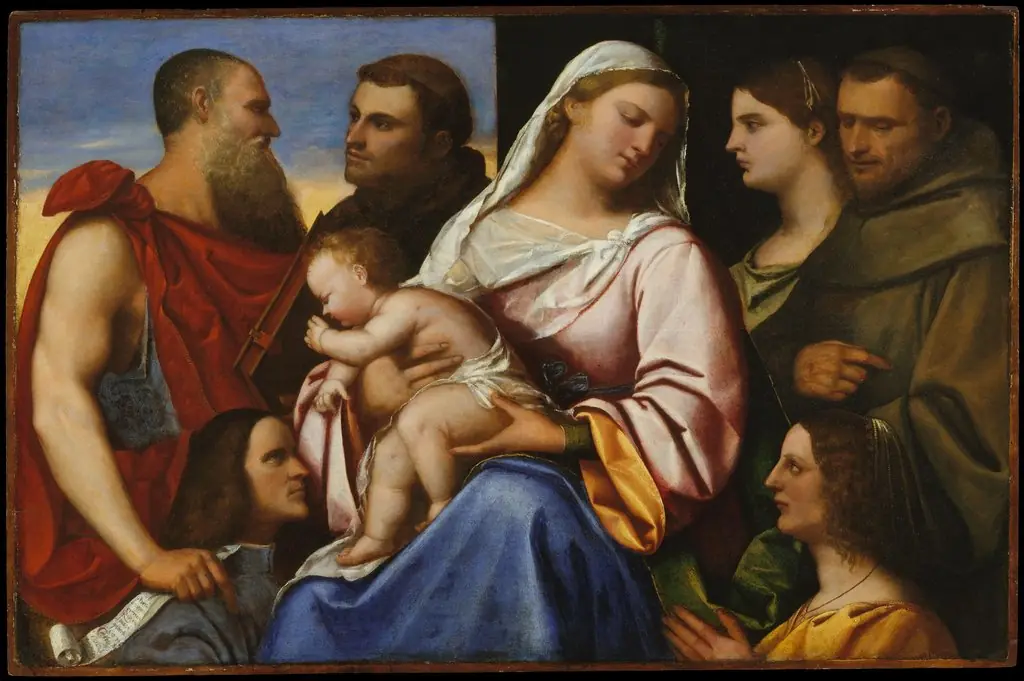 Madonna and Child with Saints and Donors
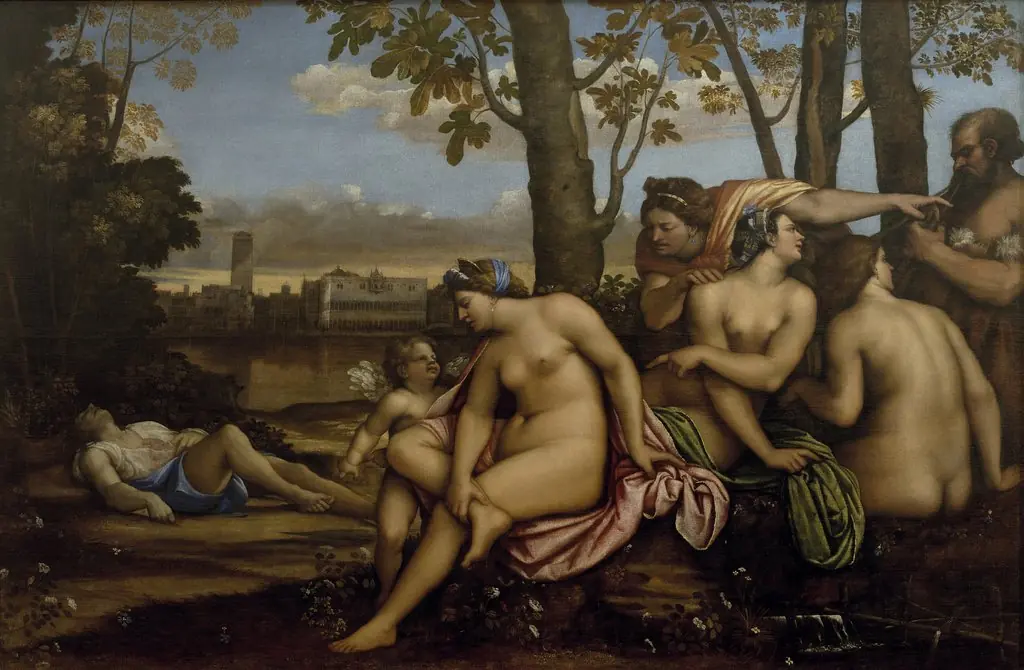 Death of Adonis
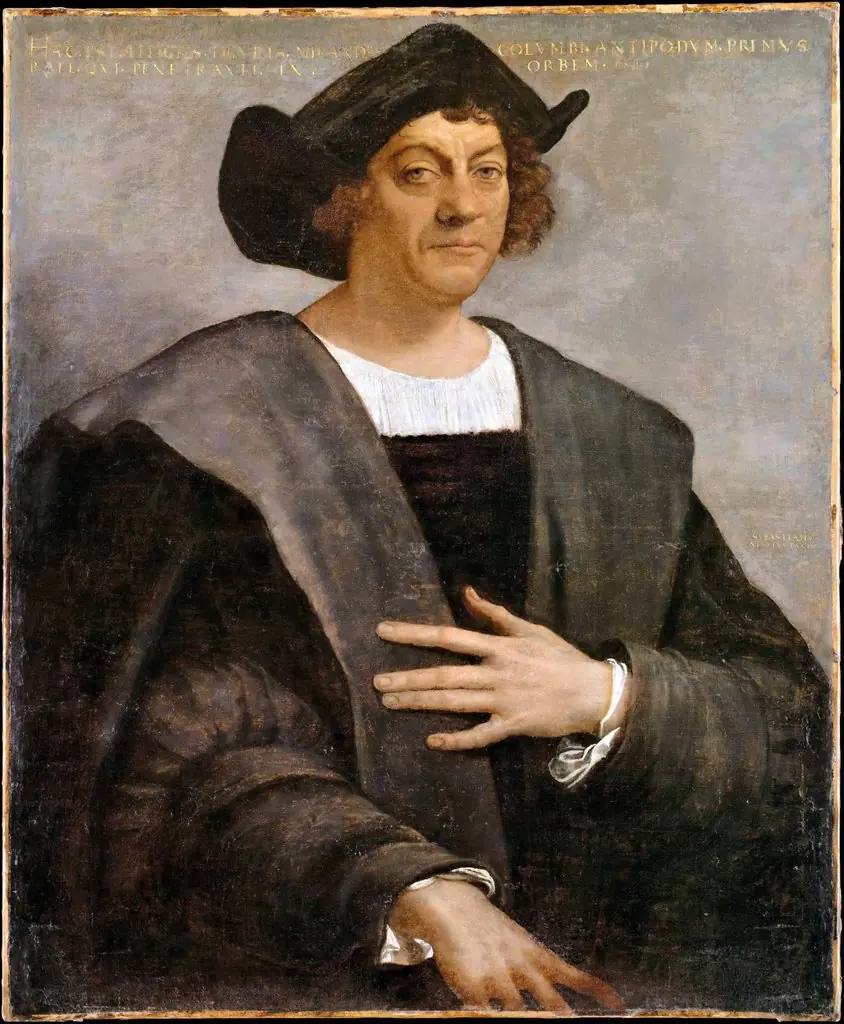 Portrait of a Man, Said to be Christopher Columbus (born about 1446, died 1506)
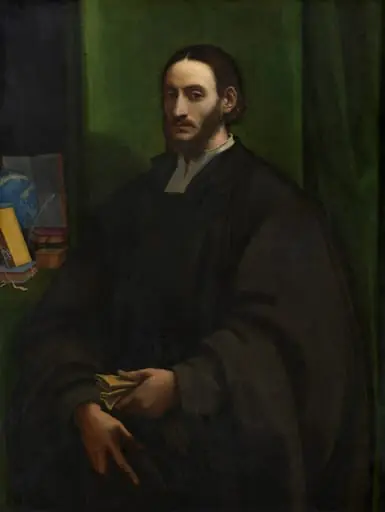 Portrait of a Humanist
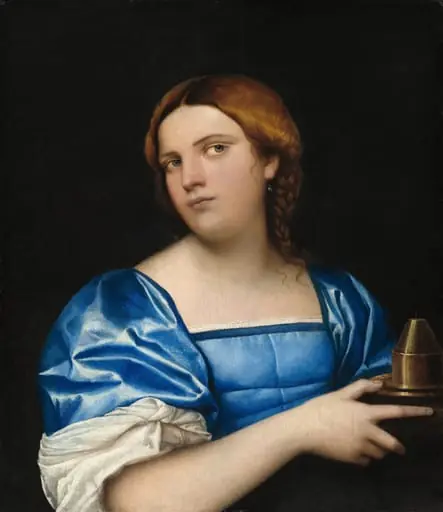 Portrait of a Young Woman as a Wise Virgin
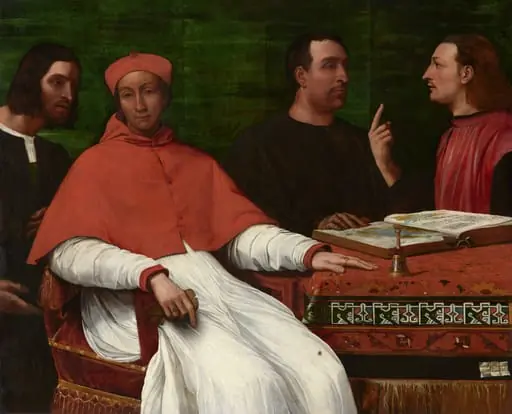 Cardinal Bandinello Sauli, His Secretary, and Two Geographers
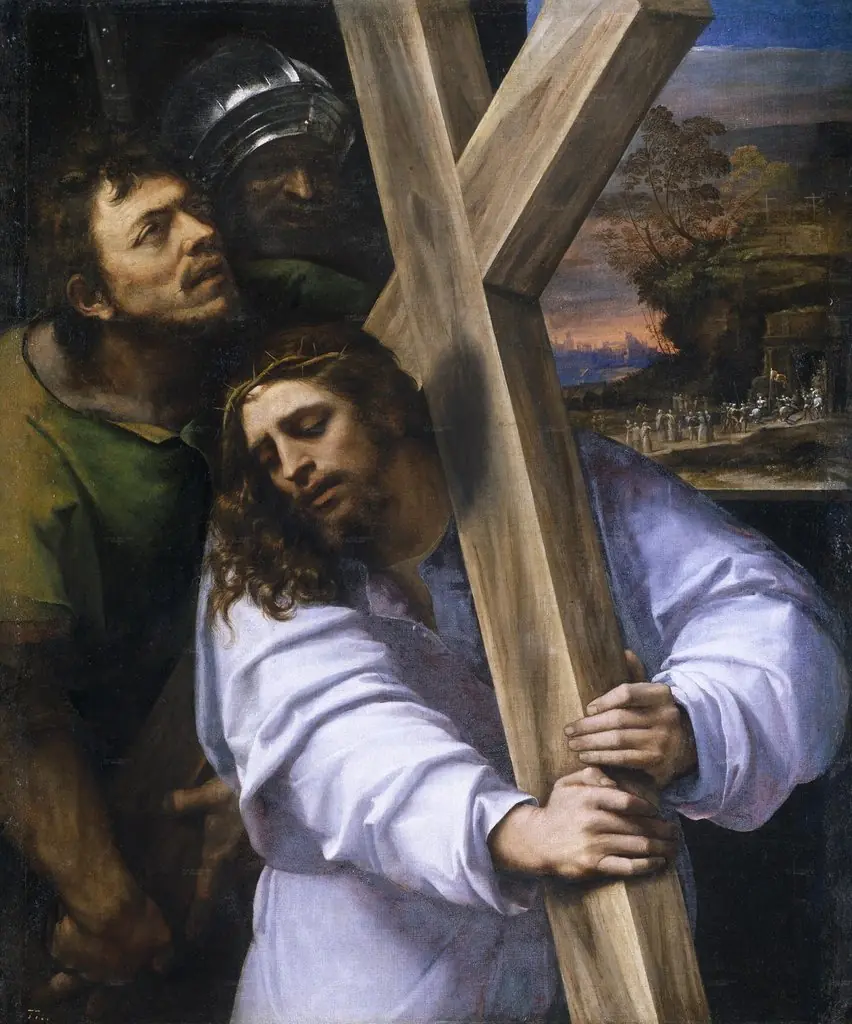 Jesus carrying the Cross
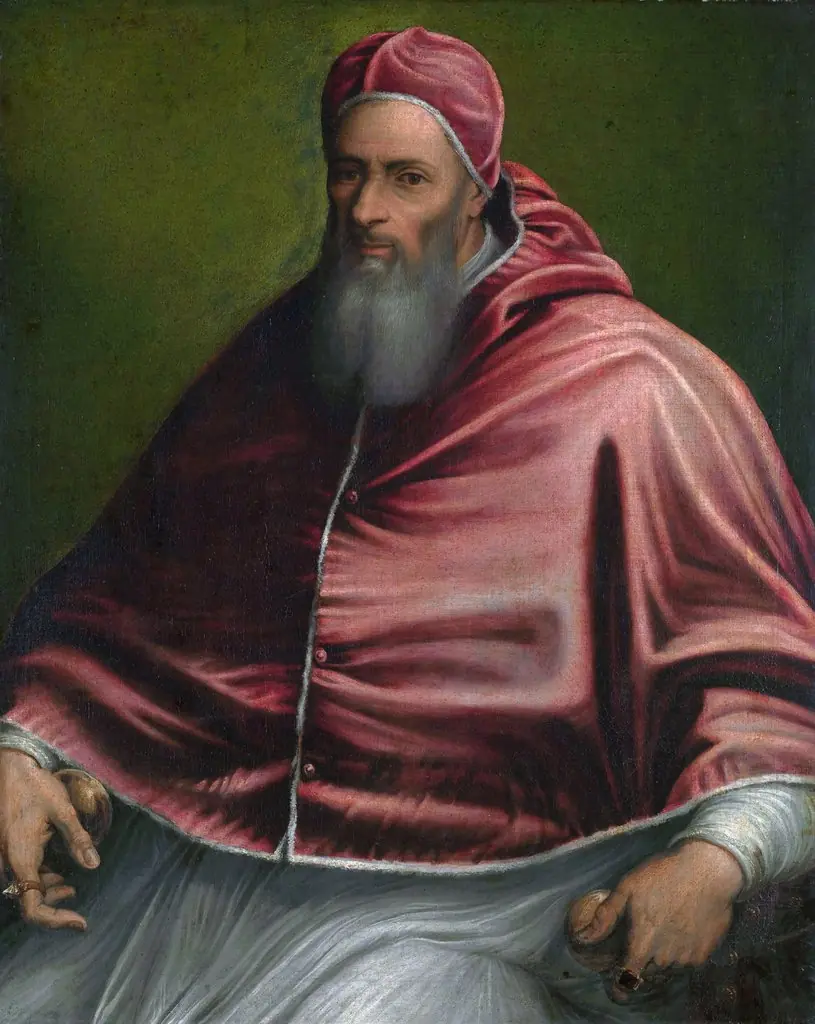 Pope Julius III (1478-1555)