Artwork
Landscape of the Four Seasons
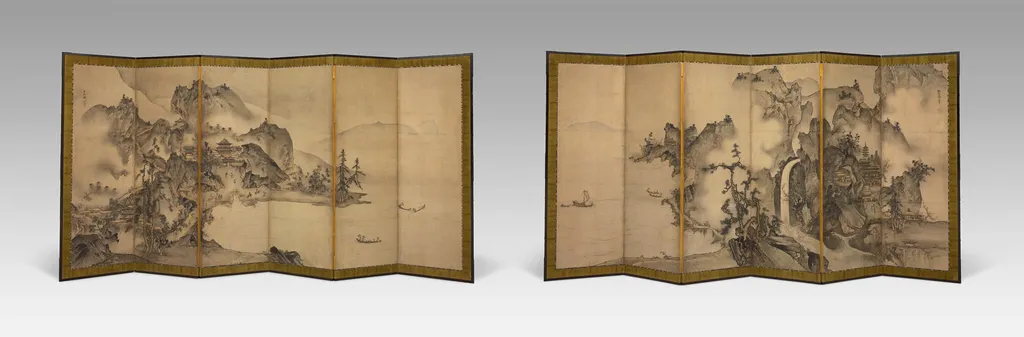
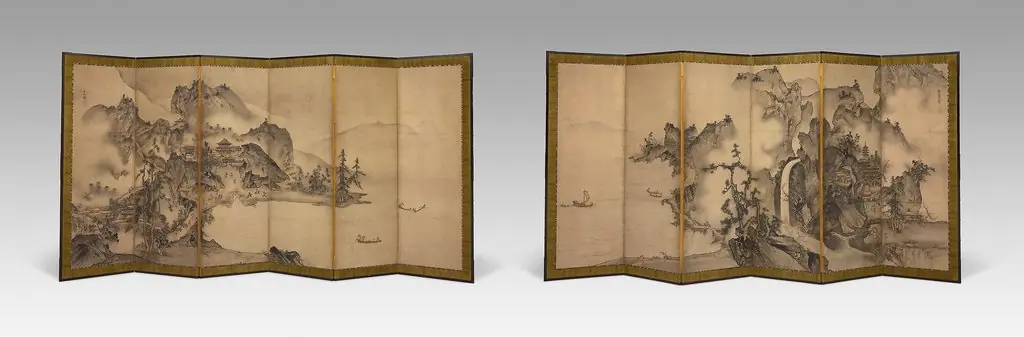
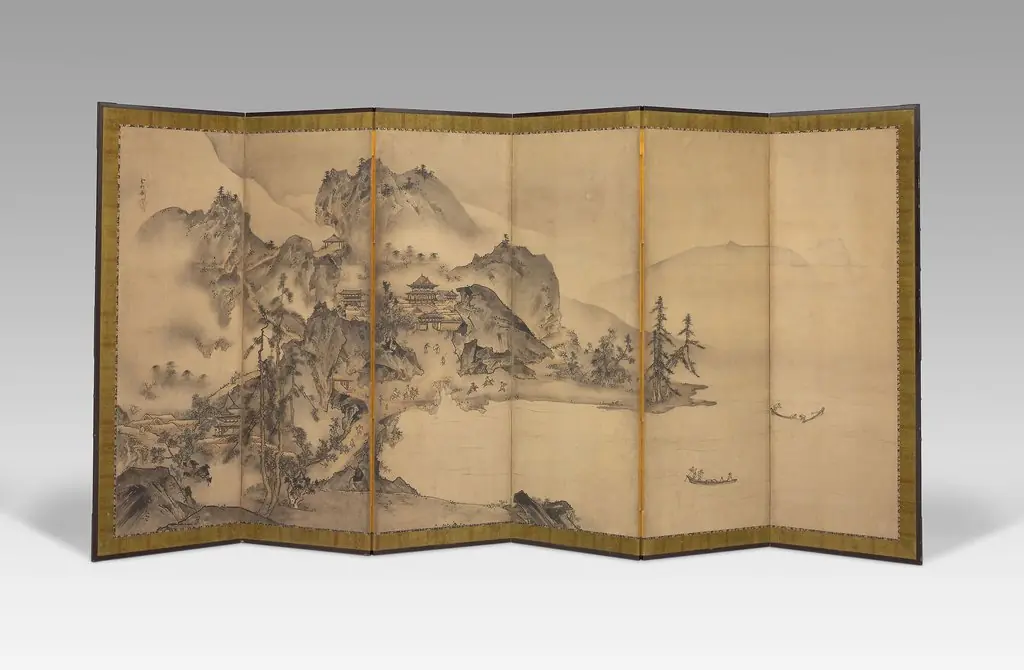
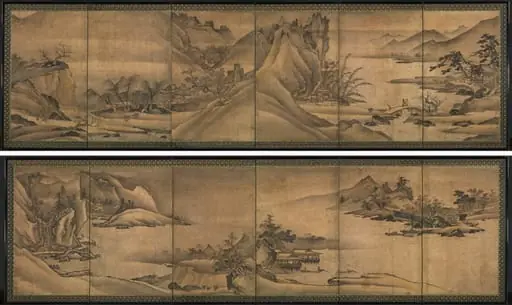
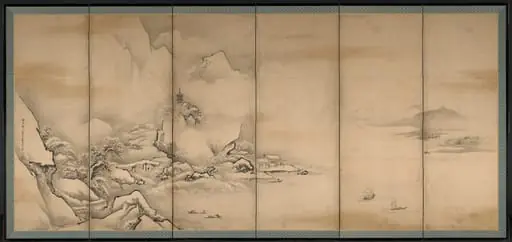
Landscape of the Four Seasons is an ink painting by the Renaissance artist Sesson Shūkei. It dates from 1560 and is held in the collection of the Art Institute of Chicago.
- Accession no.
- 7634
- Credit line
- Gift of the Joseph and Helen Regenstein Foundation
About this work
Overview
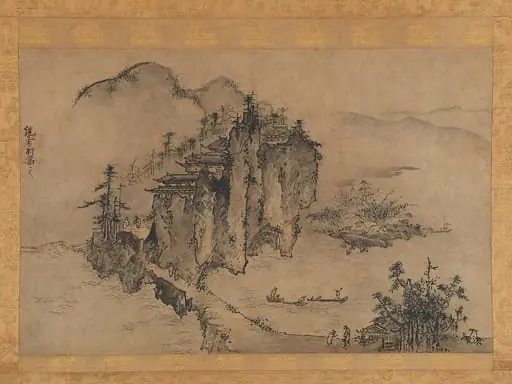
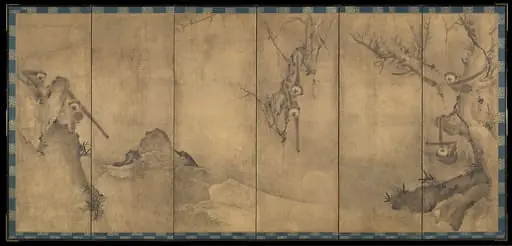
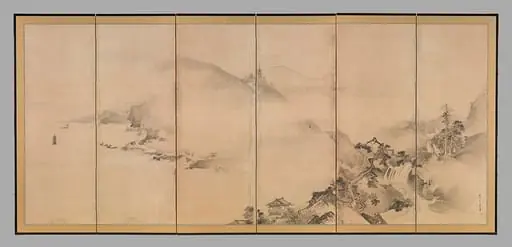
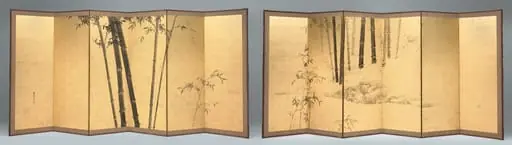
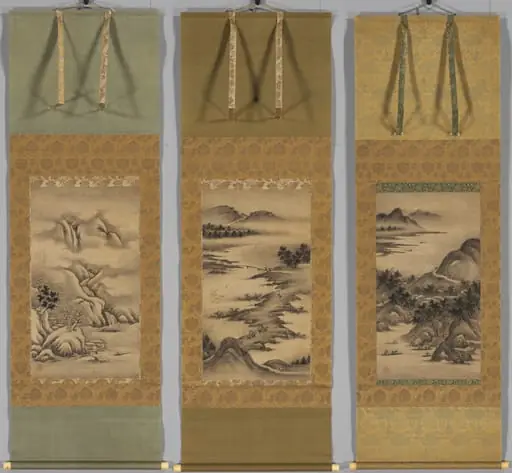
Landscape of the Four Seasons is a pair of six-panel screens created with ink and light color on paper, attributed to Sesson Shukei, a Zen Buddhist monk-painter active in the 16th century.
Subject & Meaning
The work depicts a dreamlike Chinese-inspired landscape, symbolizing a harmonious and regenerative natural world. It embodies the Zen ideal of a paradise where intellectual and spiritual pursuits can flourish unobstructed, reflecting the cyclical renewal of the four seasons.
Technique & Style
Characterized by unrealistic, twisted rock formations and expressive water splashes, the painting showcases Sesson's unique style, developed during his travels in eastern Japan. The composition unfolds from right to left, mirroring Japanese writing, and utilizes techniques such as subtle ink variations to achieve depth.
History & Provenance
Dating back to the 16th century, this piece is the oldest work in the exhibition. Sesson Shukei, unlike many of his contemporaries, apparently never visited Kyoto, developing his distinctive approach while traveling through the Kanto region.
Context
As a Zen monk's work, Landscape of the Four Seasons reflects the sect's Chinese origins and the aspiration for a serene, idealized environment conducive to spiritual growth. The dynamic yet balanced depiction of nature aligns with Zen principles of harmony and transformation.
Artist & collection