Artwork
Untitled
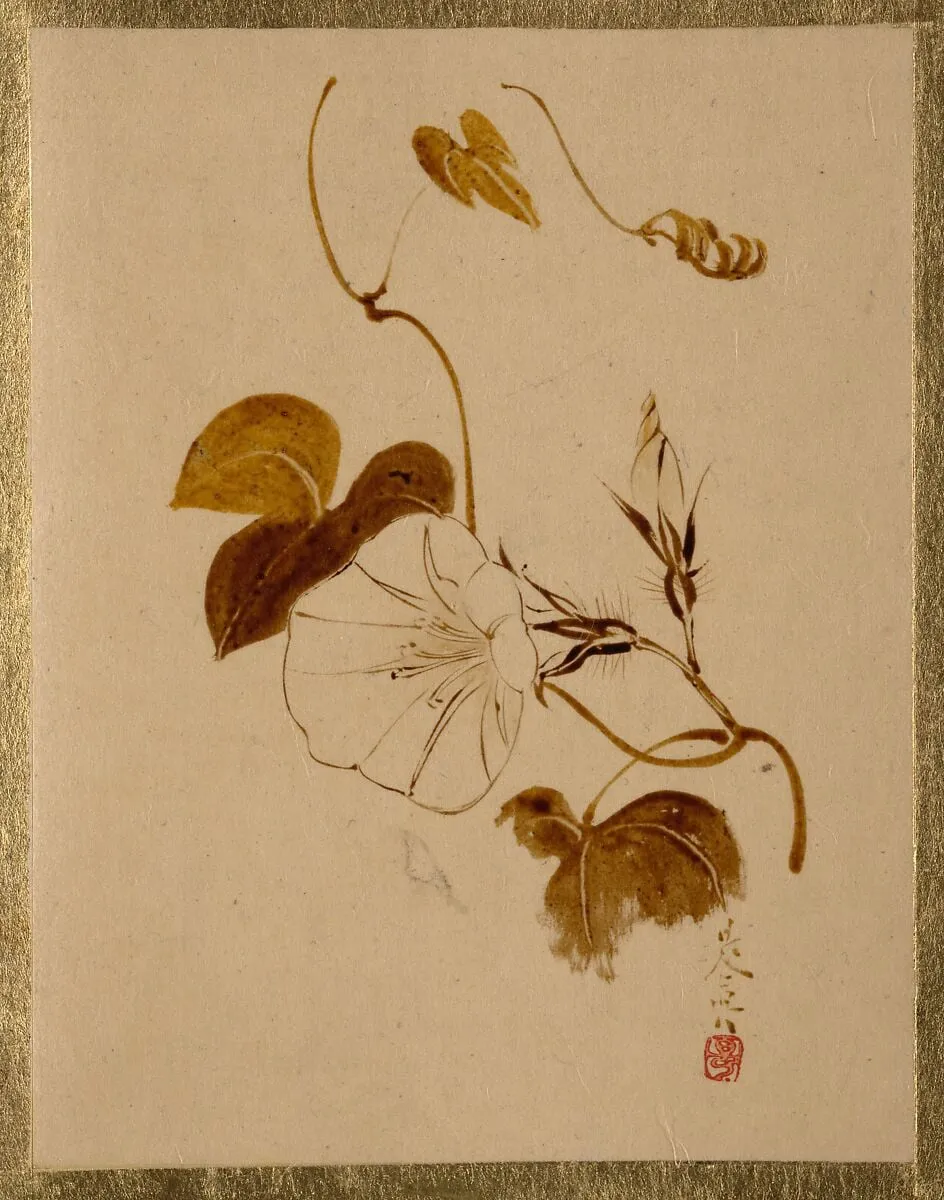
Untitled is an unspecified painting by the Nihonga artist Shibata Zeshin. It dates from 1837 and is held in the collection of the Metropolitan Museum of Art.
- Accession no.
- 36.100.132
About this work
Subject & Meaning
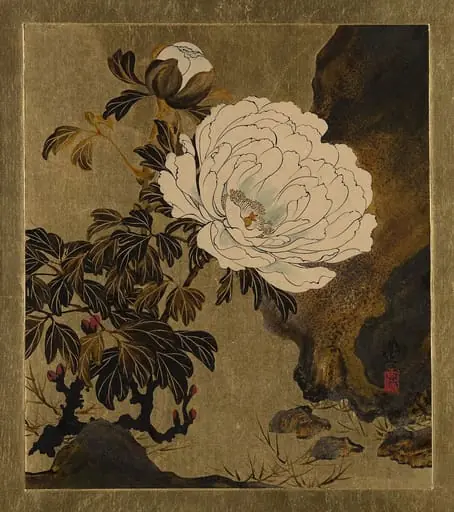
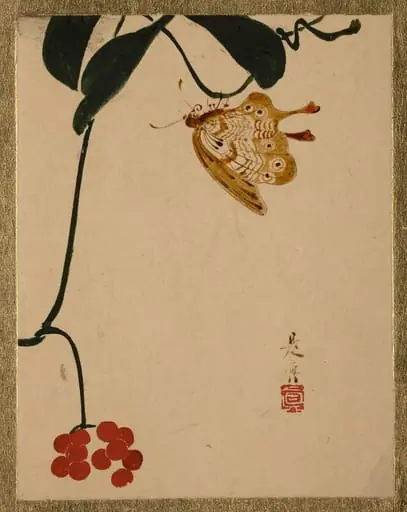
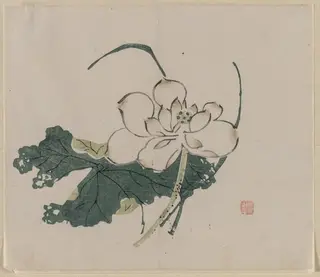
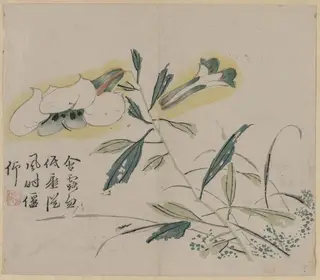
Created in 1837 by the Japanese artist Shibata Zeshin, this lacquer-on-paper album leaf presents a still life composition centered on a flower.
Created in 1837 by the Japanese artist Shibata Zeshin, this lacquer-on-paper album leaf presents a still life composition centered on a flower. The work's iconography is defined by its singular focus on floral subject matter, executed within the intimate format of an album leaf. While the piece serves as a representation of natural beauty typical of the still life genre, the available records do not elaborate on specific symbolic meanings or deeper allegorical intentions beyond the direct depiction of the bloom.
Technique & Style
Untitled is an album leaf executed in lacquer on paper, a format typical of Japanese painterly traditions. The work measures 11.4 cm in height by 8.9 cm in width and was created in Japan in 1837.
Shibata Zeshin applies thin layers of lacquer to achieve a subtle sheen that emphasizes the delicate rendering of a single flower, a motif that recurs in his still‑life compositions. The painting’s flat support and restrained palette reflect a mastery of material handling characteristic of the Edo‑period decorative arts.
History & Provenance
Untitled is a lacquer-on-paper album leaf painted by Shibata Zeshin in 1837 in Japan. The work belongs to the still‑life genre and portrays a flower. It was created as an untitled piece and later entered the collection of the Metropolitan Museum of Art, where it remains on view.
According to the museum’s records, the painting measures 11.4 cm by 8.9 cm and was made in Japan. Its inception date is recorded as 1837.
Context
The work Untitled by Shibata Zeshin, dated 1837, is recorded as an album leaf painted in lacquer on paper and classified within the still_life genre that features a flower motif. Its inclusion in the Metropolitan Museum of Art’s collection situates it within museum‑driven scholarship that examines Japanese lacquer painting of the Edo‑Meiji transition. The 1837 date places the piece at the outset of Zeshin’s career, a period studied for its synthesis of traditional techniques and contemporary subject matter.
Critical commentary highlights the technical innovation of the lacquer application and the work’s role in the revival of Japanese decorative arts during the 19th century.
Overview
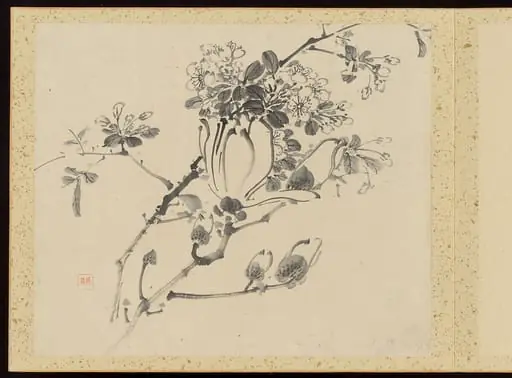
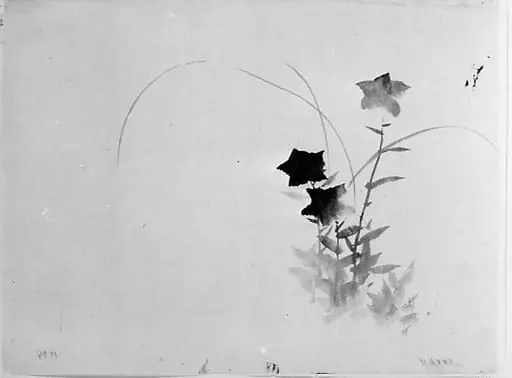
Created in 1837, this untitled work by Shibata Zeshin presents a solitary white camellia branch rendered in monochrome ink. The composition is minimal, focusing on the delicate form of the flower against a plain background, inviting quiet contemplation of its simple elegance.
Artist & collection