Artwork
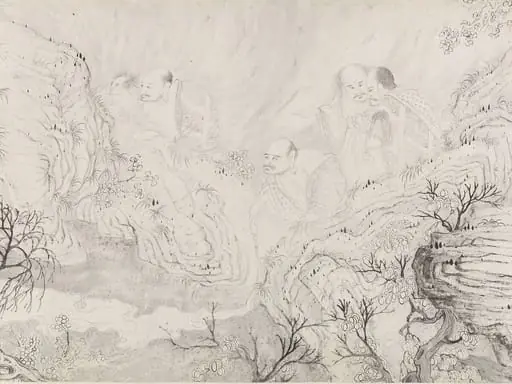
清 佚名 倣石濤 十六羅漢圖 卷|(Copy after) The Sixteen Luohans
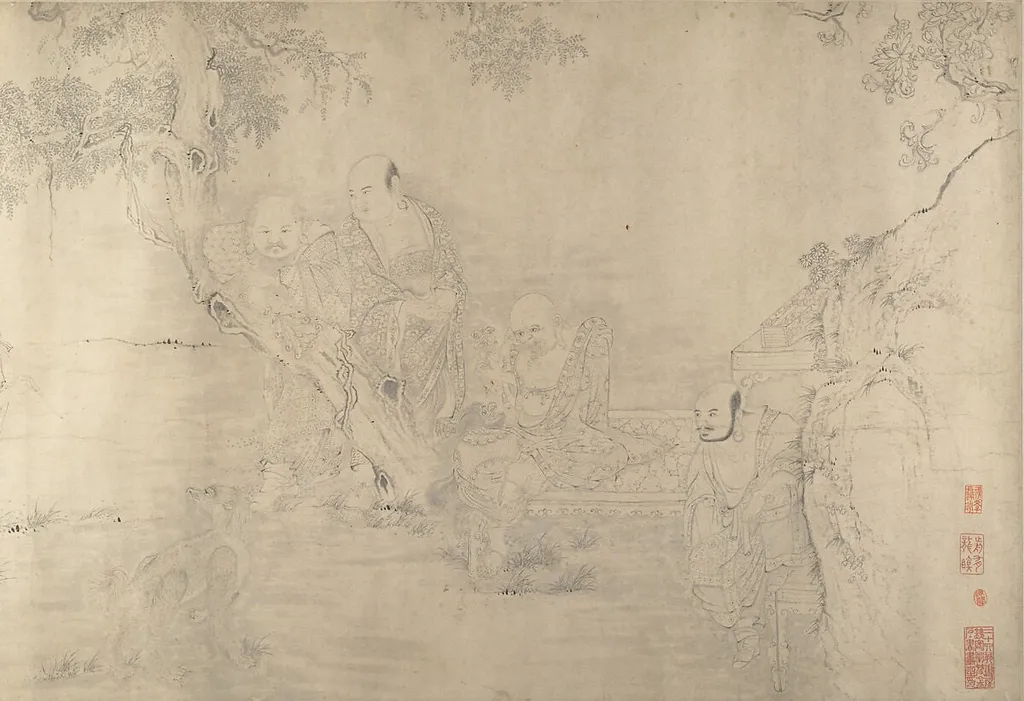
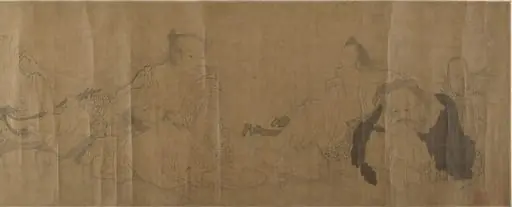
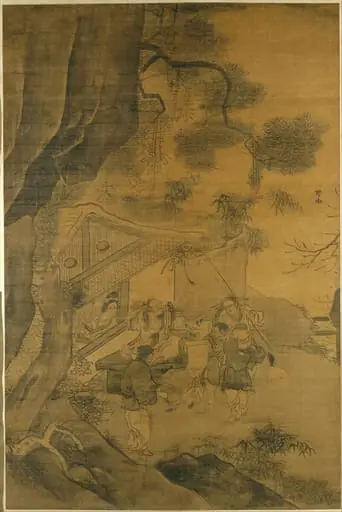
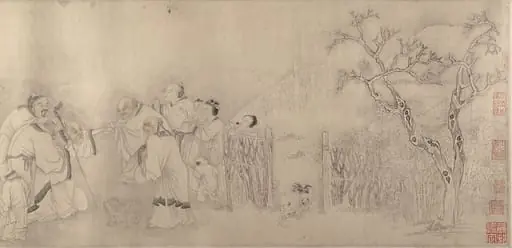
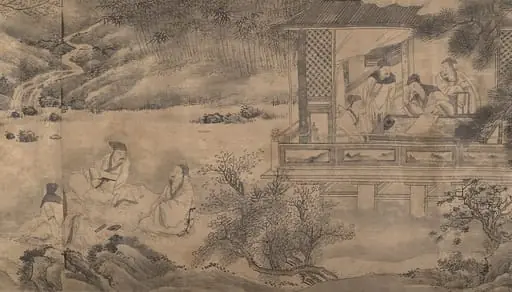
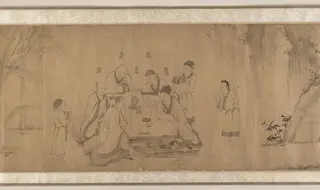
清 佚名 倣石濤 十六羅漢圖 卷|(Copy after) The Sixteen Luohans is an ink painting by the Chinese Orthodox School artist Shitao. It is held in the collection of the Metropolitan Museum of Art.
About this work
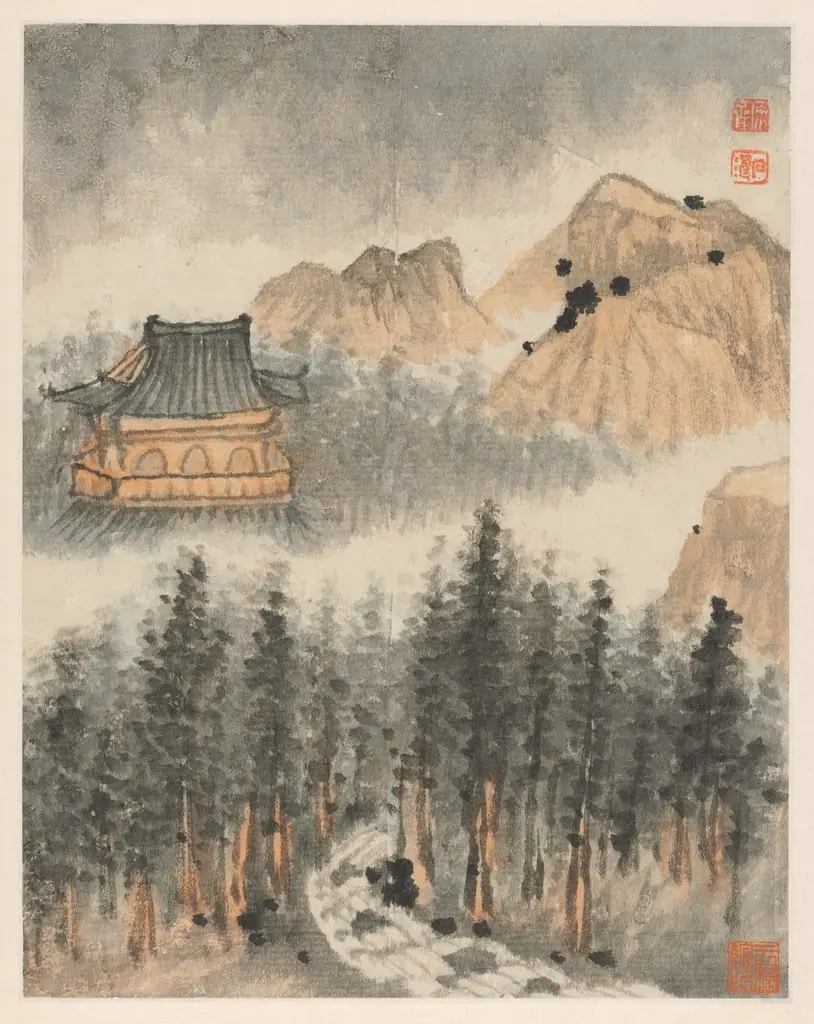
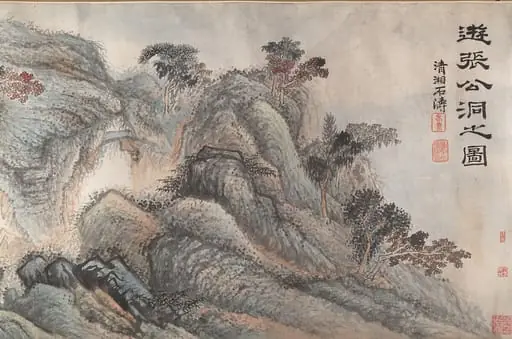
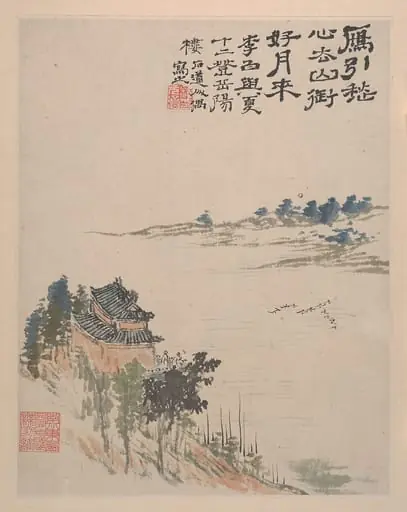
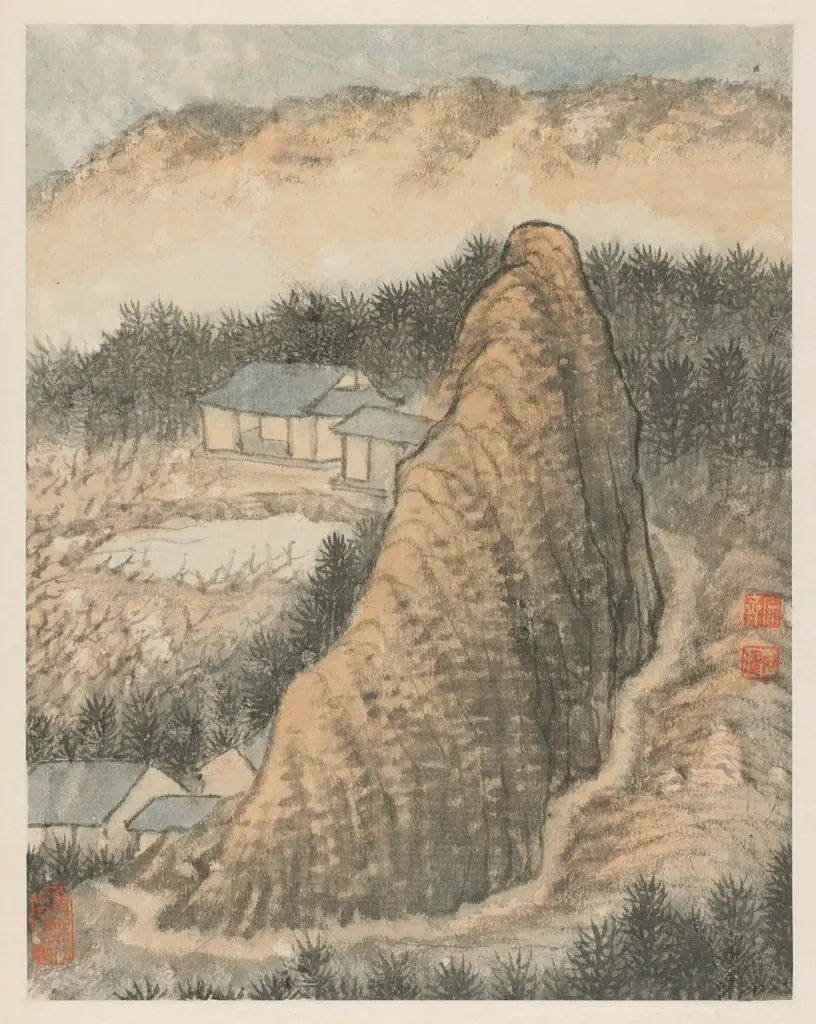
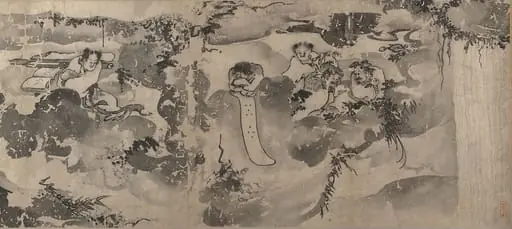
This painting shows a group of Buddhist figures in a natural setting. The artist copied the style of Shitao, a Chinese painter. This copy was made in the 19th or early 20th century, which is interesting because it shows how artists were still inspired by earlier styles. You can learn more about the artist who inspired this work, Shitao (Zhu Ruoji).
Overview
This handscroll, titled (Copy after) The Sixteen Luohans, is an ink-on-paper painting that depicts a gathering of Buddhist figures within a natural landscape.
This handscroll, titled (Copy after) The Sixteen Luohans, is an ink-on-paper painting that depicts a gathering of Buddhist figures within a natural landscape. Created in 1856 by an anonymous artist, this work is a devotional painting that reflects the enduring influence of Buddhist themes in Chinese art. It serves as an example of later artists engaging with and reinterpreting the styles of earlier masters.
Subject & Meaning
The painting illustrates the Sixteen Luohans, revered disciples of the Buddha who are believed to have remained in the world to protect the Dharma until the coming of Maitreya. These figures are often depicted with distinct attributes and expressions, embodying various stages of spiritual attainment. Their representation in a natural setting emphasizes their connection to the earthly realm and their role as guardians of Buddhist teachings.
Technique & Style
Executed with ink on paper, this handscroll emulates the distinctive artistic approach of the renowned Qing dynasty painter Shitao (Zhu Ruoji). The anonymous artist adopted Shitao's characteristic brushwork and compositional elements, which often feature expressive lines and dynamic landscapes. This stylistic imitation highlights the technical skill required to reproduce the nuances of a celebrated master's hand, while also demonstrating an appreciation for his aesthetic principles.
Context
The creation of this painting in 1856 as a copy after Shitao illustrates a common practice in Chinese art history, where artists studied and reproduced the works of past masters. This tradition was not merely about imitation but also served as a method for learning, preserving, and reinterpreting established styles. Such copies reveal how earlier artistic legacies, like that of Shitao, continued to inspire and inform creative endeavors well into the 19th century.
Artist & collection