Artwork
壺天聚樂圖|Merry Gatherings in the Magic Jar
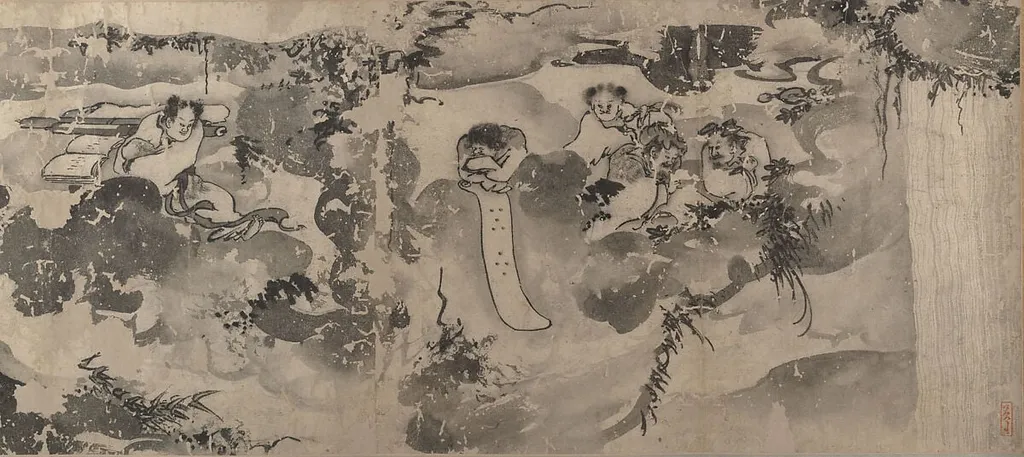
壺天聚樂圖|Merry Gatherings in the Magic Jar is an ink painting by the Chinese Orthodox School artist Gong Kai. It is held in the collection of the Metropolitan Museum of Art.
About this work
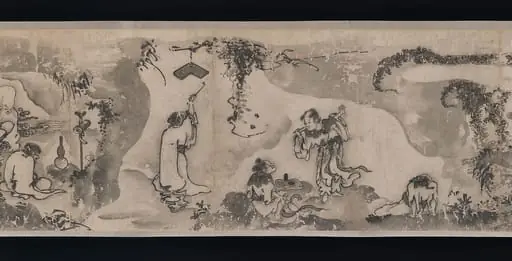
A long handscroll in black ink: tiny scholars sit in a mountain valley, drinking wine under pine trees as clouds drift overhead. Meant to be unrolled bit by bit like a book, each section feels like a private joke among friends. Loose, quick brushwork by Gong Kai, 1639.
Subject & Meaning
The attribution of the piece varies between the artist Gong Kai and an anonymous painter, which influences the interpretation of its intended meaning.
The work depicts a landscape scene featuring a solitary man, consistent with the genre of landscape painting. While the title "Merry Gatherings in the Magic Jar" suggests a narrative of joyous assembly within a magical vessel, the visual content described in available records focuses on the figure and the surrounding terrain rather than an explicit depiction of a gathering. The title implies symbolic themes of escapism or a microcosmic paradise, yet the specific iconography of such a "magic jar" is not detailed in the provided descriptions.
The attribution of the piece varies between the artist Gong Kai and an anonymous painter, which influences the interpretation of its intended meaning. The work represents a traditional Chinese landscape tradition from 1639, where the solitary figure often serves as a focal point for contemplation within the natural world.
Technique & Style
The work is executed as a handscroll in ink on paper, a format typical of Ming-era Chinese painting. Its creation is dated to 1639 and it was produced in China, later entering the collection of the Metropolitan Museum of Art. The piece belongs to the landscape genre and portrays a solitary figure amid a fantastical setting, blending narrative figuration with traditional ink-wash scenery.
The composition relies on delicate brushwork and subtle tonal gradations characteristic of the period, while the scroll's elongated format guides the viewer's eye through a continuous spatial progression. No significant conservation issues have been documented.
Overview
Titled Merry Gatherings in the Magic Jar (壺天聚樂圖), this ink-on-paper handscroll was created by Gong Kai in 1639. The painting presents a detailed landscape scene populated with small figures. As a handscroll, it is designed for intimate, sequential viewing, where the viewer unrolls sections gradually, much like reading a narrative. This format encourages a personal engagement with the artwork's unfolding scenery and implied story.
Context
The handscroll format is central to the experience of Merry Gatherings in the Magic Jar. Unlike wall-mounted paintings, handscrolls are meant to be held and unrolled incrementally, revealing new sections over time. This encourages a contemplative viewing process, akin to reading a book, allowing the viewer to absorb the details and narrative flow at their own pace. Such landscape scenes with scholars were a prevalent theme in traditional Chinese painting.
Artist & collection

 Untitled
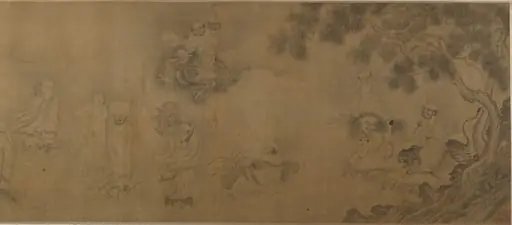 明 /清 佚名 李公麟 偽款 龍王請齋圖 卷|Buddhist luohans crossing the sea to the palace of the dragon king
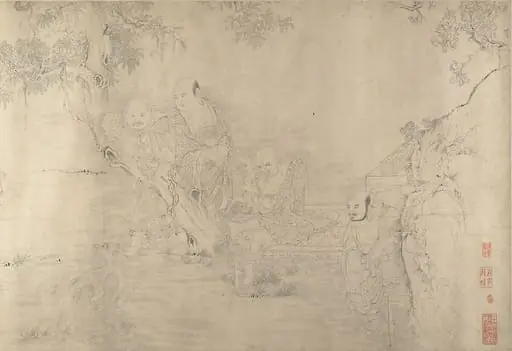 清 佚名 倣石濤 十六羅漢圖 卷|(Copy after) The Sixteen Luohans
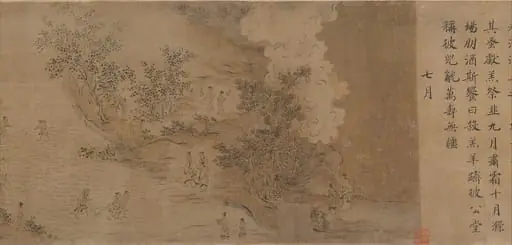 南宋 馬和之 詩經豳風圖 卷|Odes of the State of Bin
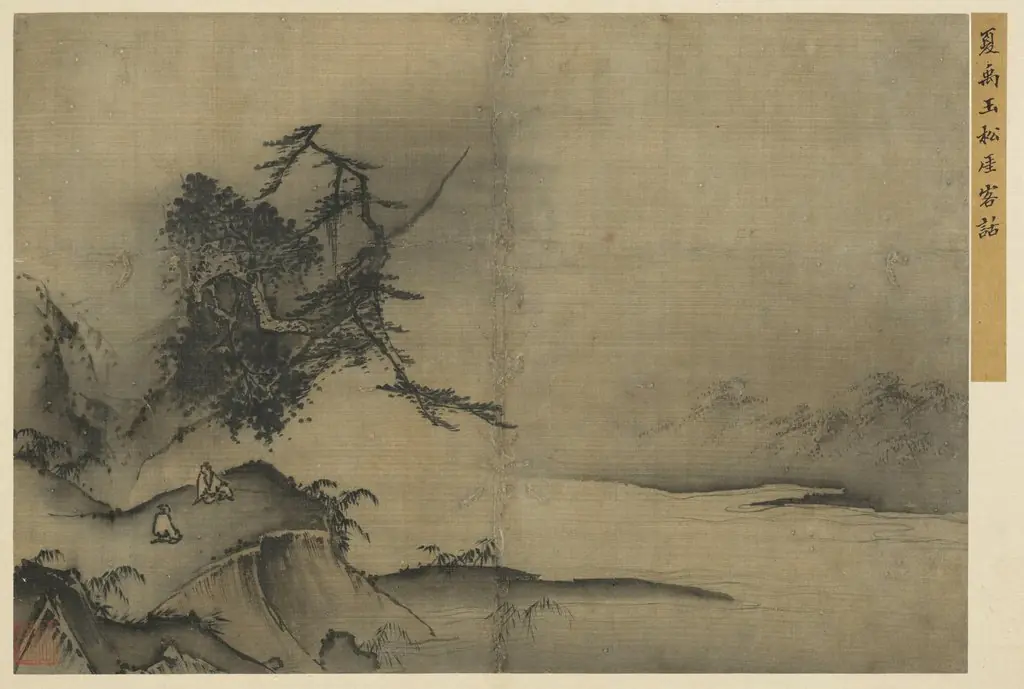 名繪集珍 冊 宋夏珪松厓客話
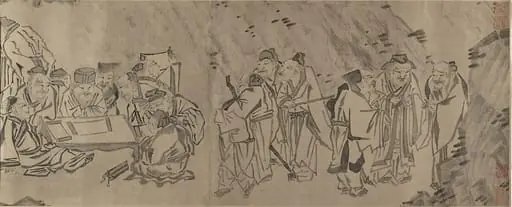 Untitled
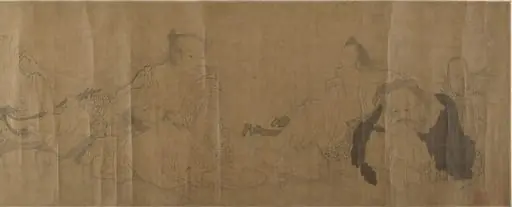 Untitled
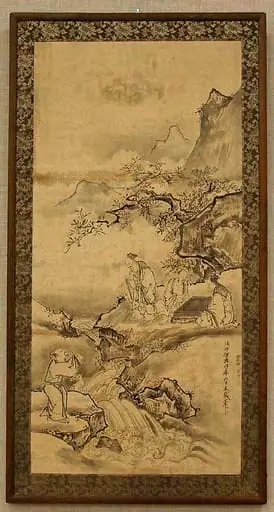 Untitled
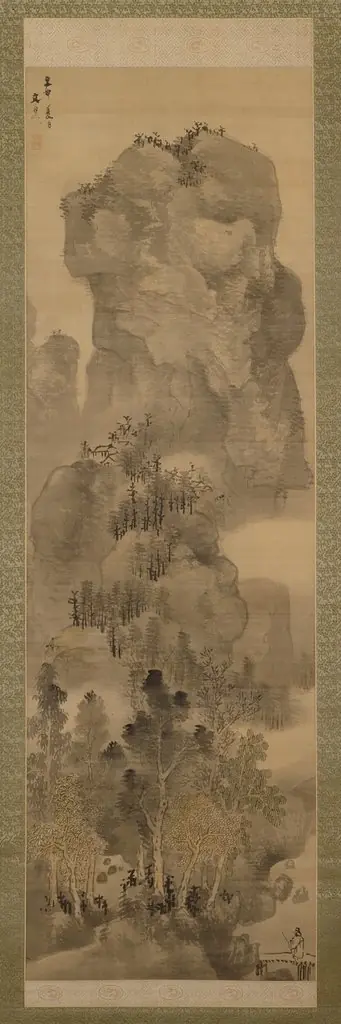 Summer Landscape
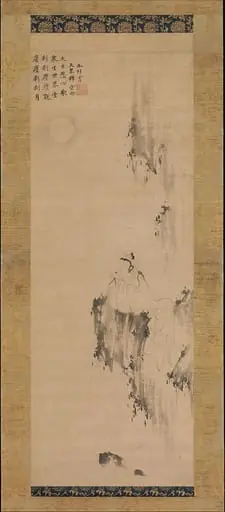 明 佚名 全室宗泐題贊 白衣觀音圖 軸|White-Robed Guanyin
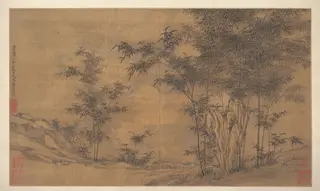 清 佚名 舊傳管道昇 竹石圖 冊頁|Bamboo
- 壺天樂聚|Merry Gatherings in the Magic Jar