Artwork
明/清 佚名 人物故事圖 卷|Family Visit
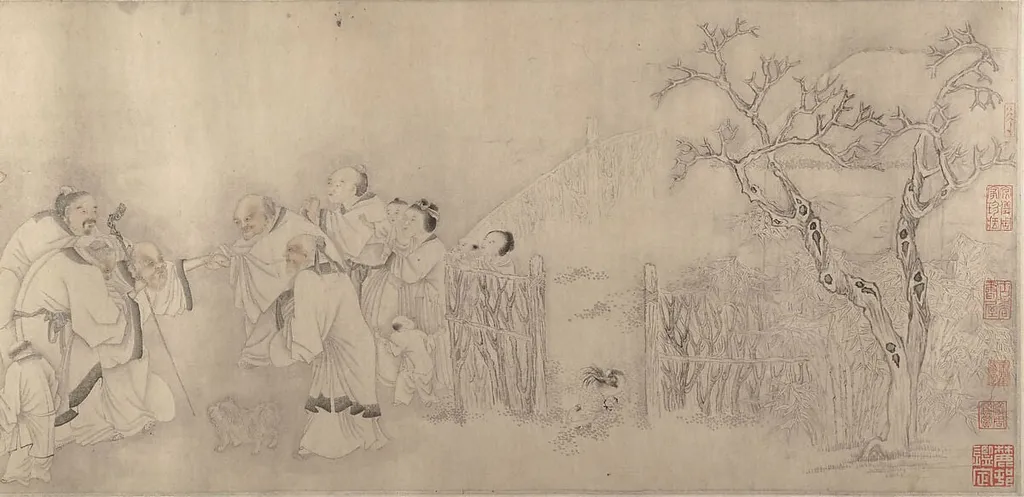
明/清 佚名 人物故事圖 卷|Family Visit is an ink painting. It dates from 1639 and is held in the collection of the Metropolitan Museum of Art. This handscroll, titled Family Visit, is an anonymous Chinese painting from the Ming or Qing dynasty.
About this work
Subject & Meaning
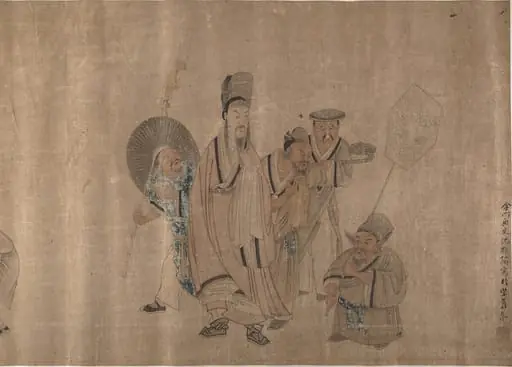
The handscroll titled "Family Visit" portrays a domestic narrative centered on a child, a man, and a woman, illustrating a moment of intergenerational interaction within a Chinese household of the early 17th century. The composition emphasizes the presence of multiple family members, suggesting a focus on kinship and the social role of familial bonds in the cultural context of the period. By depicting a collective scene rather than isolated individuals, the work functions as a visual story of a family gathering, reflecting values associated with ancestor reverence and the continuity of lineage.
Technique & Style
The imagery centers on a man, woman, and child grouped as a family, rendered through the conventions of anonymous Chinese narrative painting of the period.
Family Visit is executed as a handscroll in ink and color on paper, a traditional East Asian format that allows the composition to unfold horizontally. The work measures 31.8 cm in height by 273.7 cm in width, an elongated proportion characteristic of narrative handscrolls intended for sequential viewing. Produced in China in 1639, the painting employs the brush-and-ink coloring technique on a paper support, consistent with Ming and Qing dynasty figural painting practice.
The imagery centers on a man, woman, and child grouped as a family, rendered through the conventions of anonymous Chinese narrative painting of the period.
History & Provenance
The handscroll titled Family Visit, cataloged as a Ming/Qing dynasty work by an unknown artist, is dated to 1639. Created in China, it is executed in ink and color on paper and measures 31.8 cm in height by 273.7 cm in width. The scroll depicts a domestic scene involving a man, a woman, and a child.
It is held in the permanent collection of the Metropolitan Museum of Art, though no specific accession number is recorded in the available sources. No exhibition history or earlier chain of ownership prior to its acquisition by the museum is documented.
Legacy
Created in 1639 by an anonymous hand, the handscroll exemplifies narrative family scenes from the Ming-Qing period and has been cited as a reference point for later genre works that explore domestic interaction. Its inclusion in the Metropolitan Museum of Art's collection has elevated its scholarly profile, positioning it as a touchstone for studies of anonymous court painters and influencing subsequent interpretations of Chinese family portraiture. The work's enduring presence in a major public museum underscores its lasting reputation as a representative piece of early modern Chinese painting.
Overview
This handscroll, titled Family Visit, is an anonymous Chinese painting from the Ming or Qing dynasty. Executed with ink and color on paper, it depicts a domestic scene. The artwork offers a glimpse into historical family life, characterized by detailed portrayals of figures and their surroundings.
Artist & collection

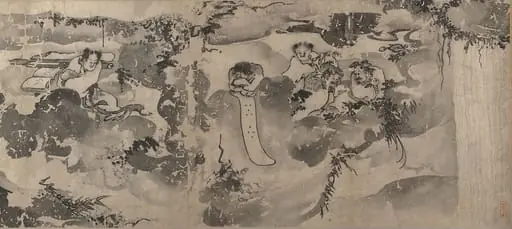 壺天聚樂圖|Merry Gatherings in the Magic Jar
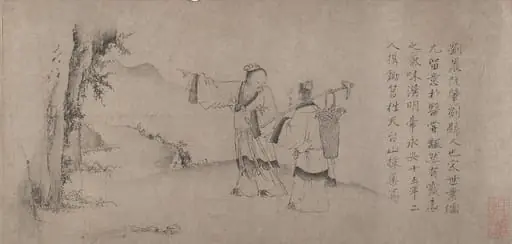 元 趙蒼雲 劉晨阮肇入天台山圖 卷|Liu Chen and Ruan Zhao Entering the Tiantai Mountains
 明 王上宮 忠孝圖 卷|Paragons of Loyalty and Filial Piety
 Untitled
 清 佚名 倣石濤 十六羅漢圖 卷|(Copy after) The Sixteen Luohans
 Untitled
 清 佚名 舊傳管道昇 竹石圖 冊頁|Bamboo
 明/清 佚名 舊傳李公麟 法海靈山圖 冊|Procession of Arhats
 Untitled
 明 錢榖 蘭亭修禊圖 卷|Gathering at the Orchid Pavilion
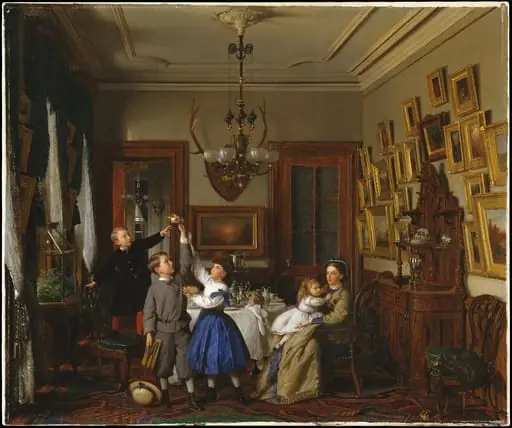 The Contest for the Bouquet: The Family of Robert Gordon in Their New York Dining-Room
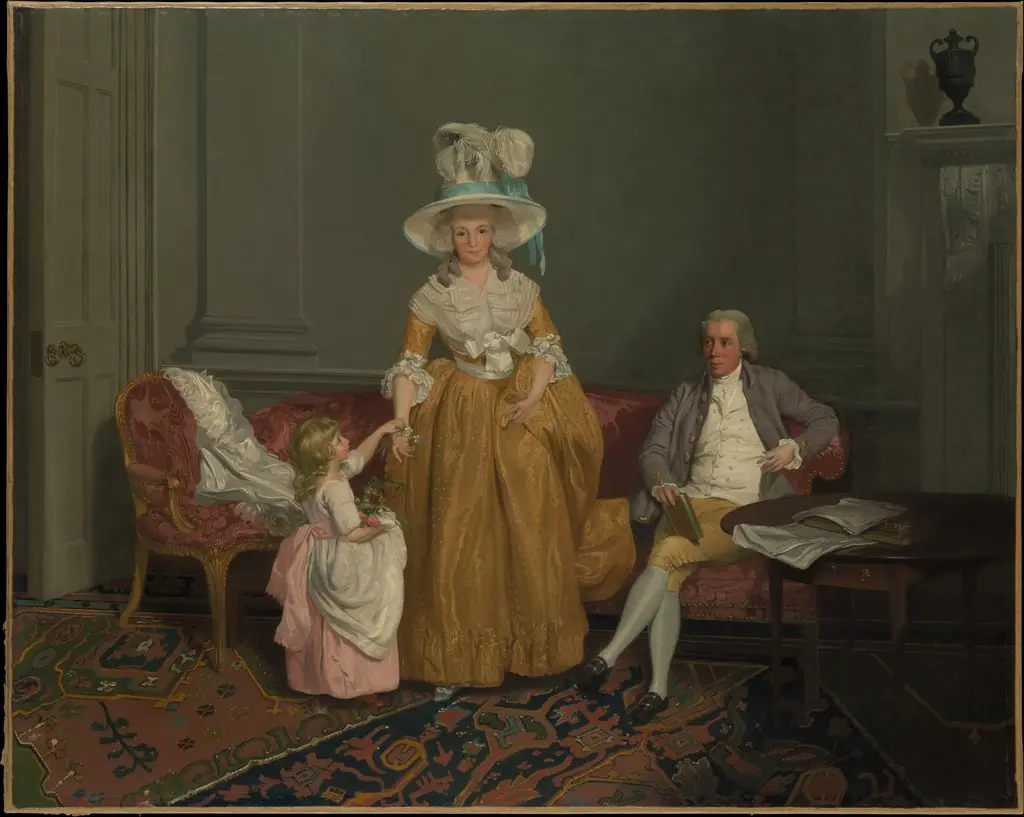 The Saithwaite Family
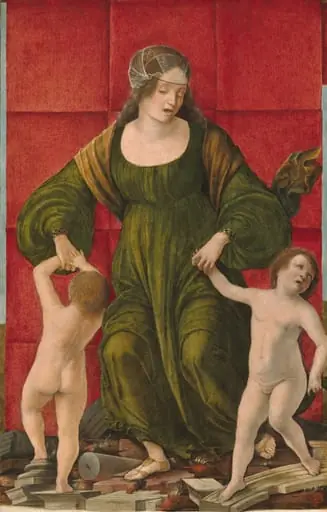 The Wife of Hasdrubal and Her Children
 Madame Georges Charpentier and her Children
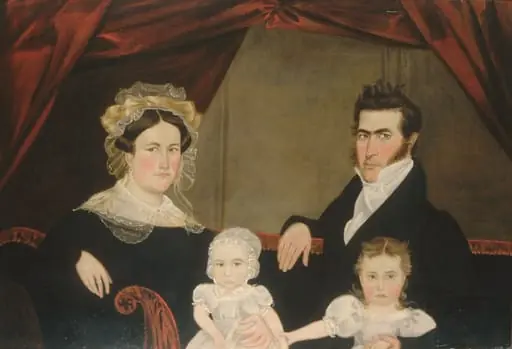 Family Group of Four on Sofa
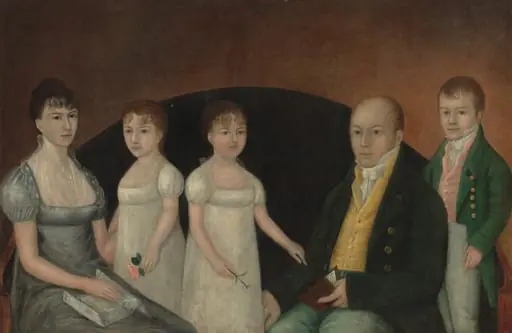 Family Group
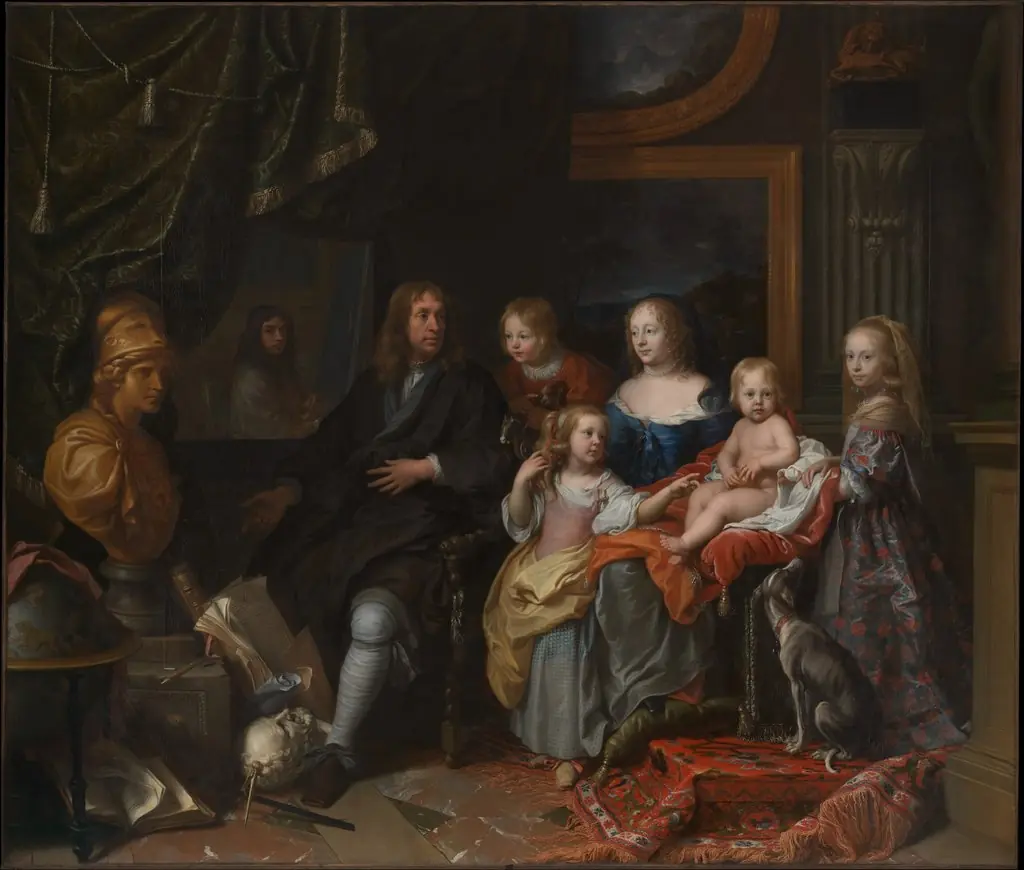 Everhard Jabach (1618–1695) and His Family
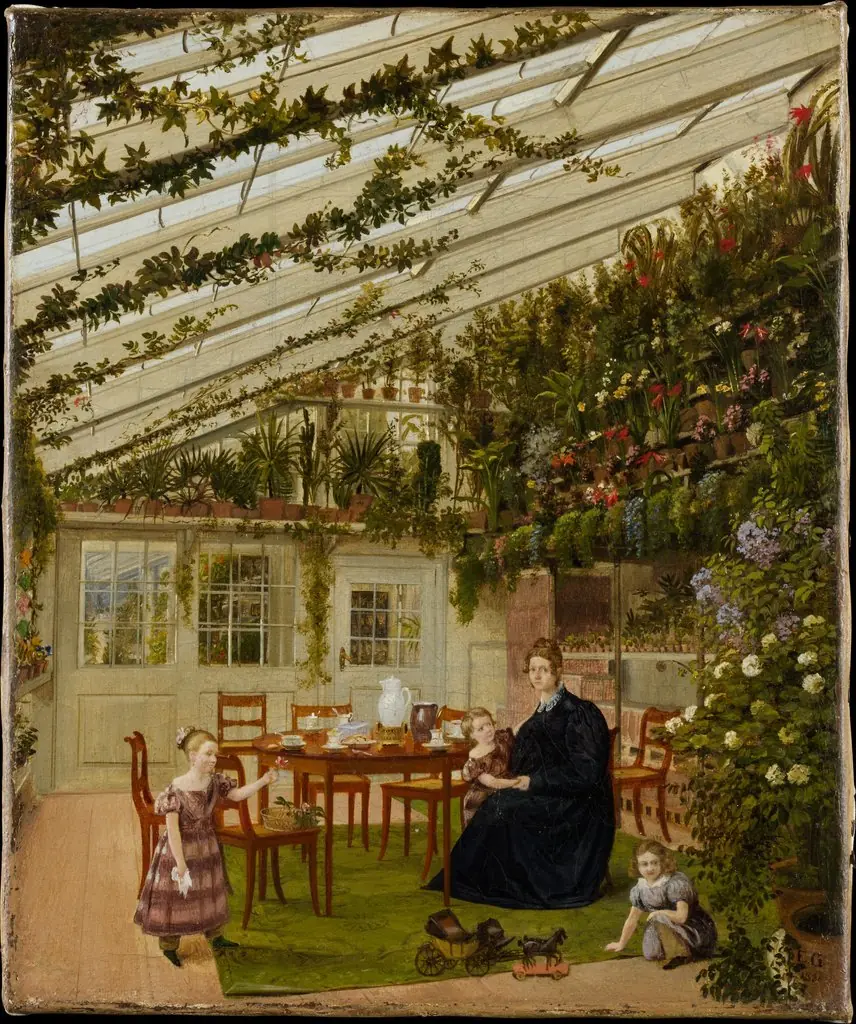 The Family of Mr. Westfal in the Conservatory