Artwork
清 石濤(朱若極) 四季山水圖 冊|Landscapes of the Four Seasons
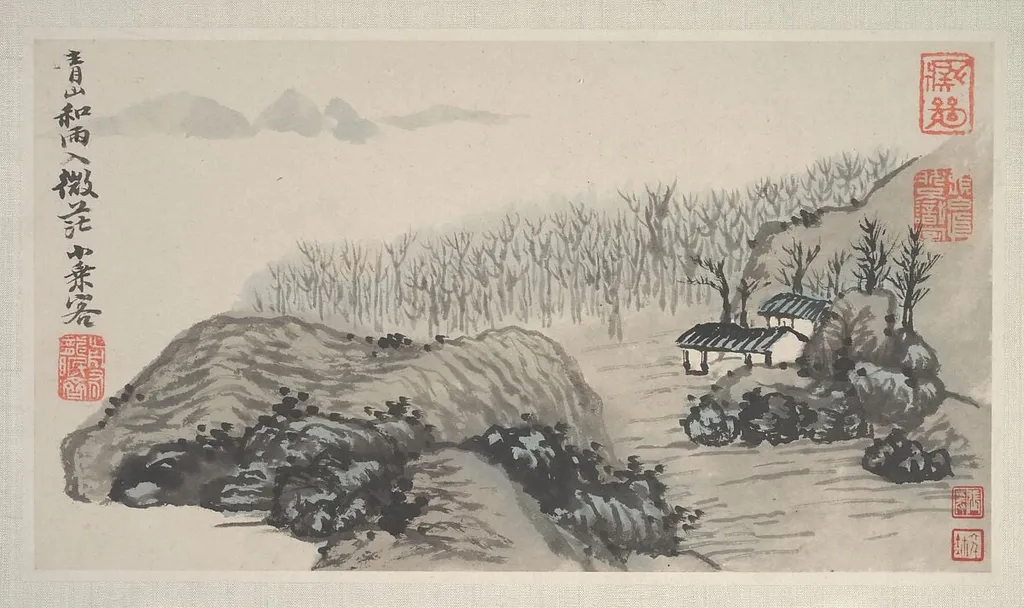
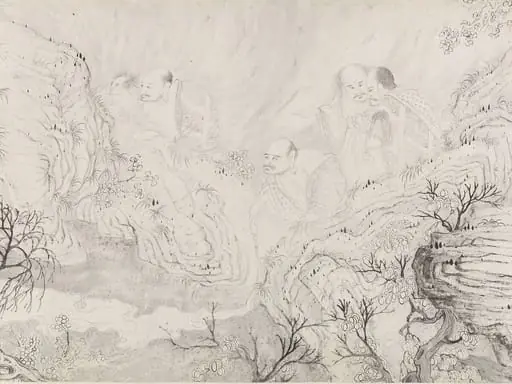
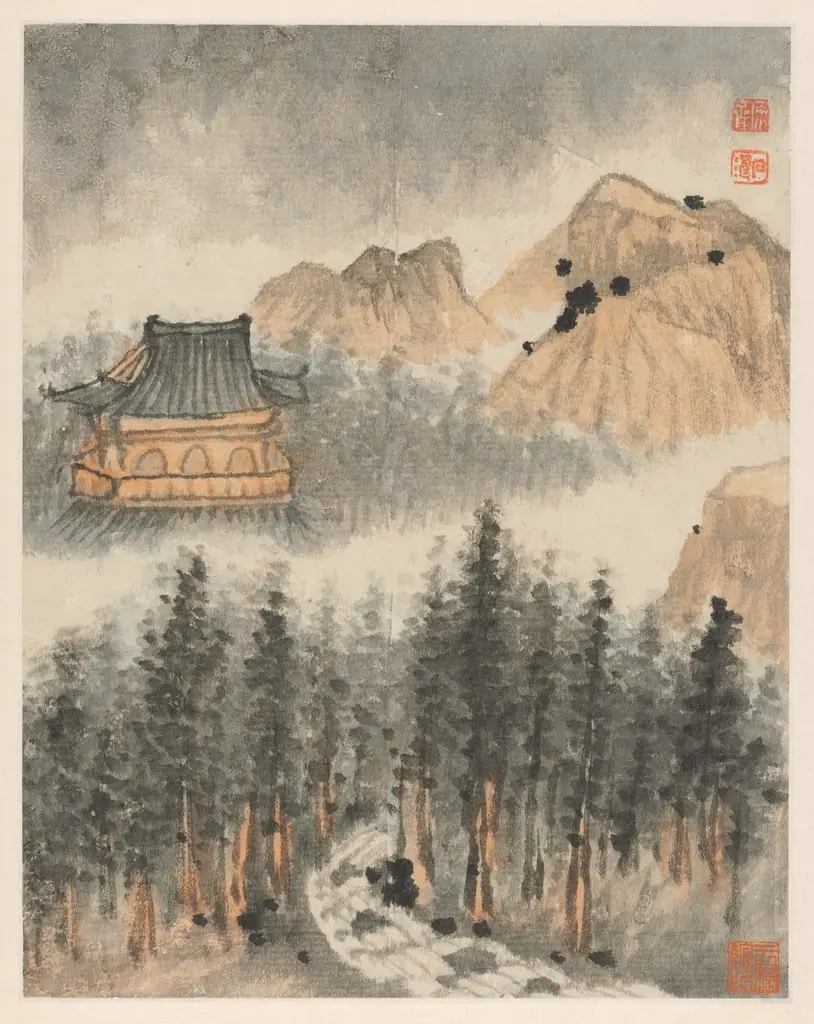
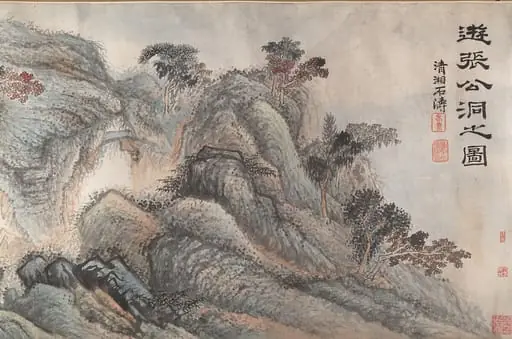
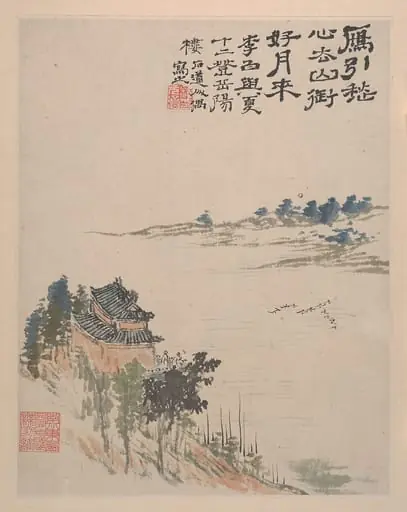
清 石濤(朱若極) 四季山水圖 冊|Landscapes of the Four Seasons is an ink painting by the Baroque artist Shitao. It dates from 1675 and is held in the collection of the Metropolitan Museum of Art.
- Accession no.
- 1989.363.155a–h
- Credit line
- Bequest of John M. Crawford Jr., 1988
About this work
Technique & Style
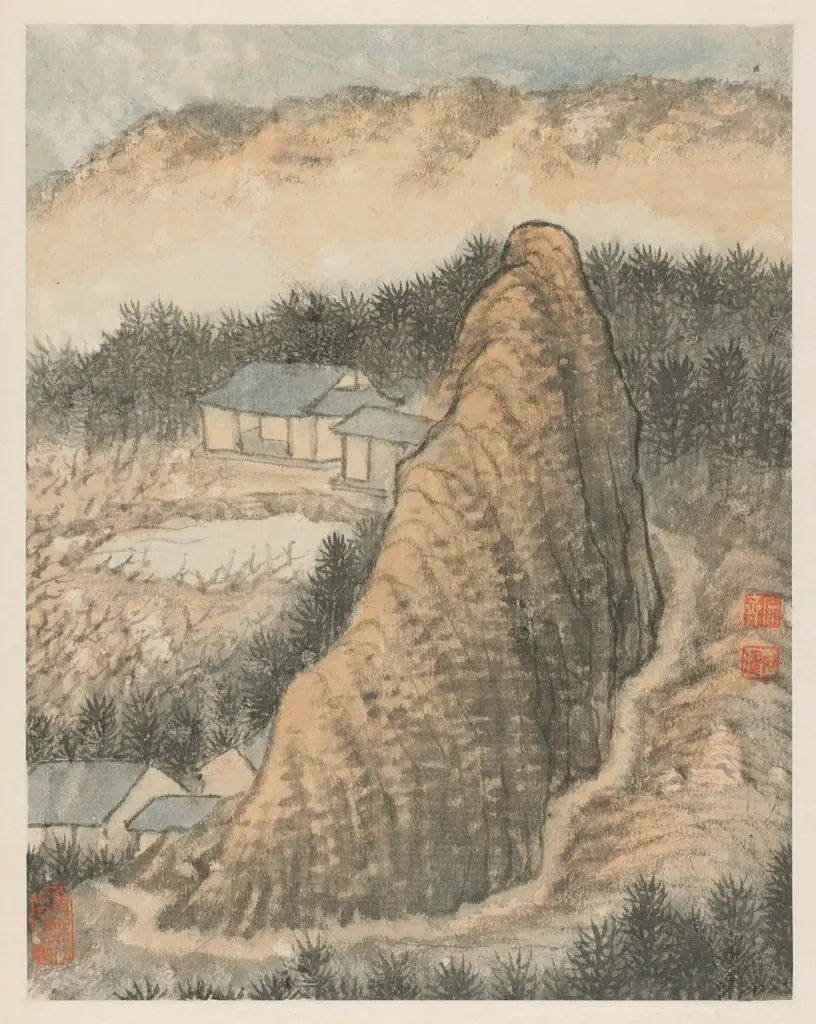
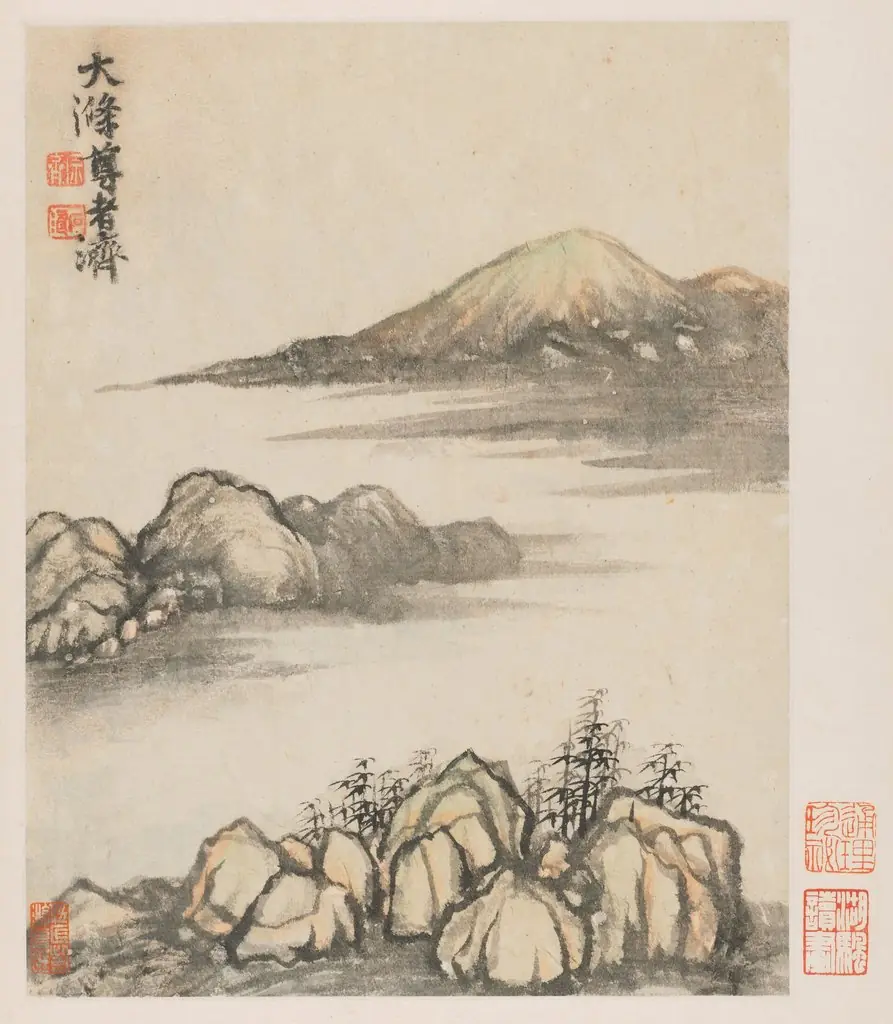
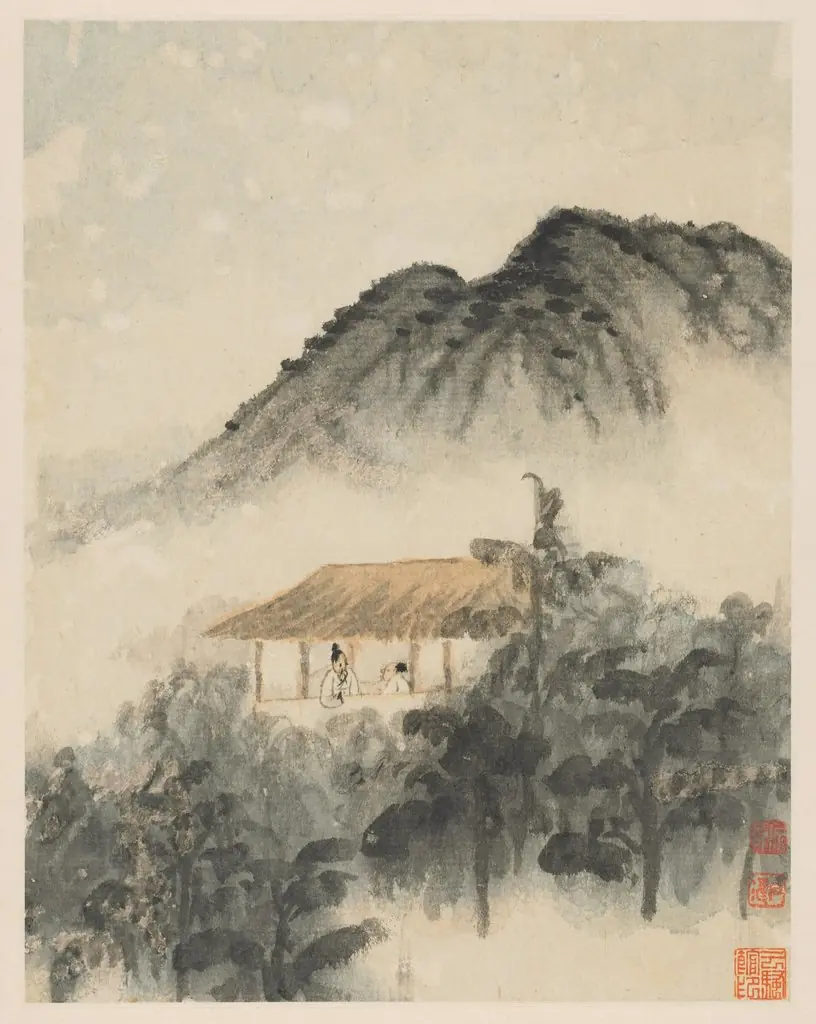
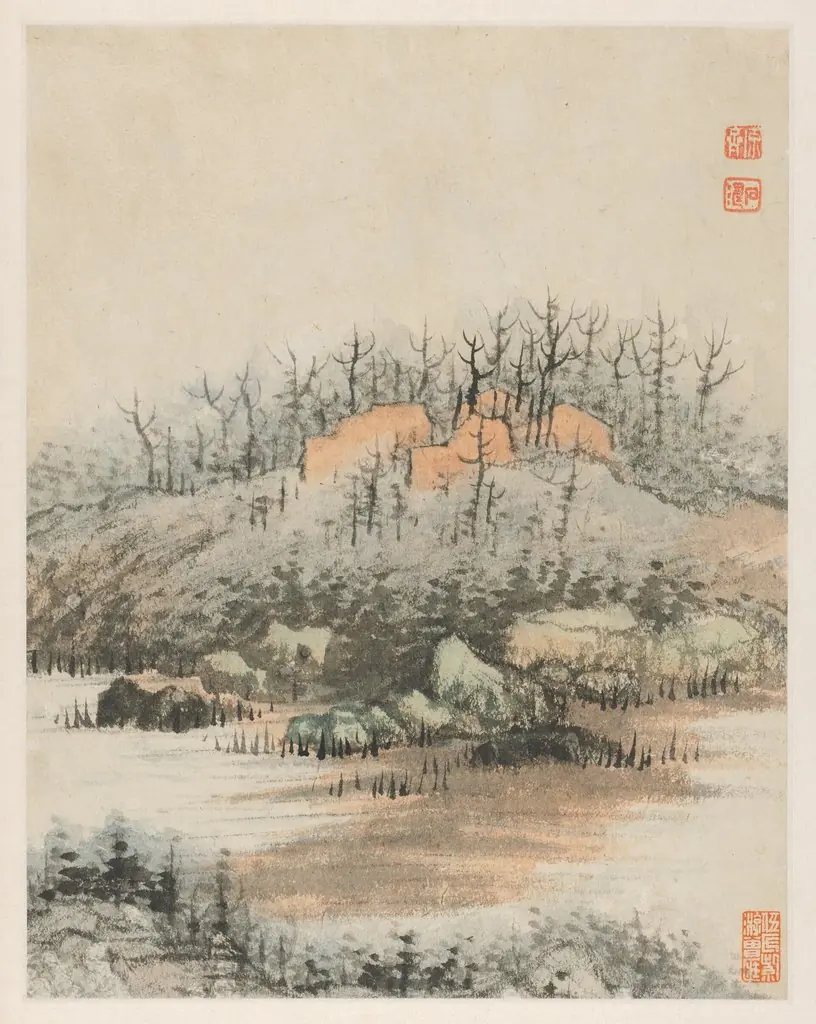
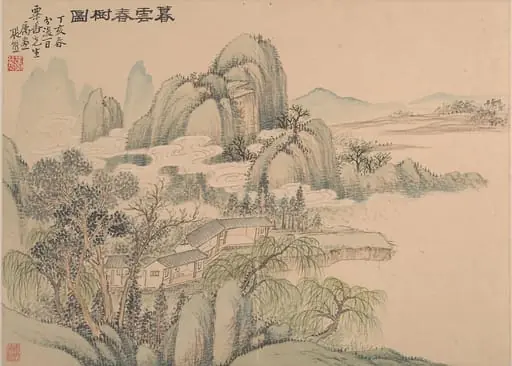
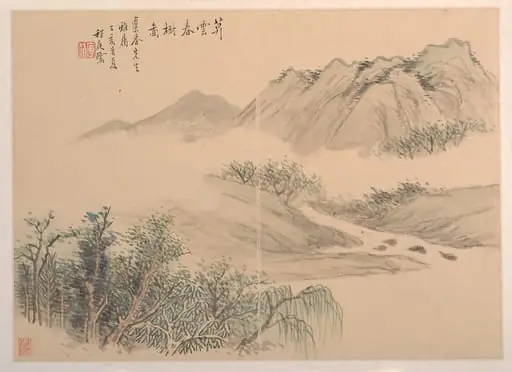
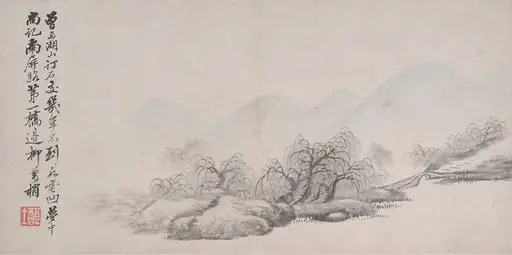
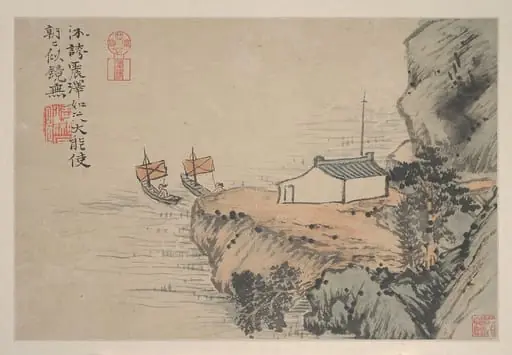
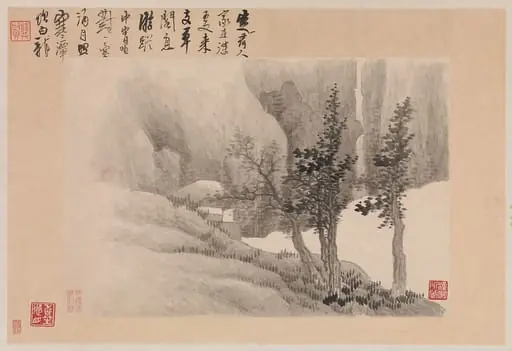
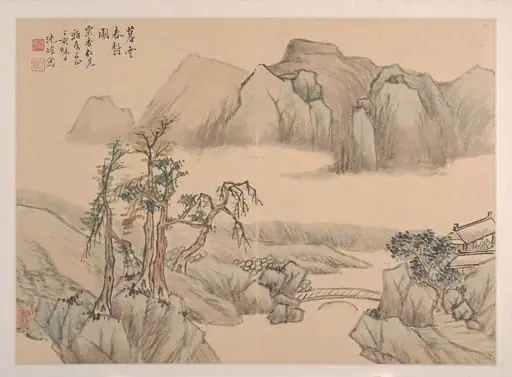
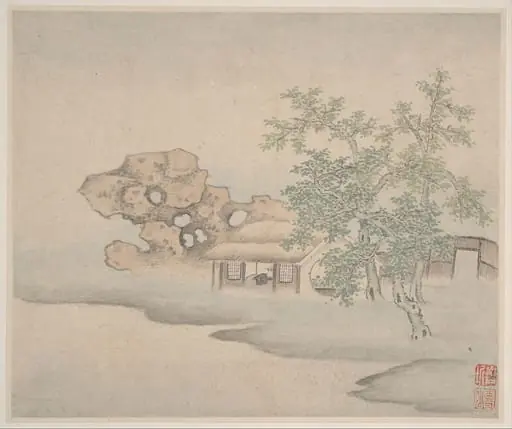
Created in 1675, Landscapes of the Four Seasons by Shitao (Zhu Ruoji) is an album of eight leaves executed in ink and color on paper, each leaf measuring 21 cm in height and 31.4 cm in width. As a landscape work, it exemplifies the artist's handling of traditional Chinese brushwork and pigment on paper, combining monochrome ink washes with colored pigments to depict seasonal variations within the album format.
History & Provenance
The album was created in 1675 in China by Shitao (Zhu Ruoji) and is now held in the collection of the Metropolitan Museum of Art, New York, which catalogues it as a landscape painting. Consisting of eight leaves in ink and color on paper, each leaf measures 21 cm by 31.4 cm. The available records do not list a specific accession number or any past exhibition history for the album.
Overview
The work showcases the artist's distinctive approach to depicting the natural world, emphasizing both grand vistas and intimate details within each composition.
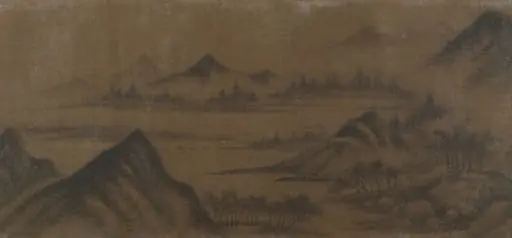
Shitao's Landscapes of the Four Seasons (清 石濤(朱若極) 四季山水圖 冊) is an album comprising eight leaves, executed in ink and color on paper around 1675. This collection of paintings presents various natural scenes, characteristic of traditional Chinese landscape art. The work showcases the artist's distinctive approach to depicting the natural world, emphasizing both grand vistas and intimate details within each composition.
Subject & Meaning
Each leaf within the album portrays a serene natural environment, often featuring a small dwelling nestled among trees and rock formations. Distant mountain ranges frequently provide a backdrop, adding depth to the compositions. The recurring presence of human habitation within expansive natural settings suggests a contemplation of humanity's place within the vastness of nature, a common theme in classical Chinese landscape painting.
Artist & collection