Artwork
Holy Family
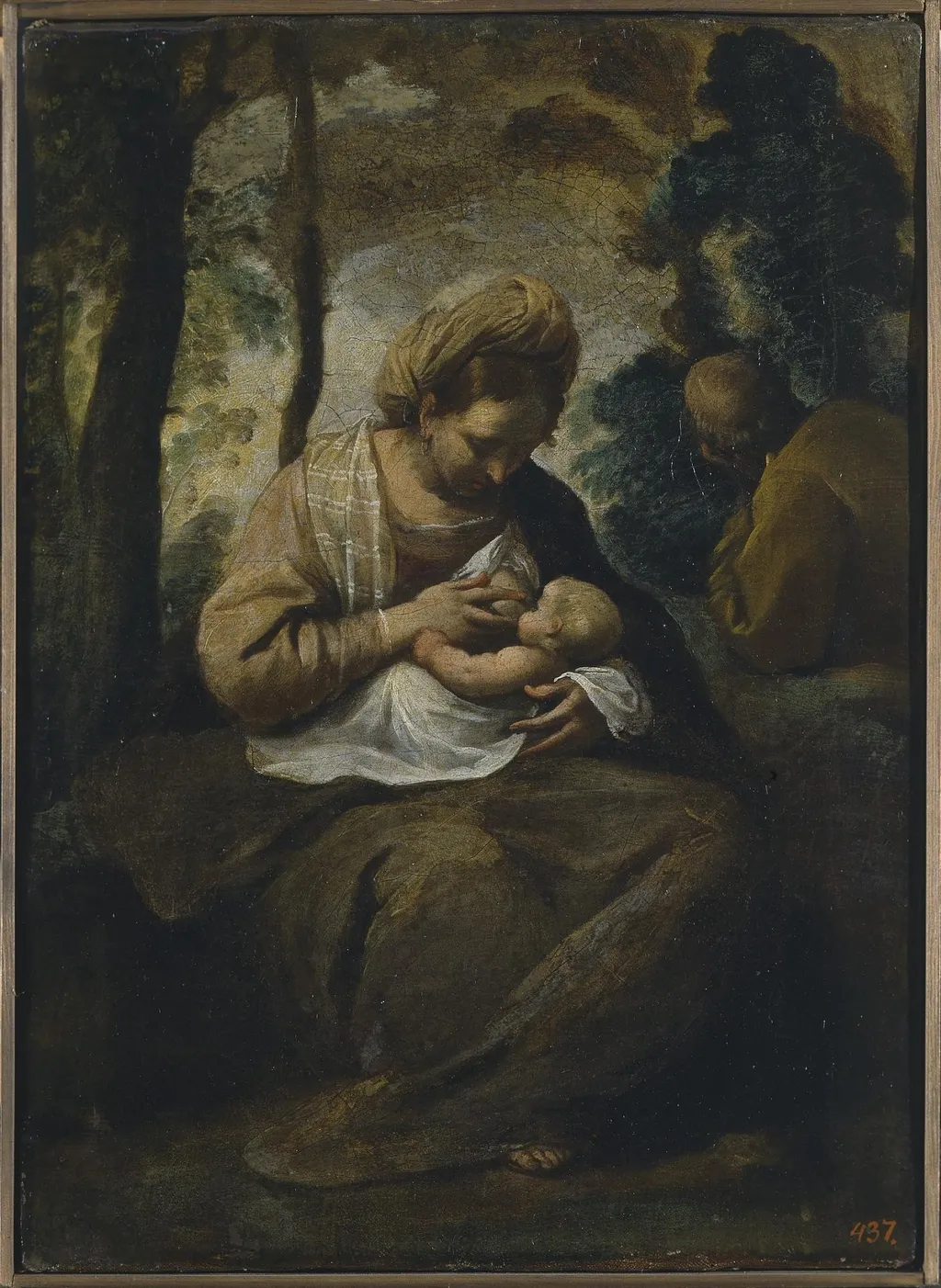
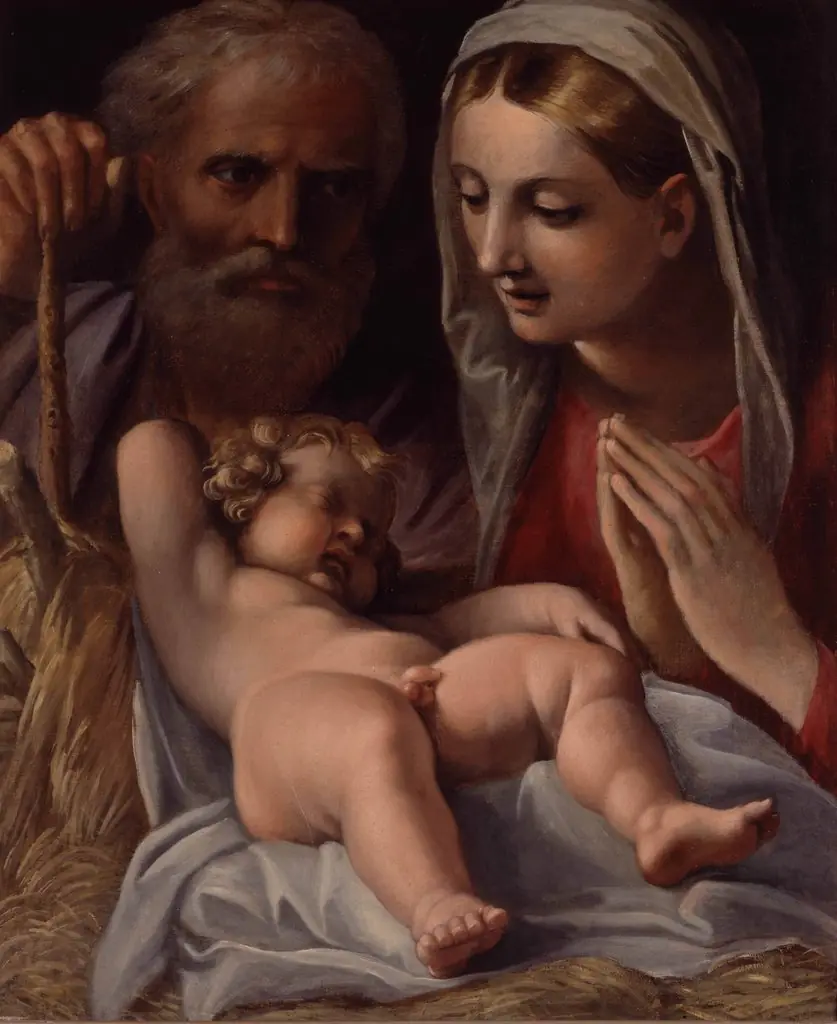
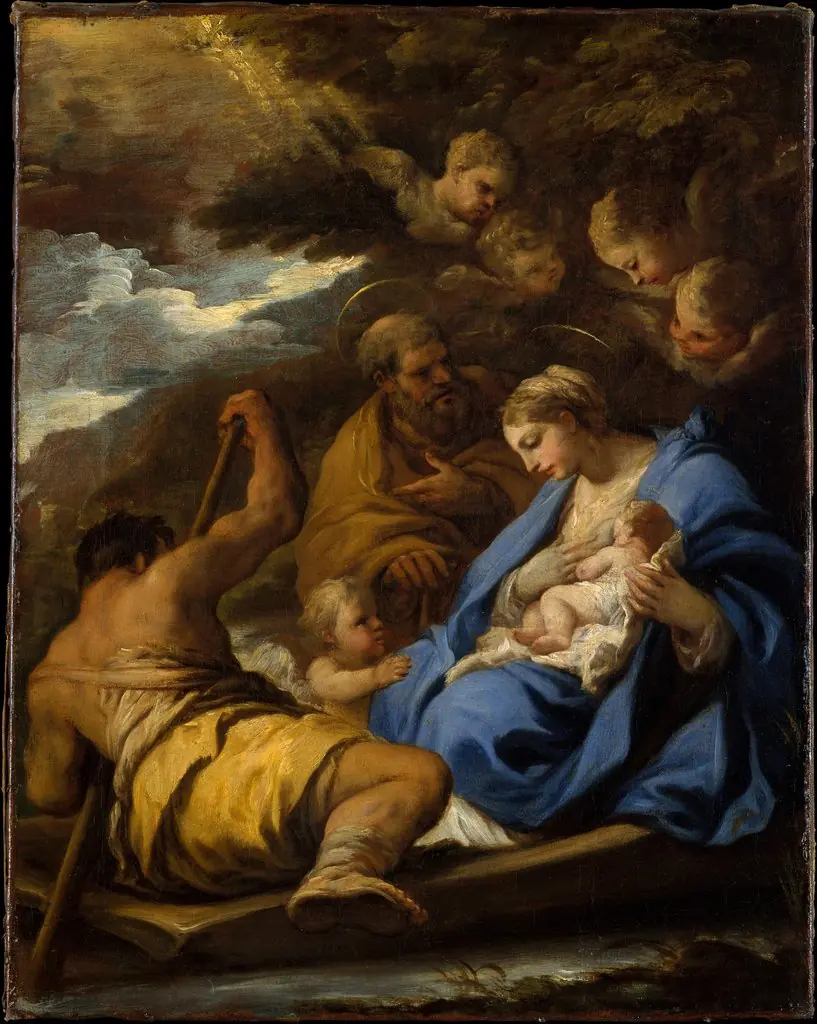
Holy Family is an oil painting by the Early Baroque Italian artist Simone Cantarini. It is held in the collection of the Hermitage Museum.
About this work
Subject & Meaning
The Holy Family theme, rooted in Christian iconography, represents the earthly family of Jesus and serves as a model of piety, humility, and divine love.
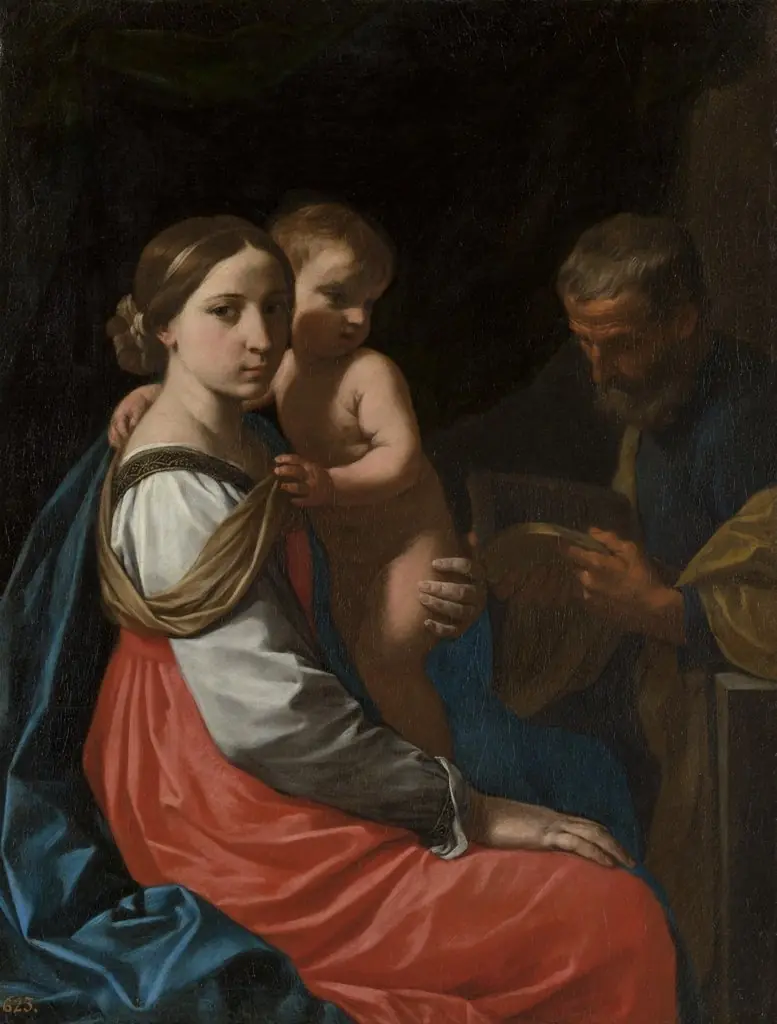
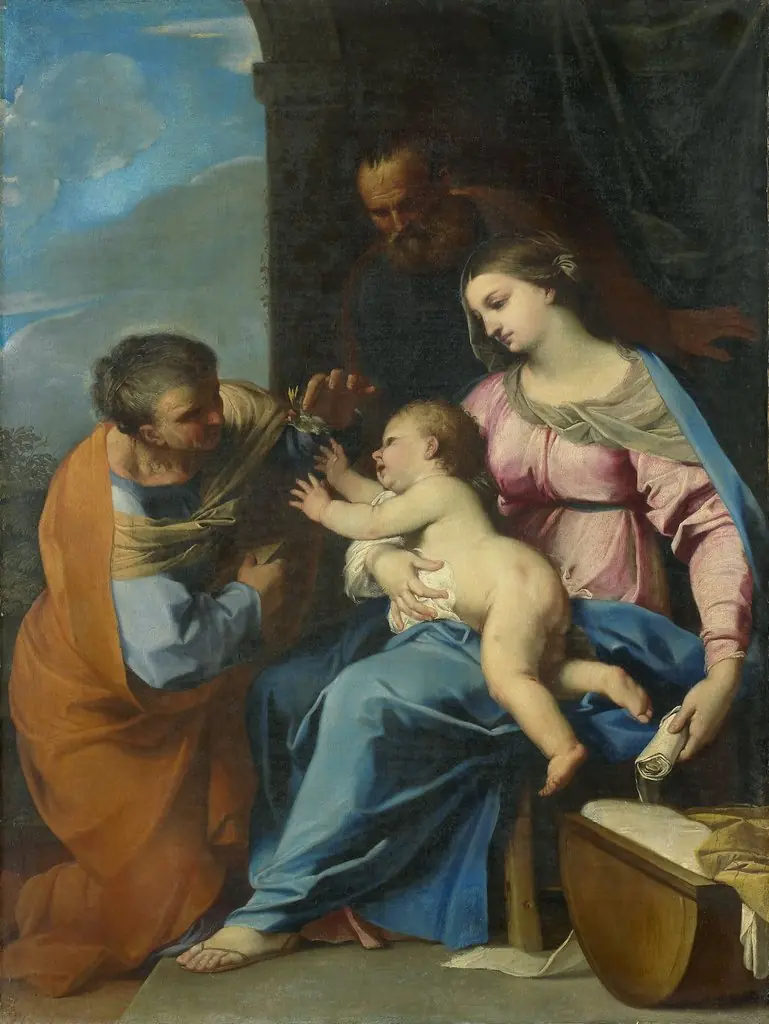
The painting depicts the Holy Family, a traditional devotional subject showing the Virgin Mary, the Christ Child, and Saint Joseph grouped together in an intimate domestic arrangement. Simone Cantarini's 1650 composition focuses on this sacred trio, presenting them as the central figures of the work. The Holy Family theme, rooted in Christian iconography, represents the earthly family of Jesus and serves as a model of piety, humility, and divine love.
Cantarini's treatment belongs to a long tradition of religious painting in which the tender interaction among Mary, Joseph, and the infant Christ emphasizes both their humanity and their sacred role in salvation history. As a small-scale devotional oil on canvas, the image invites quiet contemplation of the holy figures and the virtues they embody.
The work's main subject is the Holy Family, rendered as religious art intended for devotional reflection on the sanctity of Christ's immediate family.
Technique & Style
The Holy Family by Simone Cantarini is executed in oil paint on canvas, a standard support for seventeenth-century Italian easel painting. The work is modest in scale, measuring 41 cm in height by 31 cm in width, suggesting an intimate devotional format rather than a large alt commission.
Stylistically, the painting belongs to the religious genre and centers on the traditional subject of the Holy Family, depicting Mary, the Christ Child, and Joseph. The medium and dimensions are consistent with Cantarini's smaller cabinet pictures produced in Italy around 1650.
History & Provenance
The Holy Family was painted by Simone Cantarini in 1650 as a religious oil painting on canvas (41 cm × 31 cm), created in Italy. It entered the collection of the Hermitage Museum, where it remains on display. The work depicts Mary, the Christ Child, and Joseph, reflecting the Holy Family theme within Catholic devotional art.
The work is held in the State Hermitage Museum, St. Petersburg, where it carries the inventory number GE-11752.
It has been exhibited at least once in recent decades: in the 2010 exhibition "Simone Cantarini (Il Pesarese) 1612–1648" held at the Palazzo dei Priori, Pesaro, in association with the Galleria Nazionale delle Marche.
Overview
Created circa 1650 by Simone Cantarini, also known as Simone da Pesaro, this oil on canvas presents a intimate rendering of the Holy Family. Executed during the early Baroque in Italy, the work now belongs to the State Hermitage Museum’s collection. The composition centers on a tender interaction between mother and child, set against a dimly lit cavernous background.
Context
Cantarini worked in a period when Italian artists were integrating the dramatic lighting of Caravaggio with the balanced compositions of the Carracci. This painting exemplifies that synthesis, situating a sacred narrative within a realistic, emotionally resonant setting that aligns with contemporary devotional trends.
Own this work as a print
Artist & collection
Artist
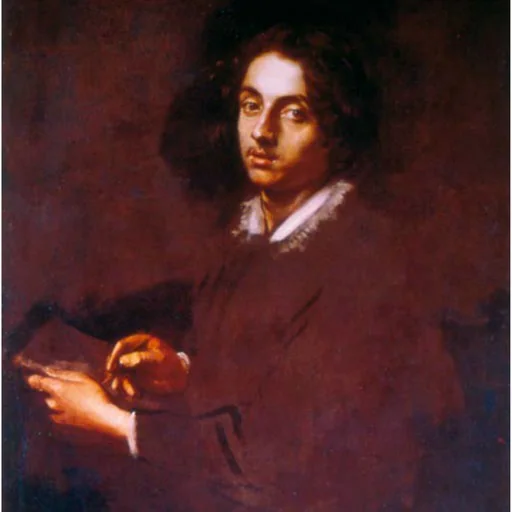
Simone Cantarini or Simone da Pesaro, called il Pesarese (Baptized on 21 August 1612 – 15 October 1648) was an Italian painter and etcher.