Artwork
Virgin and Child with Saint Catherine of Alexandria
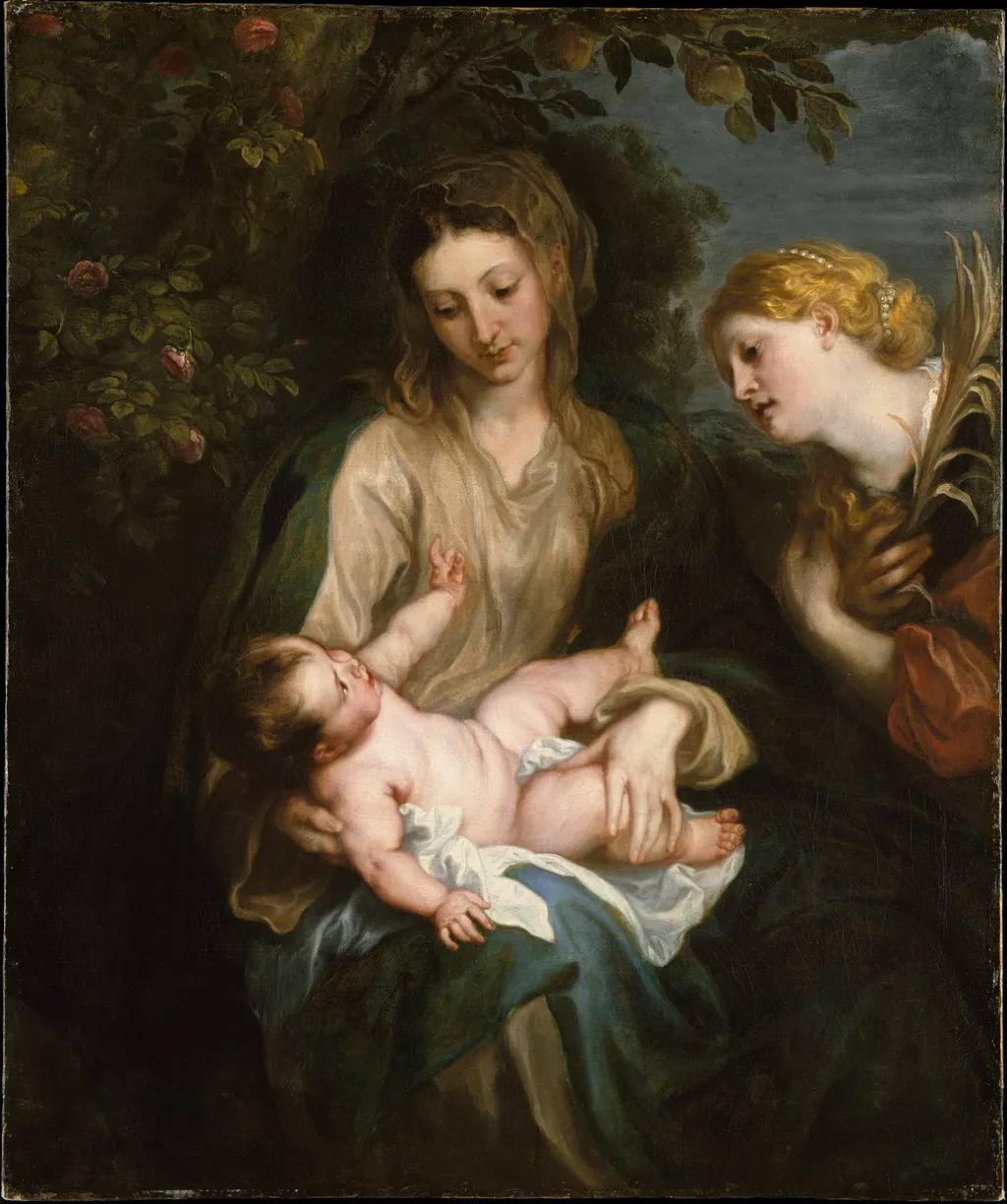
Virgin and Child with Saint Catherine of Alexandria is an oil painting by the Flemish Baroque painting artist Anthony van Dyck. It dates from 1630 and is held in the collection of the Metropolitan Museum of Art.
About this work
Subject & Meaning
The inclusion of Saint Catherine, traditionally associated with wisdom and martyrdom, adds a symbolic layer of intellectual virtue within the sacred narrative.
The painting shows the Virgin Mary cradling the infant Christ Child, with Saint Catherine of Alexandria positioned alongside them; the composition centers on the Madonna and Child as the primary focus. It belongs to the religious genre, reflecting Counter-Reformation devotional practices that emphasized the veneration of holy figures. The inclusion of Saint Catherine, traditionally associated with wisdom and martyrdom, adds a symbolic layer of intellectual virtue within the sacred narrative.
The work was created in 1630 by Anthony van Dyck for the collection of the Grosvenor family and later entered the Metropolitan Museum of Art.
Technique & Style
Created in 1630, this religious painting by Anthony van Dyck is executed in oil paint on a canvas support. The work measures 112.1 cm in height and 94 cm in width, presenting a formal composition centered on the Madonna and Child alongside Saint Catherine of Alexandria. As an oil-on-canvas piece from the Baroque period, the medium allows for the characteristic handling of light and texture associated with Van Dyck's style.
The physical dimensions and material construction define its presence as a substantial devotional image within the collection of the Metropolitan Museum of Art.
History & Provenance
The work was created in 1630 by Anthony van Dyck as an oil painting on canvas, measuring roughly 112 × 94 cm. It depicts the Virgin and Child with Saint Catherine of Alexandria and belongs to the religious genre. Following its execution, the picture entered the collection of the Grosvenor family, passing through several successive titles, including Robert Grosvenor, 1st Marquess of Westminster; Richard Grosvenor, 2nd Marquess of Westminster; Hugh Grosvenor, 1st Duke of Westminster; and Hugh Grosvenor, 2nd Duke of Westminster, before being acquired by the Metropolitan Museum of Art, where it remains today. Earlier documented owners include Welbore Ellis Agar and William R. Timken.
Context
Virgin and Child with Saint Catherine of Alexandria is an oil painting on canvas dated 1630 by Anthony van Dyck. It belongs to the religious genre and was produced during van Dyck's early career, reflecting his engagement with devotional subjects before his ascendancy as a court portraitist. The composition features the Virgin, the Christ Child, and Saint Catherine of Alexandria.
Its inclusion in the Metropolitan Museum of Art's collection, originally assembled through the Grosvenor family provenance, underscores its recognized significance within scholarly and curatorial contexts.
Overview
Anthony van Dyck's Virgin and Child with Saint Catherine of Alexandria, painted in oil in 1630, exemplifies the religious themes prevalent in Baroque art. This work features the central figures of the Madonna and Christ Child, accompanied by Saint Catherine of Alexandria. The painting is a notable example of Van Dyck's early career in religious subjects before his prominence as a court portraitist. It is currently housed in The Metropolitan Museum of Art.
Own this work as a print
Artist & collection
Artist
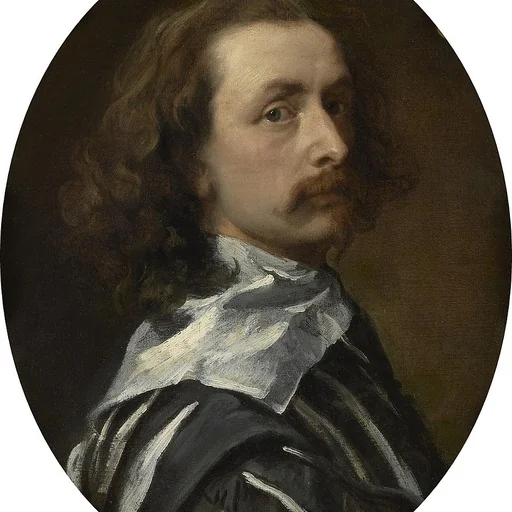
Sir Anthony van Dyck (; Dutch: Antoon van Dijck; 22 March 1599 – 9 December 1641) was a Flemish Baroque artist, who became the leading court painter in England after success in the Spanish Netherlands and Italy.

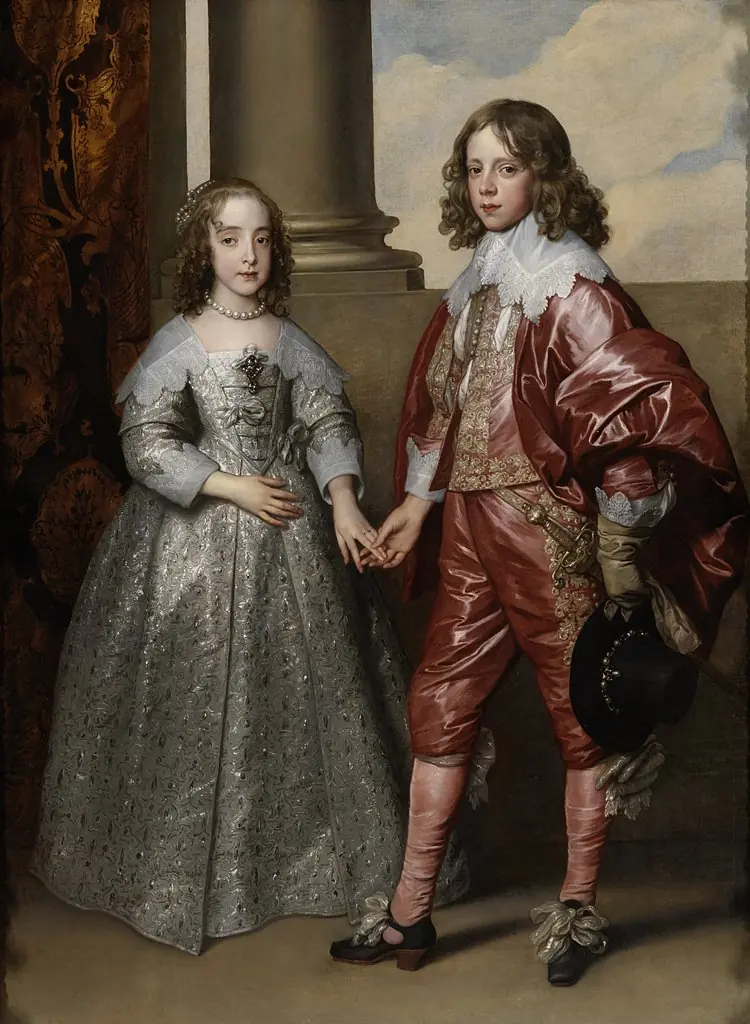
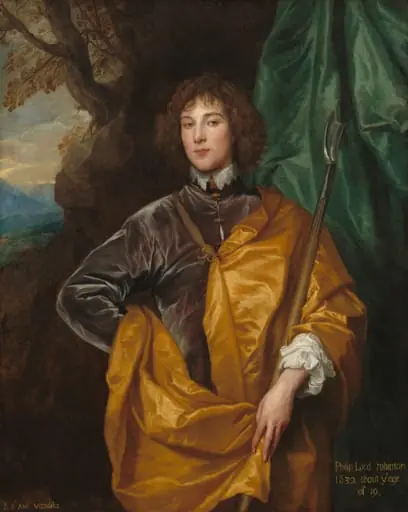
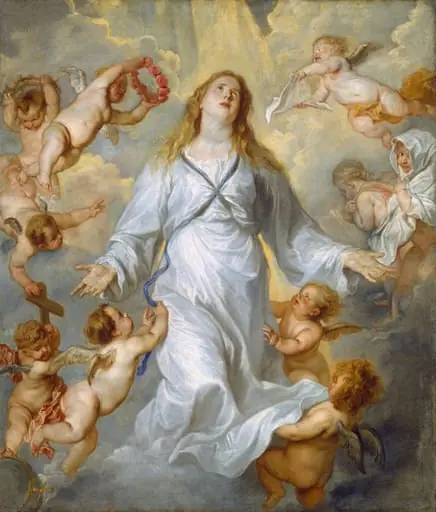
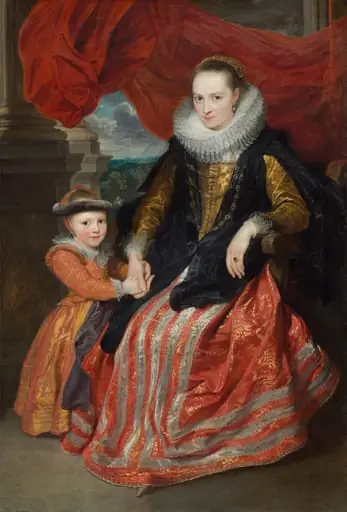
- The Mystic Marriage of Saint Catherine
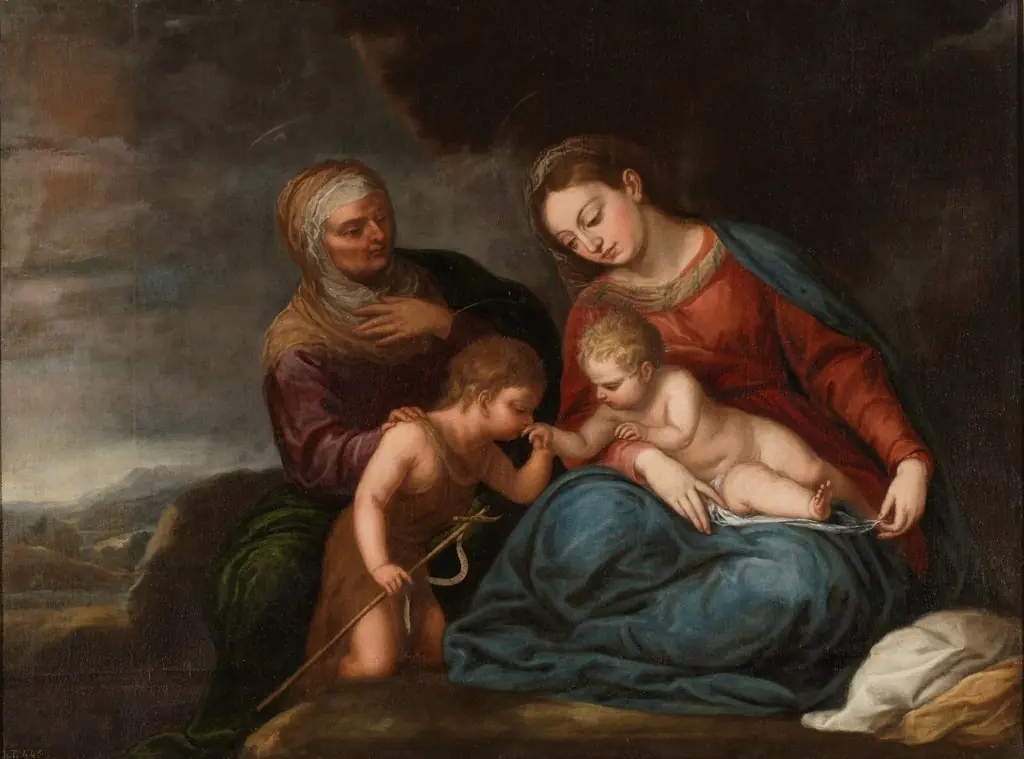 The Virgin and Child with Saints Elizabeth and John
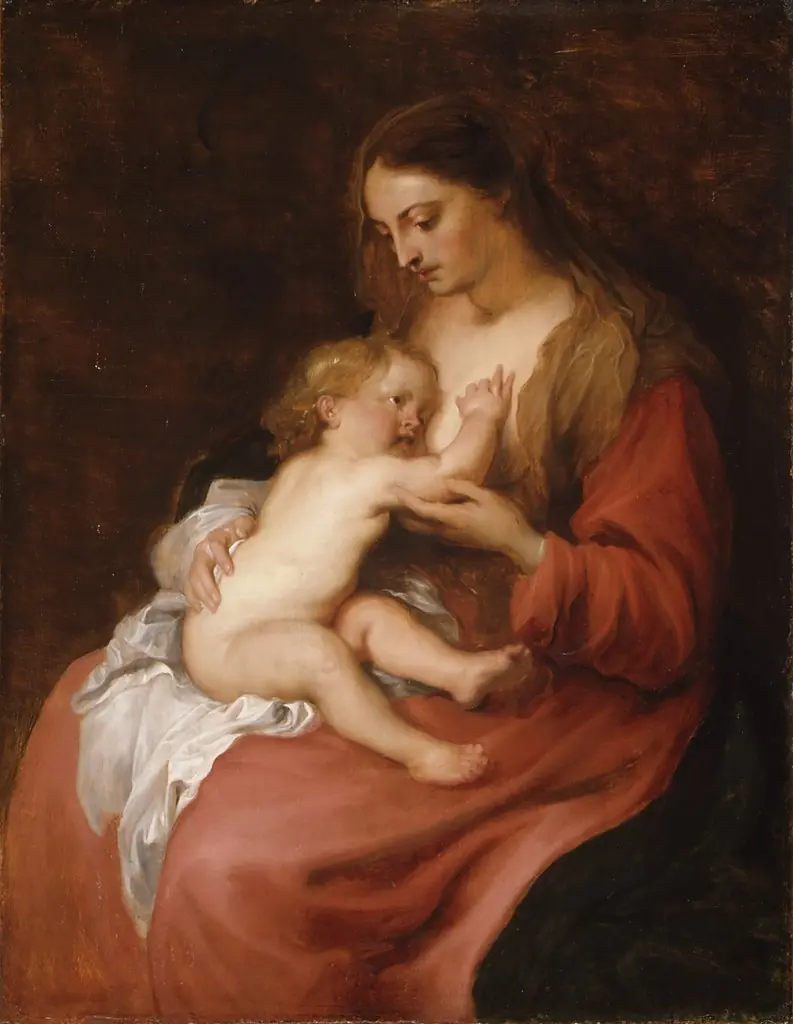 Virgin and Child
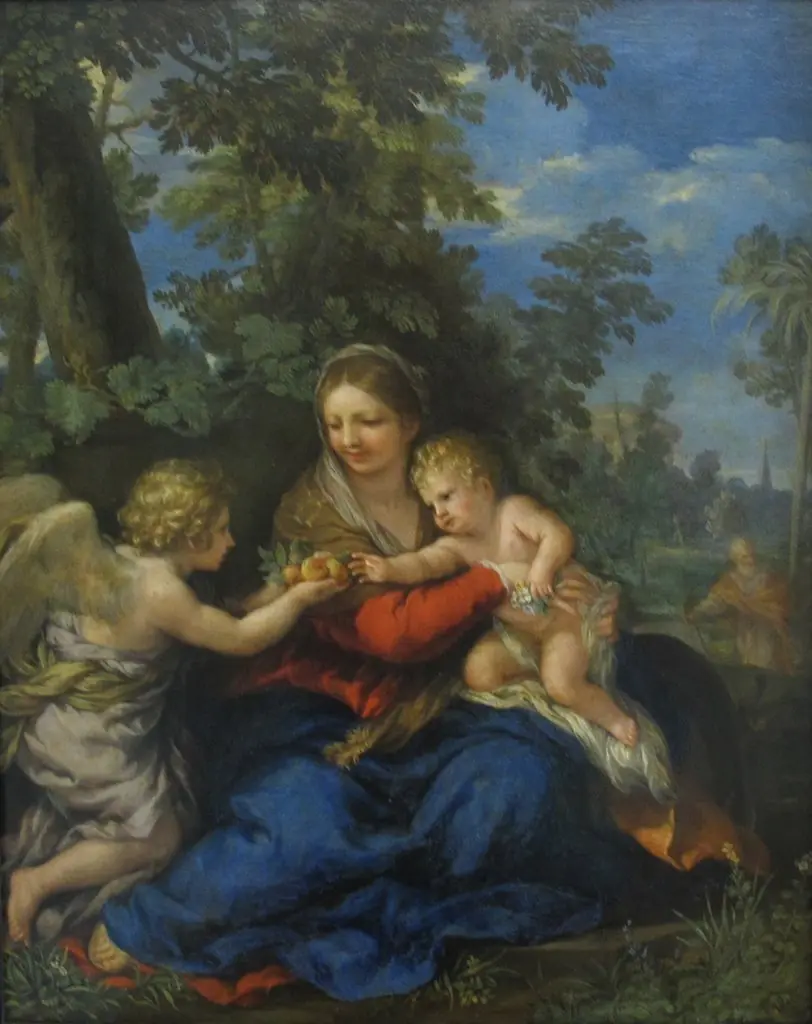 Holy Family Resting on the Flight to Egypt
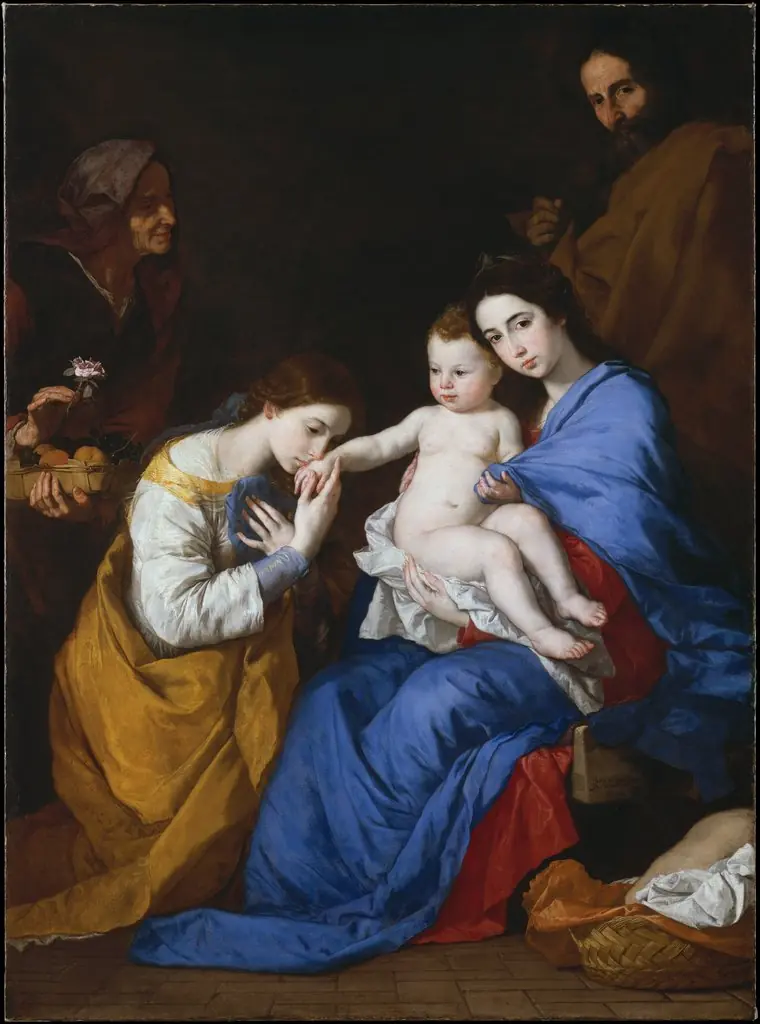 The Holy Family with Saints Anne and Catherine of Alexandria
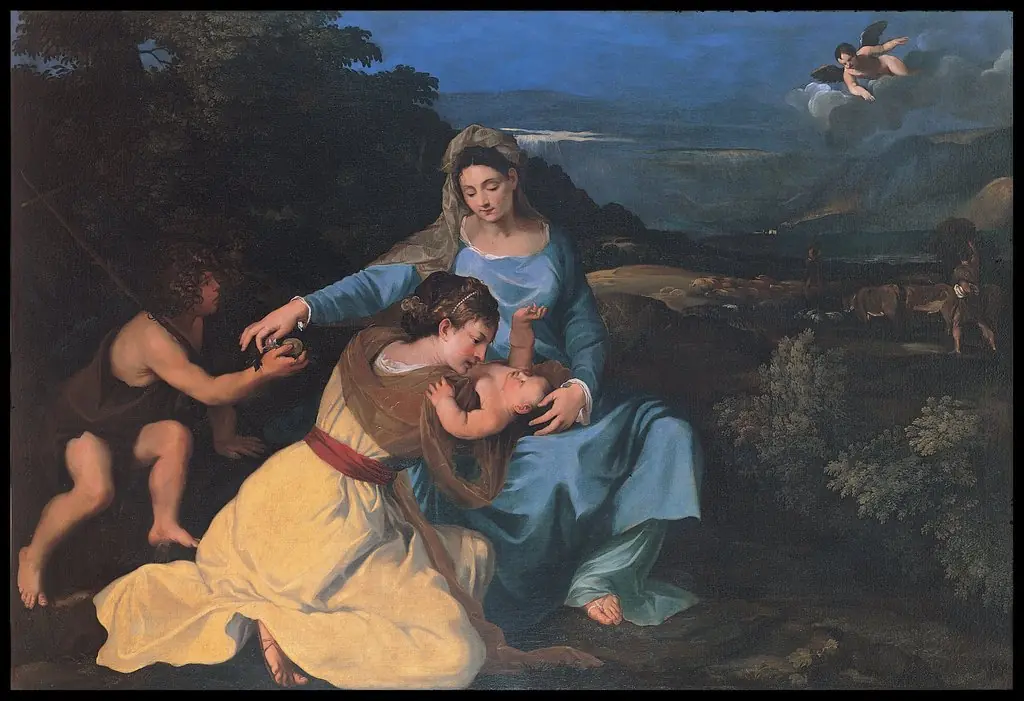 Madonna with the Child, Saint Catherine and Saint John
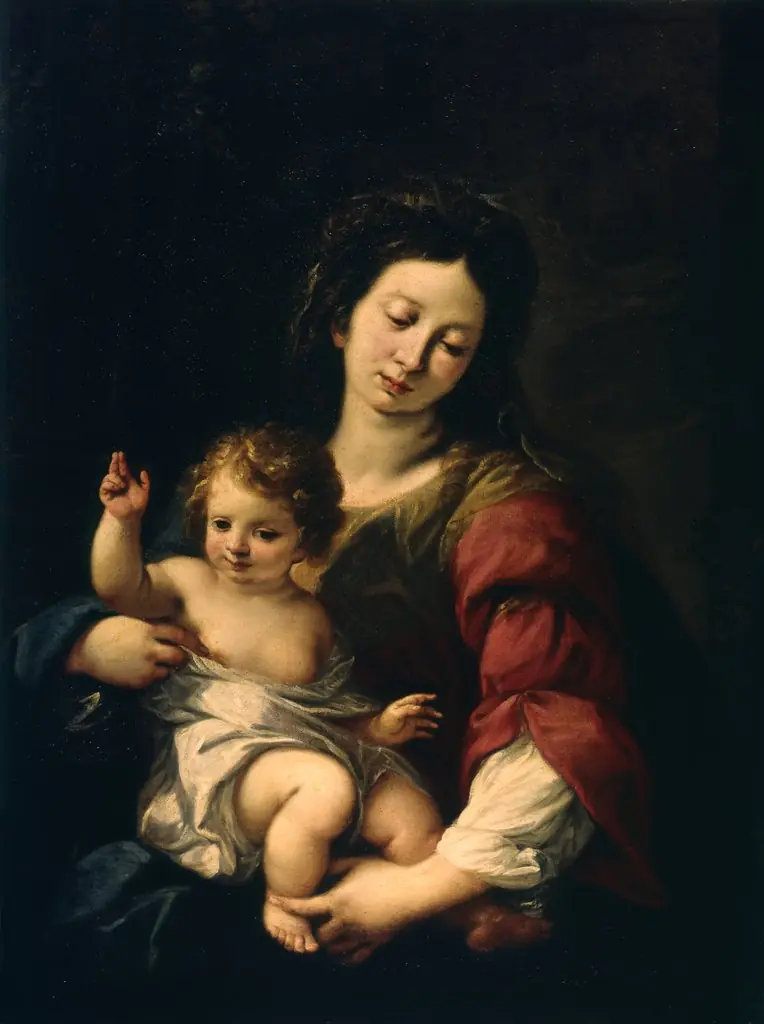 Madonna and Child
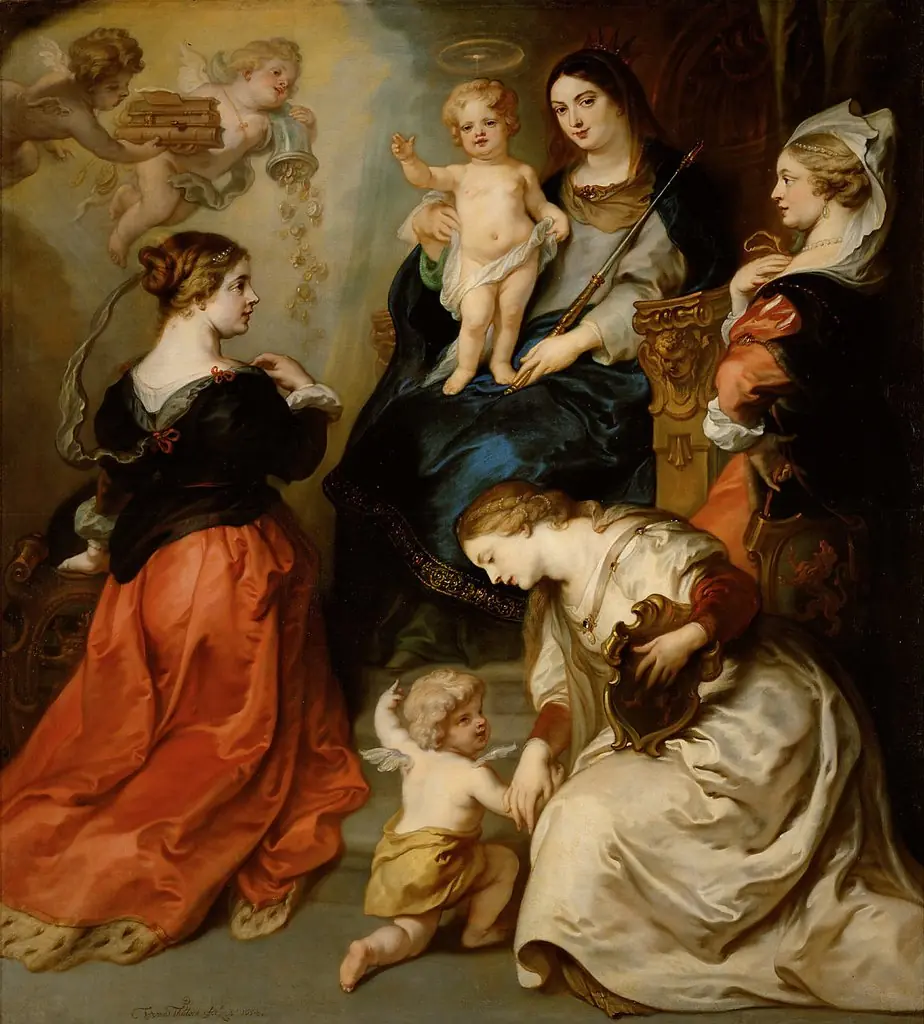 The provinces of Brabant, Hainaut and Flanders pay homage to the Virgin
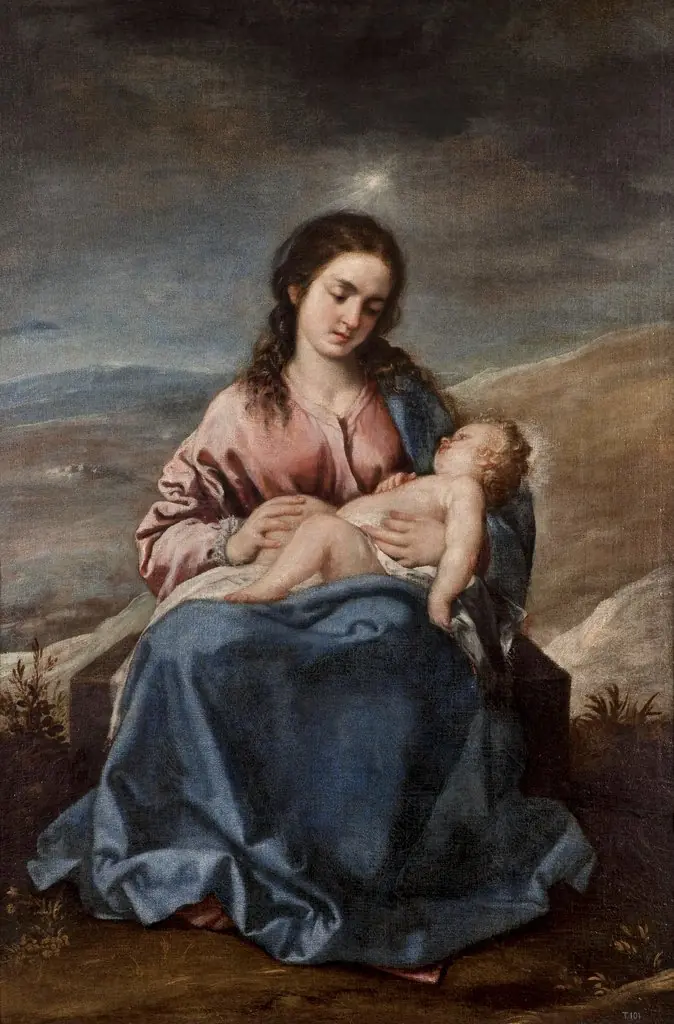 The Virgin of the Star
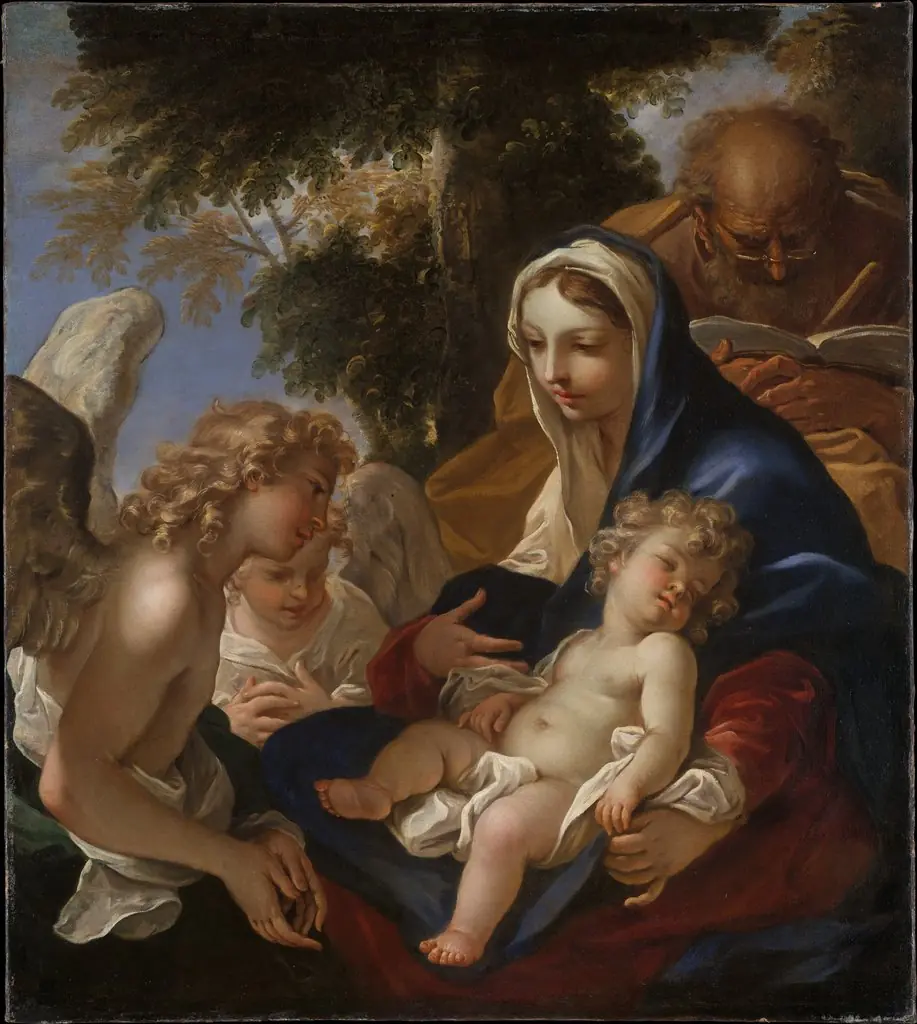 The Holy Family with Angels
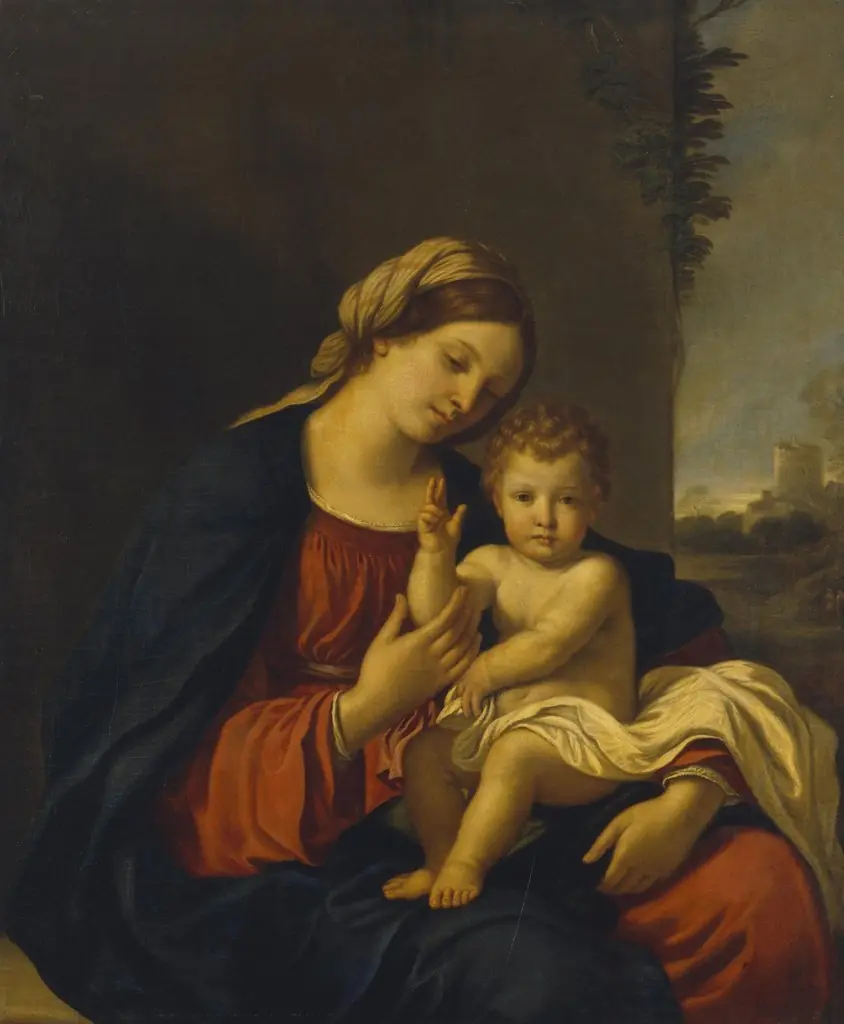 Madonna and Child
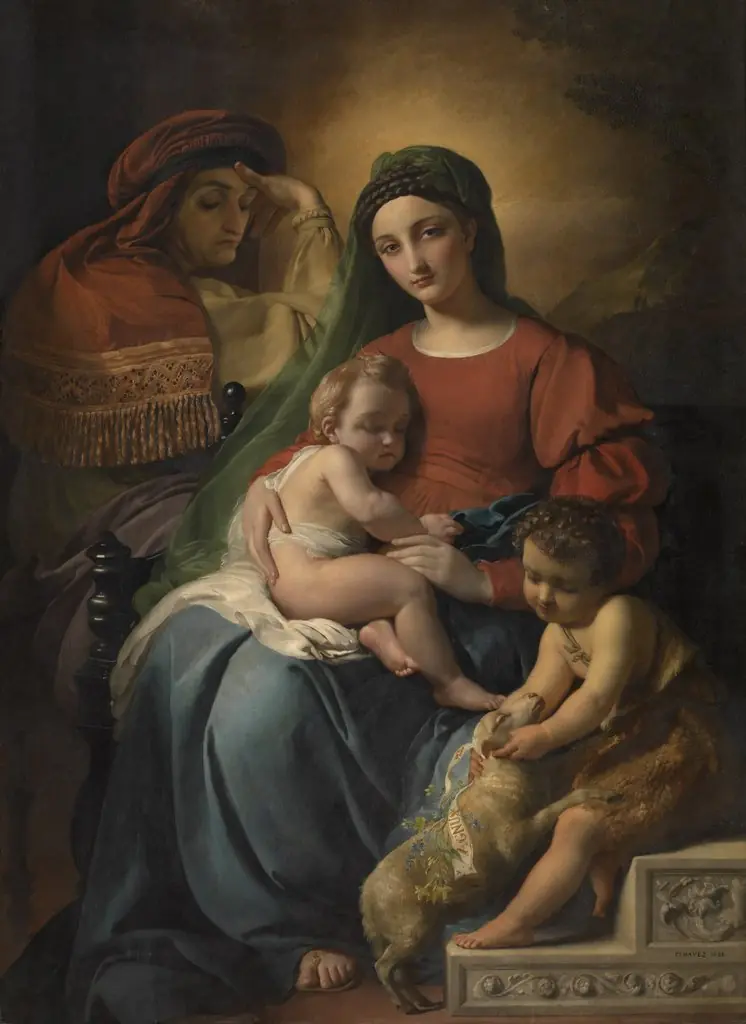 Holy Family with the Infant Saint John the Baptist