Artwork
Holy Family
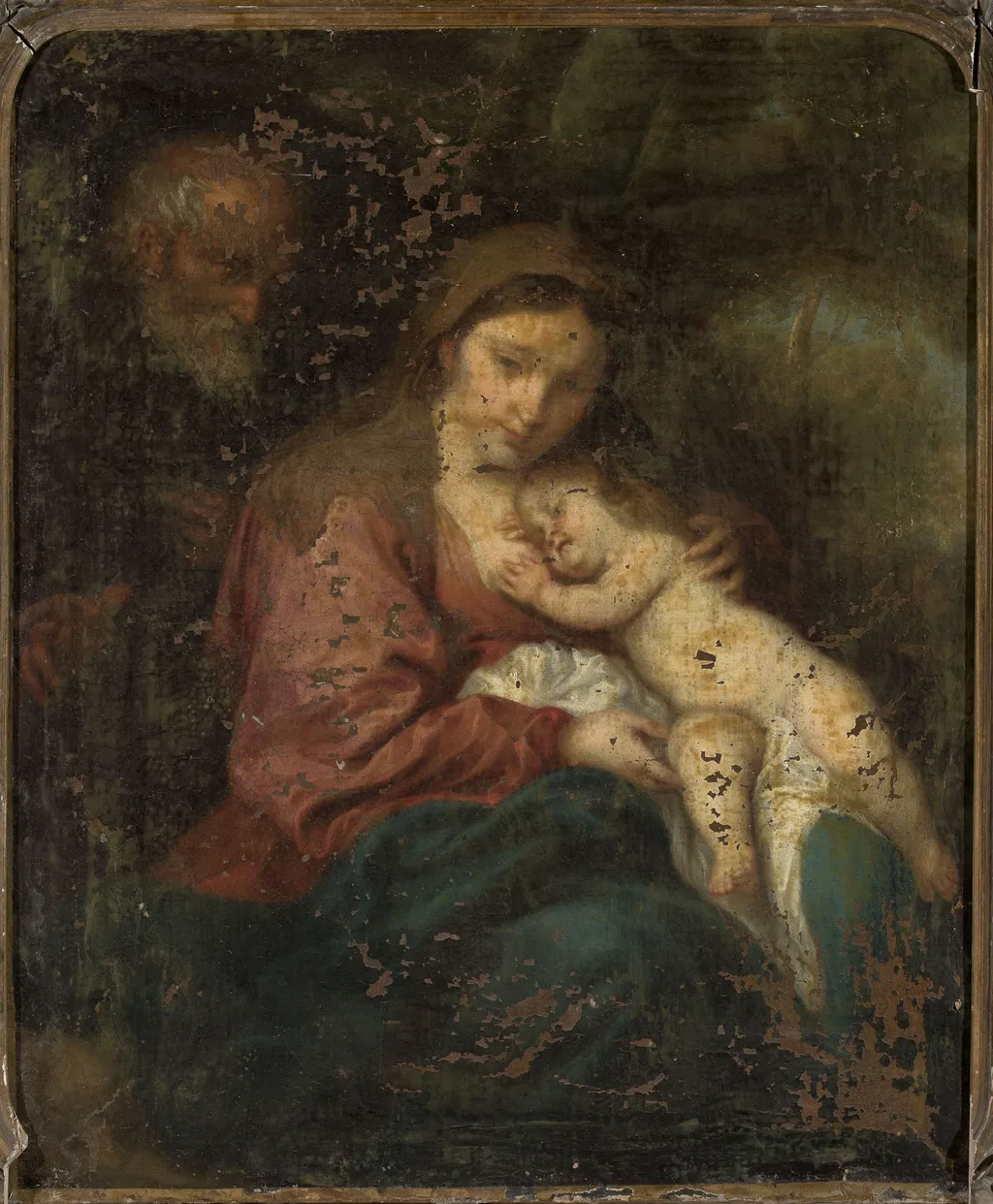
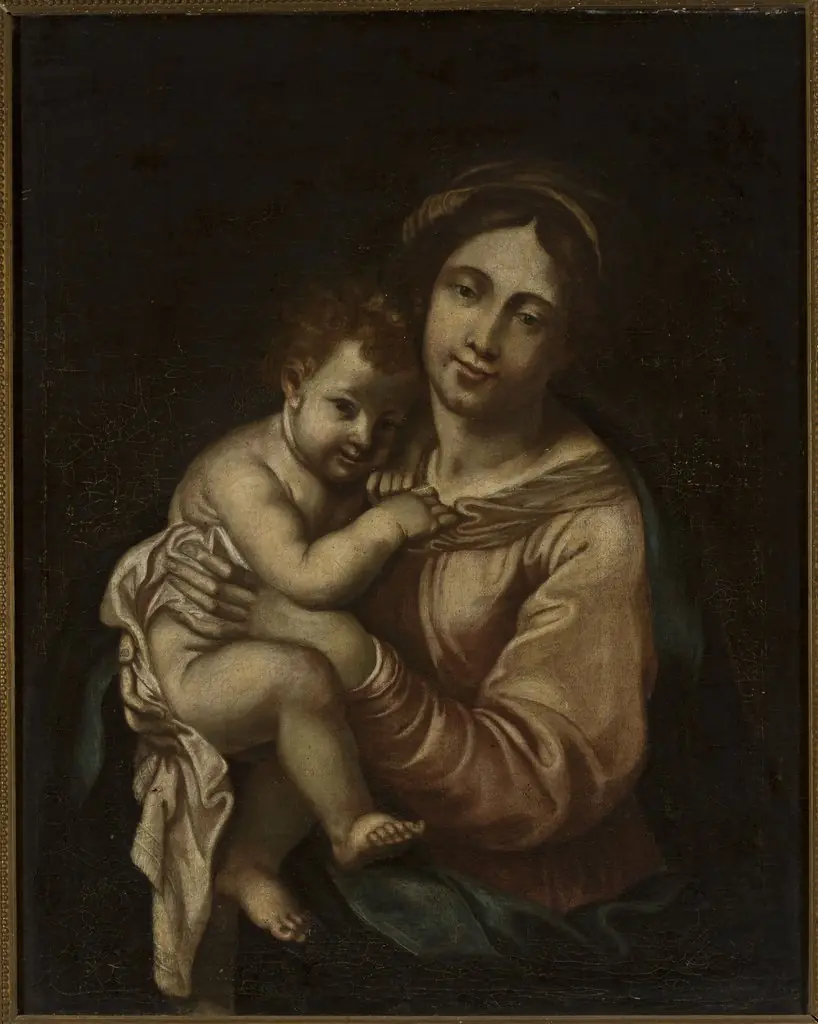
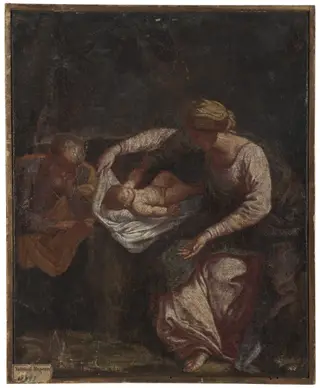
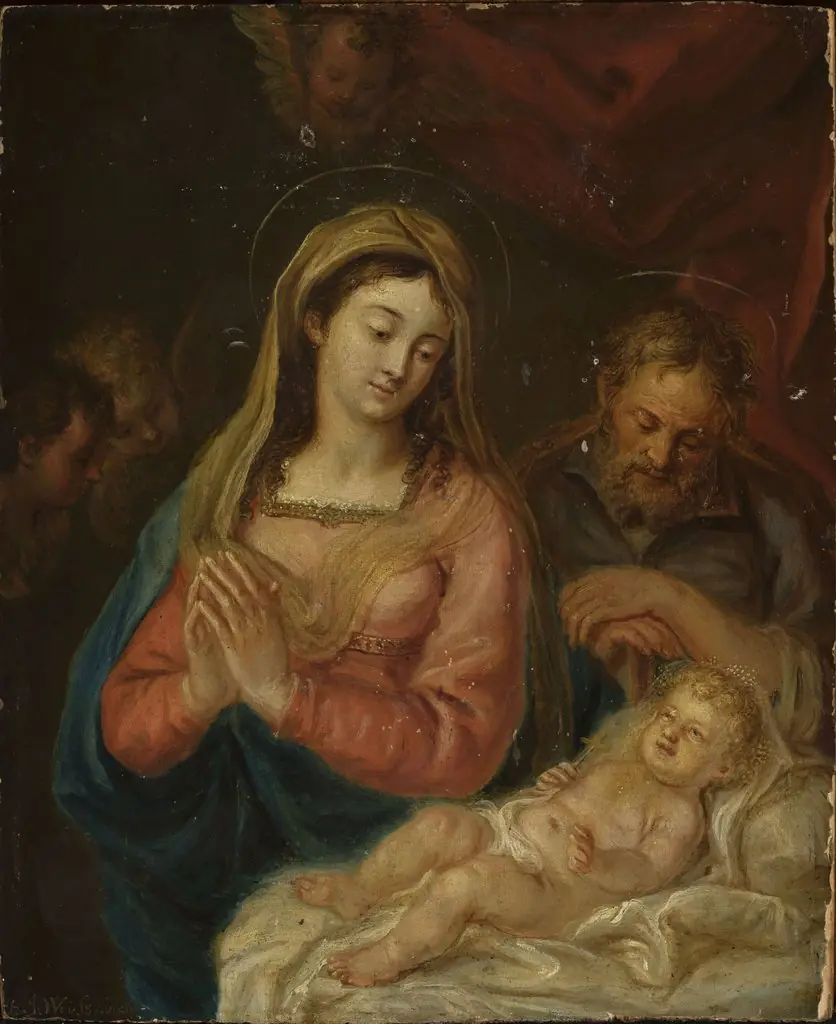
Holy Family is an oil painting by the Flemish Baroque painting artist Anthony van Dyck. It dates from 1630 and is held in the collection of the National Museum in Warsaw.
About this work
Subject & Meaning
The grouping emphasizes the human aspect of the holy figures while maintaining their sacred status through the specific iconography of the family unit.
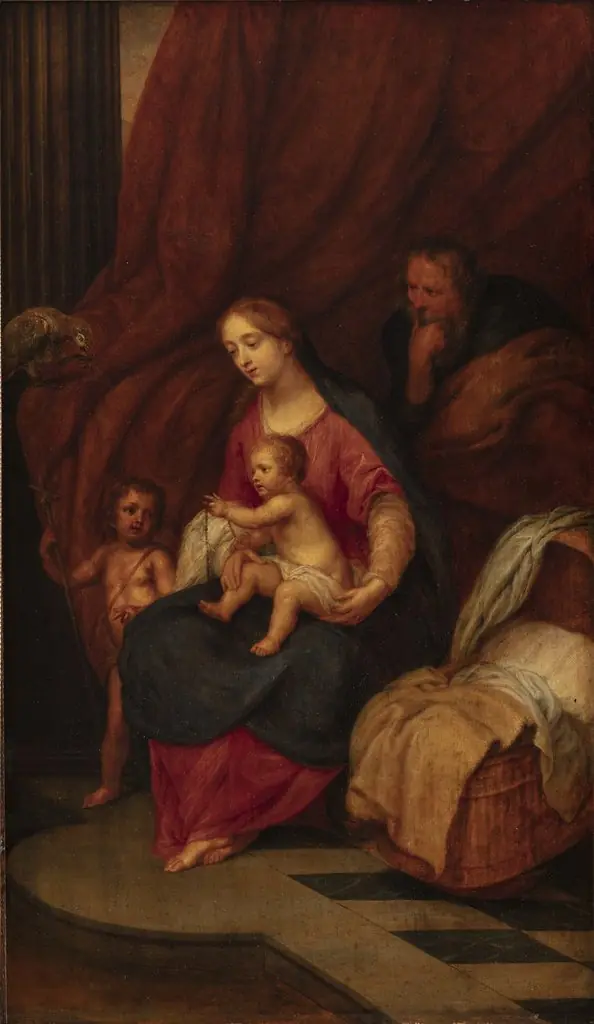
Anthony van Dyck's oil painting depicts the Holy Family, a central subject in Christian religious art. The composition features the Virgin Mary, the Christ Child, and Saint Joseph as the primary figures. By focusing on these three individuals, the work visualizes the domestic life of Jesus and serves as a representation of familial devotion and divine incarnation within the Catholic tradition.
The grouping emphasizes the human aspect of the holy figures while maintaining their sacred status through the specific iconography of the family unit.
Technique & Style
This religious painting by Anthony van Dyck is executed in oil paint on a canvas support. The work measures 77.5 cm in height and 66 cm in width. It depicts the Holy Family, featuring the figures of Mary, the Christ Child, and Joseph. The piece is currently held in the collection of the National Museum in Warsaw.
History & Provenance
The Holy Family painting by Anthony van Dyck is housed in the National Museum in Warsaw, where it is listed under inventory accession details as part of the museum's collection. Its physical dimensions are 77.5 cm in height and 66 cm in width, documented as oil paint on canvas. The work has been featured in exhibitions focused on religious art at the museum, including a 2018 display of Baroque masterpieces from Polish collections.
Context
The Holy Family painting by Anthony van Dyck, created as an oil work on canvas, is classified as a religious painting within the broader corpus of the artist's religious output. It depicts the Virgin Mary, the infant Christ Child, and Saint Joseph, reflecting van Dyck's mastery of devotional subjects during his Antwerp period before his Italian journey. The work's significance is contextualized by its placement within van Dyck's early religious oeuvre, distinct from his later court portraits, and its enduring presence in the National Museum in Warsaw's collection, where it remains part of the museum's established holdings of Flemish Baroque art.
Overview
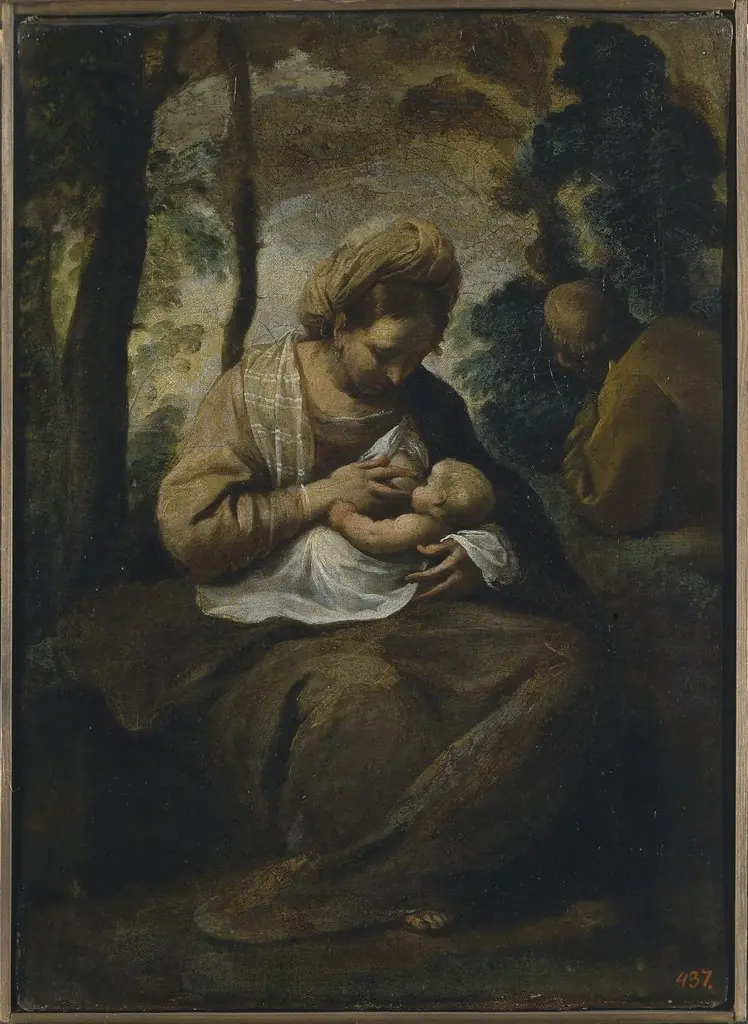
Created circa 1630 by the Flemish painter Anthony van Dyck, this oil on canvas portrays a domestic scene of the Holy Family. The composition centers on a woman cradling a sleeping infant, while a male figure is suggested only by a faint profile in the shadowed background. The work is part of the National Museum’s collection in Warsaw.
Own this work as a print
Artist & collection
Artist
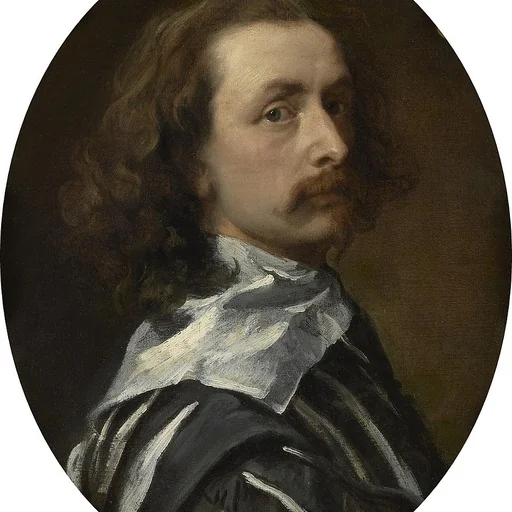
Sir Anthony van Dyck (; Dutch: Antoon van Dijck; 22 March 1599 – 9 December 1641) was a Flemish Baroque artist, who became the leading court painter in England after success in the Spanish Netherlands and Italy.