Artwork
Paul Smith Palmer
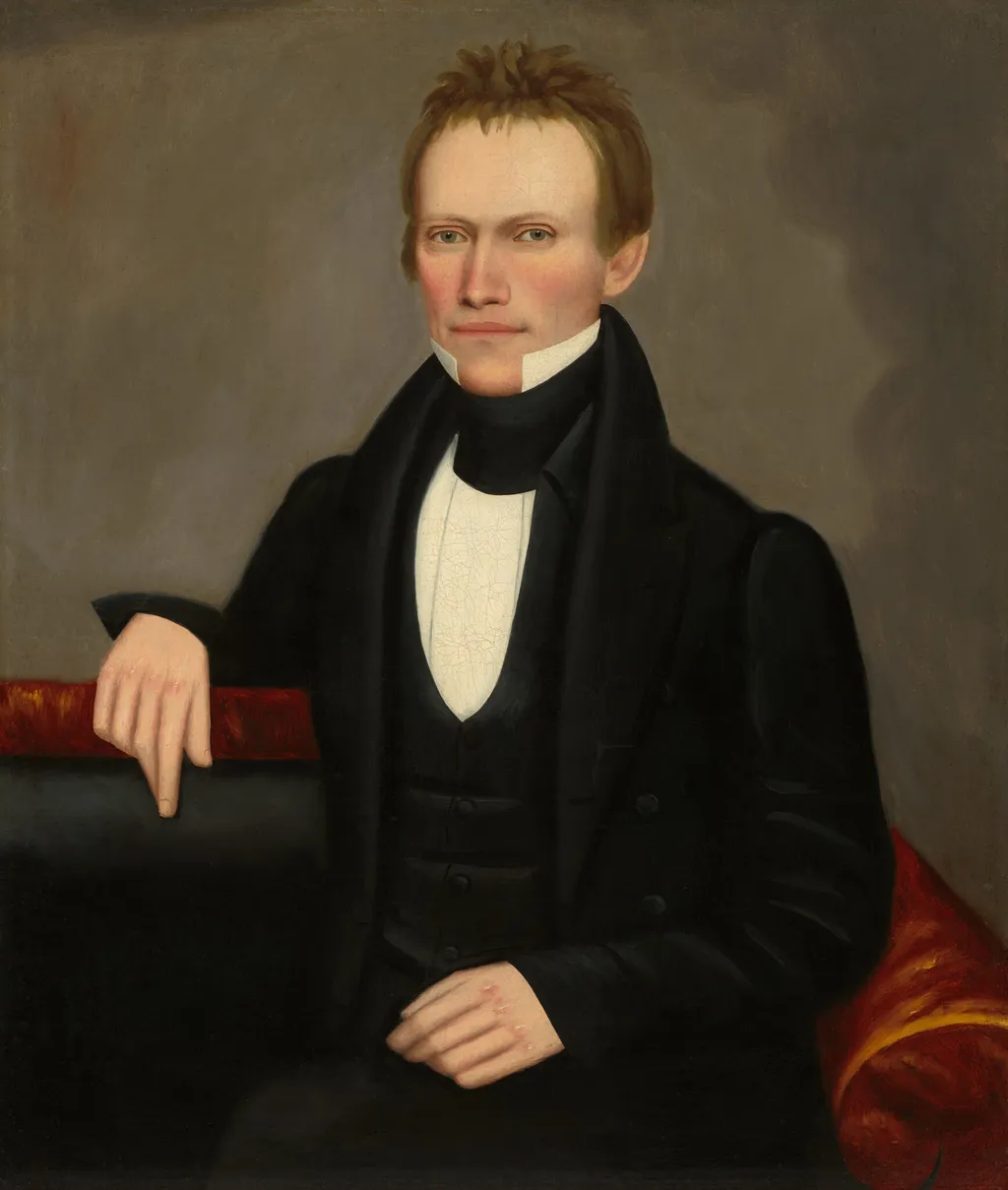
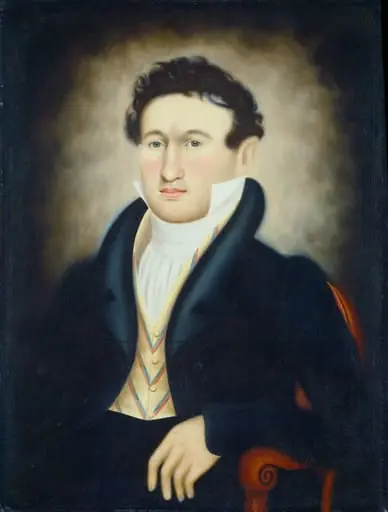
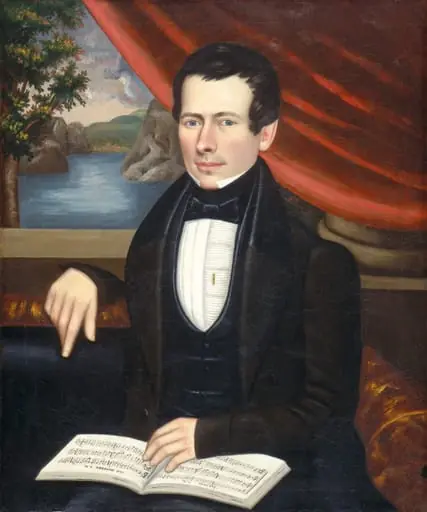
Paul Smith Palmer is an oil painting by the American Folk Art artist Erastus Salisbury Field. It dates from 1836 and is held in the collection of the National Gallery of Art.
About this work
Technique & Style
Formal qualities reflect the stylistic conventions of early American portraiture as embodied by Erastus Salisbury Field.
Oil on canvas painting, rendered in the portrait genre, depicts a sitter descended from Massachusetts family lines. The work measures 86.4 cm in height by 73.4 cm in width and was created in 1835. It entered the National Gallery of Art collection through a 1964 sale from John Esposito to Edgar William and Bernice Chrysler Garbisch, followed by a 1971 gift. Formal qualities reflect the stylistic conventions of early American portraiture as embodied by Erastus Salisbury Field.
History & Provenance
Paul Smith Palmer was painted by Erastus Salisbury Field in 1835, executed in oil on canvas. The portrait is recorded as originating in Massachusetts and descended within the sitter's family to Drewville Jeffery, whose wife was a descendant of the sitter. From Jeffery the work passed to John Esposito, who sold it in 1964 to Edgar William and Bernice Chrysler Garbisch.
The Garbisches subsequently gave the painting to the National Gallery of Art in 1971, where it remains in the collection.
Erastus Salisbury Field painted Paul Smith Palmer in 1835. The work is an oil on canvas portrait held in the National Gallery of Art's collection in Washington, D.C. Its accession number is 1971.141. The painting entered the collection through a gift from Edgar William and Bernice Chrysler Garbisch in 1971.
It was previously owned by John Esposito of Massachusetts and later sold to the Garbischs in 1964 before donation.
Legacy
Paul Smith Palmer is recognized as an early American portrait work whose lineage and preservation at the National Gallery of Art have contributed to scholarly interest in 19th-century New England portraiture. Its documented descent from the sitter’s family to the Garbischs and eventual donation by Edgar William and Bernice Chrysler Garbisch in 1971 underscores its historical continuity and provenance significance. The painting remains part of the National Gallery’s collection in Washington, D.C., where it is studied within the broader context of early American art.
The work’s influence is noted for exemplifying the stylistic traits of Erastus Salisbury Field, an itinerant painter active in the 1830s, and for informing discussions on regional portrait traditions. Its presence in a major institutional collection has facilitated technical and art-historical analysis, reinforcing its role in shaping narratives about early American artistic identity.
Overview
Erastus Salisbury Field’s 1836 oil on canvas portrait, titled Paul Smith Palmer, presents a seated gentleman in formal attire. The composition centers the sitter against a muted backdrop, emphasizing his presence through restrained color and clear delineation of form. The work exemplifies early nineteenth‑century American portraiture, offering a direct visual record of an individual’s appearance and status.
Subject & Meaning
The figure is depicted in a black suit with a crisp white shirt and a black cravat, his short brown hair neatly styled. His right arm rests on a red velvet surface, a subtle touch that adds depth and suggests a degree of comfort. The formal dress and composed pose indicate the sitter’s affiliation with the upper social strata of his community.
Context
Created during the height of American Romanticism, the portrait reflects the era’s interest in personal identity and the moral weight of the individual. While not overtly dramatic, the work’s focus on a dignified, respectable figure aligns with contemporary values that celebrated personal achievement and social standing within a rapidly expanding nation.
Own this work as a print
Artist & collection

- Henry Teller
 Portrait of a Gentleman
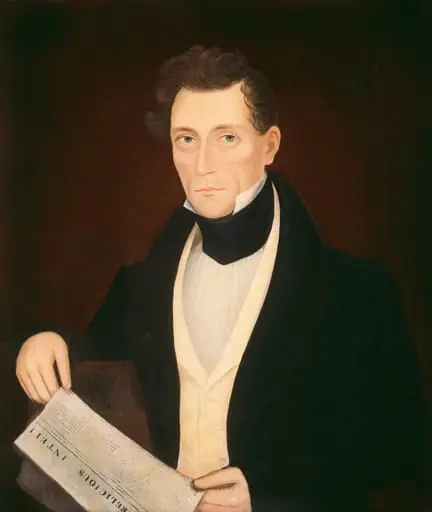 Mr. Day
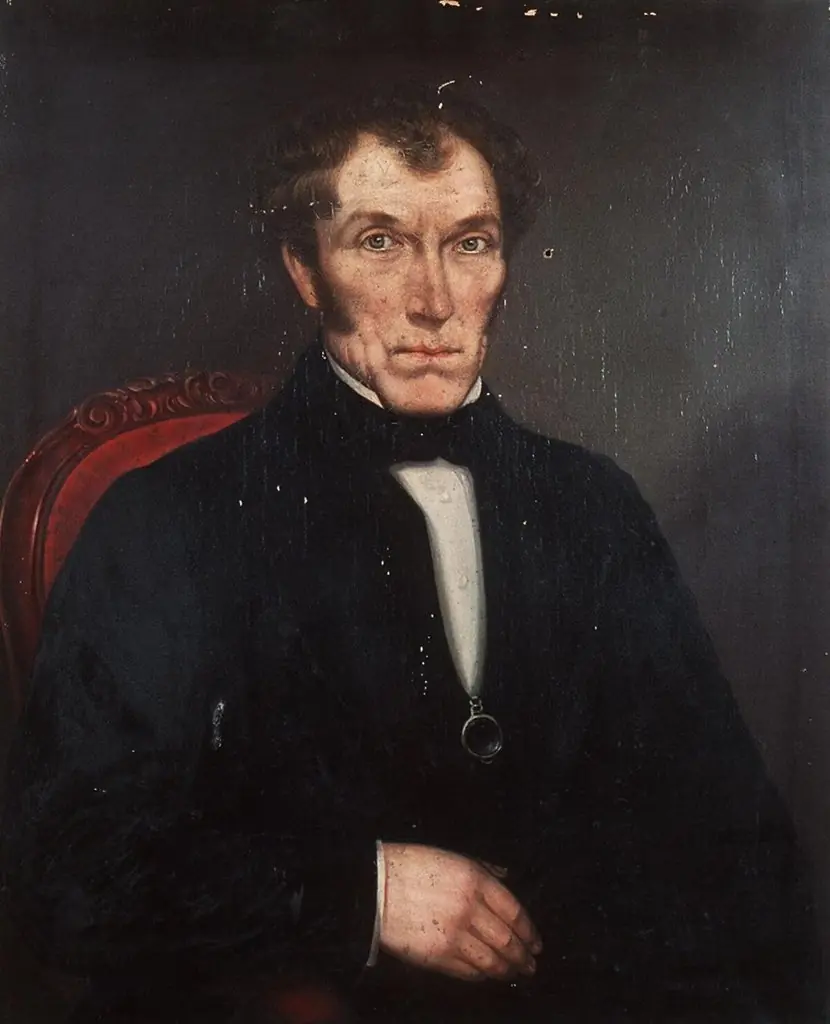 Father of John Parry Jones
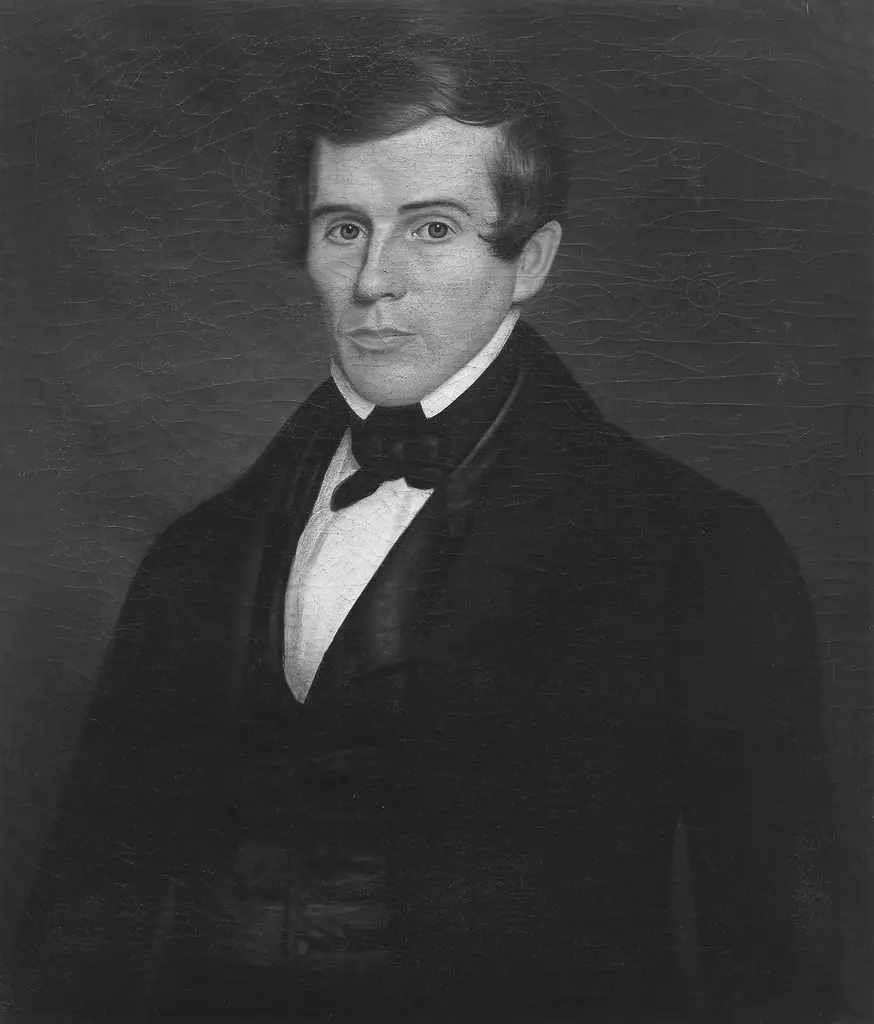 Samuel Henry Peckham
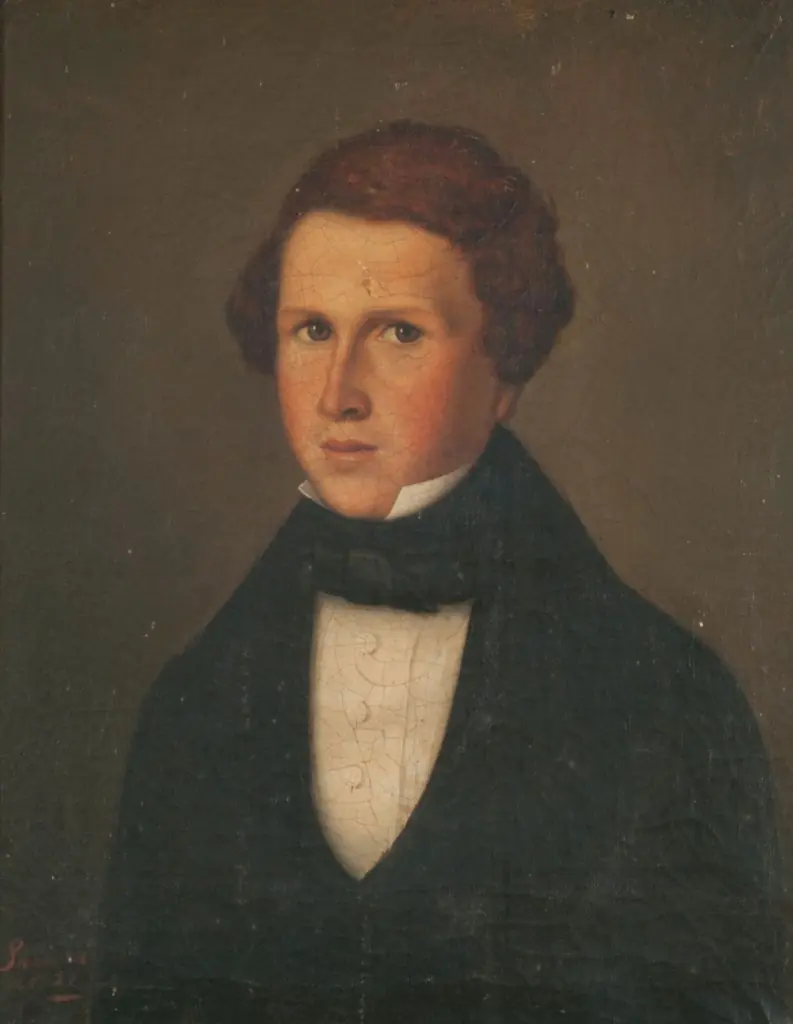 Retrato de Guillermo Rawson
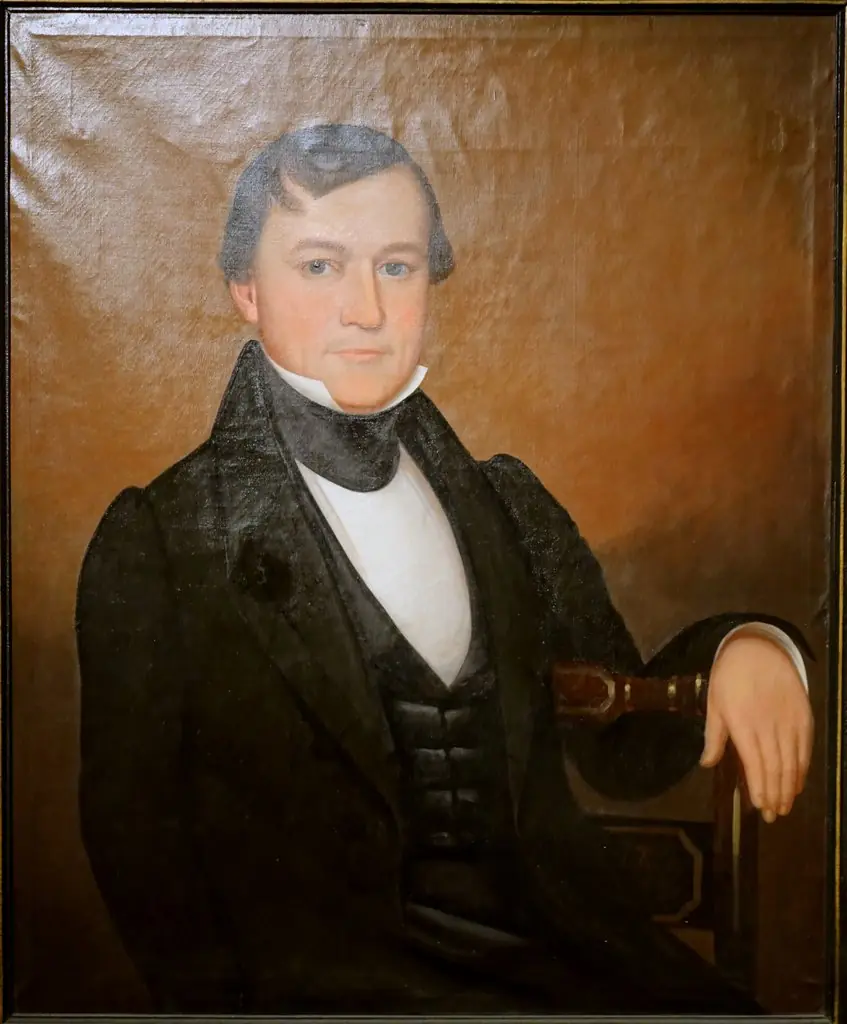 Portrait of Abraham Prescott Jr.
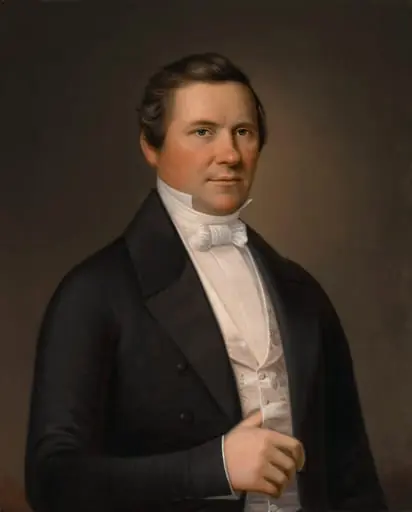 Johan Lindroos nuorena.
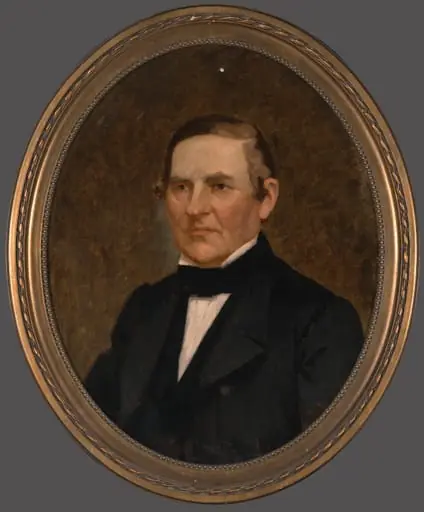 Johan Lindroos vanhana.
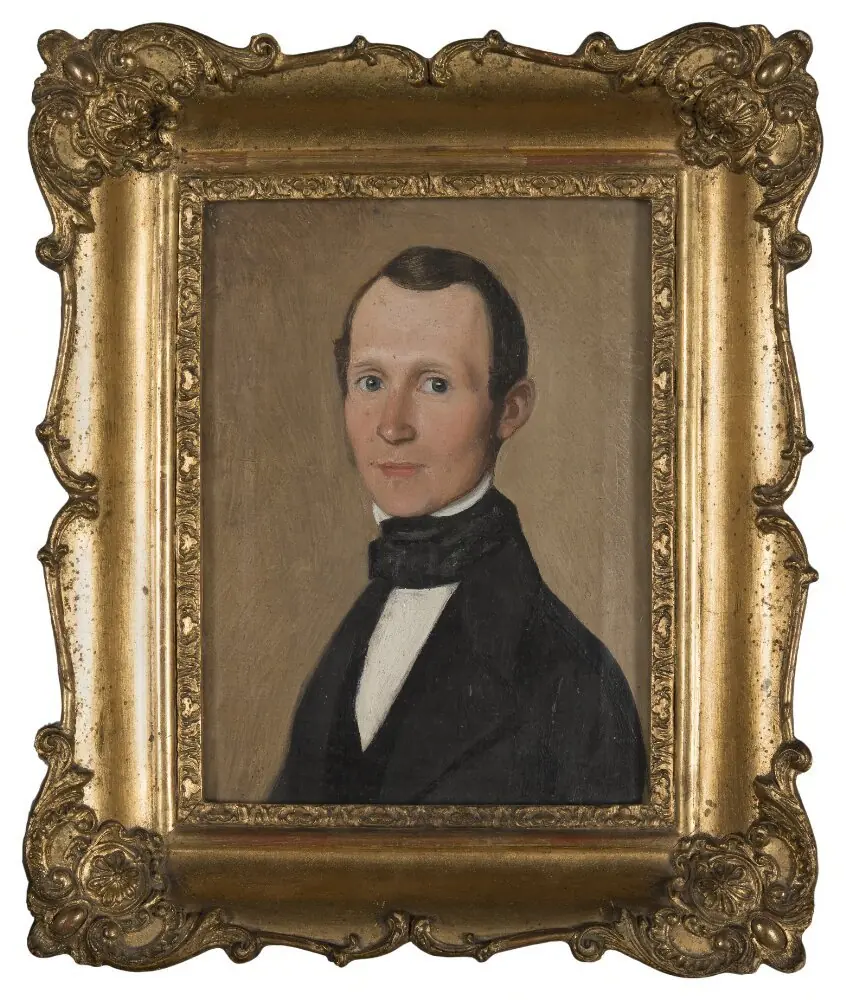 Fredrik Signeul (1810 - 1890), Paint Manufacturer, Director of an Orphanage in Uddevalla
 John G. Read
 Profile Portrait of a Man