Artwork
Self-portrait
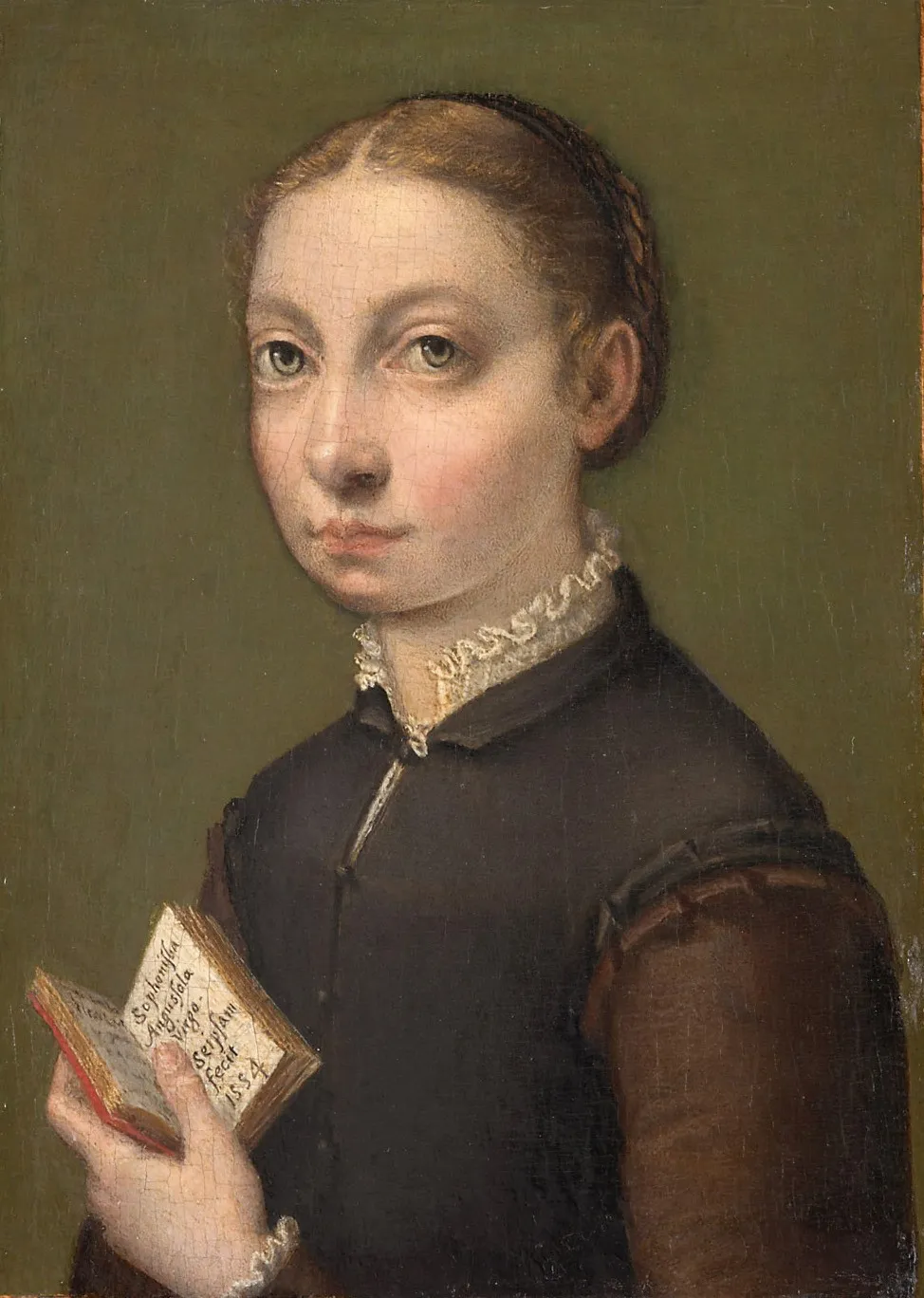
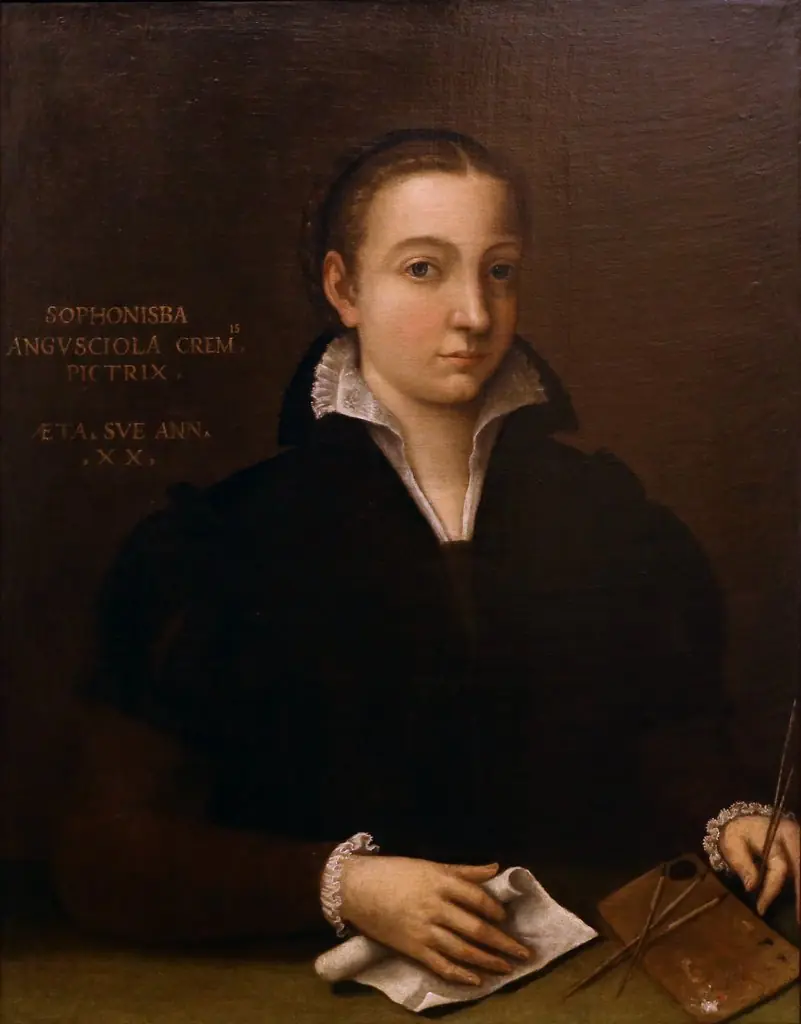
Self-portrait is an oil painting by the Early Baroque Italian artist Sofonisba Anguissola. It dates from 1554 and is held in the collection of the Kunsthistorisches Museum.
About this work
The portrait shows the young woman with a book, a detail that helps us see how she marked the year of its creation.
Self‑portrait is a small oil‑on‑panel work painted by the Italian artist Sofonisba Anguissola. It dates from 1554 and the artist signed and dated it on the open book she holds. The painting is now part of the collection at the Kunsthistorisches Museum in Vienna.
The portrait shows the young woman with a book, a detail that helps us see how she marked the year of its creation.
Look up the museum: Kunsthistorisches Museum.
Subject & Meaning
The 1554 Self-portrait presents Sofonisba Anguissola as a chaste, educated young woman whose modest attire and plain white collar signal virtue rather than ornament. Her austere hairstyle and the absence of jewels underscore restraint, while a single loose curl beside the ear introduces a restrained note of femininity. The open book she holds anchors the composition, grounding the image in the act of self-representation and learning.
The artist’s direct, steady gaze establishes an intimate dialogue with the viewer, and the round, clear eyes reflect an ambition to engage through the act of painting itself. Anguissola’s father later explained that inaccuracies in the hand arose because the image was made by looking in a mirror, a process that underscored both the sincerity of the experiment and its technical challenges.
Technique & Style
The work is an oil painting on wooden panel, measuring 19.5 cm in height and 12.5 cm in width, created in 1554. It depicts Sofonisba Anguissola in bust form against a dark green background, holding an open book in her left hand. The portrait shows her with clear, round eyes, a frank gaze, a strong-willed chin, an austere hairstyle, and modest dress without jewelry, save for a small curl beside the ear that introduces a note of femininity. The collar of her light white shirt appears in soft folds at the neck. The painting was executed while Anguissola viewed herself in a mirror, resulting in a slightly deformed hand. These characteristics align with the simplicity and modesty described in contemporary accounts and reflect an early phase of her artistic development, preceding works such as The Chess Game (1555). The work has been part of the Kunsthistorisches Museum's collection since at least the 19th century, previously thought to portray Isabella Clara Eugenia but later confirmed as Anguissola's self-portrait through archival research by Venturi in 1885.
History & Provenance
Sofonisba Anguissola's self-portrait is signed and dated 1554 on the open book held by the artist. The work was created as a gift: in March 1556, Anguissola's father sent the self-portrait to Ercole II d'Este, Duke of Ferrara, intended for the duke's daughter Lucrezia. The painting later entered imperial collections through Cardinal Alessandro d'Este, who gave several of his paintings to Rudolf II, Holy Roman Emperor, in 1603-1604; art historians accept that this self-portrait was among them, though no inventory of the gift survives. By the 19th century, the painting hung in Vienna's Belvedere Gallery, where it was correctly attributed to Anguissola but misidentified as a portrait of Infanta Isabella Clara Eugenia. The small oil-on-panel work is now held by the Kunsthistorisches Museum in Vienna. The self-portrait is held in the collection of the Kunsthistorisches Museum in Vienna. During the nineteenth century, the work was exhibited at the city's Belvedere Gallery. At that time, it was misidentified as a portrait of Infanta Isabella Clara Eugenia, a theory supported by Flavio Carioli, before Adolfo Venturi correctly re-attributed it in 1885 based on historical correspondence. Venturi theorized that the painting entered the imperial collection after Cardinal Alessandro d'Este gifted artworks to Holy Roman Emperor Rudolf II between 1603 and 1604. Although no surviving inventory confirms the specific transfer, this provenance hypothesis is widely accepted by art historians.
Context
Scholars identify this 1554 panel as Anguissola’s earliest known self-portrait and a foundational work within her oeuvre of female self-representations that circulated in European courts. The painting’s reception was shaped by Adolfo Venturi’s 1885 archival discovery of a 1556 letter from the artist’s father to Duke Ercole II d’Este, which accompanied the panel, intended for the duke’s daughter, and a Cleopatra after Michelangelo. Venturi further traced the work’s arrival in Vienna via Cardinal Alessandro d’Este’s gift to Emperor Rudolf II in 1603-04, a hypothesis widely accepted despite the absence of a contemporary inventory. Art historians note the portrait’s modest scale and restrained composition, aligning it with Lombard naturalism associated with Leonardo’s Milanese circle. Its plain attire and direct gaze were read as virtues of feminine virtue and candor, themes that recur in Anguissola’s later self-images such as the Self-Portrait at a Spinet in Naples.
Artist & collection
Artist
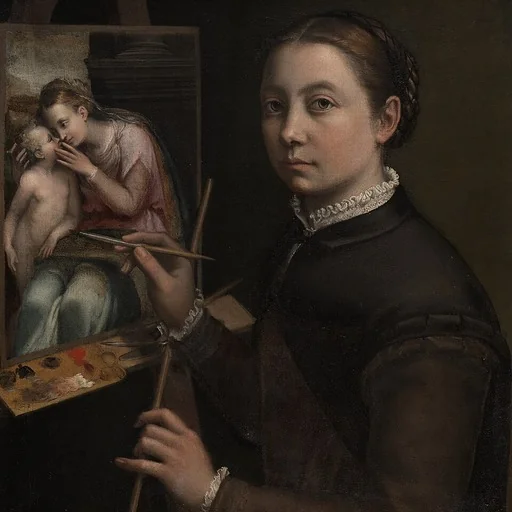
Sofonisba Anguissola (also Sophonisba Angussola or Anguisciola; c. 1532 – 16 November 1629) was an Italian Renaissance painter born in Cremona to a relatively poor noble family. She received a well-rounded education…

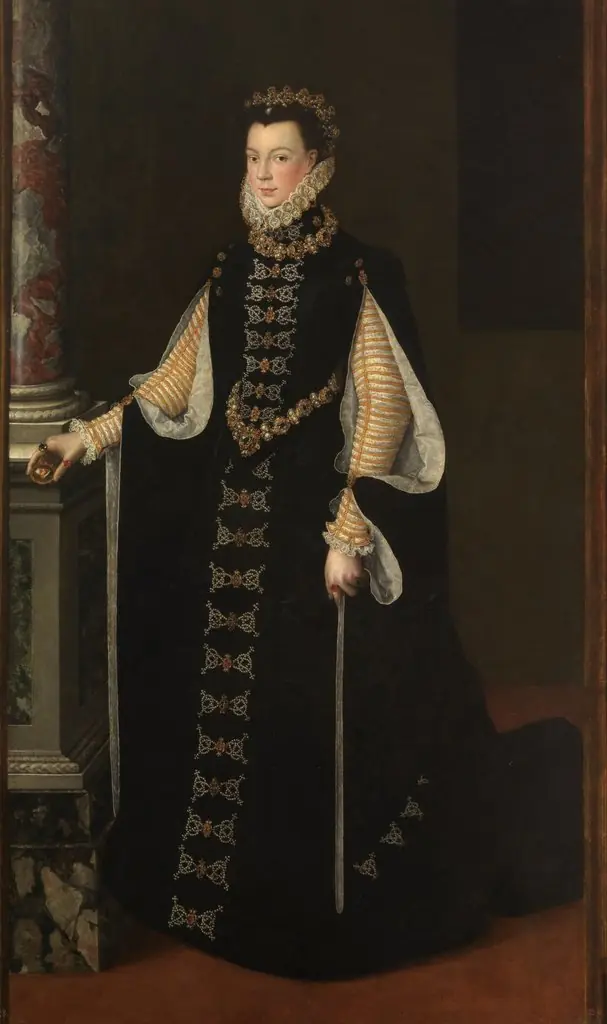
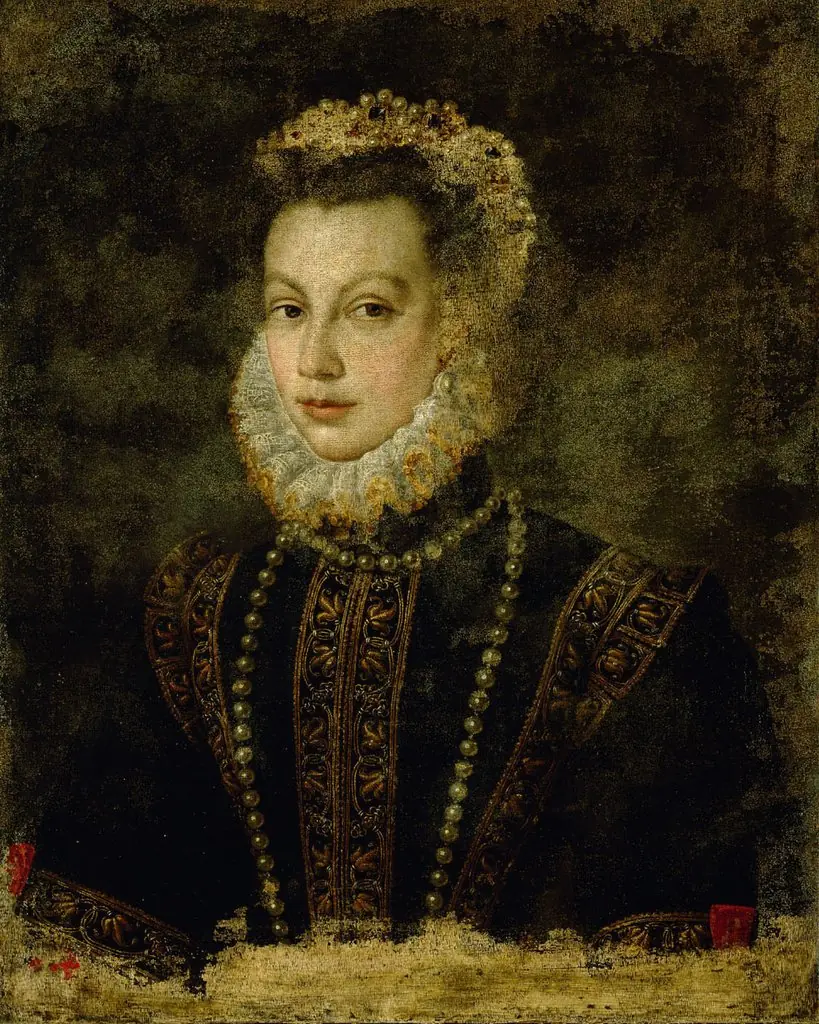
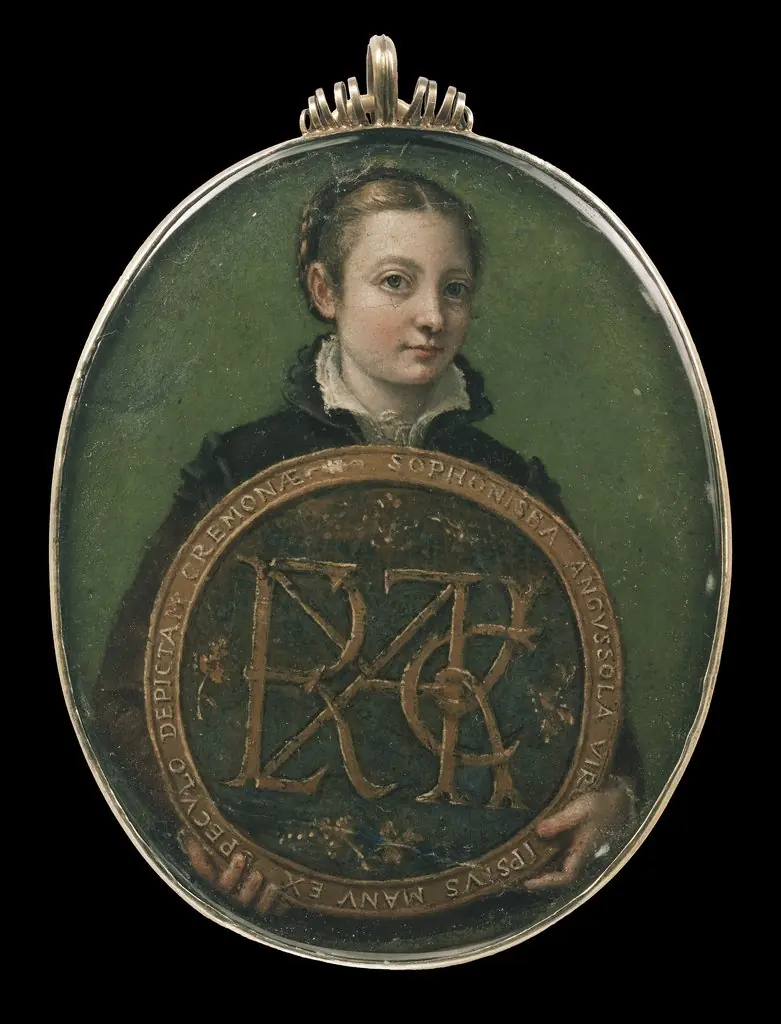
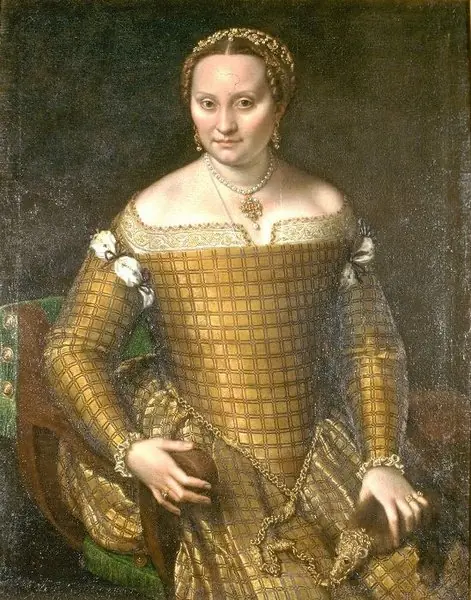
- Portrait of a Woman
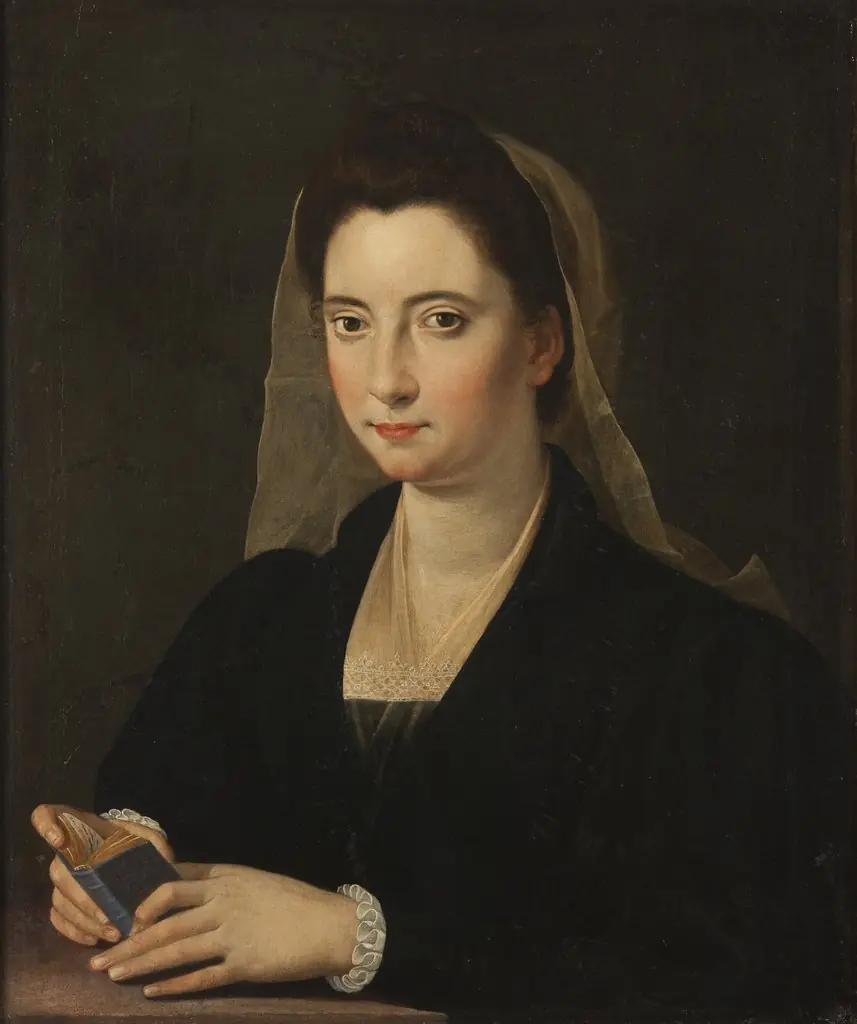 Young Lady, called Lucrezia Cenci
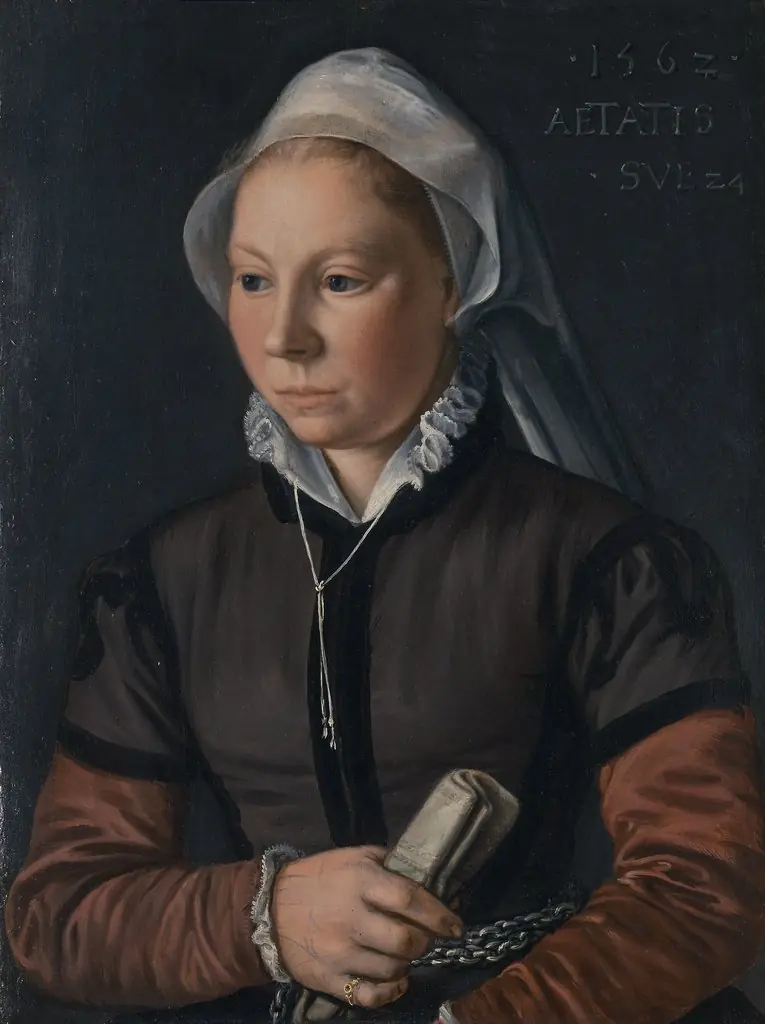 Portrait of a Young Woman
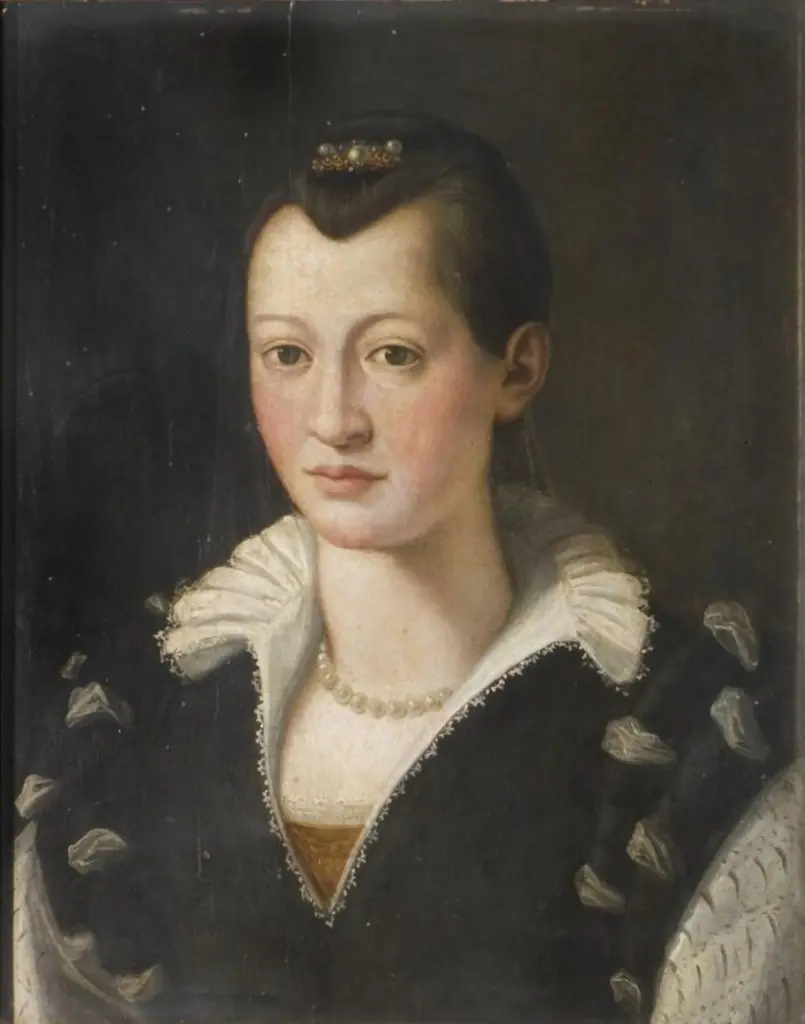 Portrait of a Lady in a Black Dress
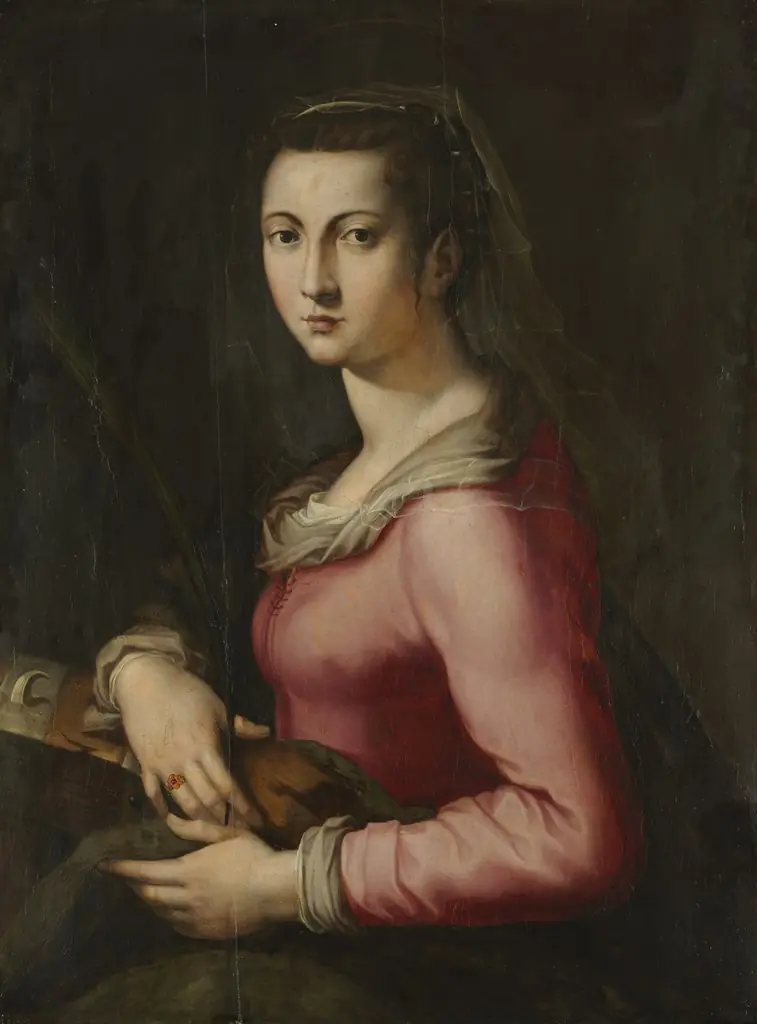 Portrait of a Woman as Saint Catherine
 Portrait of a Young Woman
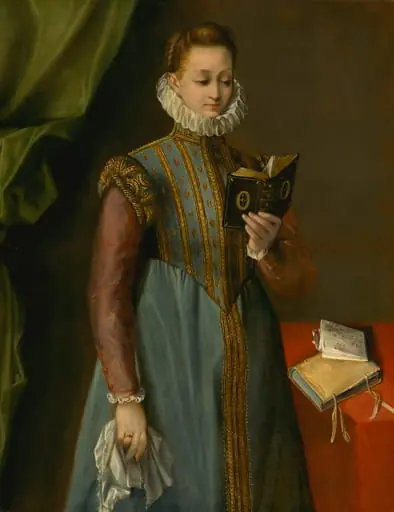 Quintilia Fischieri
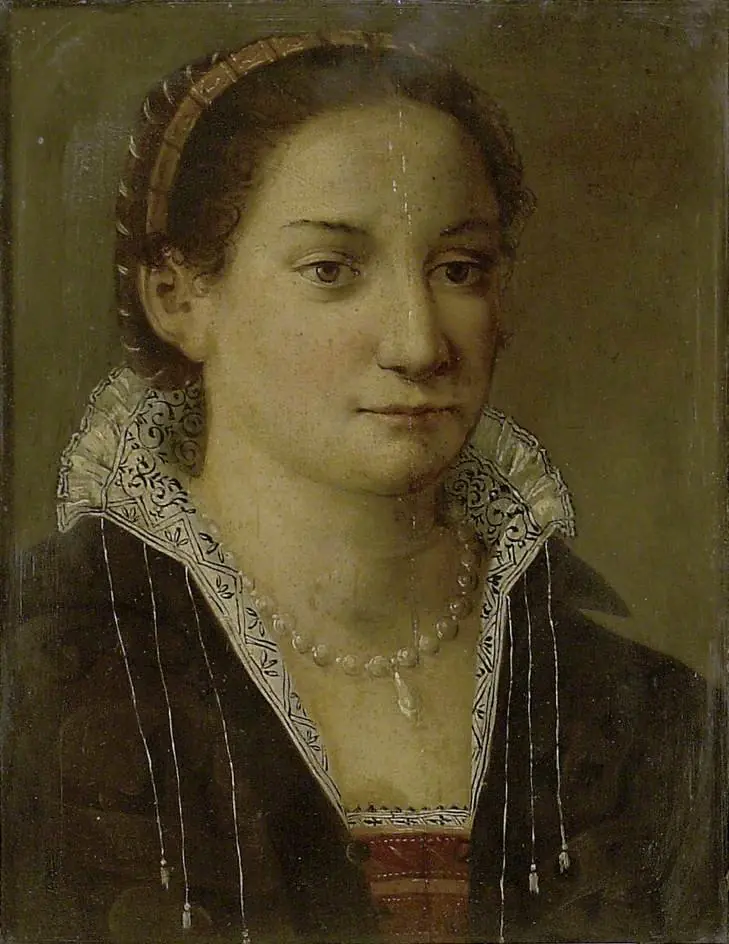 Portrait of a Woman
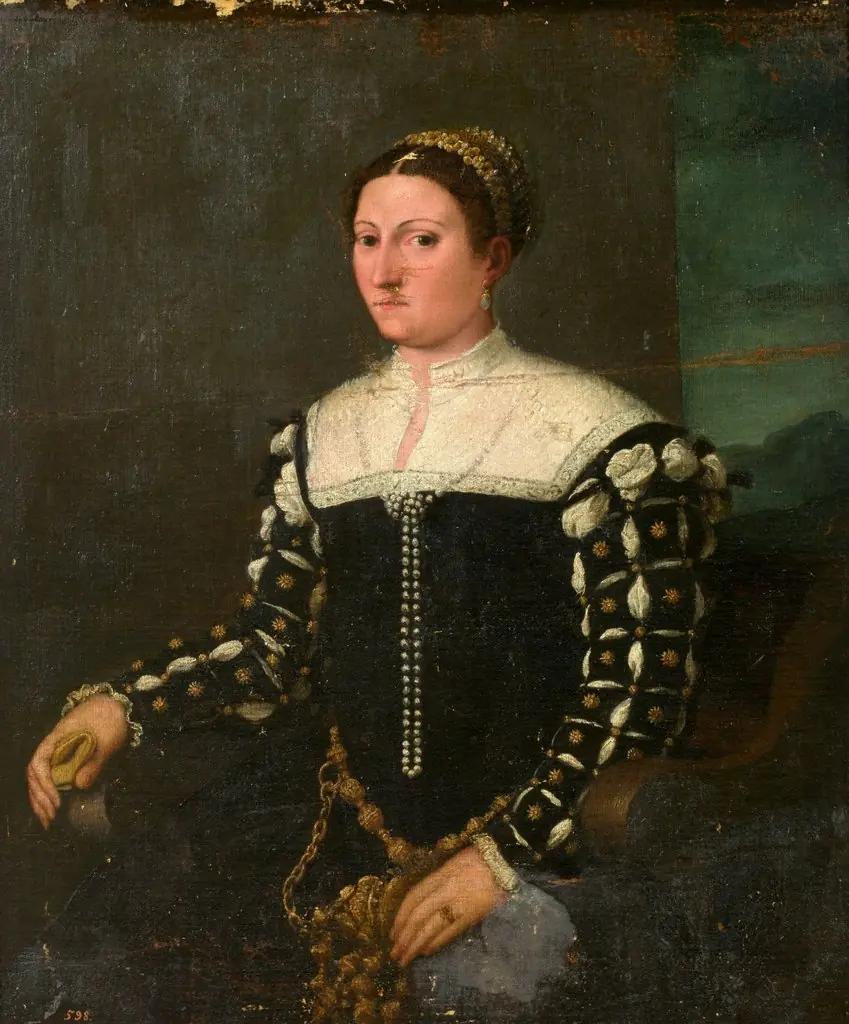 Portrait of an unknown woman
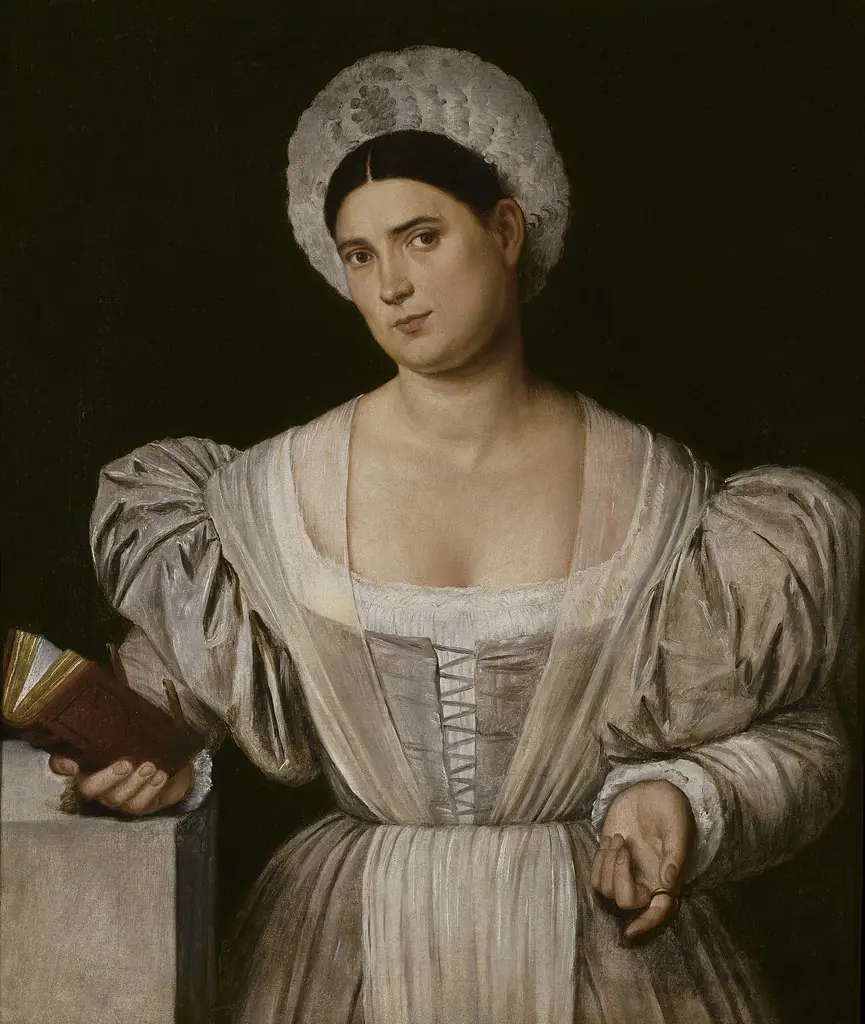 Portrait of a Woman (Agnese, the painter’s sister-in-law?)
 Self-portrait
 Portrait of a Young Lady