Artwork
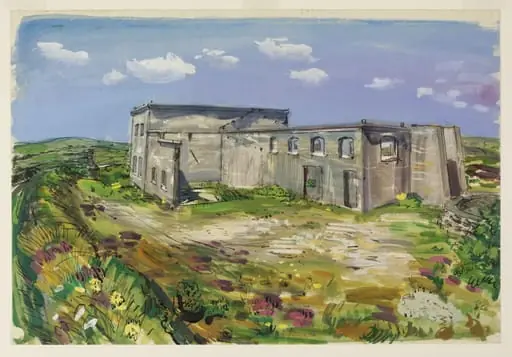
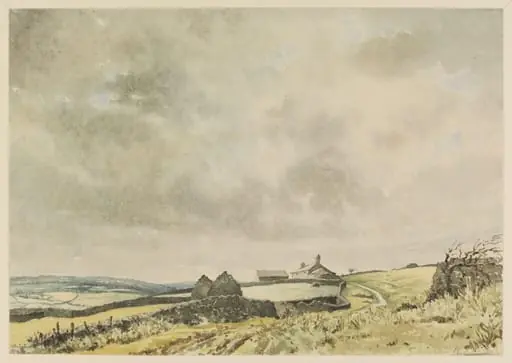
Deserted Tin Mine, Little Biryn, Roche
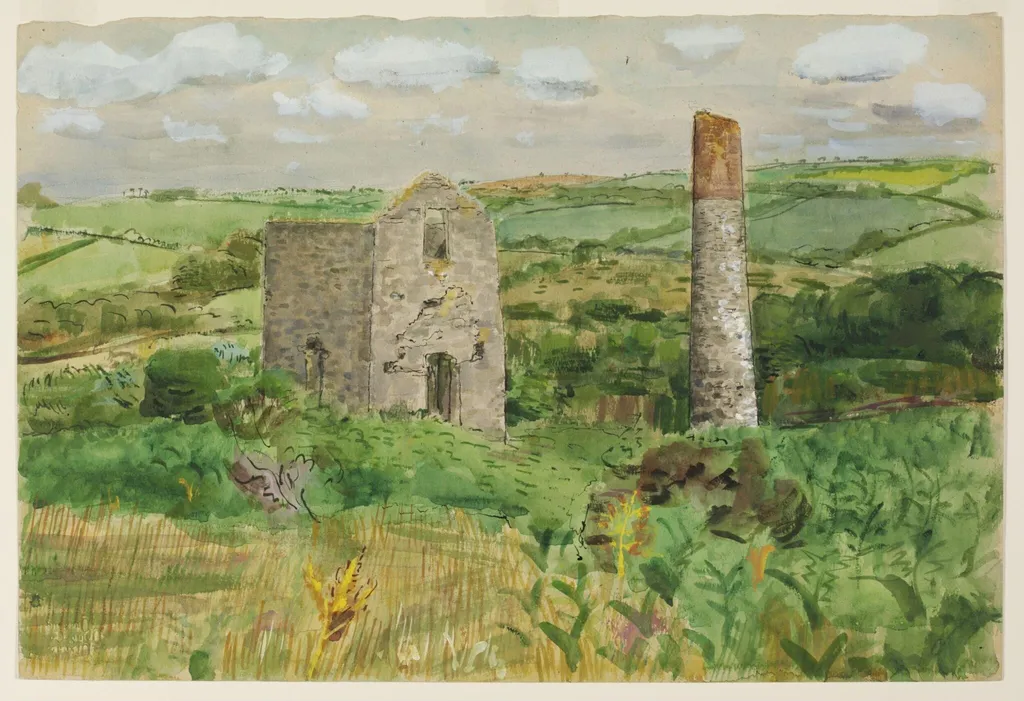
Deserted Tin Mine, Little Biryn, Roche is a watercolor work on paper by the Regionalist artist Spear. It dates from 1940 and is held in the collection of the Victoria and Albert Museum.
About this work
Overview
The piece belongs to a larger archive of over 1,500 drawings and paintings commissioned by the V&A and the Pilgrim Trust.
Created in 1940, this watercolour by Spear captures the ruins of a disused tin mine near Roche in Cornwall. Part of the 'Recording Britain' initiative, the work was produced during the Second World War as a deliberate effort to preserve visual records of landscapes and structures at risk from wartime disruption and social change. The piece belongs to a larger archive of over 1,500 drawings and paintings commissioned by the V&A and the Pilgrim Trust.
Subject & Meaning
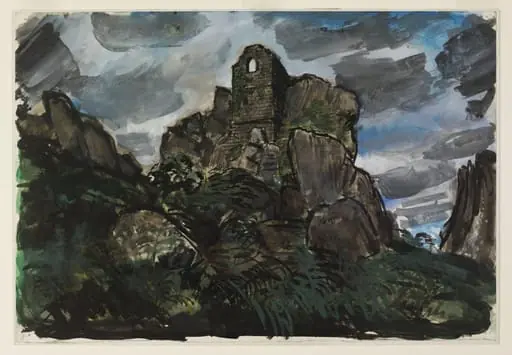
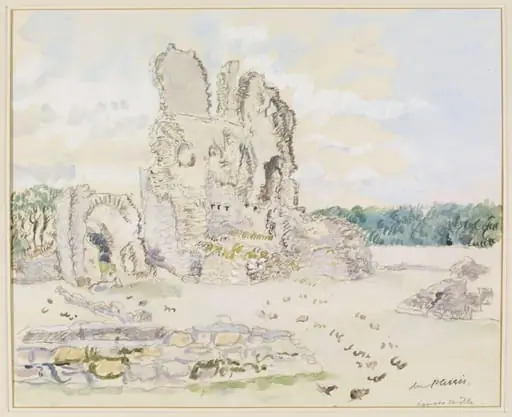
The scene centers on the decaying stone engine house and rusted chimney stack of a once-active mine, now abandoned amid overgrown fields. A small rabbit near the lower right corner subtly suggests nature reclaiming human infrastructure. The image conveys quiet loss, not through dramatic destruction, but through stillness and neglect, reflecting broader anxieties about the erosion of rural heritage during wartime.
Technique & Style
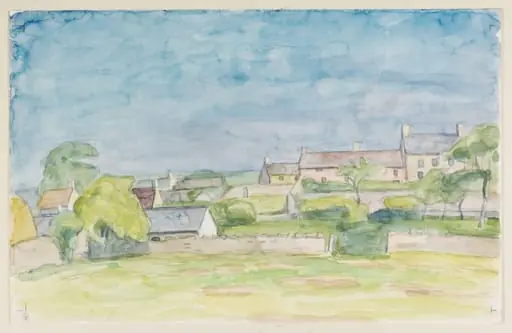
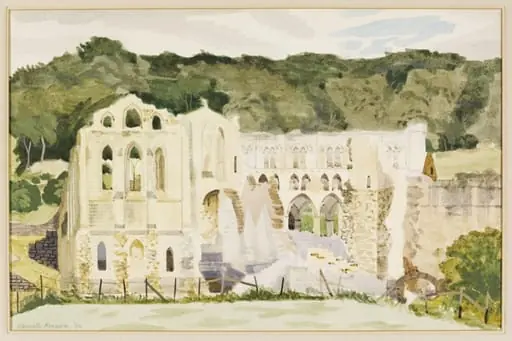
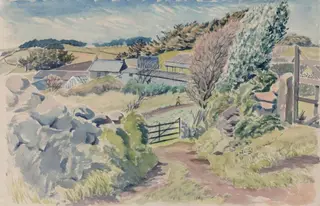
Spear employed loose, fluid brushwork to suggest texture in the grass, stone, and metal. The palette is restrained, dominated by muted greens, earthy browns, and pale blues in the sky. Washes of watercolour create soft transitions between elements, while dry brushstrokes add grit to the ruins.
The composition avoids grandeur, focusing instead on intimate, unembellished detail, characteristic of the Recording Britain project’s documentary ethos.
History & Provenance
Commissioned in 1940 under the direction of Sir Kenneth Clark, the painting was one of hundreds produced by artists across Britain to document at-risk sites. Spear’s work entered the Victoria and Albert Museum’s collection as part of the official Recording Britain archive, which was assembled between 1940 and 1943. The project’s holdings remain a key resource for understanding Britain’s mid-20th-century material culture.
Context
The Recording Britain project emerged amid fears that wartime bombing and economic shifts would erase vernacular architecture and rural landscapes. Artists were sent to regions undergoing decline, including mining areas like Cornwall, where industrial activity had waned. This painting is one of many that record the quiet obsolescence of industrial relics, offering a counter-narrative to wartime propaganda focused on resilience and progress.
Legacy
The Recording Britain collection endures as a vital historical archive, preserving visual records of places that have since vanished or changed beyond recognition. Spear’s watercolour, like others in the series, continues to inform studies of industrial heritage and wartime cultural policy. Its modest scale and unadorned realism have contributed to its lasting value as a document of everyday loss rather than heroic endurance.
Artist & collection