Artwork
St Pontianus (wing of a polyptych)
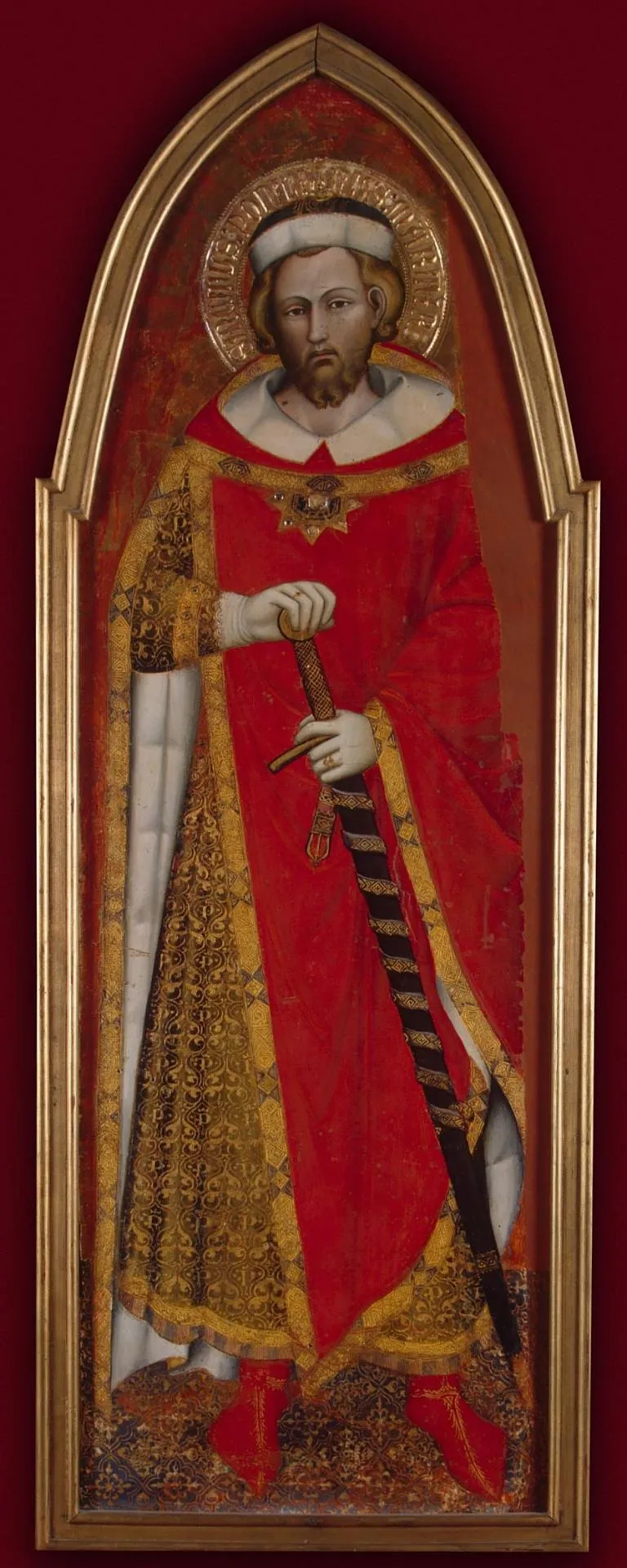
St Pontianus (wing of a polyptych) is a tempera painting by the Italo Byzantine artist Spinello Aretino. It dates from 1392 and is held in the collection of the Hermitage Museum.
About this work
Overview
St Pontianus is a panel painting created by the Italian artist Spinello Aretino in 1383.
St Pontianus is a panel painting created by the Italian artist Spinello Aretino in 1383. Executed in tempera on a poplar panel, the work measures 130 by 41.5 centimeters. It originally functioned as a wing of a larger polyptych. The painting entered the State Hermitage Museum in Saint Petersburg, Russia, in 1910, transferred from the State Russian Museum, and remains part of the Hermitage collection today under inventory number GE-275.
Subject & Meaning
The work depicts Saint Pontianus as a full-length male figure standing frontally within a tall, pointed Gothic arch frame bordered by gilding. A circular gold halo with embossed lettering surrounds his head, identifying the sacred figure. Pontianus wears a white cap and collar, a voluminous red cloak with a gold patterned border draped over his shoulders and left arm, and a long gold tunic covered in dark repeating patterns. He grips the hilt of a sword with both hands, the blade pointing downward, an attribute signifying his martyrdom. He stands on a dark, patterned ground.
Technique & Style
Spinello Aretino painted the panel using tempera on a poplar support. The style is flat and linear, prioritizing decorative patterning on the textiles over the modeling of three-dimensional form. The artist applied minimal modeling, and no shadows or naturalistic light sources are evident in the composition. The background consists of a mottled warm red. The physical condition of the painting reveals areas of wear and pigment loss, particularly along the edges of the cloak.
History & Provenance
Created in Italy in 1383, the panel originally formed part of a polyptych, though the larger altarpiece to which it belonged has since been disassembled. The subsequent ownership chain of the panel prior to the twentieth century remains unrecorded in the available sources. The painting entered the State Russian Museum at an unspecified date before being transferred to the State Hermitage Museum in 1910, where it is currently held.
Context
Spinello Aretino, active during the late fourteenth and early fifteenth centuries, was a prominent painter of the Italian Gothic period. Born in Arezzo around 1345 and active until his death in 1410, Aretino worked extensively in tempera on panel for religious commissions. The linear and decorative qualities observed in the St Pontianus panel, characterized by patterned textiles and a lack of naturalistic light, align with the broader formal conventions of late Trecento Italian painting.
Artist & collection

Artist
Spinello Aretino was an Italian painter from Arezzo, who was active in Tuscany at the end of the 14th and the first decade of the 15th century. His style influenced the development of late 14th- and early 15th-century painting in Tuscany.

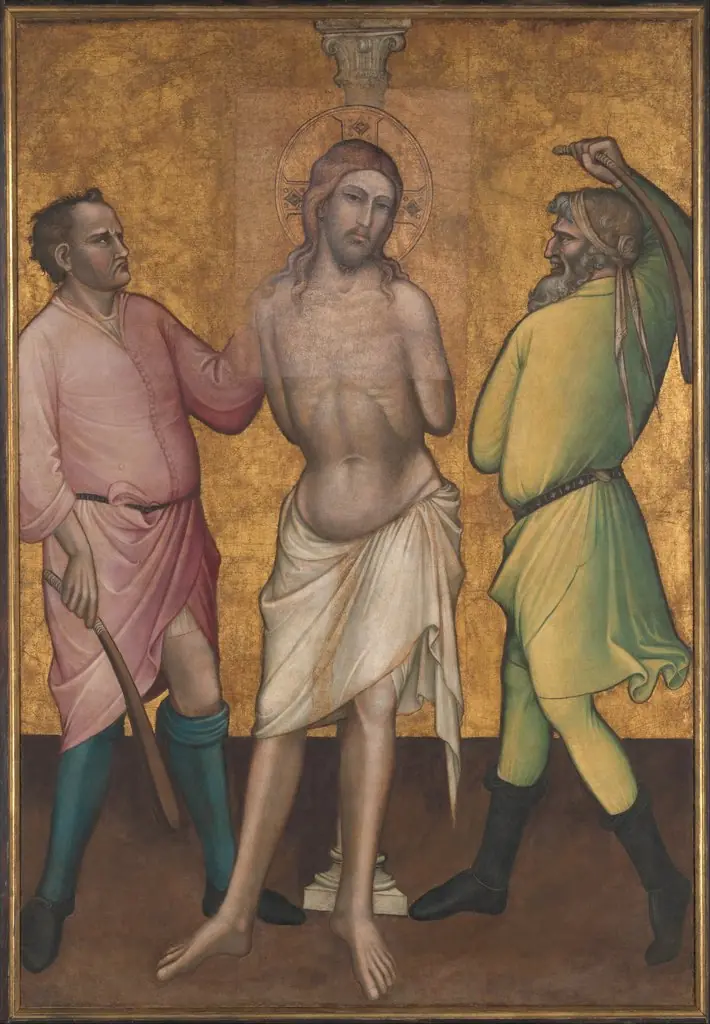 Saint Mary Magdalen Holding a Crucifix; (reverse) The Flagellation
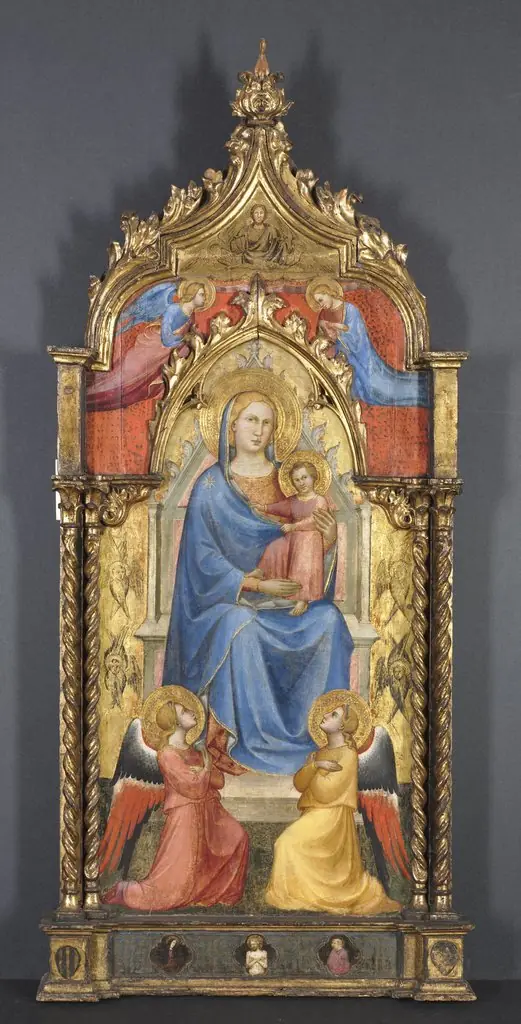 Virgin and Child with Angels
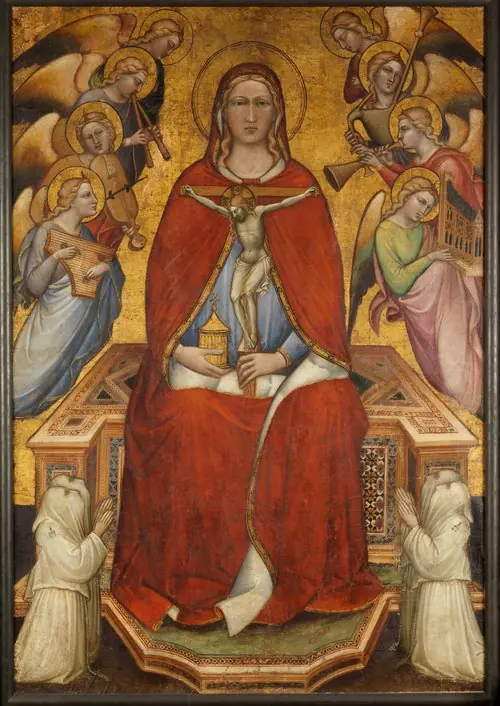 Processional Banner
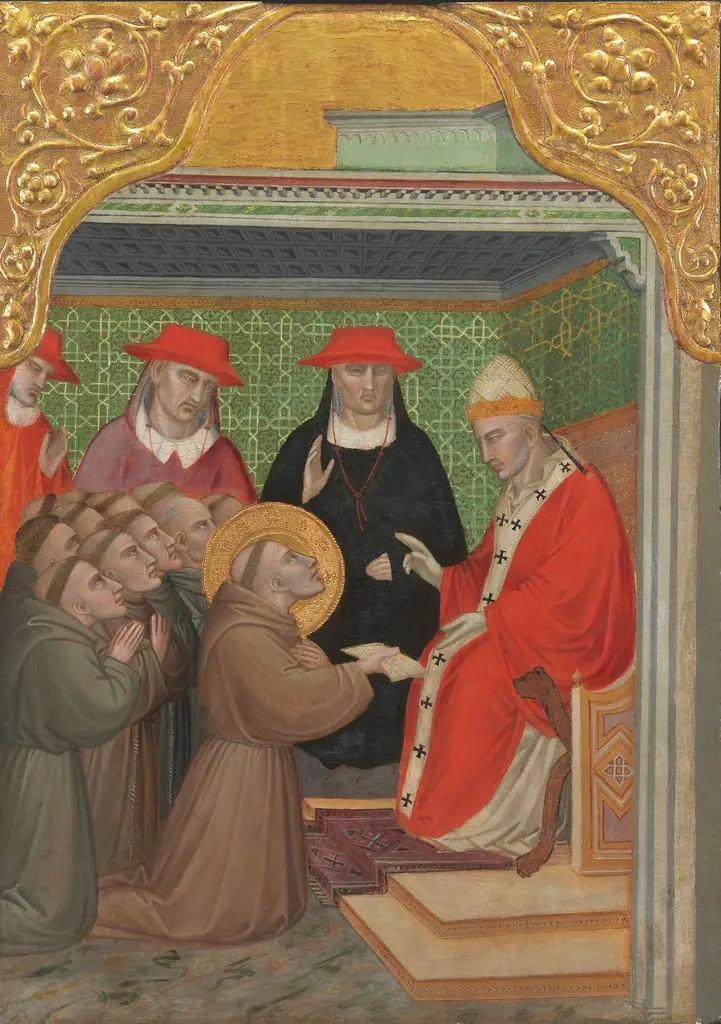 Saint Francis before the Pope (Confirmation of the Franciscan Rule)
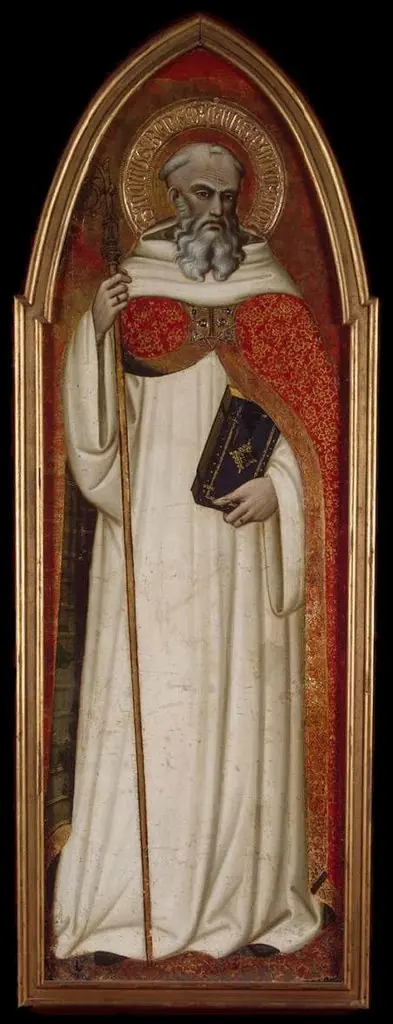
- St Benedict (wing of a polyptych)
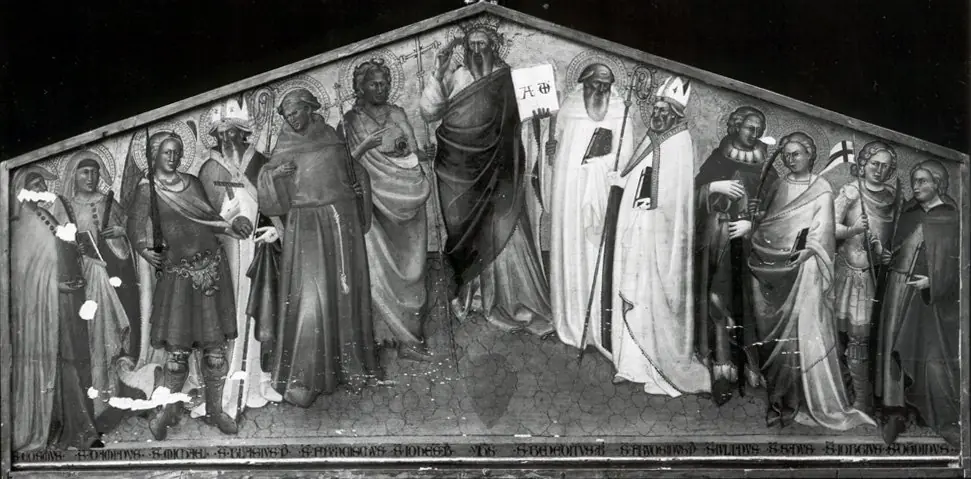 Christ between twelve Saints
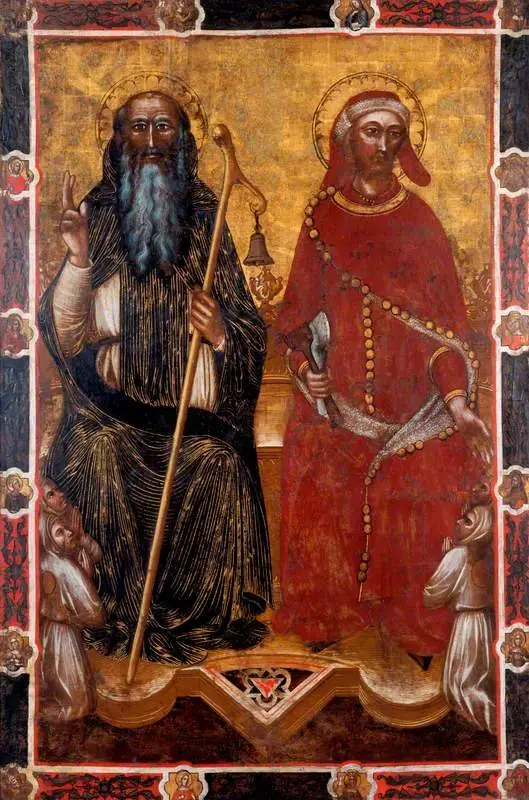 Saint Anthony Abbot and Saint Eligius with Two Pairs of Kneeling Worshippers (one side of a processional banner) (formerly attributed to Barnaba da Modena)
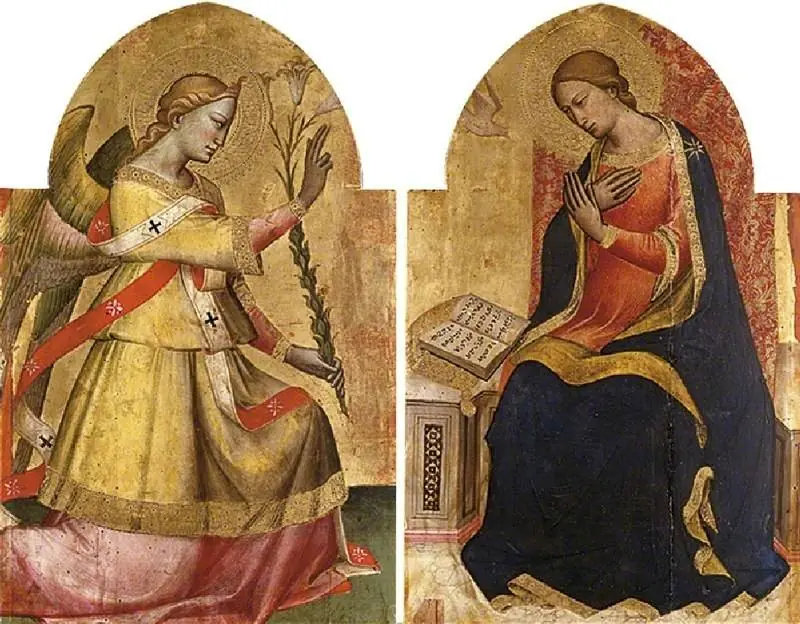 Annunciation