Artwork
Portrait of Countess Anna Alexandrovna Chernyshova
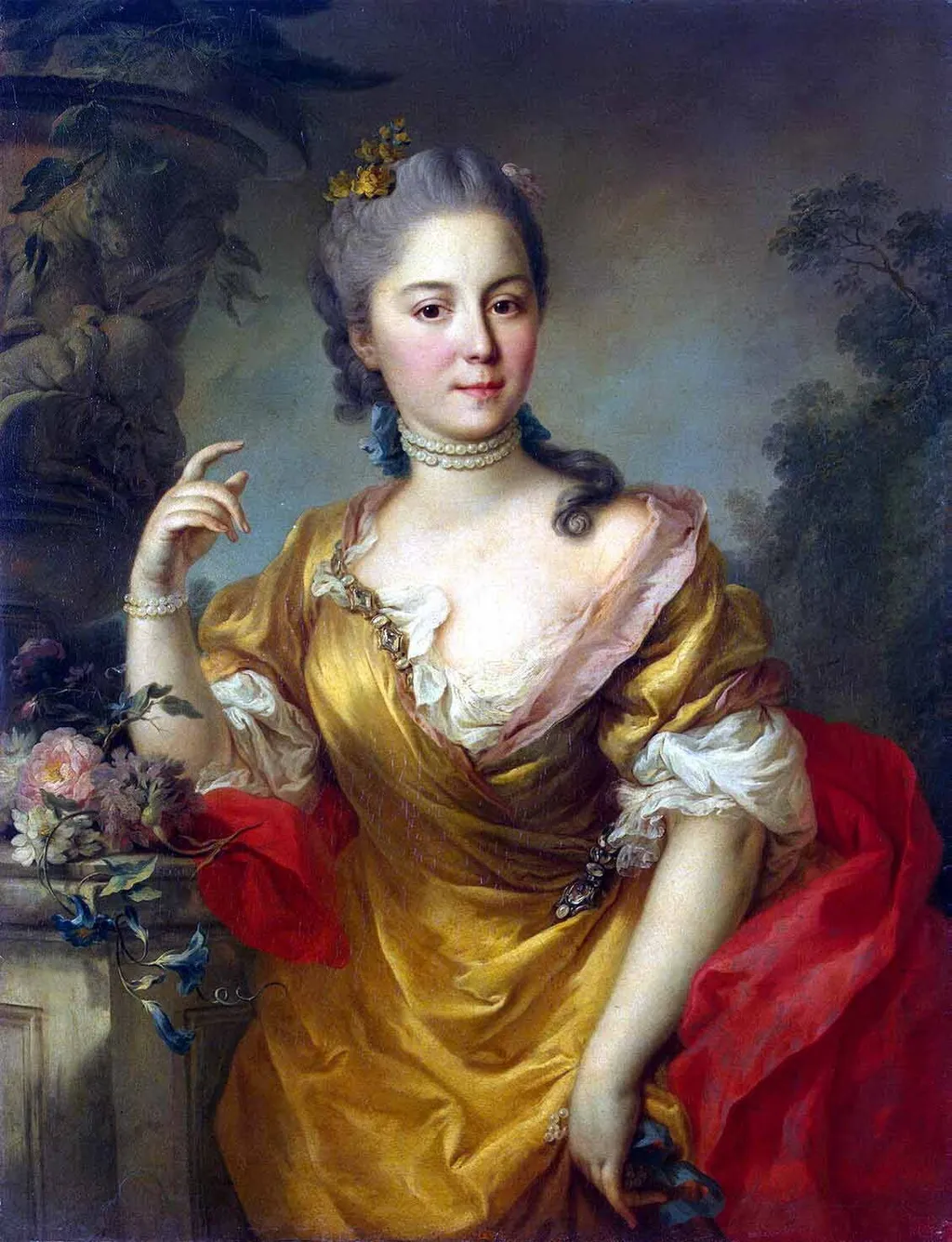
Portrait of Countess Anna Alexandrovna Chernyshova is an oil painting by the Rococo painting artist Stefano Torelli. It dates from 1763 and is held in the collection of the Hermitage Museum.
About this work
Overview
The Portrait of Countess Anna Alexandrovna Chernyshova is an oil-on-canvas painting by the Italian artist Stefano Torelli, dated 1763.
The Portrait of Countess Anna Alexandrovna Chernyshova is an oil-on-canvas painting by the Italian artist Stefano Torelli, dated 1763. Measuring 95 by 74 centimeters, the portrait depicts a prominent Russian noblewoman at three-quarter length and is now held in the collection of the Hermitage Museum in Saint Petersburg. The work exemplifies the international court portrait style that flourished in mid-eighteenth-century Europe, combining Italianate elegance with the conventions of Russian aristocratic representation. Torelli, who served as court painter to Empress Catherine II, produced this portrait during a period when he was actively engaged in creating both decorative ceiling programs and independent easel paintings for the Russian court.
Subject & Meaning
The sitter, Anna Alexandrovna Chernyshova (1740-1794), was the wife of Ivan Grigoryevich Chernyshov (1726-1797), a significant figure in the Russian nobility. The portrait presents her as an embodiment of cultivated aristocratic femininity. She stands beside a carved stone pedestal adorned with flowers, her right hand resting upon it while her left gathers fabric at her hip. Her powdered gray hair, arranged in an elaborate coiffure heightened with yellow flowers and blue ribbon, signals adherence to contemporary fashion and status. The pearl necklace and bracelet denote wealth and refinement. The pink draped sash across her shoulder and the red wrap introduce chromatic variety against the dominant golden-yellow silk gown with white lace sleeves. Behind her, a stone urn wreathed with vines rises to the left, while soft trees and hazy sky occupy the right, creating a pastoral backdrop that elevates the sitter beyond mere likeness toward an idealized realm of noble leisure. The even light falling across her face and chest emphasizes her composure and social poise.
Technique & Style
Torelli executed the portrait in oil on canvas, employing techniques characteristic of mid-eighteenth-century European academic painting. The surface reveals smooth, blended brushwork in the rendering of the sitter's skin, achieving a porcelain-like finish typical of court portraiture. By contrast, more textured strokes describe the fabrics and foliage, creating tactile differentiation between flesh, silk, lace, and stone. The palette is organized around warm gold, crimson, pearl white, and muted blue-gray, with subtle shadows articulating the folds of drapery. The composition adheres to the three-quarter-length format favored for aristocratic portraits of the period, allowing display of costume and bearing while maintaining psychological proximity to the viewer. The handling of light, evenly distributed across the face and chest with gradual tonal transitions, reflects the influence of Italian Baroque and Rococo painting traditions that Torelli brought to the Russian court.
History & Provenance
The portrait was painted in Italy in 1763, during Torelli's active period as a portraitist before or during his engagement with the Russian court. The circumstances of its commission remain unrecorded in the available sources, though the work's Italian origin of creation suggests it may have been painted during a sojourn or before the artist's full establishment in St. Petersburg. The painting subsequently entered the collection of the Hermitage Museum, where it remains. Its accession history and prior ownership chain are not documented in the available sources. The portrait has been categorized within the museum's holdings as a significant example of Torelli's easel painting production, complementing his better-known decorative works executed for Catherine II's palaces.
Context
Stefano Torelli occupied the position of court painter to Catherine the Great, a role that entailed not only the creation of portraits but also extensive ceiling painting programs in various palaces. His activity in Russia represents a chapter in the broader phenomenon of Western European artists migrating to serve the expanding cultural ambitions of the Russian court during the Enlightenment. The portrait of Countess Chernyshova belongs to Torelli's output of easel paintings, a category less documented than his monumental decorative commissions but significant for understanding his range. Within Russian art history, such portraits document the cosmopolitan visual culture of the nobility under Catherine II, when foreign painters played a crucial role in establishing representational conventions. The work's presence in the Hermitage collection situates it within one of the world's most important repositories of eighteenth-century European and Russian painting, though specific scholarly literature devoted to this particular canvas appears limited in the accessible sources.
Legacy
The portrait's afterlife is primarily institutional, preserved and displayed within the Hermitage Museum's collection as a document of both Torelli's practice and Russian aristocratic culture of the 1760s. As a work by a court painter to Catherine the Great depicting a member of the Chernyshov family, it retains value for historians of Russian nobility and court art alike. The painting has been digitized and disseminated through museum and Wikimedia platforms, extending its accessibility beyond physical visitation. Its cultural significance lies in its testimony to the international circulation of artistic talent and the visual construction of aristocratic identity in Enlightenment-era Russia, even as specific details of its reception and influence await further scholarly investigation.
Artist & collection

 Countess Teresa Kinska Poniatowska
 Madame Sophie of France as a Vestal Virgin
 Portrait of a Young Woman
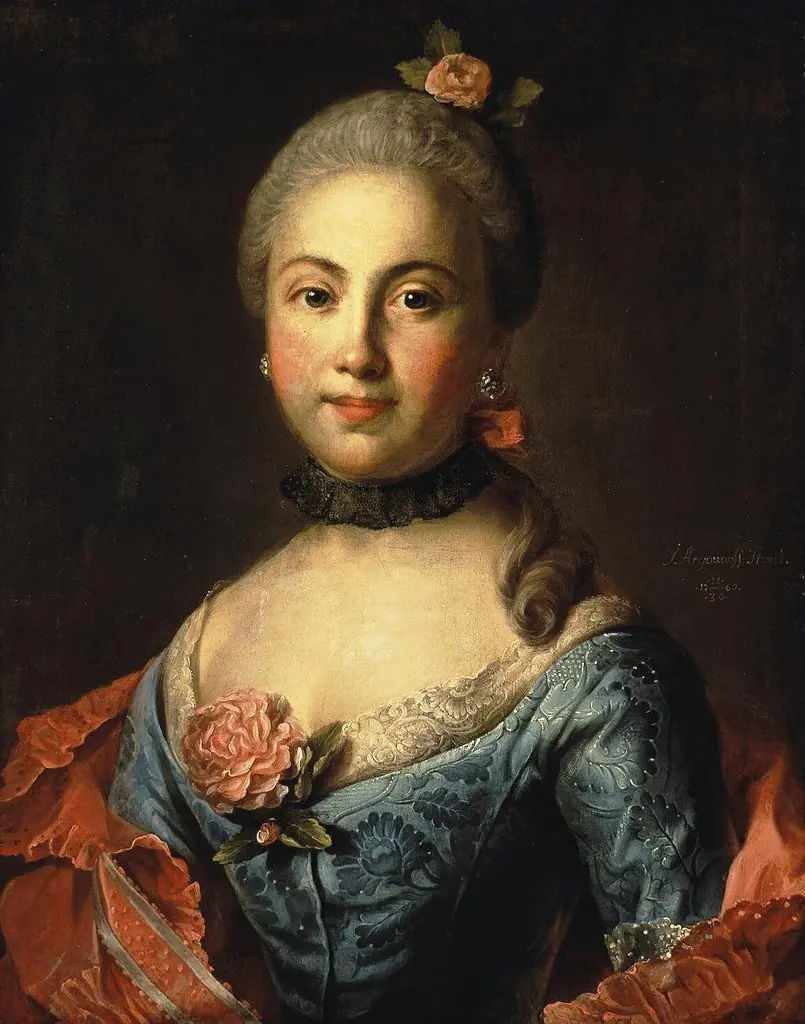 Portrait of a Woman in a Blue Dress
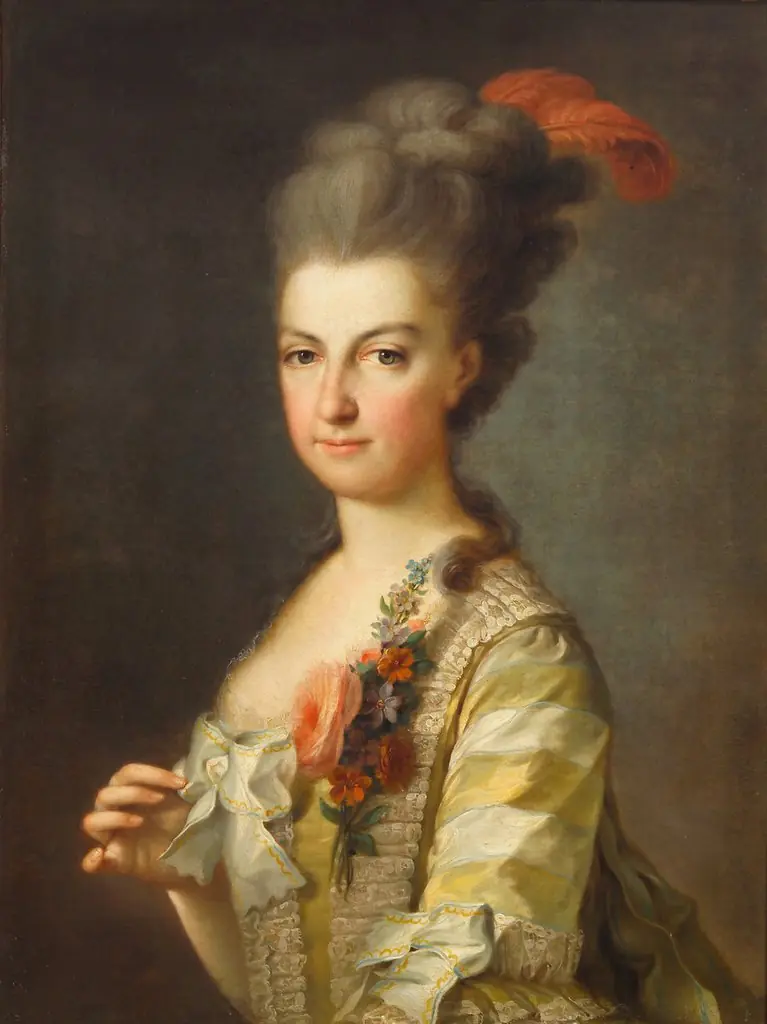 Erzherzogin Maria Christine (1742-1798), Herzogin von Sachsen - Teschen, in gestreiftem Seidenkleid, Halbfigur
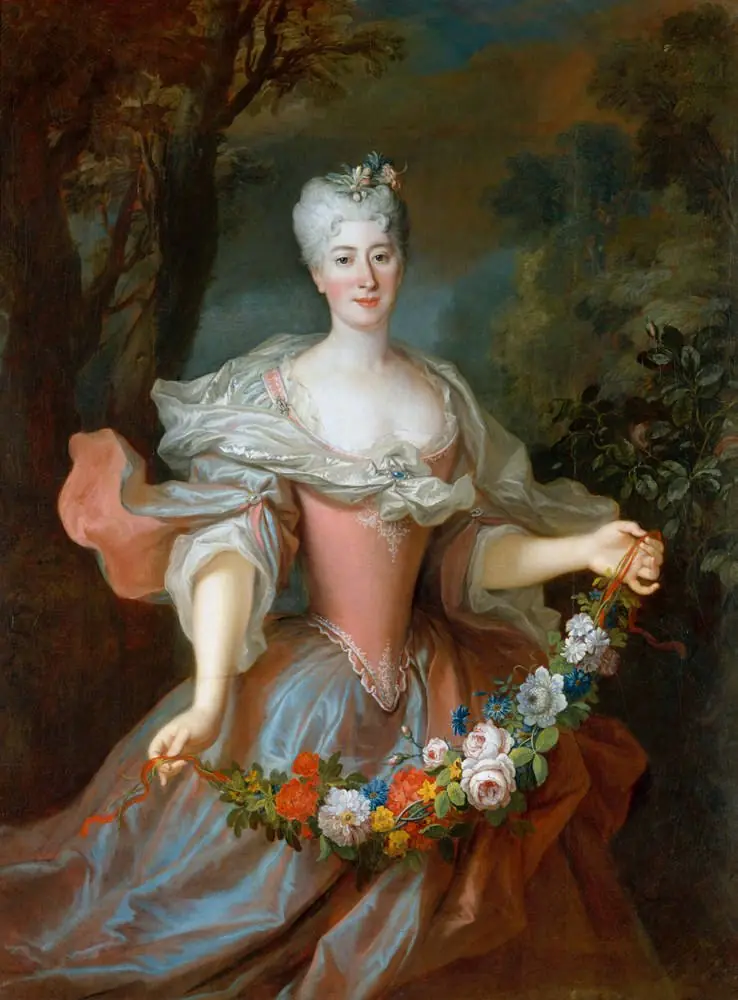 Marcybela Ogiński
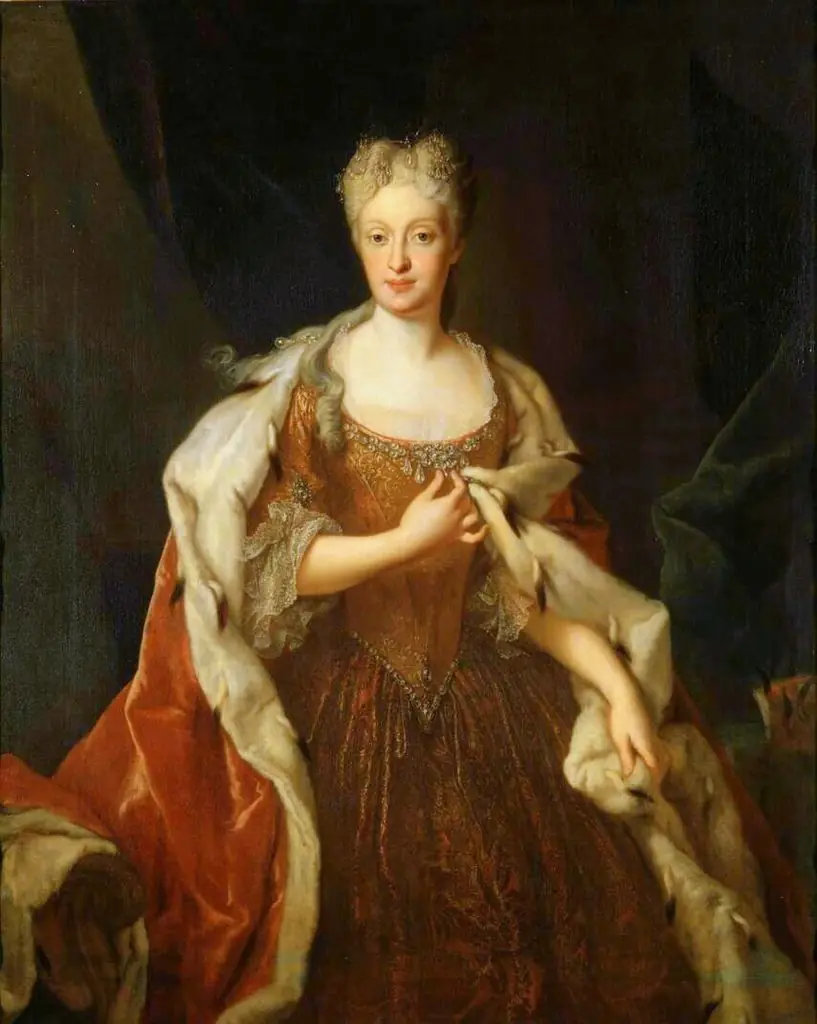 Porträt der Maria Josepha of Austria (1699-1757), Electress of Saxony and Queen of Poland
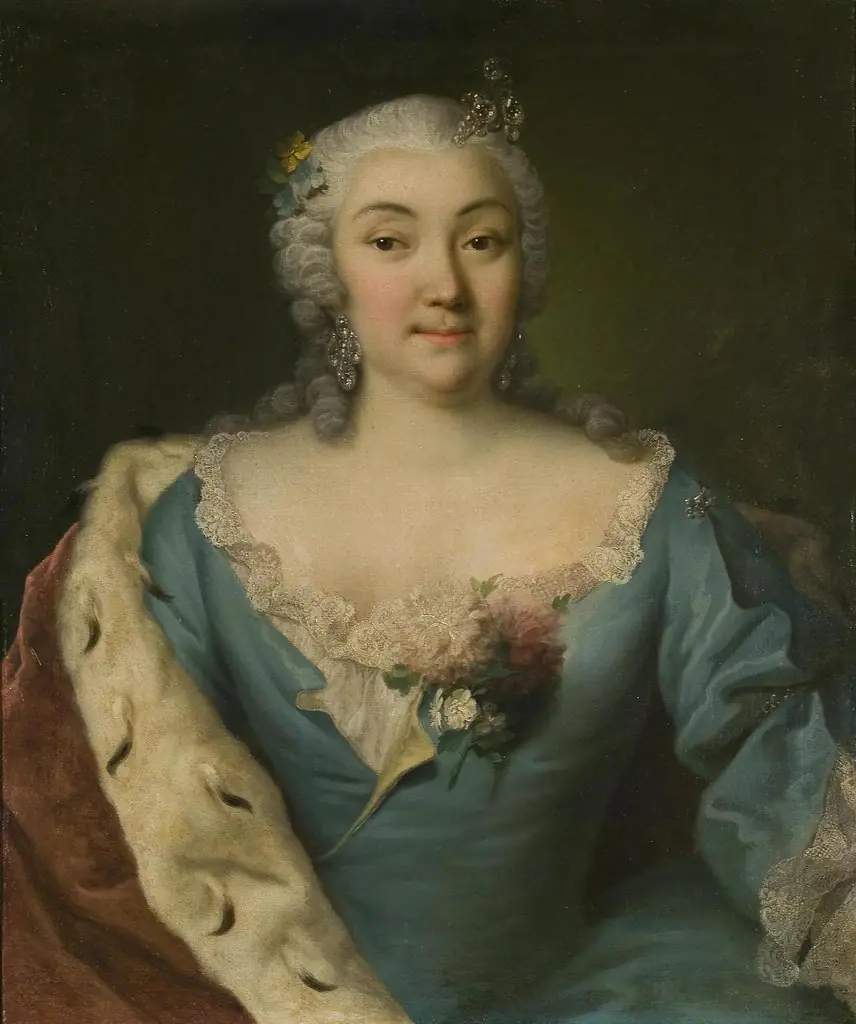 Portrait of A.I. Kurakina
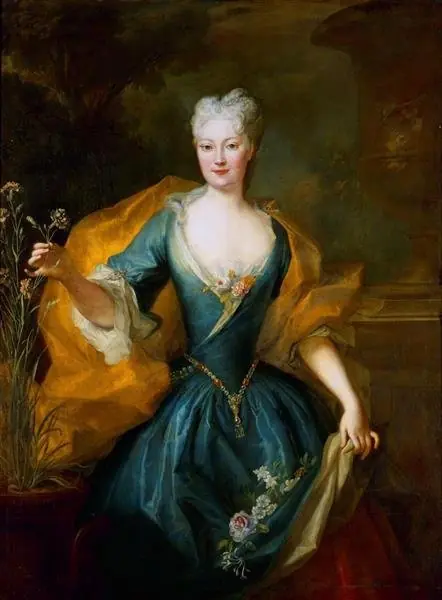 Friederike Charlotte Fürstin Lubomirska (1701-1755)
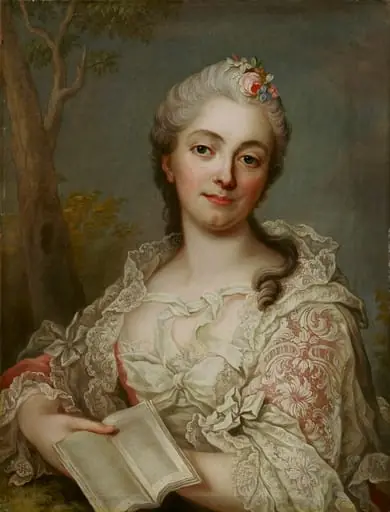 Kreivitär Antoinetta Virginia Gyllenborg
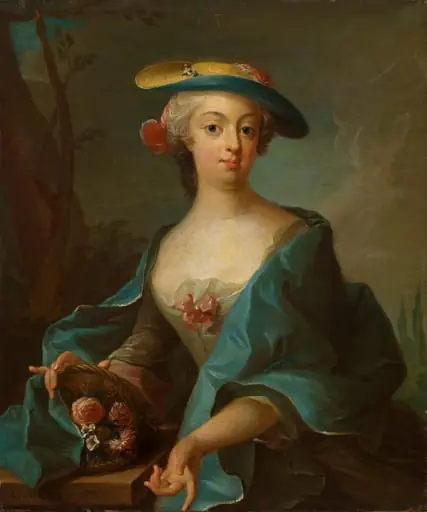 Naisen muotokuva
- Portrait of Countess A.M. Vorontsova