Artwork
Captain Charles Stewart
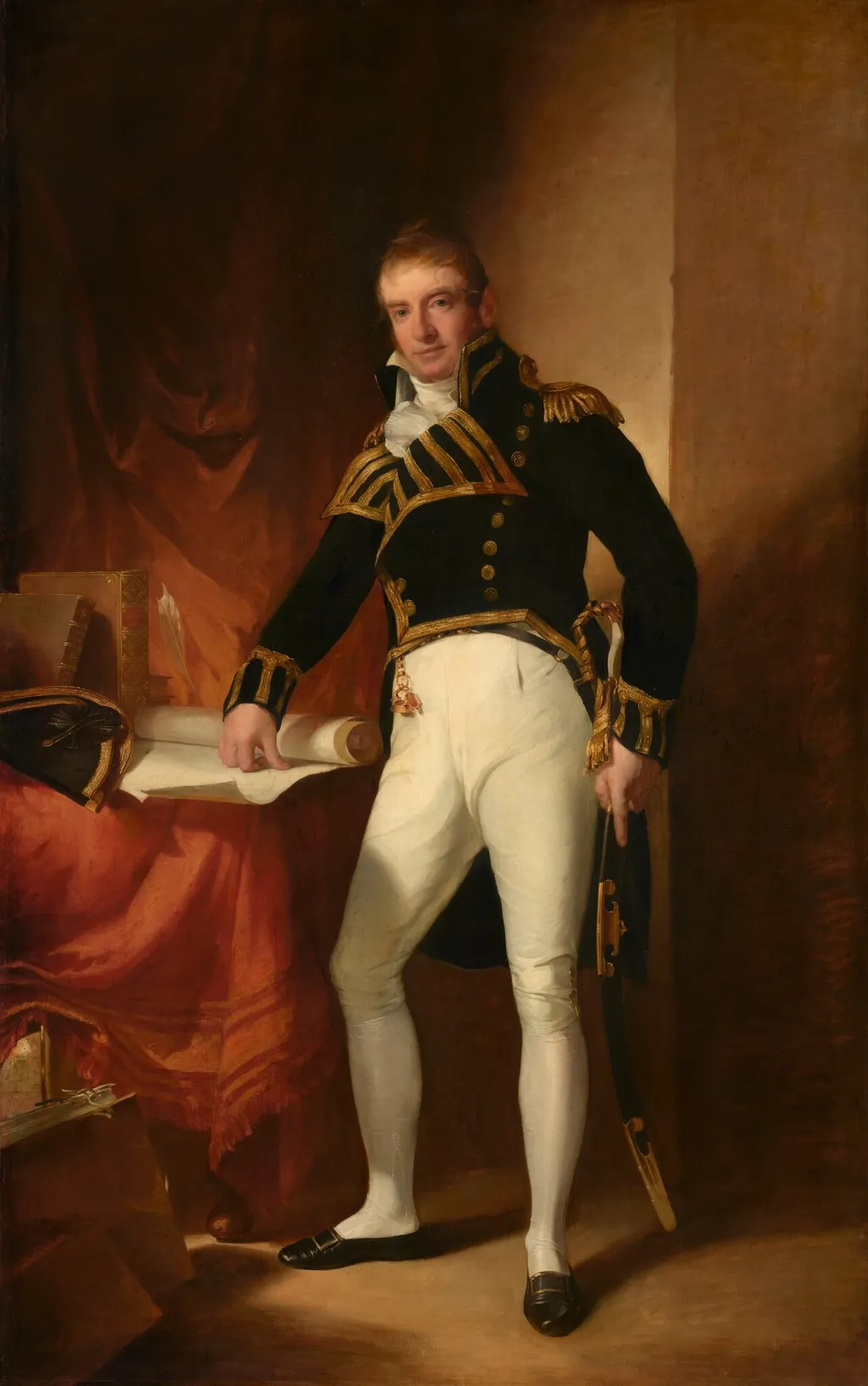
Captain Charles Stewart is an oil painting by the American Impressionist artist Thomas Sully. It dates from 1812 and is held in the collection of the National Gallery of Art.
About this work
Subject & Meaning
Created by Thomas Sully in 1812, the work presents Stewart in a formal portrait format, emphasizing his identity and status through his depiction.
The painting depicts Captain Charles Stewart, a United States Navy officer, as the sole subject. Created by Thomas Sully in 1812, the work presents Stewart in a formal portrait format, emphasizing his identity and status through his depiction. The iconography is straightforward, focusing on the individual without additional allegorical figures or complex symbolic elements described in the available records.
The portrait serves primarily as a representation of Stewart's person and naval career during the early 19th century.
Technique & Style
Thomas Sully rendered Captain Charles Stewart using oil paint applied to a canvas support, a technique typical of early 19th-century American portraiture. The work measures 237 cm in height by 149.2 cm in width, reflecting the large-scale format often employed for formal portrait commissions. Stylistically, the painting exhibits Sully's characteristic blend of neoclassical precision and romantic vigor, with fine brushwork modeling the sitter's features and rich, deep tones defining the attire.
The handling of light and texture underscores the sitter's distinguished presence, aligning with the formal conventions of elite portraiture of the era.
History & Provenance
The portrait was painted by Thomas Sully in 1812, likely commissioned by the sitter or his family. It descended through the sitter’s daughter, Delia Stewart Parnell, to her son Charles Stewart Parnell at Avondale, County Wicklow. After his death it passed to his daughter, Mrs. Olivia Parnell, at Laragh Castle.
In July 1916 the work was acquired by Marie Louise Tudor Garland in Boston, Massachusetts. It remained in the Garland family until it was purchased in 1947 by the National Gallery of Art from M. Knoedler & Co., where it is now inventoried as accession number 1947.17.1. It was exhibited at the Museum of Fine Arts, Boston, on long-term loan from Hope Garland Ingersoll, and was illustrated in the catalogue _Selected Oil and Tempera Paintings & Three Pastels_.
Context
Thomas Sully painted Captain Charles Stewart in 1812, a portrait that entered the National Gallery of Art collection in 1947 after passing through the hands of Delia Stewart Parnell and her descendants, including Hope Garland Ingersoll, who lent it to the Museum of Fine Arts, Boston. The work remains part of the permanent collection at the National Gallery of Art in Washington, D.C. Scholarly attention to Sully's subject matter and technique has positioned this painting within early American portraiture, reflecting the diplomatic and maritime figures of the early republic.
Overview
Thomas Sully’s 1812 oil portrait presents Captain Charles Stewart in a formal pose. Rendered on canvas, the work measures the captain’s stature through a composed stance, a navy coat with gold edging, and a crisp white shirt. A deep red curtain forms the backdrop, while the surrounding darkness isolates the figure, directing the viewer’s attention to his presence.
Own this work as a print
Artist & collection

Artist
Thomas Sully was an English-American portrait painter. He was born in England, became a naturalized American citizen in 1809, and lived most of his life in Philadelphia, Pennsylvania, including in the Thomas Sully…




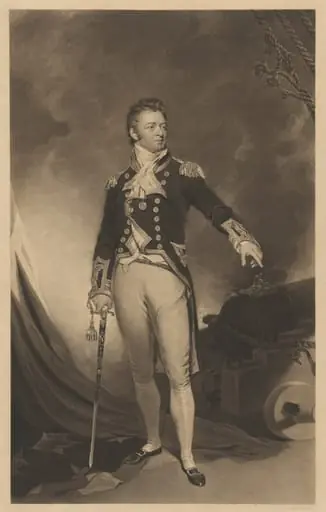 Sir Philip Bowes Vere Broke
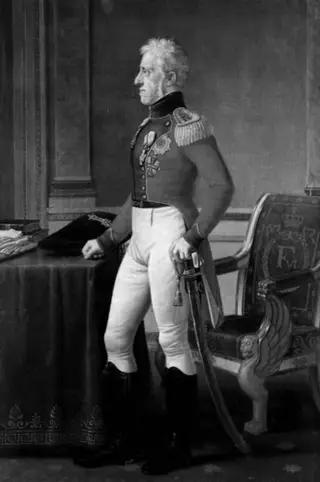 King Frederik VI in His Cabinet
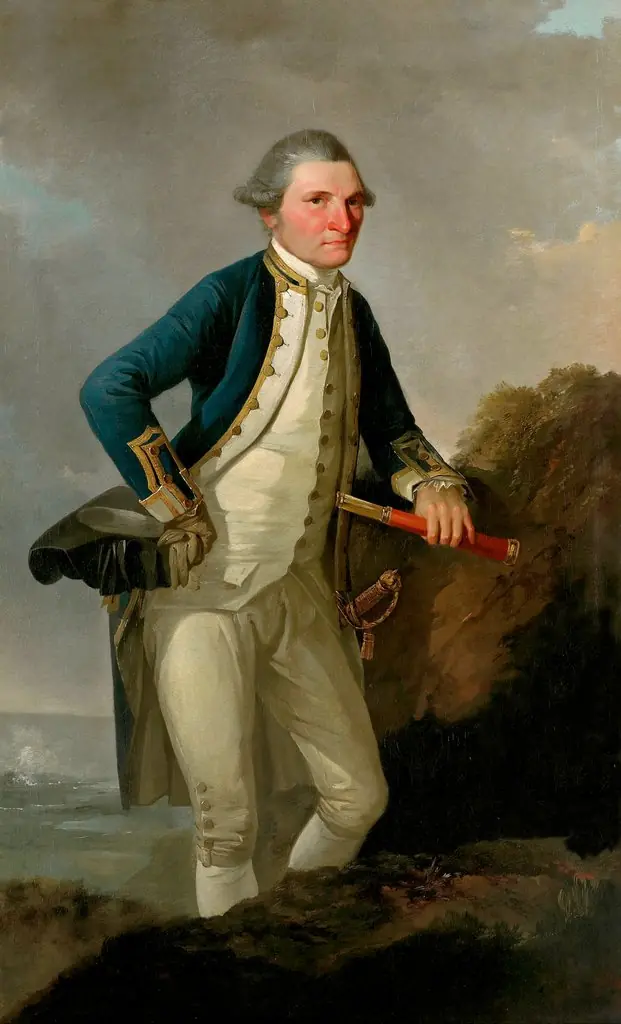 Portrait of Captain James Cook
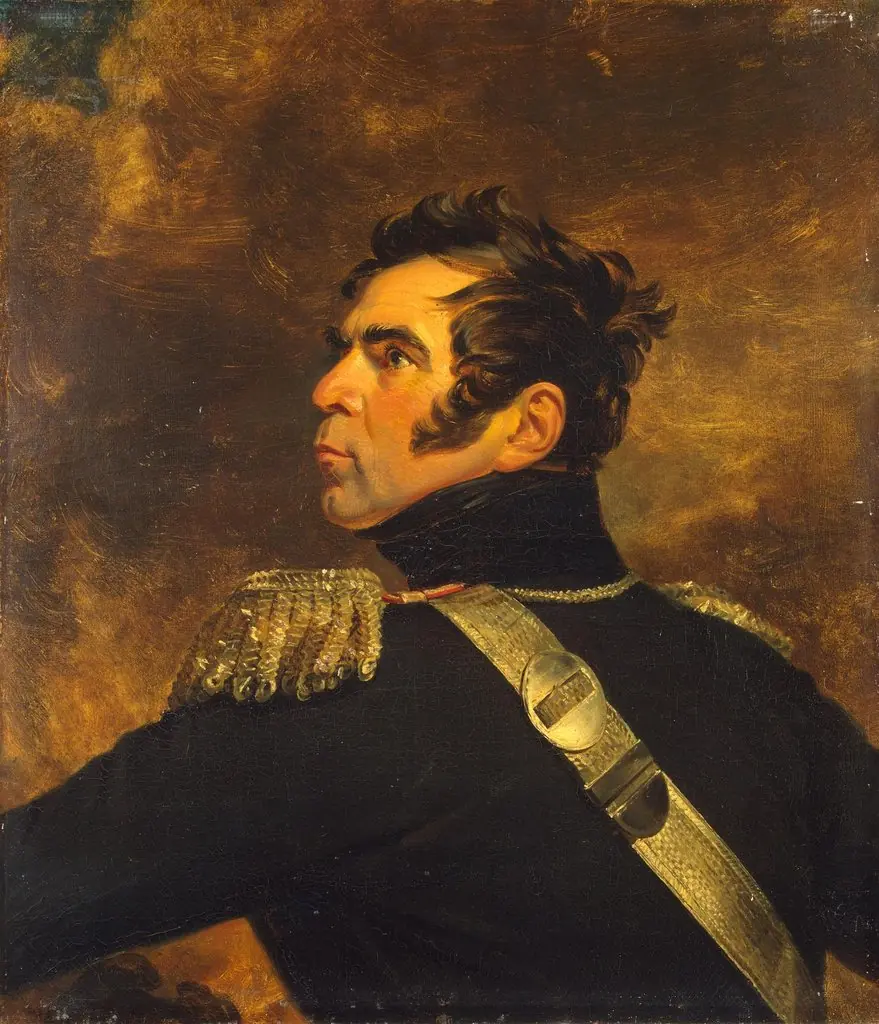 Portrait of Vasily V. Yeshin (1771-1825)
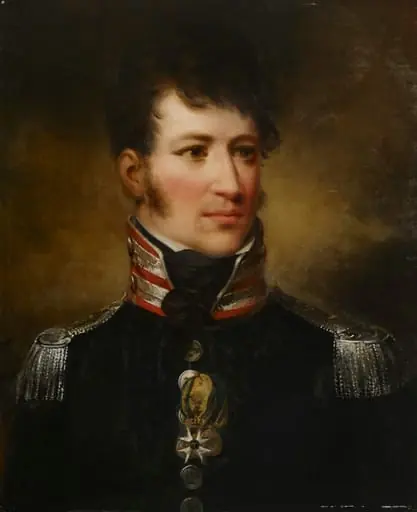 Per Otto Adelborg
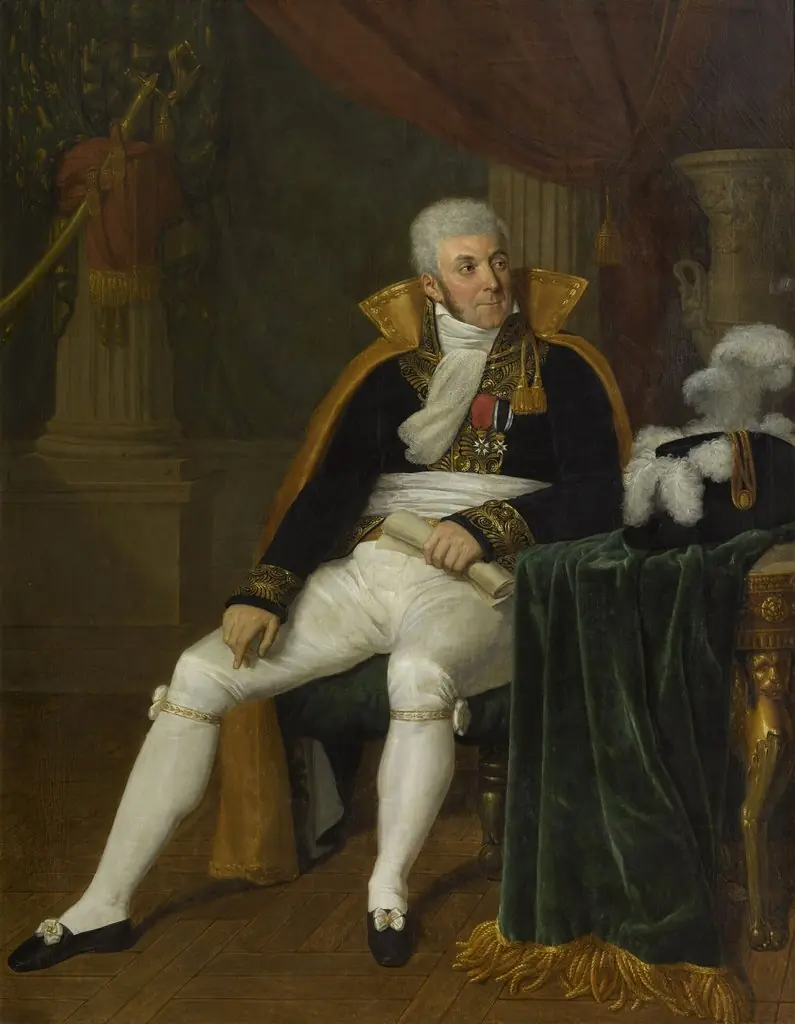 Jérôme, count Soulès, lieutenant-general (1760-1833)
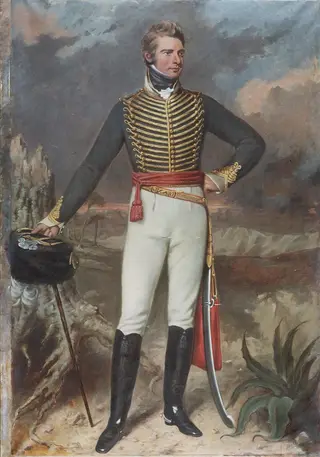 Henry Seymour
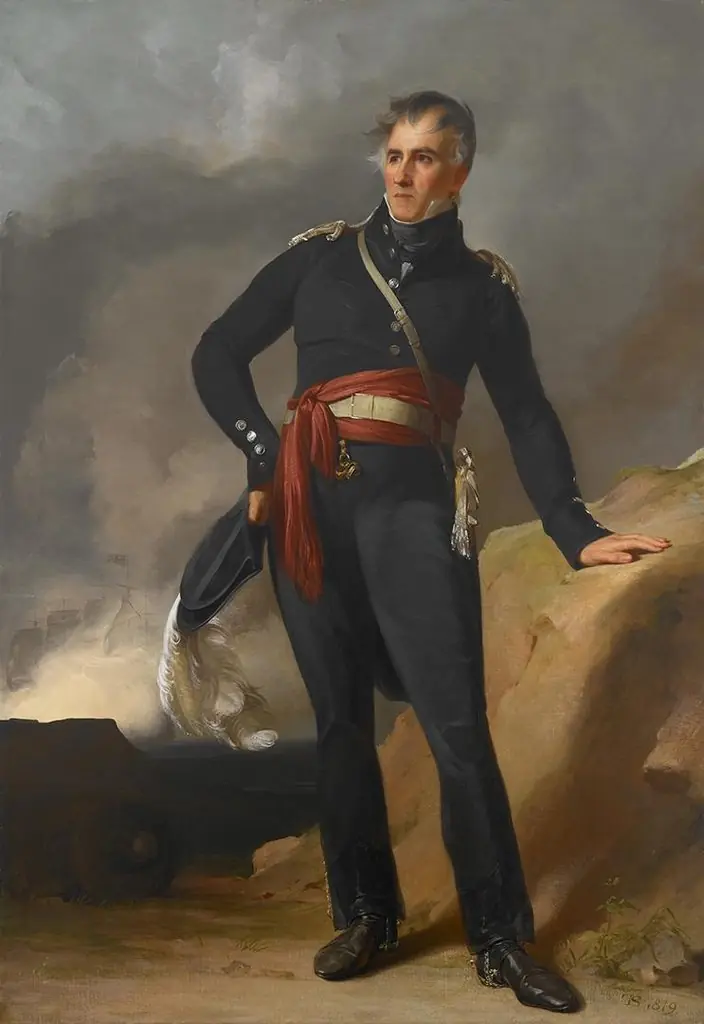 Colonel Samuel Boyer Davis
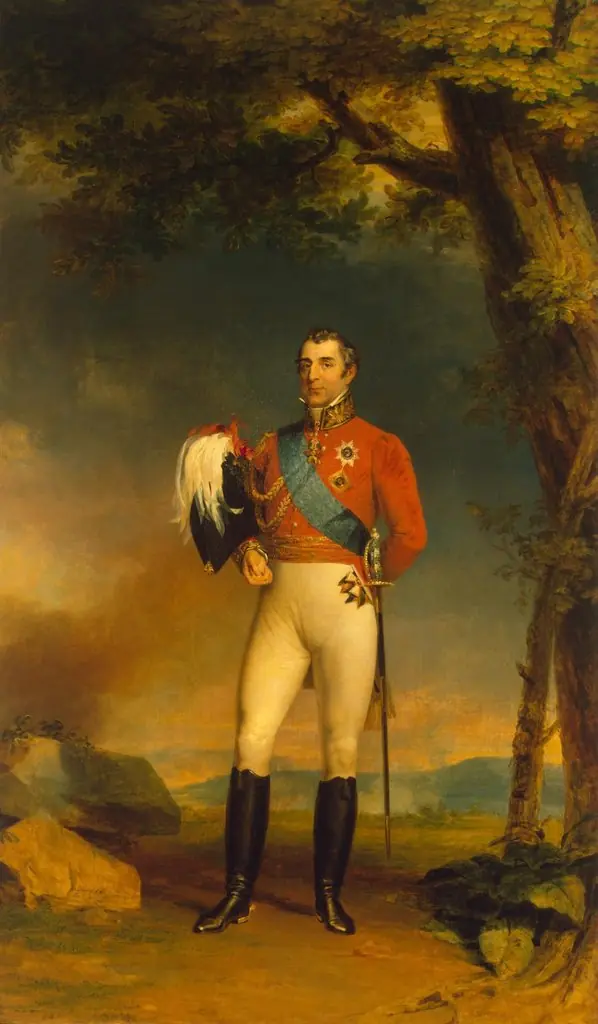 Portrait of Duke of Wellington (1769-1852)
 Captain Peter Hawker of the 14th Light Dragoons
 Lieutenant Philip Augustus Stockton
- Charles-René Magon, rear admiral