Artwork
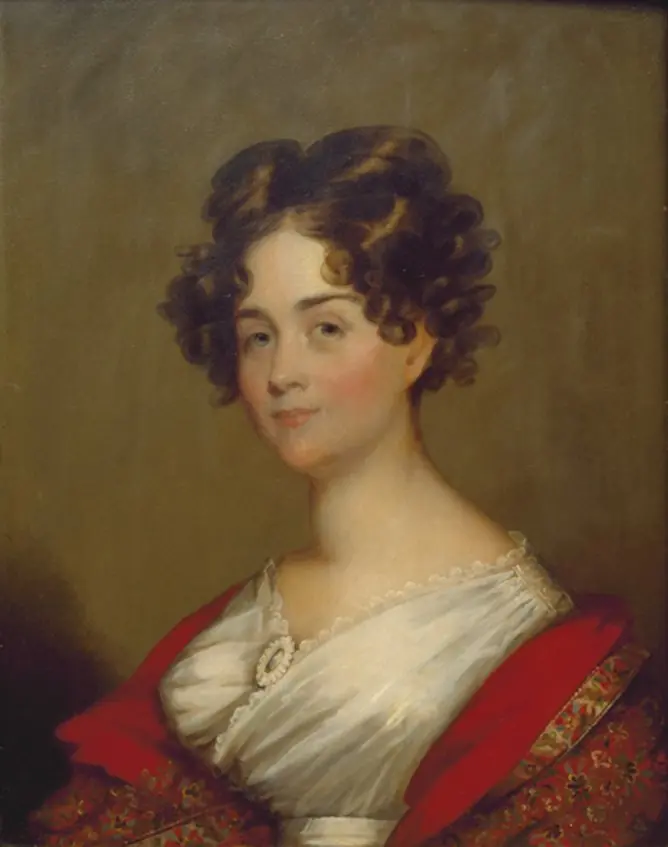
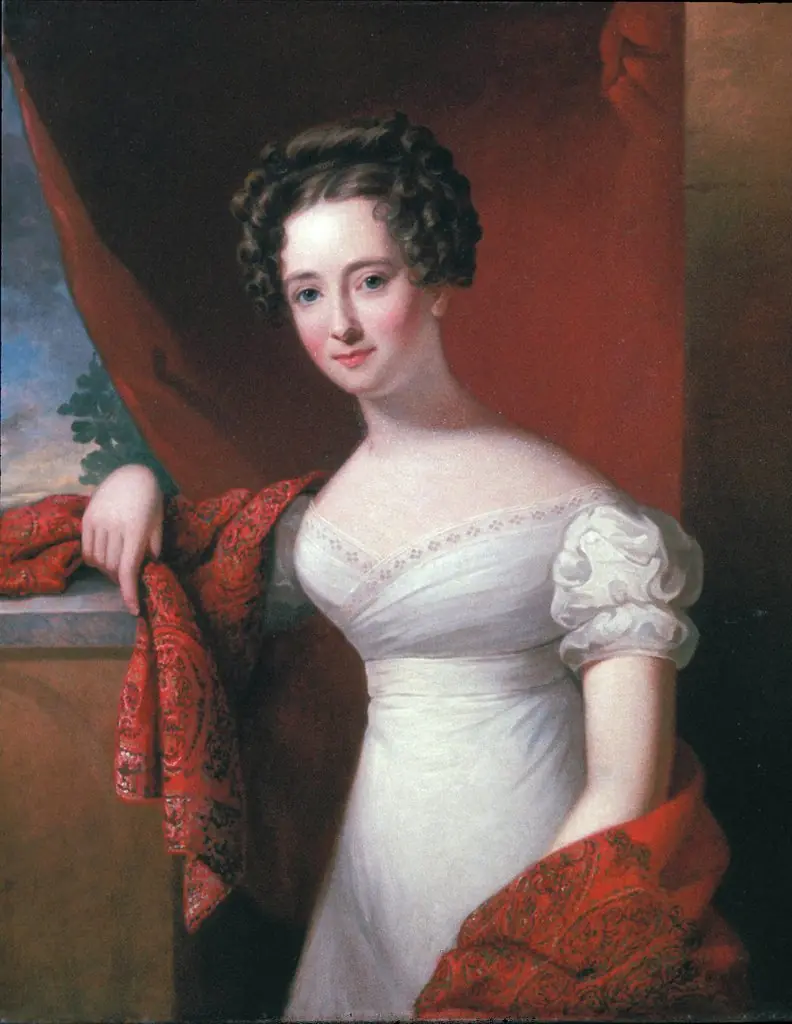
Mrs. William Griffin
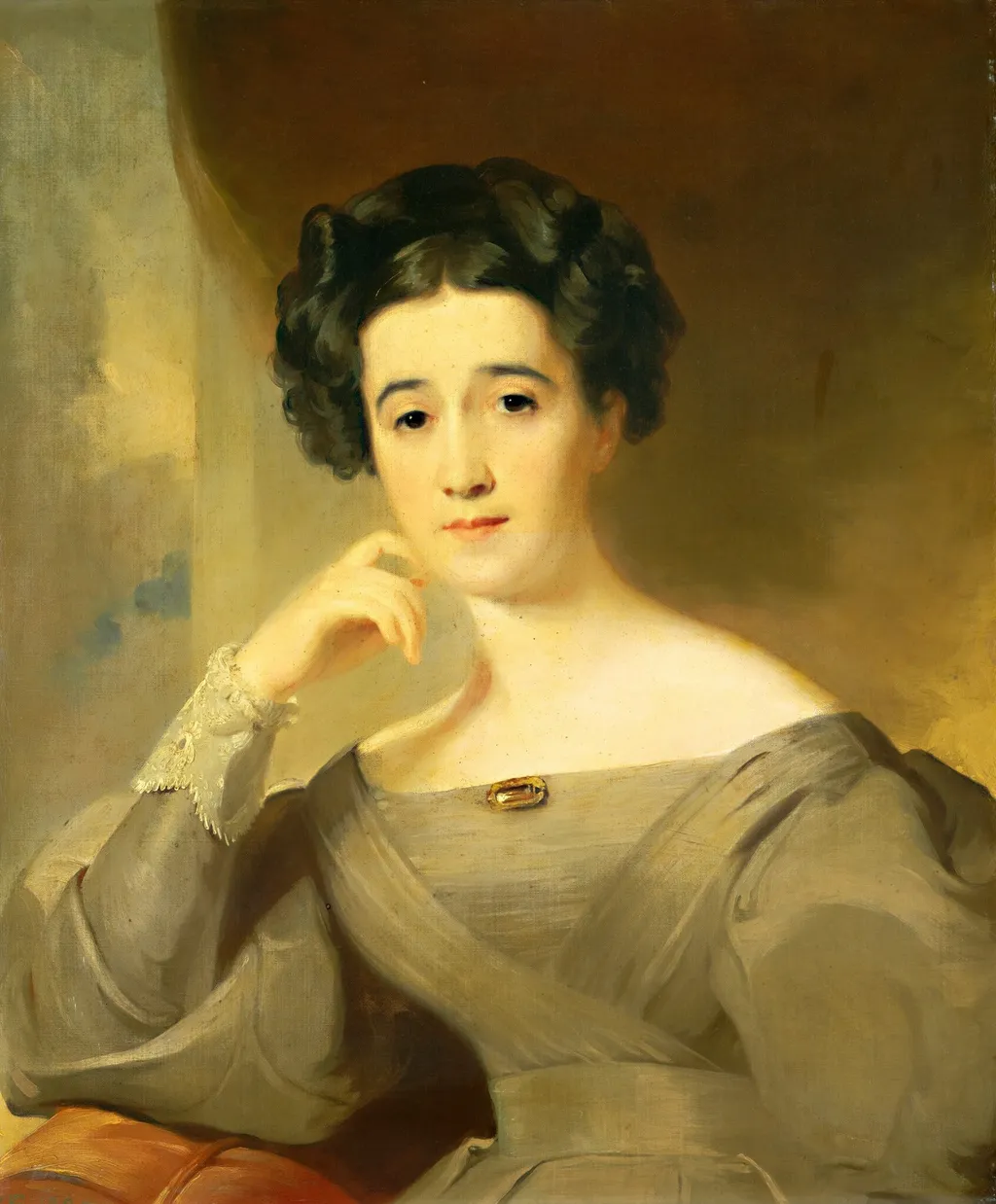
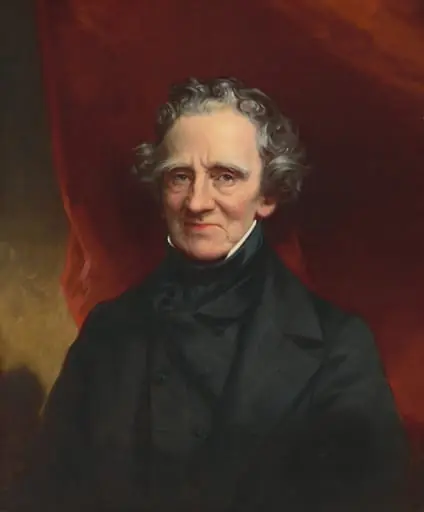
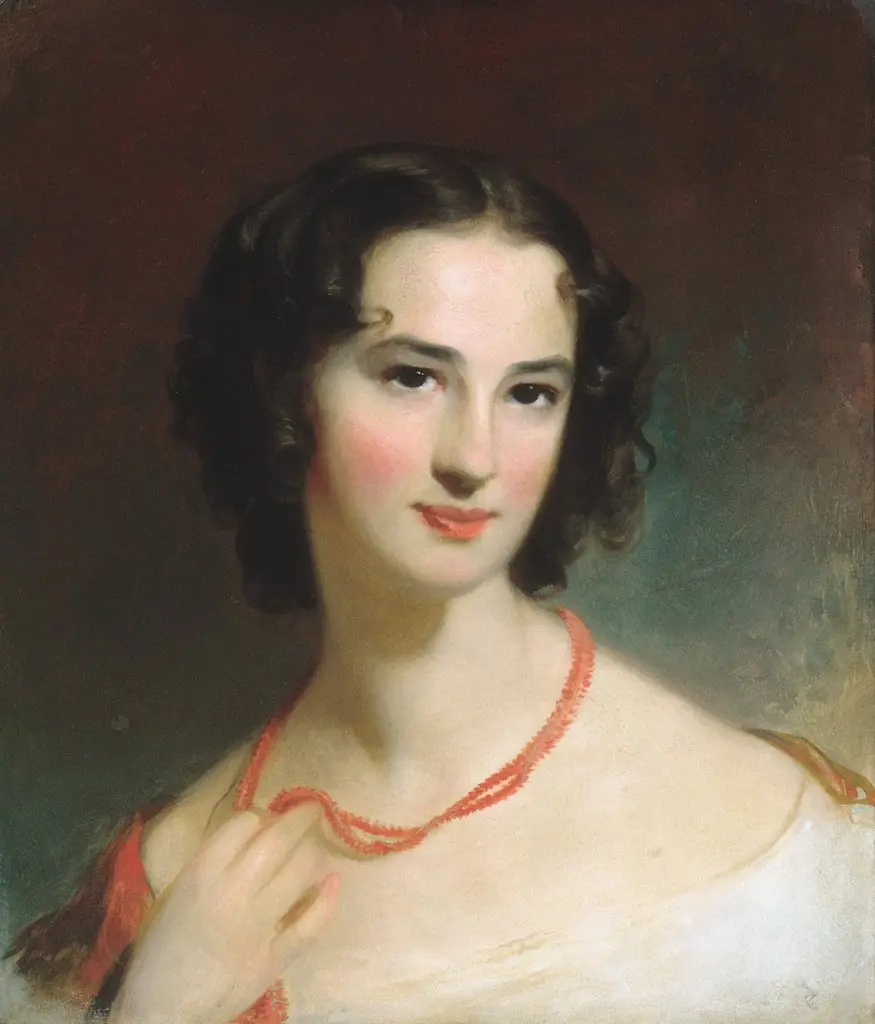
Mrs. William Griffin is an oil painting by the American Impressionist artist Thomas Sully. It dates from 1830 and is held in the collection of the National Gallery of Art. Painted in 1830, Mrs.
- Inscription
- Inscribed:lower left: TS (in monogram) 1830.
About this work
History & Provenance
Farr of Chestnut Hill, Philadelphia, subsequently acquired the painting, then sold it at Plaza Art Auction Galleries in New York on March 23, 1935.
Thomas Sully executed this oil-on-canvas portrait in 1830. The work entered the collection of Dr. Samuel W. Woodhouse, Jr., in Philadelphia, remaining there until his estate sold it at Samuel T. Freeman & Co. on April 23–24, 1928. Daniel H. Farr of Chestnut Hill, Philadelphia, subsequently acquired the painting, then sold it at Plaza Art Auction Galleries in New York on March 23, 1935.
Chester Dale of New York purchased the piece from that auction and retained ownership until 1943, when he gifted it to the National Gallery of Art in Washington, D.C. It is held there under accession number 1943.1.13. Its exhibition history is not documented in the available sources.
Overview
Painted in 1830, Mrs. William Griffin is a half-length portrait by the American artist Thomas Sully depicting an unidentified woman, likely the wife of a Philadelphia patron. The sitter is shown in a three-quarter view, resting her chin on her right hand in a contemplative pose that was fashionable in early 19th-century portraiture. She wears a light-colored gown with puffed sleeves and a simple brooch at the neckline, her dark, curly hair framing a face rendered with Sully's characteristic softness and luminosity.
The background consists of a warm, indistinct blur that directs focus entirely to the subject's features and expression. Executed in oil on canvas, the work demonstrates Sully's mastery of the Regency style, utilizing smooth brushwork to create a seamless transition between skin tones and fabric textures. This period represents the height of Sully's career in Philadelphia, where he was the preeminent portraitist of the era, known for his ability to capture the elegance and refinement of his sitters.
The painting exemplifies his approach to combining British academic traditions with a distinctly American sensibility, prioritizing psychological presence and graceful composition over rigid formality.
Subject & Meaning
The sitter is portrayed with dark, curly hair framing a composed face, her gaze direct yet tranquil. Her left hand rests gently near her chin, a common pose conveying thoughtful reflection. She wears a light-hued dress with fashionable puffed sleeves, adorned with a simple brooch at her neckline. The indistinct, warm background ensures the viewer's focus remains solely on her figure.
Technique & Style
Sully utilized smooth brushstrokes to render the delicate quality of the sitter's skin and the fabric of her dress, imbuing them with a lifelike, almost three-dimensional presence. The strategic use of light and shadow, a technique often referred to as chiaroscuro, enhances the sculptural quality of her features. This is evident in how illumination defines the curve of her cheek and the subtle folds of her sleeve, adding depth to the composition.
Own this work as a print
Artist & collection

Artist
Thomas Sully was an English-American portrait painter. He was born in England, became a naturalized American citizen in 1809, and lived most of his life in Philadelphia, Pennsylvania, including in the Thomas Sully…