Artwork
Thomas Alston
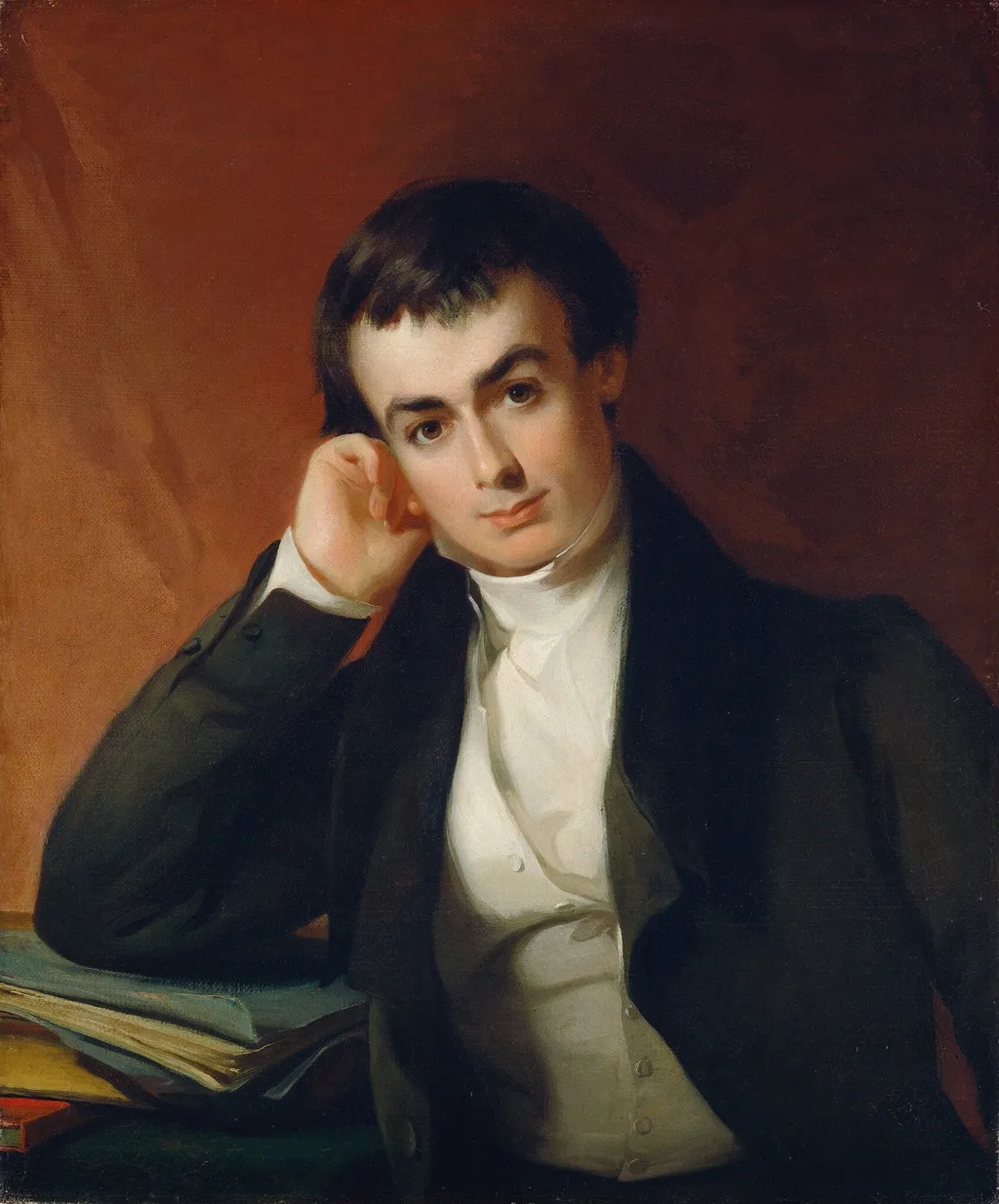
Thomas Alston is an oil painting by the American Impressionist artist Thomas Sully. It dates from 1826 and is held in the collection of the National Gallery of Art.
- Inscription
- Inscribed:lower left: TS (in monogram) 1826.
About this work
Technique & Style
Commissioned by Colonel John Ashe Alston the previous year, the painting depicts the sitter in a genre typical of Sully's output during this period.
Thomas Sully executed the portrait of Thomas Alston in 1826 using oil paint applied to a canvas support. The work measures 76.7 cm in height and 63.7 cm in width, adhering to the standard proportions for formal portraiture of the era. Commissioned by Colonel John Ashe Alston the previous year, the painting depicts the sitter in a genre typical of Sully's output during this period. The medium and support are consistent with the artist's primary practice in early 19th-century American portraiture.
History & Provenance
The portrait of Thomas Alston was commissioned in 1825 by Colonel John Ashe Alston, the sitter’s father, and executed by Thomas Sully in 1826 as an oil on canvas. After its completion the work remained within the Alston family: it passed to the sitter’s sister, Sarah McPherson Alston Middleton, then to her son John Izard Middleton (born 1834), and subsequently to his nephew, also named John Izard Middleton (born 1867). In 1922 the painting was acquired by New York collector Thomas B. Clarke; following Clarke’s death it was sold from his estate on 29 January 1936 through M. Knoedler & Co. to the A. W. Mellon Educational and Charitable Trust.
The trust donated the portrait to the National Gallery of Art in 1947, where it remains part of the Andrew W. Mellon collection.
The painting is held by the National Gallery of Art, Washington, D.C., as part of the Andrew W. Mellon collection. It was gifted to the museum in 1947 by The A.W. Mellon Educational and Charitable Trust, Pittsburgh, following the trust's purchase of the work on 29 January 1936 from the estate of collector Thomas B. Clarke, New York, through M. Knoedler & Co. No specific exhibition history is recorded in the provided sources.
Overview
Thomas Sully's 1826 oil on canvas portrait depicts Thomas Alston, a figure presented in a three-quarter view against a warm, unadorned red background. The sitter is dressed in a dark coat and a white cravat, with short, neatly styled hair. His posture is contemplative; he sits with his right hand resting against his chin, while his gaze meets the viewer directly with a calm, steady expression.
To the sitter's left, a stack of books rests on a table, a conventional attribute suggesting intellectual engagement or scholarly status. Sully employs a soft, luminous brushwork characteristic of his Regency-era portraiture, balancing the dark tones of the clothing with the bright white of the cravat and the rich warmth of the backdrop. Painted during a period when Sully was establishing his reputation as a leading portraitist in Philadelphia and beyond, this work exemplifies his ability to capture both the physical likeness and the dignified character of his subjects.
The composition avoids excessive ornamentation, focusing instead on the psychological presence of Alston and the subtle interplay of light on the face and hands.
Subject & Meaning
The portrait presents Thomas Alston in a dark coat and a white cravat, seated in a thoughtful pose with one hand resting on his chin. His short, neatly styled hair frames a calm expression, as he engages the viewer directly with his gaze. A stack of books on a nearby table and a warm red background provide a simple setting, emphasizing the sitter's intellectual presence and composed demeanor.
Own this work as a print
Artist & collection

Artist
Thomas Sully was an English-American portrait painter. He was born in England, became a naturalized American citizen in 1809, and lived most of his life in Philadelphia, Pennsylvania, including in the Thomas Sully…

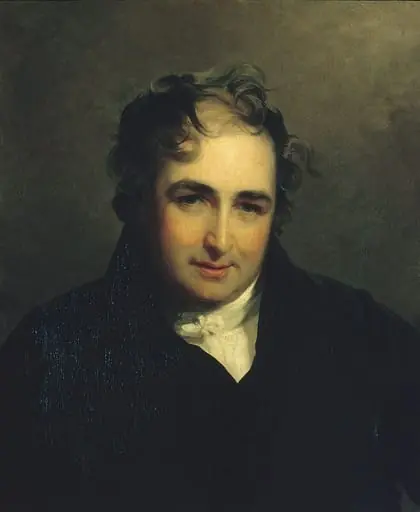
- Dr. Joseph Klapp
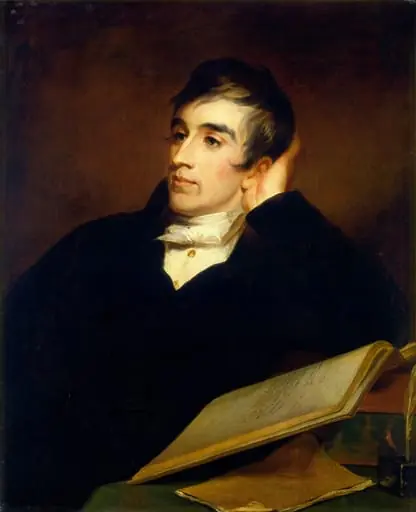 Robert Walsh
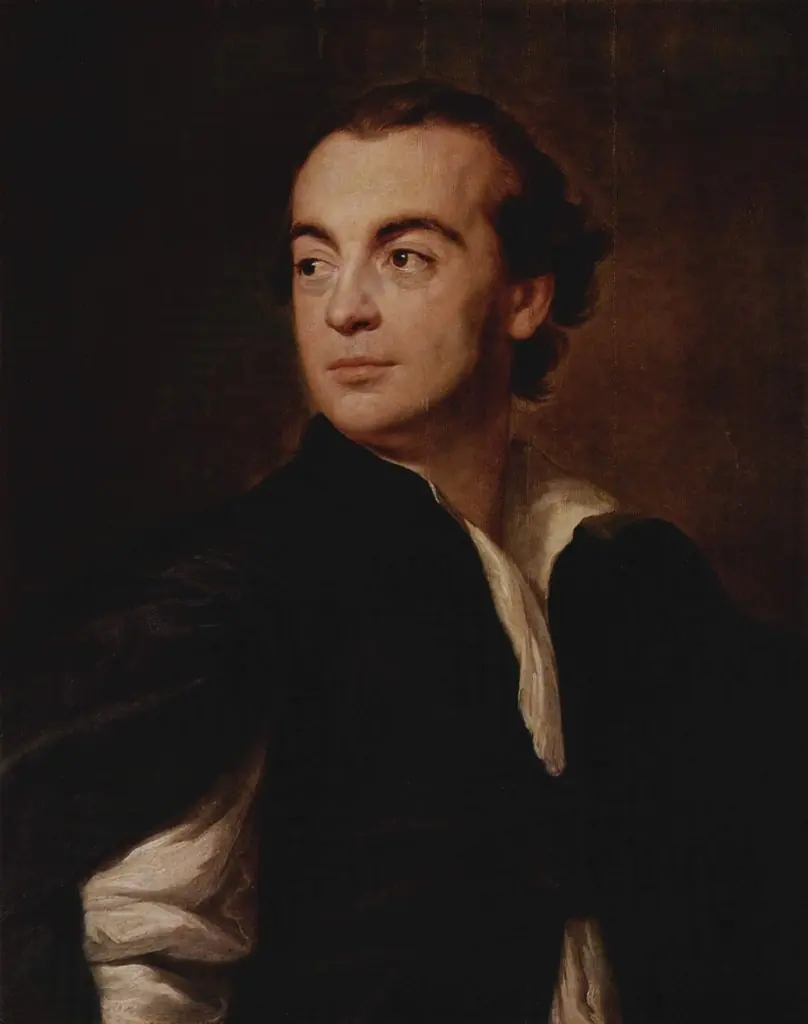 Porträt eines Mannes (Johann Joachim Winckelmann?)
 Seated man
 "Portrait of Alexander Ribopierre"(copy)
 Portrait of Baron Alexander Stieglitz
 Portrait of Vasily Botkin
 Spencer Perceval
 Henry Eichholtz Leman
 Portrait of Professor J.H. Todd (1805-1869), Author and Antiquary
 Portrait of Johann Joachim Winckelmann (?)
 Lieutenant-General Sir Thomas Picton