Artwork
Untitled
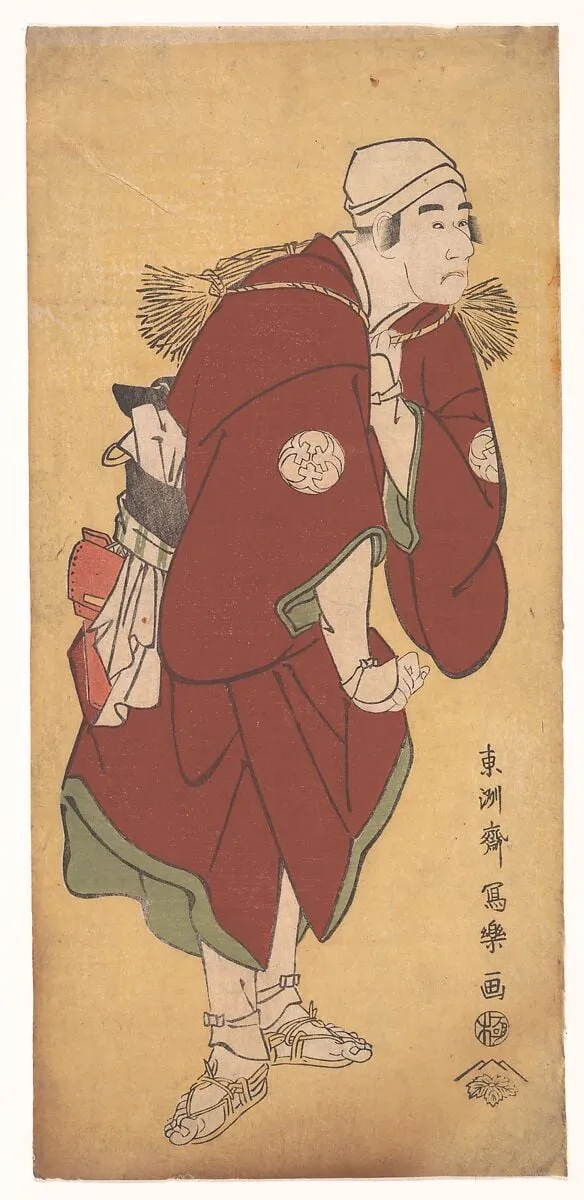
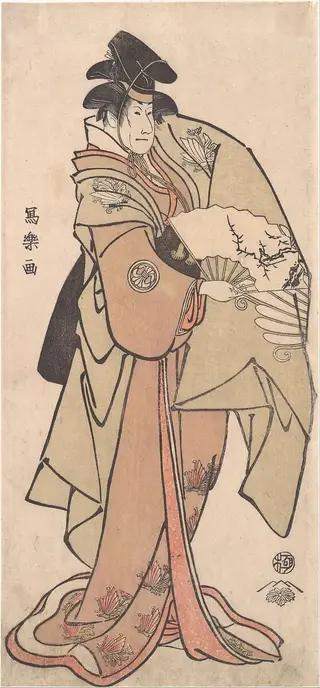
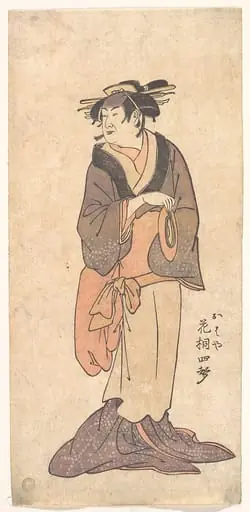
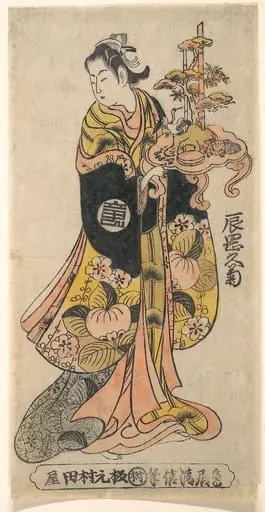
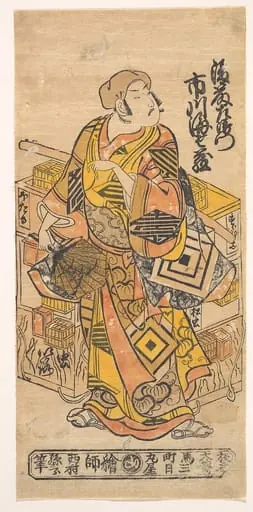
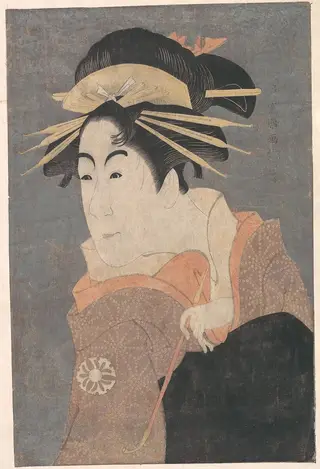
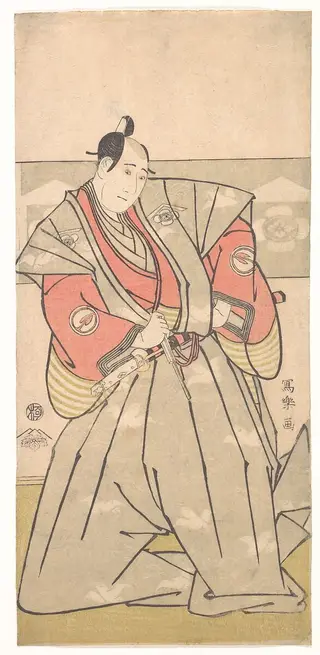
Untitled is an ink print by the Romanticist artist Tōshūsai Sharaku. It dates from 1794 and is held in the collection of the Metropolitan Museum of Art.
About this work
Subject & Meaning
The work functions as both a portrait and a cultural record of Edo‑period stage stars, symbolizing the prominence of actor imagery within Japanese popular art.
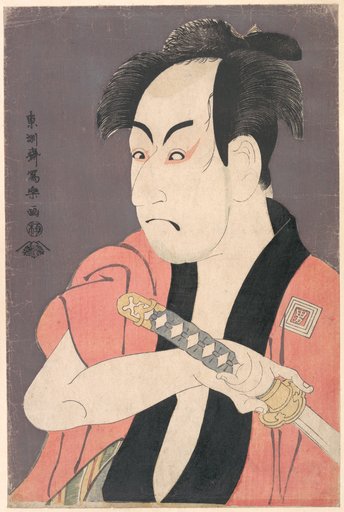
The print portrays the celebrated kabuki actor Bandō Mitsugorō II in a dynamic pose characteristic of his dramatic roles. Sharaku’s exaggerated facial features and bold line work emphasize the performer’s theatrical intensity, reflecting the ukiyo‑e tradition of capturing contemporary celebrities. The work functions as both a portrait and a cultural record of Edo‑period stage stars, symbolizing the prominence of actor imagery within Japanese popular art.
Technique & Style
The work is a woodblock print executed in ink and color on paper, a technique characteristic of Japanese ukiyo-e production. It is classified as a nishiki-e, a polychrome "brocade print" that allowed for a wide range of colors through the registration of multiple blocks. Within the ukiyo-e tradition, the print belongs to the yakusha-e genre, a category devoted to actor portraits.
Stylistically, the composition focuses on the depicted figure, the actor Bandō Mitsugorō II, presented as a portrait. The print was produced in 1794, during the brief period in which Sharaku was active.
History & Provenance
Created in 1794, this woodblock print was produced by the artist Tōshūsai Sharaku. The work, executed in ink and color on paper, depicts the actor Bandō Mitsugorō II. It is currently held in the collection of the Metropolitan Museum of Art.
The piece is classified as a portrait within the ukiyo-e tradition, specifically falling under the genres of nishiki-e and yakusha-e.
The woodblock print Untitled by Tōshūsai Sharaku, depicting the actor Bandō Mitsugorō II, is held in the collection of the Metropolitan Museum of Art. Created in 1794, this ukiyo-e piece is classified within the museum's holdings as a nishiki-e and yakusha-e print. The work was produced using ink and color on paper, representing a significant example of Sharaku's portraiture from that specific year.
Overview
Created in 1794, this woodblock print by Tōshūsai Sharaku is a quintessential example of the artist's brief but revolutionary career in ukiyo-e. The work depicts a close-up portrait of a kabuki actor, characterized by the artist's signature style of extreme psychological intensity and caricature. The composition is dominated by the subject's face, which fills the frame to emphasize expressive features: wide, staring eyes, a sharp nose, and tightly pressed lips.
Sharaku employs bold, thick outlines and flat areas of color to create a graphic, almost cartoonish impact that contrasts with the softer, more idealized portraits typical of the era. The pale skin and black hair tied in a traditional knot further define the subject's identity within the theatrical context. Produced during Sharaku's ten-month burst of activity between 1794 and 1795, this print reflects his unique approach to capturing the inner character and dramatic tension of actors, rather than merely their physical likeness.
Although the artist's identity and the reasons for his sudden disappearance remain subjects of historical debate, works like this established his reputation for unflinching realism and remain central to the history of Japanese printmaking.
Legacy
Although unpopular in his own time, Sharaku’s portraits have come to be valued for their unflinching realism and psychological depth. The stark visual language of this print has influenced later Japanese and Western artists who explore the intersection of performance and identity, cementing Sharaku’s reputation as a pivotal, if mysterious, figure in the history of printmaking.
Artist & collection

 Untitled
 Untitled
 Untitled
 Untitled
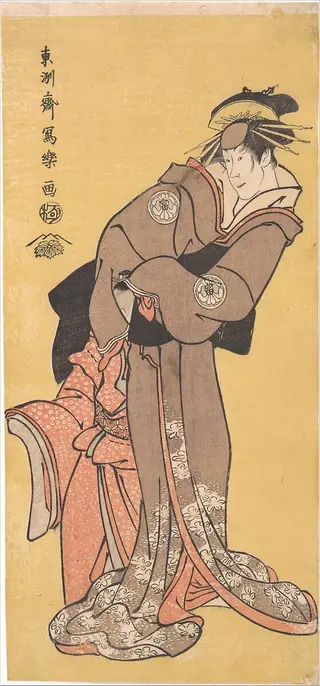
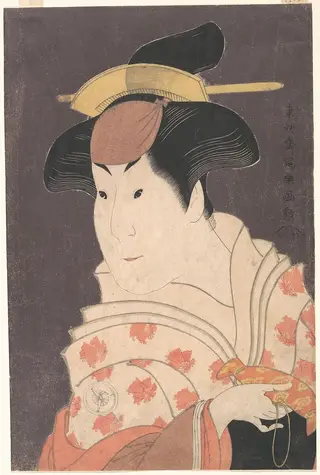 東洲斎写楽画 四代岩井半四郎の重の井 『恋女房染分手綱』|Iwai Hanshirō IV as Shigenoi in the Play "Koinyōbō Somewake Tazuna"
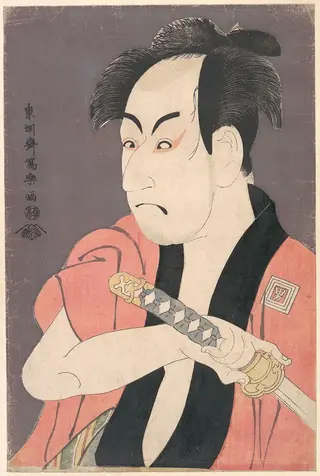 東洲斎写楽画 初代市川男女蔵の奴一平 『恋女房染分手綱』|Ichikawa Omezō I in the Role of Yakko Ippei from the Play "Koinyōbō somewake tazuna"
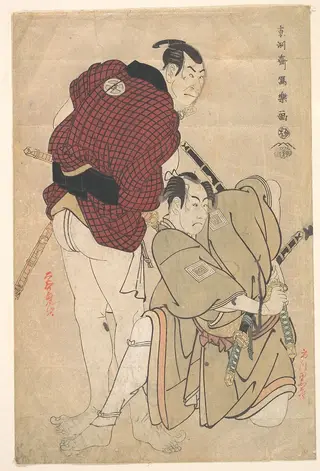
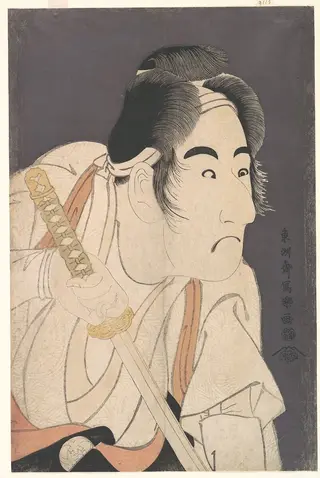 東洲斎写楽画 二世坂東三津五郎の石井源蔵 『花菖蒲文禄曽我』|Bandō Mitsugorō II as Ishii Genzō in the Play "Hana-ayame Bunroku Soga"
 Untitled