Artwork
Portrait of Kō Sūkoku
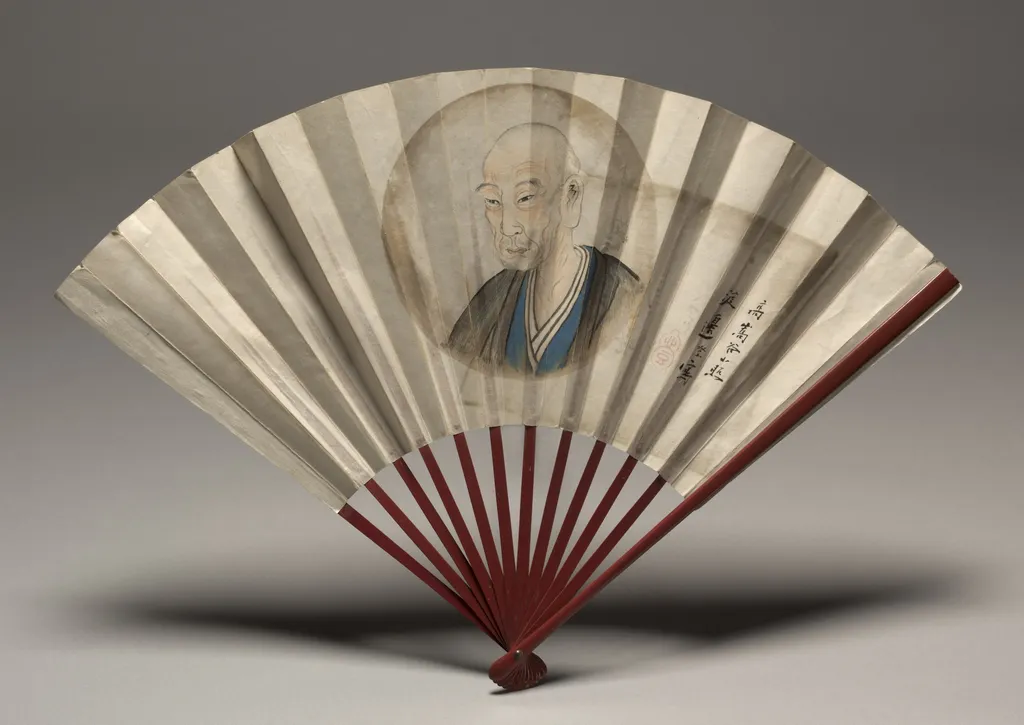
Portrait of Kō Sūkoku is an unspecified painting by the Nanga artist Tani Bunchō. It dates from 1817 and is held in the collection of the Cleveland Museum of Art.
About this work
Technique & Style
Its formal qualities align with the portrait genre, emphasizing a representation of the sitter within a straightforward composition.
Portrait of Kō Sūkoku is an 1817 painting produced in Japan by the artist Tani Bunchō (1763–1841). The work is classified as a portrait and belongs to the Cleveland Museum of Art, where it is housed. As a painting, it is executed on a flat support, though specific details of the technique, surface handling, or current condition are not recorded in the available documentation.
Its formal qualities align with the portrait genre, emphasizing a representation of the sitter within a straightforward composition.
History & Provenance
Created in 1817 in Japan, this portrait is attributed to the artist Tani Bunchō. The painting entered the collection of the Cleveland Museum of Art, where it is currently held. No specific details regarding the original commission, the identity of the sitter beyond the title, or the intermediate ownership history between its creation in 1817 and its acquisition by the museum are provided in the available sources.
The records do not give an explicit inventory or accession number, nor do they list any exhibition history for the work.
Overview
The "Portrait of Kō Sūkoku" is a painting by the Japanese artist Tani Bunchō, completed in 1817. This artwork is presented on a hand fan, featuring a carefully rendered likeness of its subject. It is currently housed in the collection of The Cleveland Museum of Art, offering insight into early 19th-century Japanese portraiture and the integration of art into functional objects.
Subject & Meaning
The portrait depicts an older man, Kō Sūkoku, characterized by his shaved head and a gentle, subtle smile. He is shown wearing a dark robe accented with a blue collar, against an unadorned background that focuses attention on his facial features. This direct presentation emphasizes the individual's presence, typical of personal portraits intended to capture a specific likeness.
Own this work as a print
Artist & collection


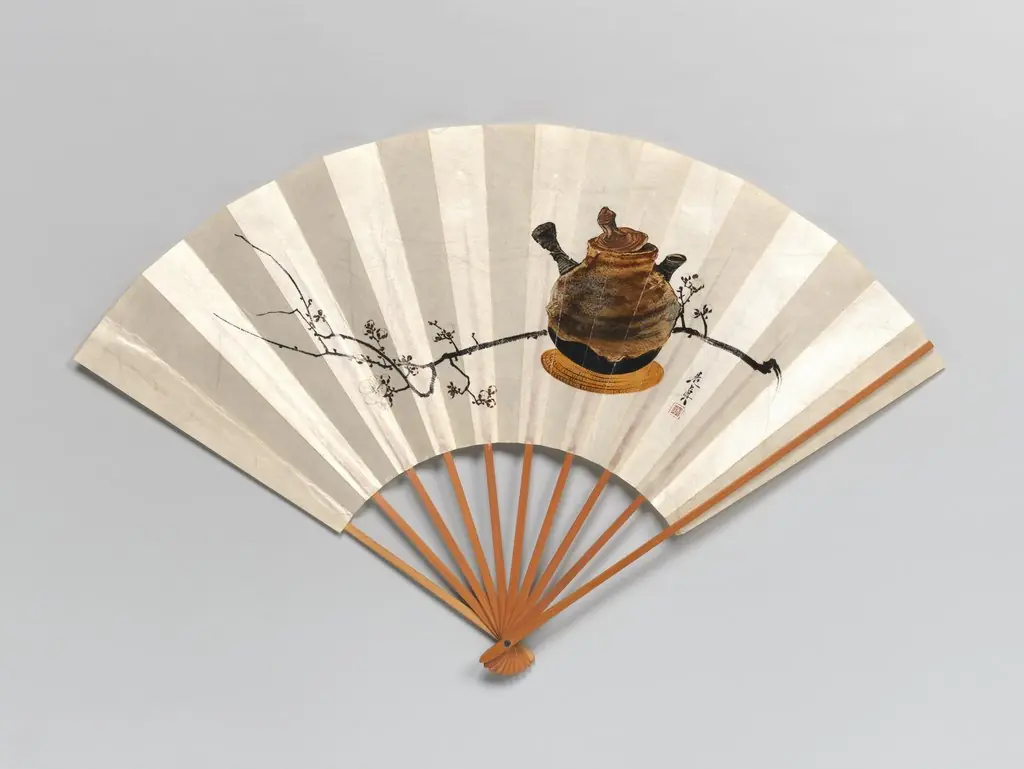 Plum Branch and Teapot
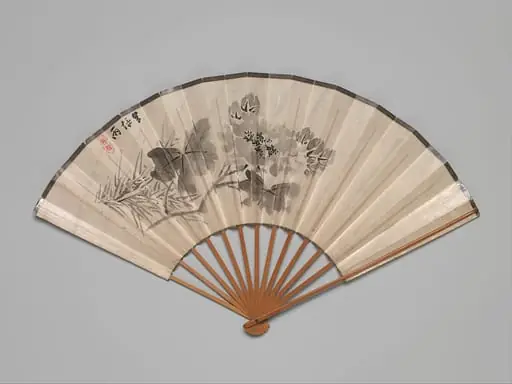 高橋草坪筆 牡丹図|Peony
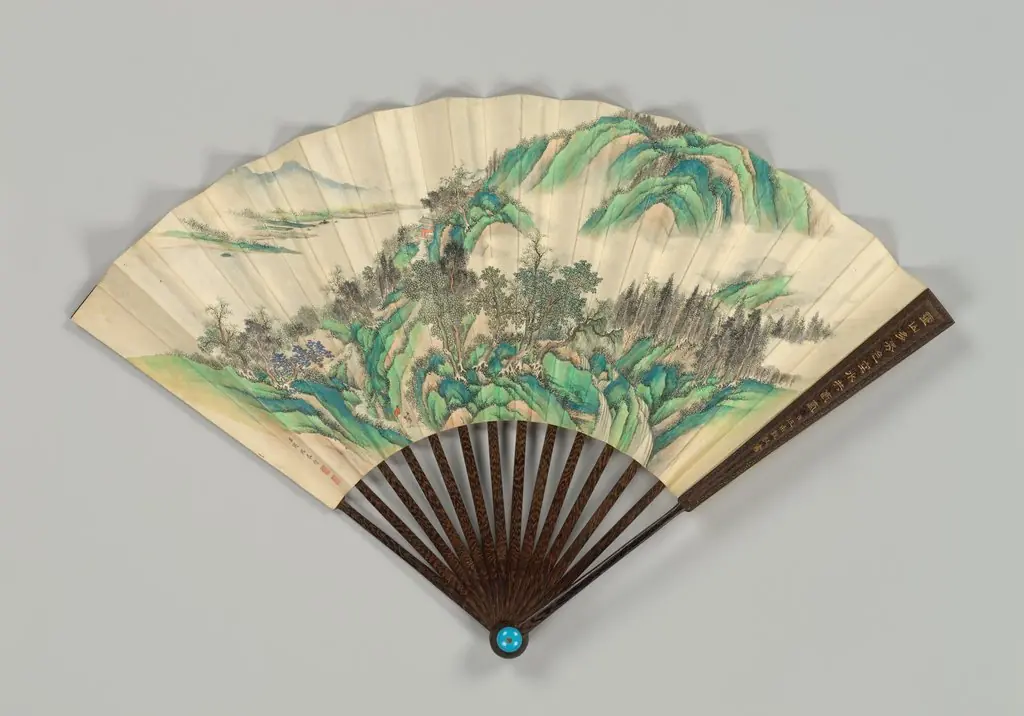 Fan
Fan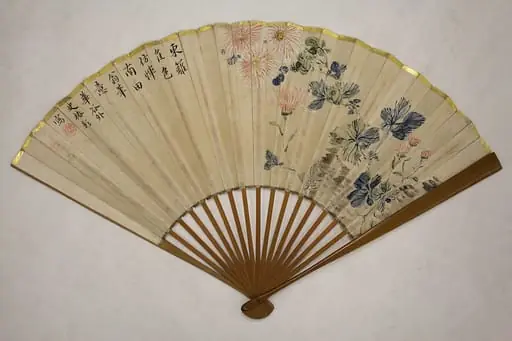 Untitled
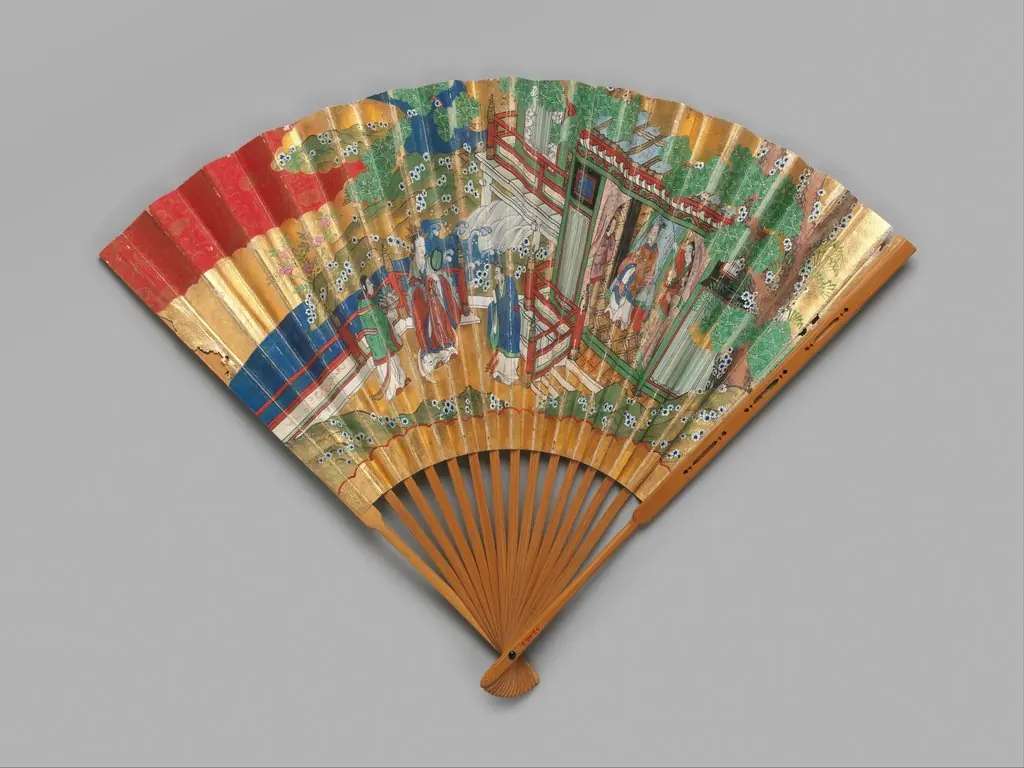 Chūkei Fan with Queen Mother of the West and King Mu of Zhou (obverse) and Plum Tree and Young Pines (reverse)
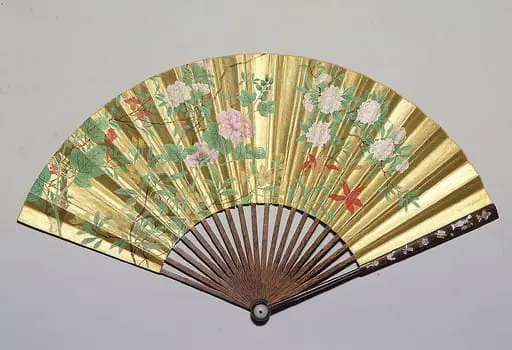 清 佚名 夏花圖 扇|Summer Flowers
 Eventail plié
 Chrysanthemum
 Chūkei Fan with Queen Mother of the West and King Mu of Zhou (obverse) and Plum Tree and Young Pines (reverse)
 Bush Clover
- Portrait of Kō Sūkoku
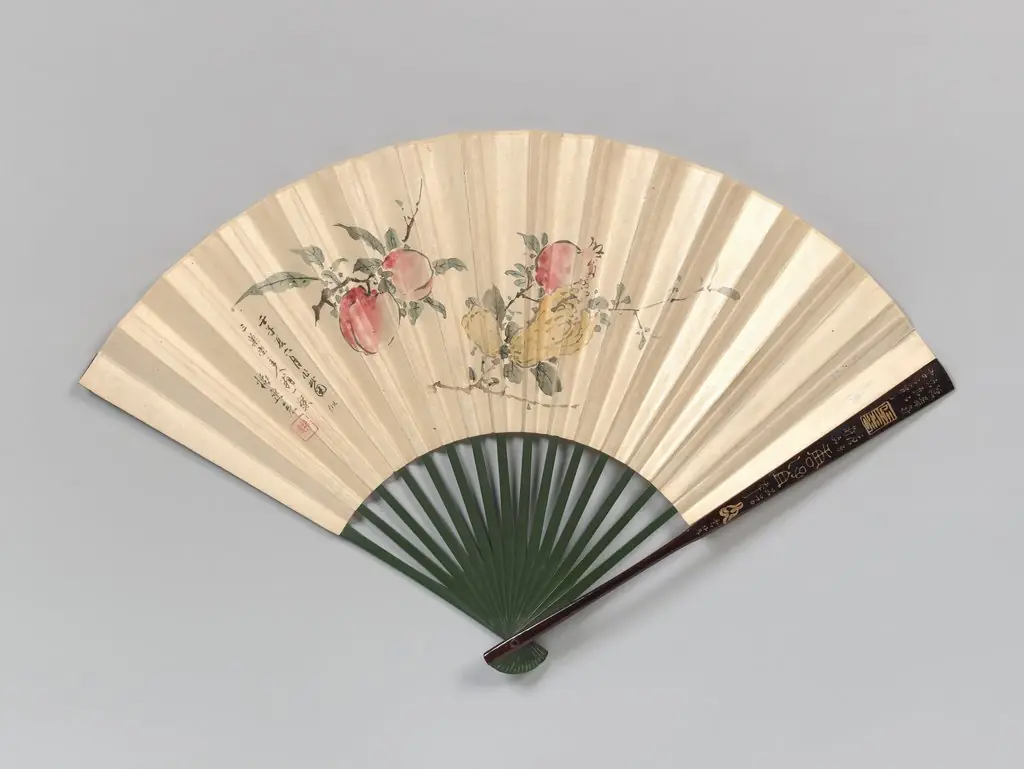 Peaches, Pomegranate, and Fingered Citron