Artwork
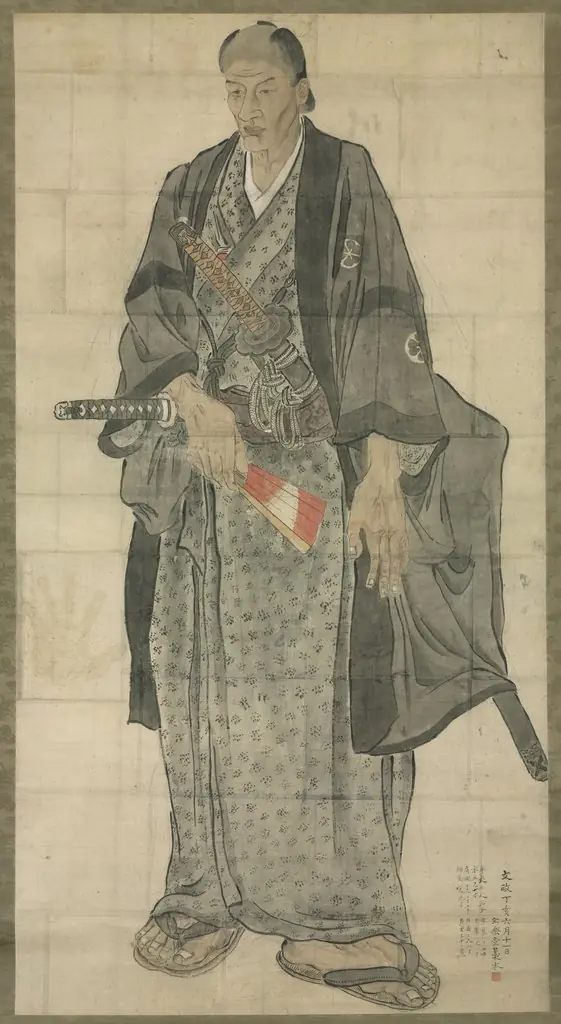
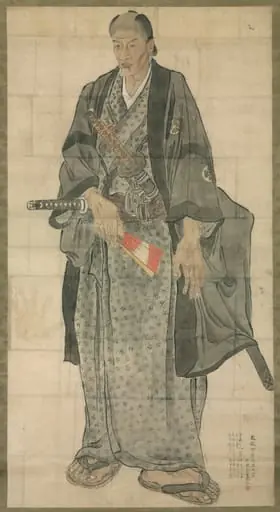
Portrait of Kō Sūkoku
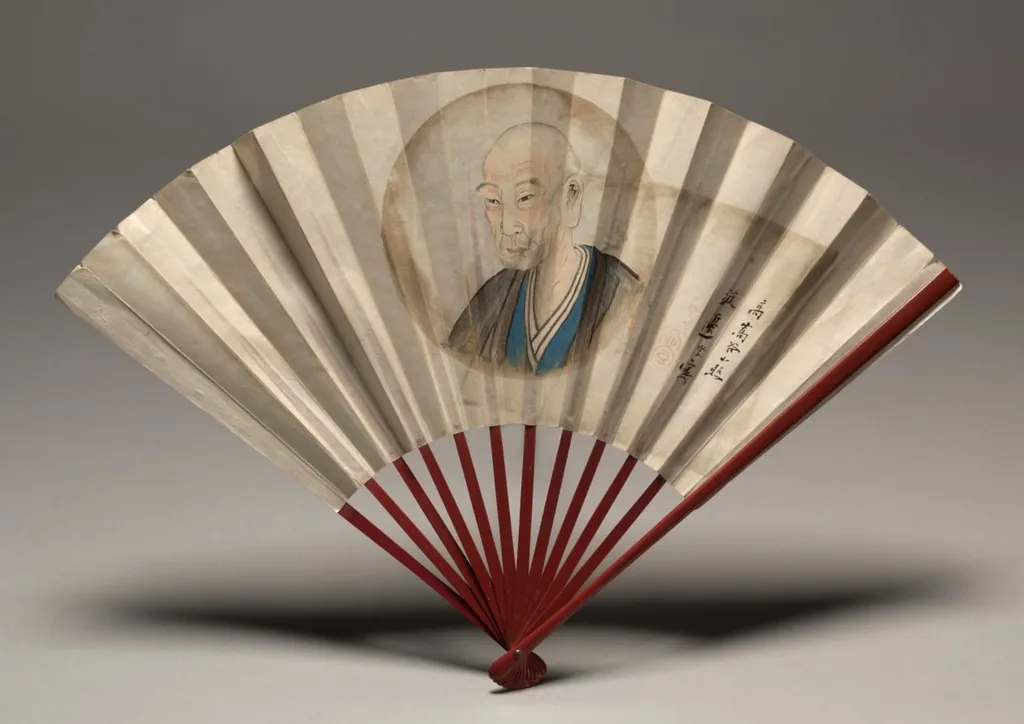
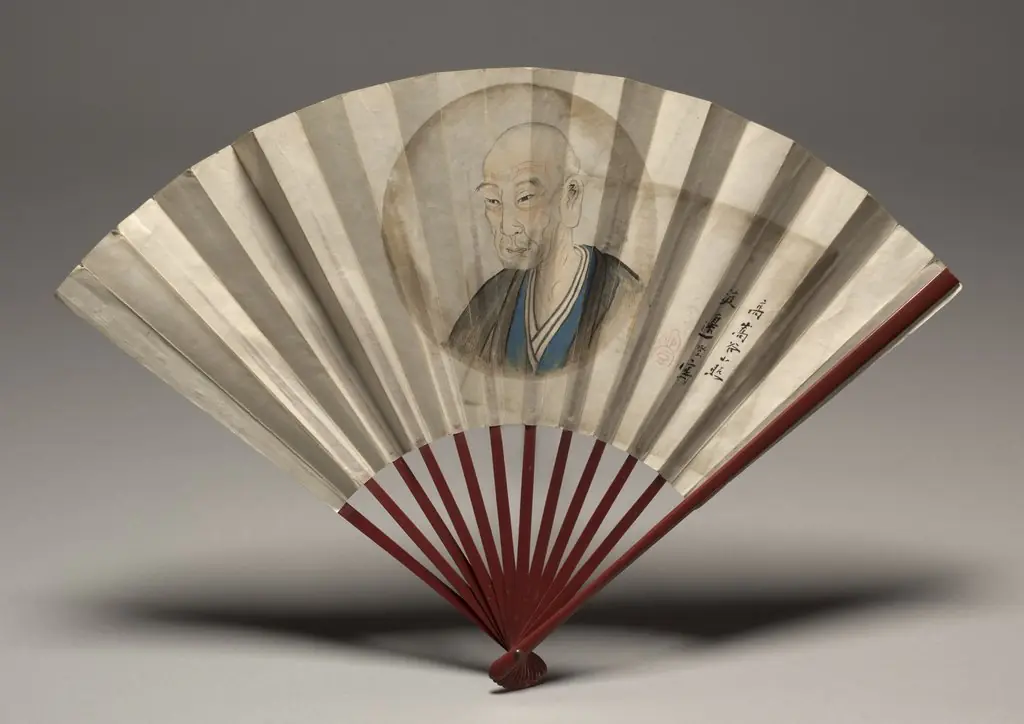
Portrait of Kō Sūkoku is an unspecified painting by the Joseon dynasty painting artist Watanabe Kazan. It dates from 1817 and is held in the collection of the Cleveland Museum of Art.
- Accession no.
- 1976.8
- Credit line
- James Parmelee Fund
About this work
It’s about a grave, warm sake, and the cold, odd words for a memorial.
This painting shows a man in a dark robe with a faint smile. His eyes look tired, but his mouth curls up just a bit. The background is plain, so all focus stays on his face.
The artist wrote a short, funny poem on the back. It’s about a grave, warm sake, and the cold, odd words for a memorial. Kazan studied under a famous teacher who picked him for this work.
Want to see more like this? Look up Watanabe Kazan (Japanese, 1793–1841).
Overview
The fan painting, executed by Watanabe Kazan (1793–1841), portrays the Edo‑period scholar‑artist Kō Sūkoku (1730–1804). Rendered in a dark robe, the figure’s weary eyes are softened by a faint smile, set against an unadorned background that concentrates attention on his expression.
Subject & Meaning
Kō Sūkoku, a noted literati of the late eighteenth century, is commemorated here in a manner that blends solemnity with a touch of humor. The reverse side bears a brief haikai verse that juxtaposes the preparation of a grave and the warming of sake, invoking the cold, a playful contrast to typical memorial conventions.
Technique & Style
Kazán employs a restrained brushwork typical of his school, emphasizing tonal subtlety over decorative detail. The fan format, a portable medium, allows for an intimate, close‑up portrayal, while the plain backdrop underscores the sitter’s visage as the focal point.
History & Provenance
Kazán was a disciple of the eminent painter Tani Bunchō, with whom he first encountered in 1817, the thirteenth anniversary of Sūkoku’s death. In Buddhist tradition that year marks a special memorial service, suggesting the fan was created as part of that observance and possibly involved collaborative input from both master and pupil.
Context
During the Edo period, artists frequently gathered in poetry circles, composing linked verses such as renga and haikai. The inclusion of a light‑hearted poem on a memorial object reflects this cultural milieu, where literary playfulness often accompanied visual art.
Artist & collection


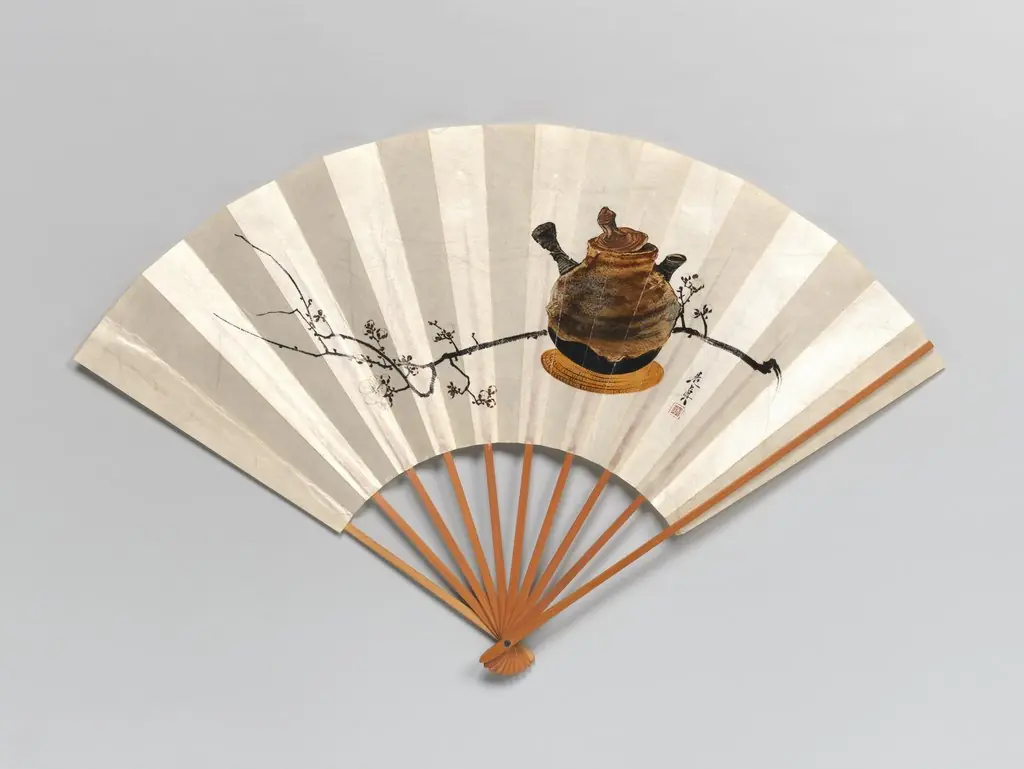 Plum Branch and Teapot
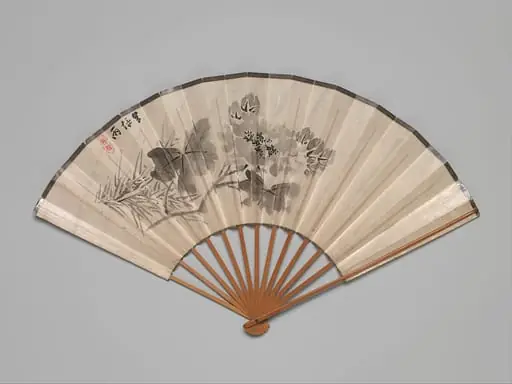 高橋草坪筆 牡丹図|Peony
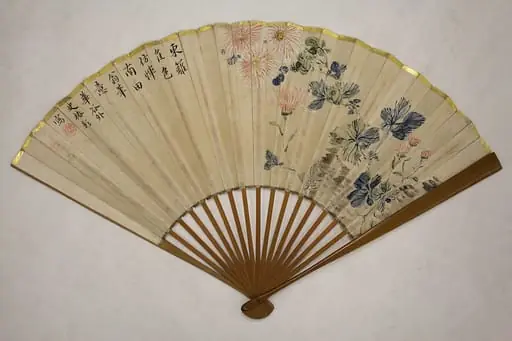 Untitled
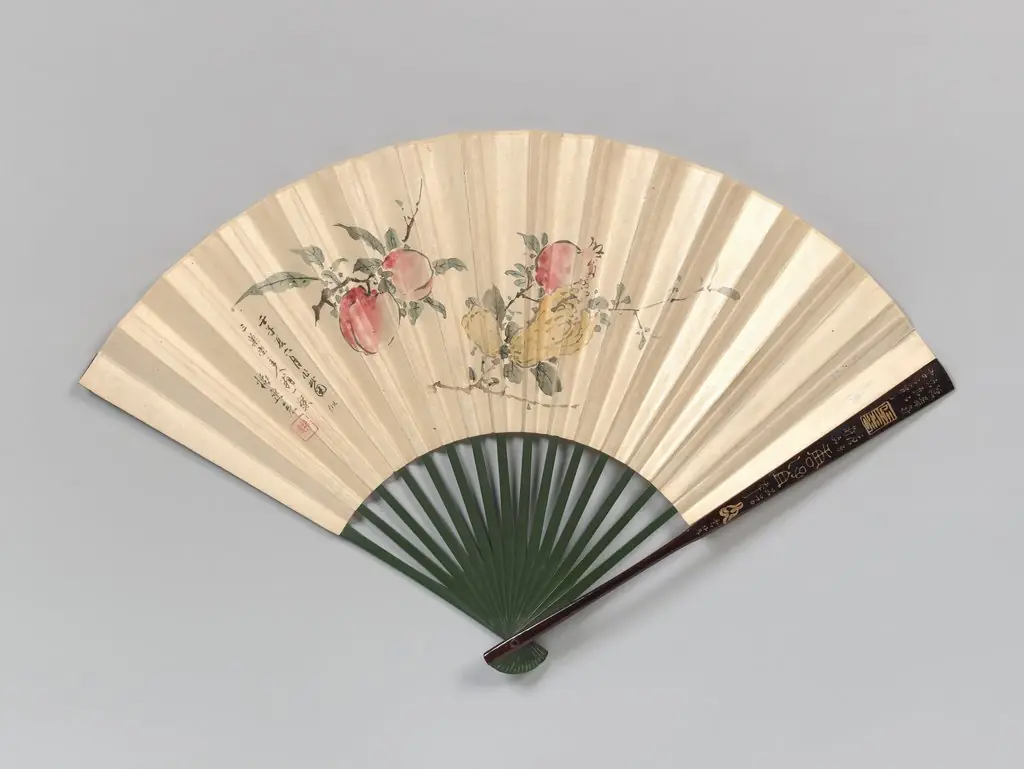 Peaches, Pomegranate, and Fingered Citron
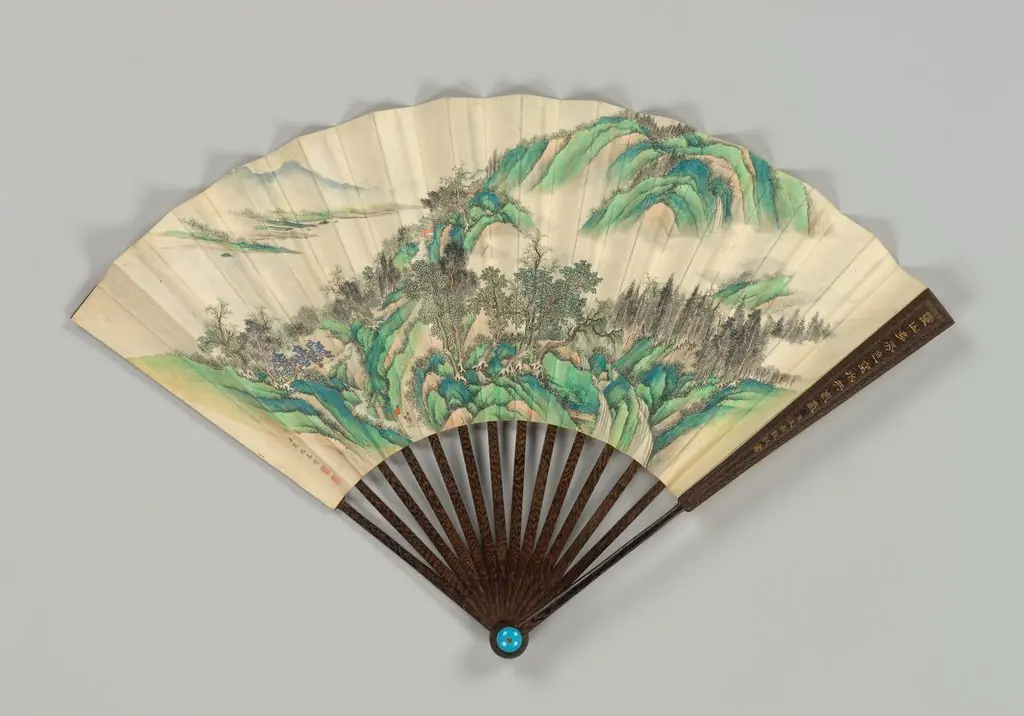 Fan
Fan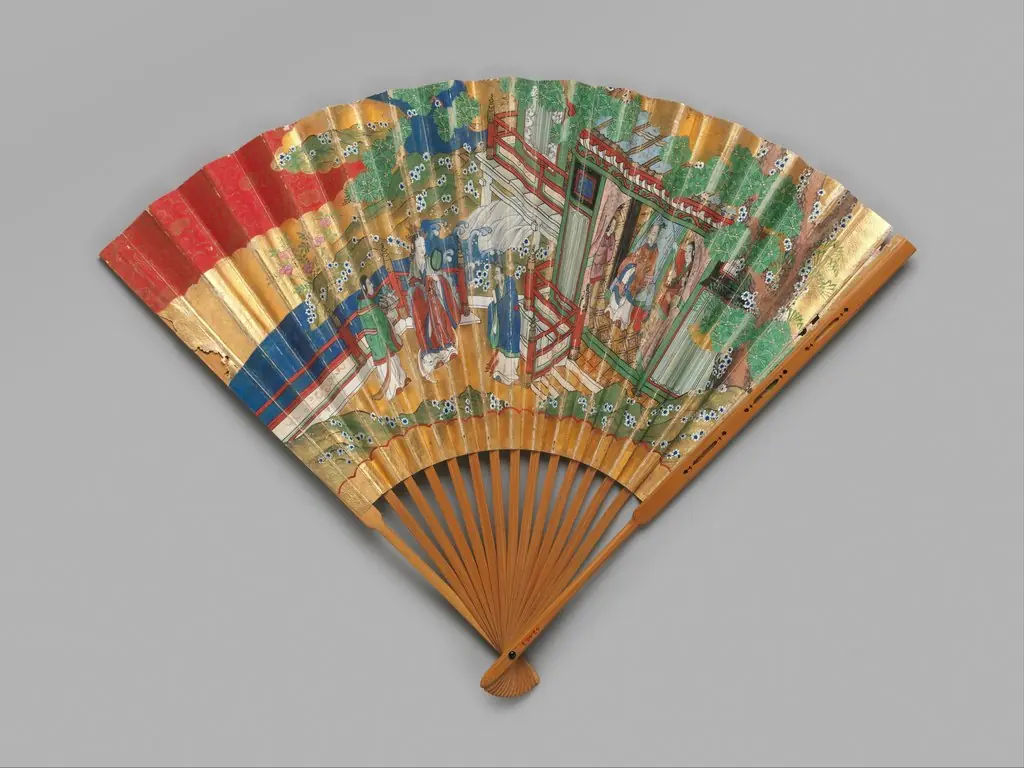 Chūkei Fan with Queen Mother of the West and King Mu of Zhou (obverse) and Plum Tree and Young Pines (reverse)
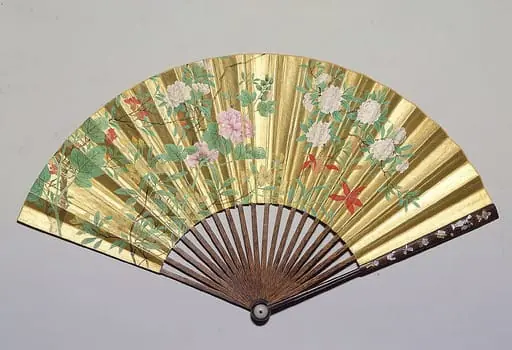 清 佚名 夏花圖 扇|Summer Flowers
 Eventail plié
 Eventail plié
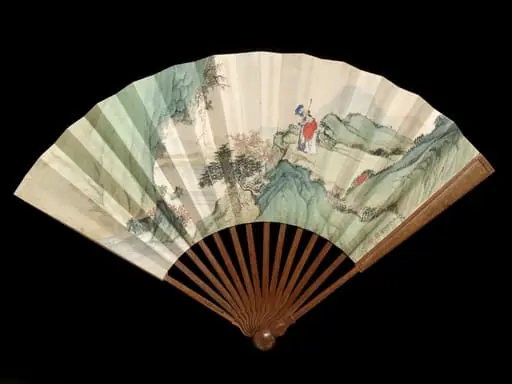 Figures in Landscape
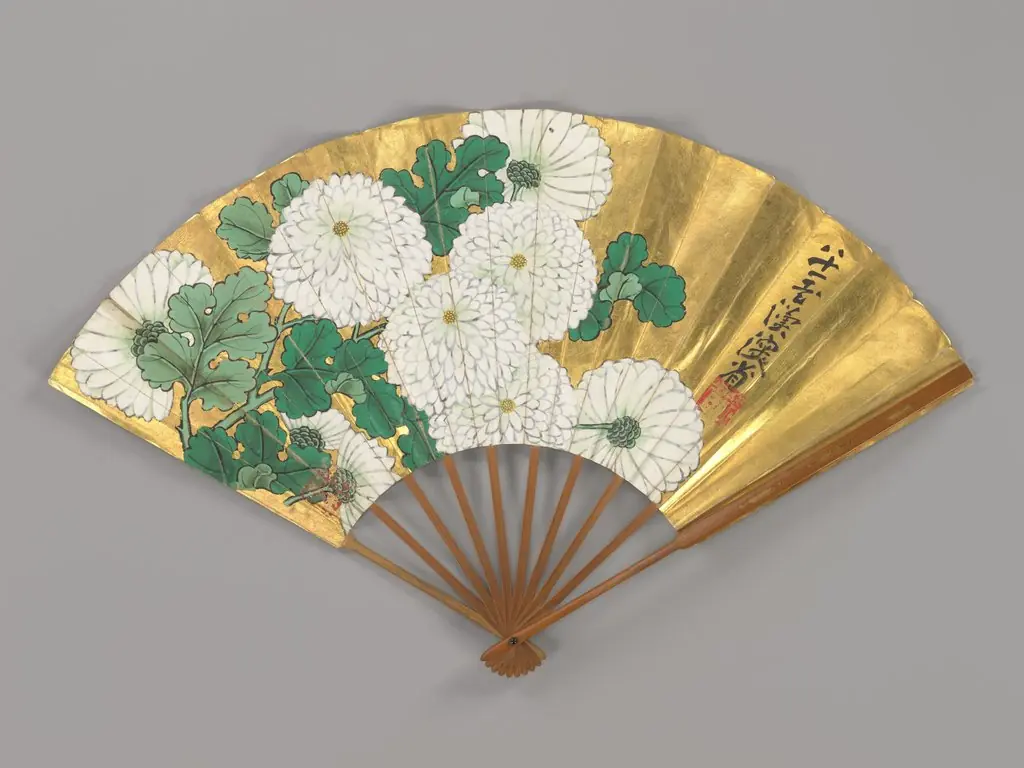 Chrysanthemum
- Portrait of Kō Sūkoku