Artwork
Untitled
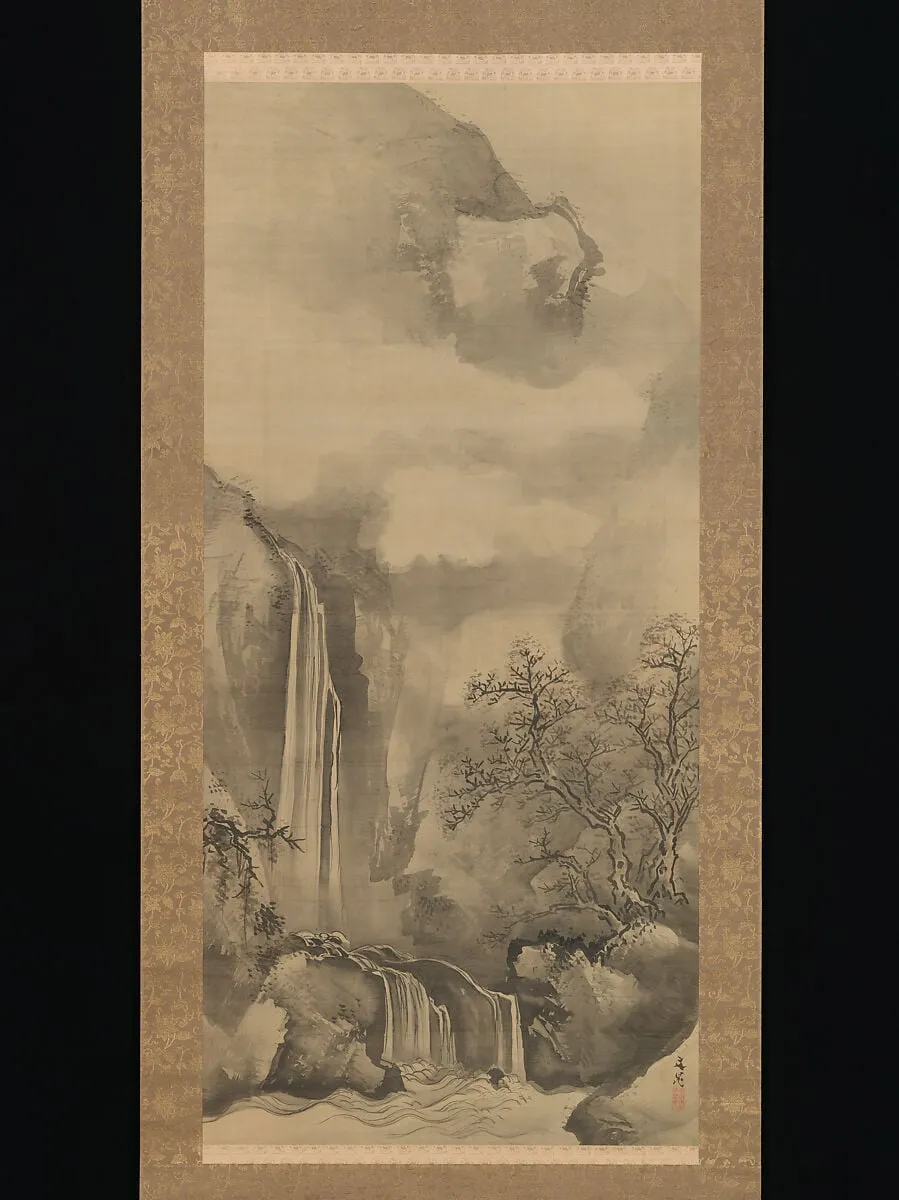
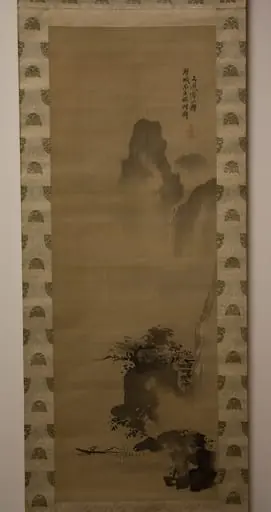
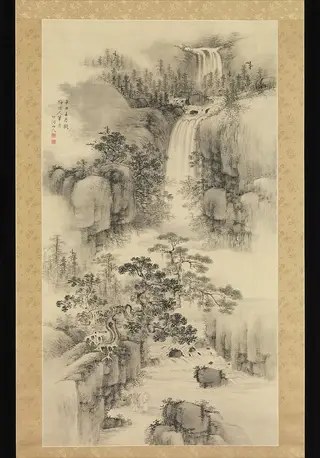
Untitled is an ink painting by the Baroque artist Tani Bunchō. It dates from 1828 and is held in the collection of the Metropolitan Museum of Art.
About this work
Subject & Meaning
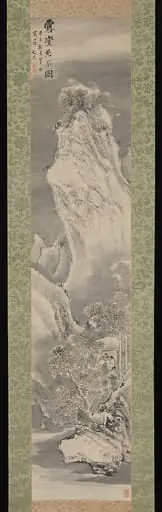
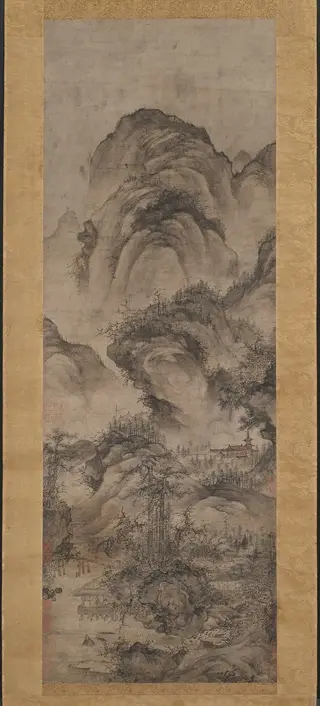
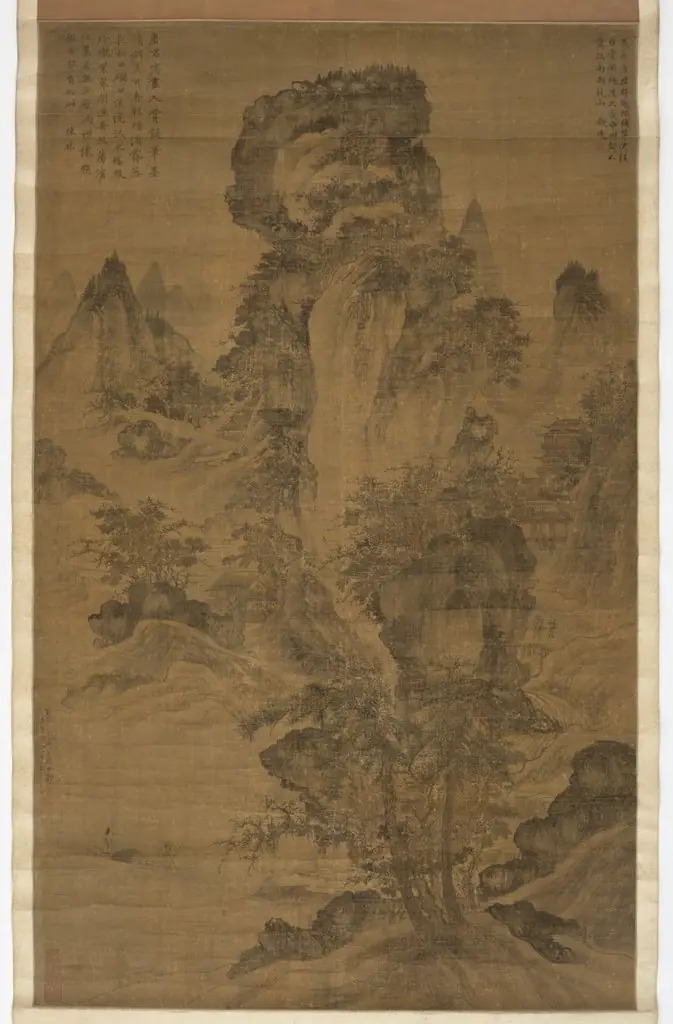
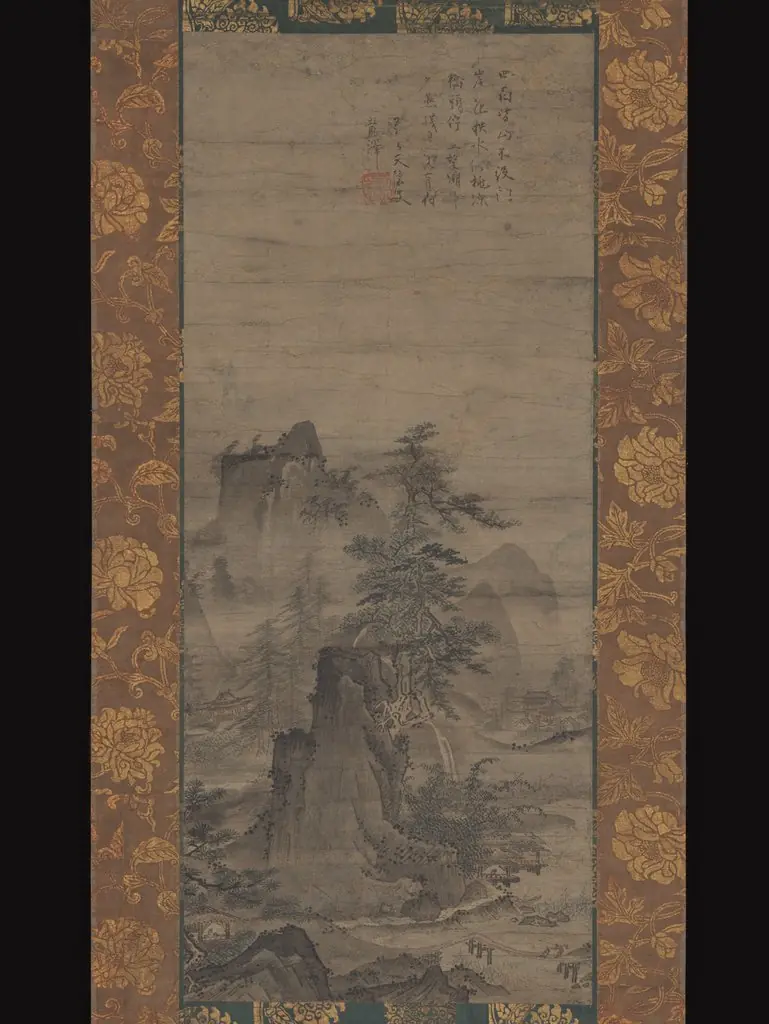
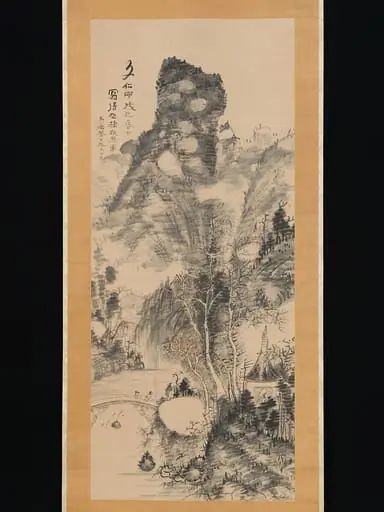
It belongs to the landscape genre and, according to the documented description, portrays a mountain alongside a waterfall.
The work titled Untitled is a hanging scroll painted in ink on silk by Tani Bunchō in 1749. It belongs to the landscape genre and, according to the documented description, portrays a mountain alongside a waterfall. As a landscape painting from the Edo period, its subject consists of natural topographical elements that emphasize the visual experience of mountainous terrain and flowing water.
The depiction functions as an artistic representation of the natural environment rather than a narrative or symbolic scene, reflecting the period’s interest in capturing the grandeur and serene qualities of untouched landscapes.
Technique & Style
Executed as a hanging scroll in ink on silk, this work by Tani Bunchō employs monochrome brushwork on a textile support typical of East Asian painting traditions. The medium and format place it within the conventions of literati-style landscape painting, where ink alone must convey tonal range, texture, and atmospheric depth. The scroll format allows for vertical viewing and gradual revelation of the composition, suited to the depiction of mountainous terrain and falling water.
No additional information regarding specific brush techniques, pigment preparation, silk condition, or stylistic details is available in the provided sources.
History & Provenance
The work Untitled was produced in 1749 in Japan by the Japanese painter Tani Bunchō, who was active from 1763 to 1841. Executed as a hanging scroll in ink on silk, it belongs to the landscape genre and portrays a mountain and waterfall. According to the documented creation record, the piece was made in Japan and later entered the collection of the Metropolitan Museum of Art, where it remains on view.
No commission details are recorded, but the dating and origin are established through the artist’s known activity and the scroll’s material specifications.
The painting is held in the collection of the Metropolitan Museum of Art, as recorded in its Wikidata entry. Both the creator and location fields in the linked Wikidata record identify the work as part of the Metropolitan Museum of Art's holdings. The sources do not specify an inventory or accession number, nor do they document any exhibition history for the work.
Overview
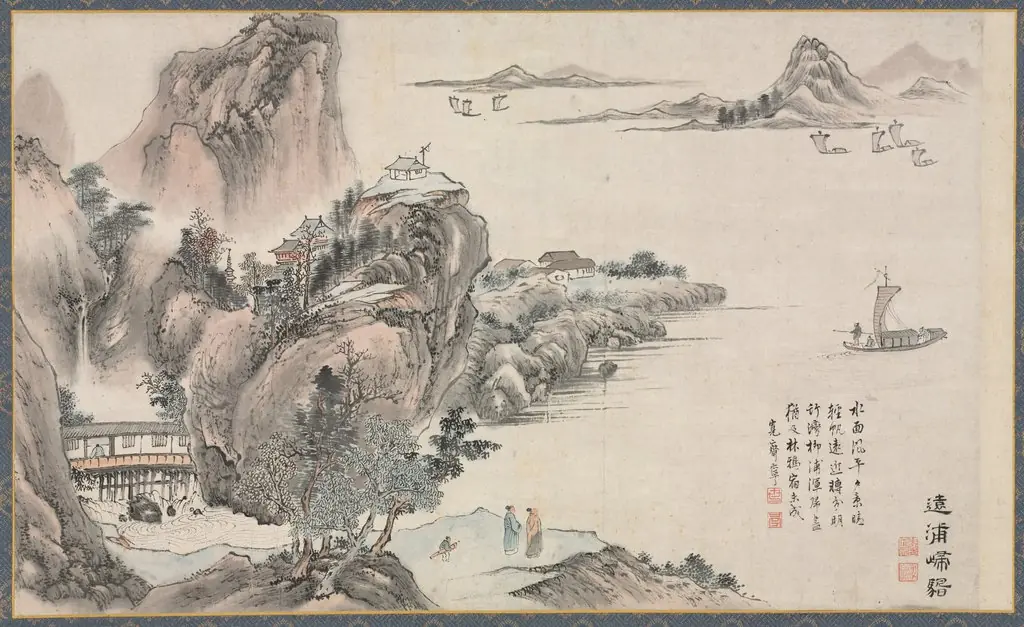
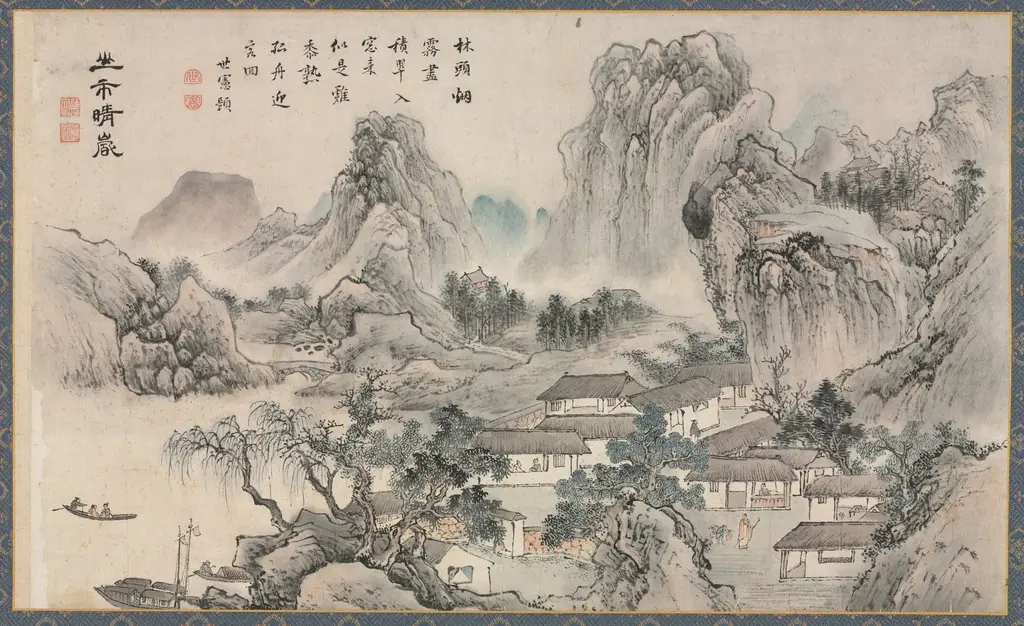
Painted in 1828 by Tani Bunchō, this hanging scroll depicts a dramatic mountain landscape centered on a tall waterfall cascading down a rocky cliff. Executed in ink on silk, the work exemplifies the artist's synthesis of Japanese and Chinese artistic traditions, a hallmark of the Nanga (literati) school to which he belonged. The composition utilizes jagged peaks and atmospheric mist to frame the central water feature, creating a sense of vertical depth and grandeur.
Bunchō employs soft, fluid brushstrokes to render the falling water, capturing its motion and volume within the monochromatic palette. This piece reflects the early 19th-century Japanese revival of Chinese literati painting styles, adapted with a distinct sensitivity to local aesthetics and natural observation. As a mature work by Bunchō, who was a leading figure in the Edo-period art world, it demonstrates his technical mastery in ink wash techniques and his ability to evoke the sublime power of nature.
The painting stands as a significant example of how Japanese artists reinterpreted Chinese models to create a unique visual language during the late Edo period.
Context
Tani Bunchō belonged to a generation of artists who actively synthesized diverse aesthetic influences, merging indigenous Japanese sensibilities with established Chinese painting conventions. This untitled work from 1828 stands as an example of his distinctive style, where traditional ink techniques are applied to create a deeply personal and contemplative vision of the natural world, characteristic of Edo period landscape painting.
Artist & collection