Artwork
Classic Landscape
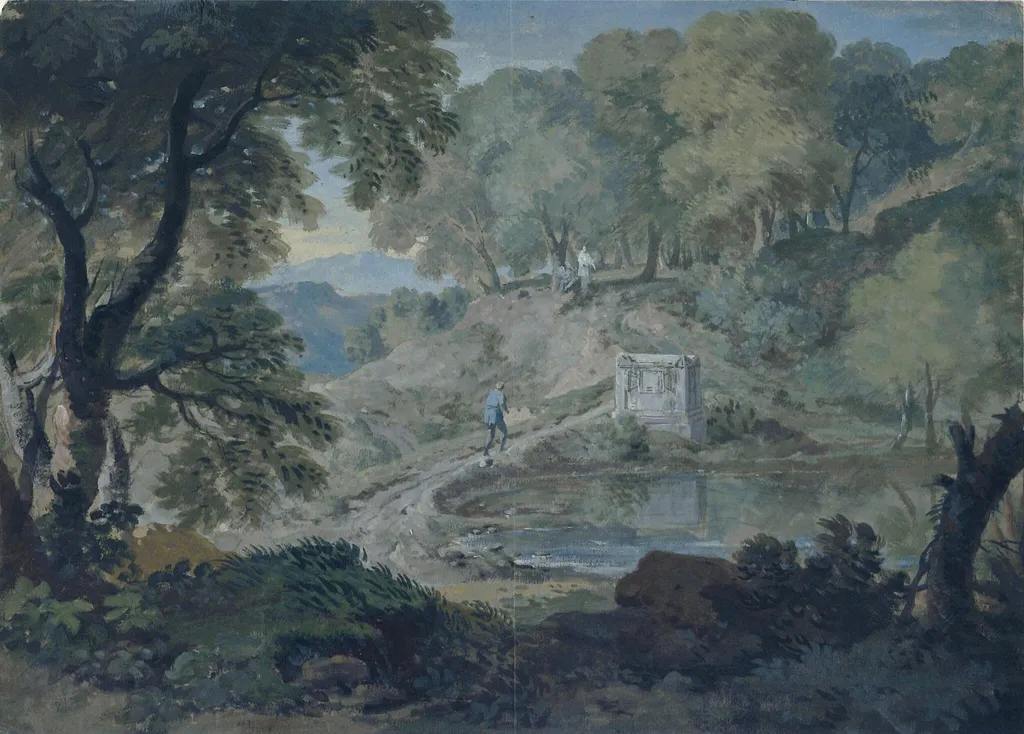
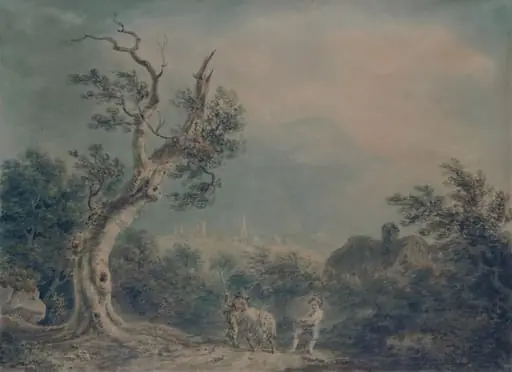
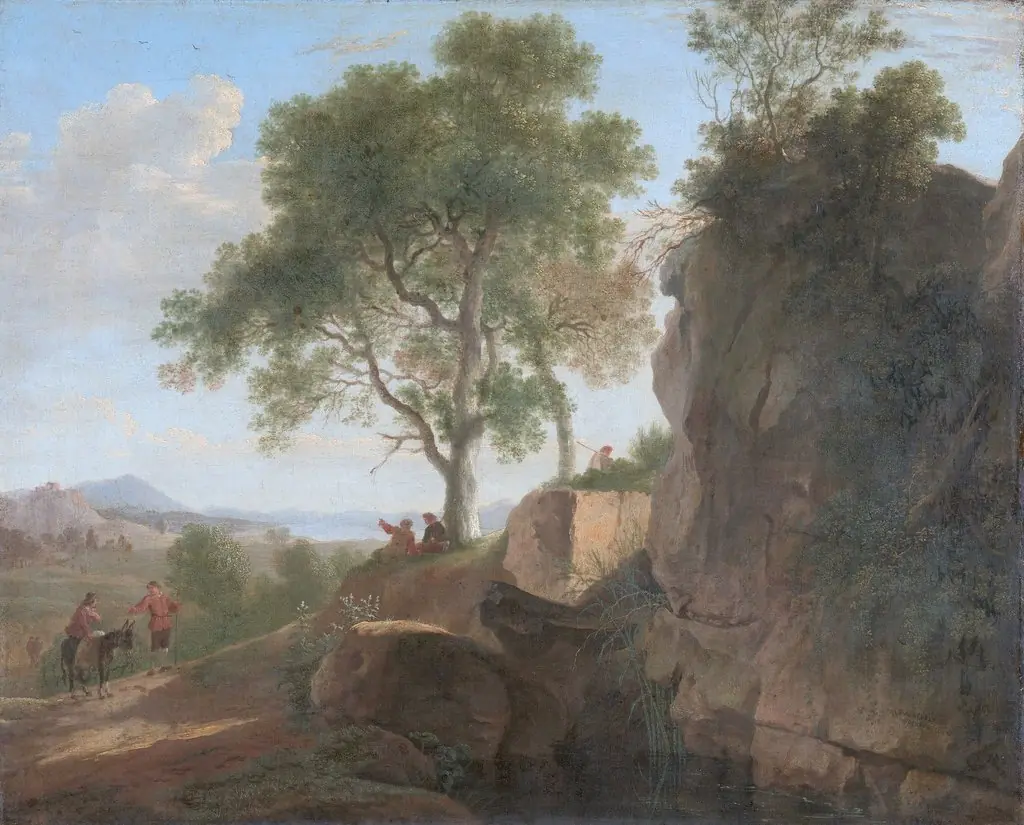
Classic Landscape is a watercolor work on paper by the Baroque artist Taverner. It dates from 1721 and is held in the collection of the Victoria and Albert Museum.
About this work
Overview
The piece is part of the permanent collection at the Victoria and Albert Museum, where it represents early 18th-century British landscape watercolor traditions.
Created in 1721, Classic Landscape is a watercolor work by the artist Taverner. It depicts a tranquil rural scene rendered in delicate, translucent washes. The piece is part of the permanent collection at the Victoria and Albert Museum, where it represents early 18th-century British landscape watercolor traditions.
Its modest scale and intimate tone reflect the period’s preference for personal, observational art over grand historical narratives.
Subject & Meaning
The composition centers on a winding path leading to a crumbling structure resembling a classical temple, nestled beside a still pond. A solitary figure approaches from afar, suggesting contemplation or pilgrimage. The ruins, framed by dense foliage, evoke themes of time and decay, while the untouched natural surroundings imply a quiet harmony between human presence and the enduring landscape. No overt narrative is given, allowing the mood to emerge subtly.
Technique & Style
Taverner employed loose, fluid brushwork to suggest form through tone rather than detail. Soft, layered washes of earthy greens, browns, and muted golds create depth and atmosphere. Sunlight is implied through areas of reserved paper and faint glazes, enhancing the sense of dappled light filtering through trees.
The technique prioritizes immediacy and naturalism, characteristic of watercolor practices in early Georgian England, where spontaneity was valued over precision.
History & Provenance
The work has remained in institutional hands since at least the 19th century, eventually entering the Victoria and Albert Museum’s collection. Its documented history is limited, but its preservation suggests it was recognized early as a representative example of domestic landscape watercolor. No record of private ownership or exhibition prior to the museum’s acquisition is publicly available, indicating it may have been acquired as part of a broader collection of British watercolors.
Context
In the early 1700s, watercolor was gaining traction as a medium for topographical and picturesque studies, often used by amateur artists and travelers. Classic Landscape aligns with this trend, reflecting a growing interest in natural scenery as a subject worthy of artistic attention. Unlike grand oil paintings of the era, such works were intimate, portable, and intended for private contemplation, mirroring Enlightenment ideals of observation and quiet reflection.
Legacy
Taverner’s work contributes to the foundation of British watercolor landscape traditions that would later flourish in the 19th century. While not widely known today, pieces like Classic Landscape illustrate the technical and aesthetic groundwork laid by lesser-known artists who helped elevate watercolor from a sketching tool to a respected medium. Its presence in a major museum underscores its role in documenting the evolution of British artistic practice.
Own this work as a print
Artist & collection
Artist
Taverner kept a tiny wooden box of watercolors under his bed and painted every sunrise for fifty years, even when his hands shook.

- Mountainous Landscape with Figures
 Landscape
 Landscape of a Forest with a Wooden Bridge
 A Mountainous Country
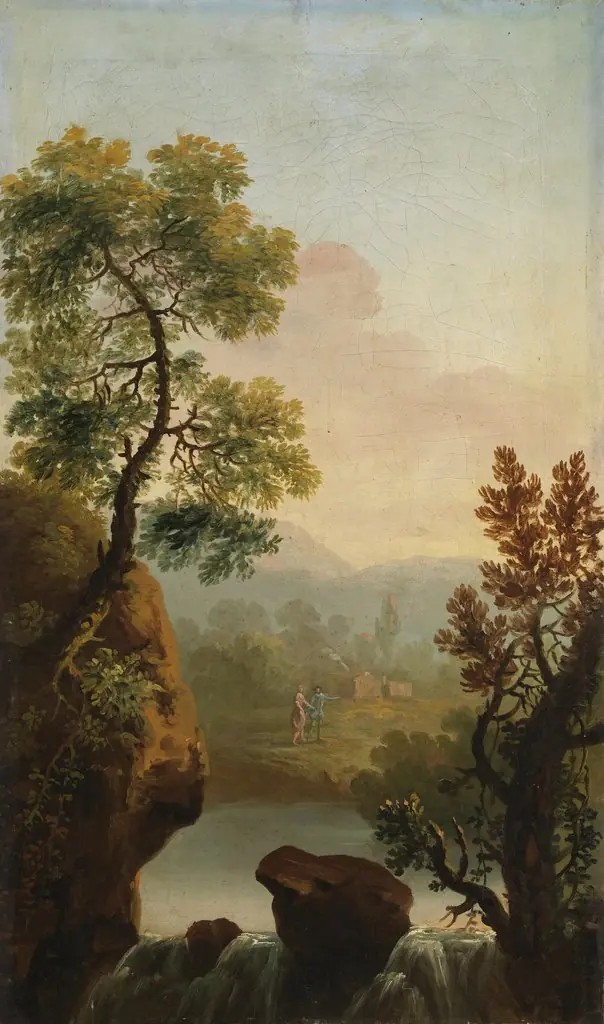 Landscape with Figures in the Background
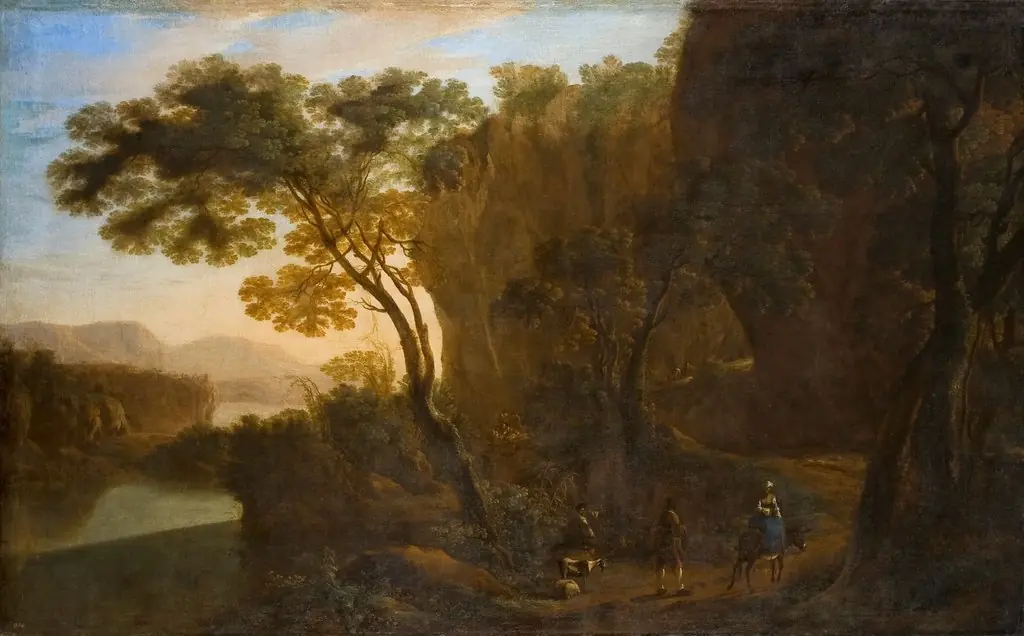 Crossing the Pass
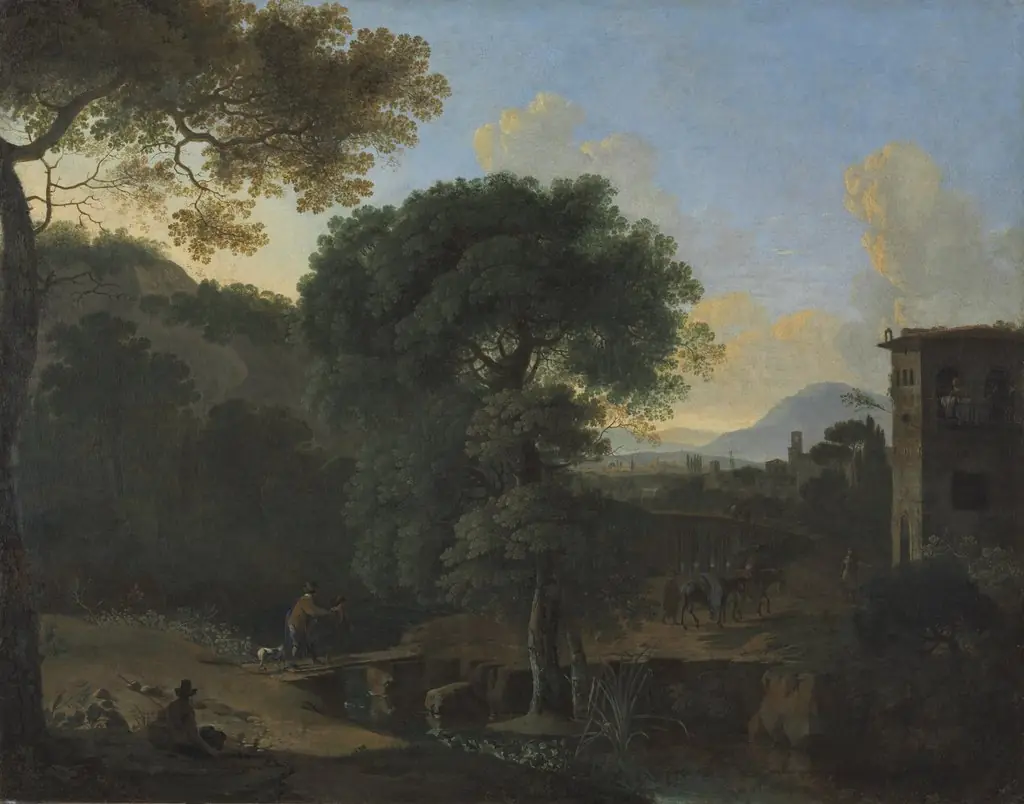 Landscape with Travelers
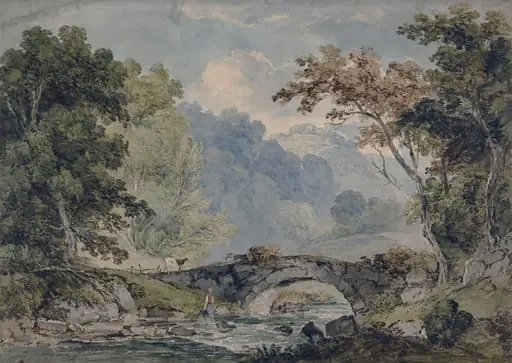 Bridge at Kippenross, near Dunblane
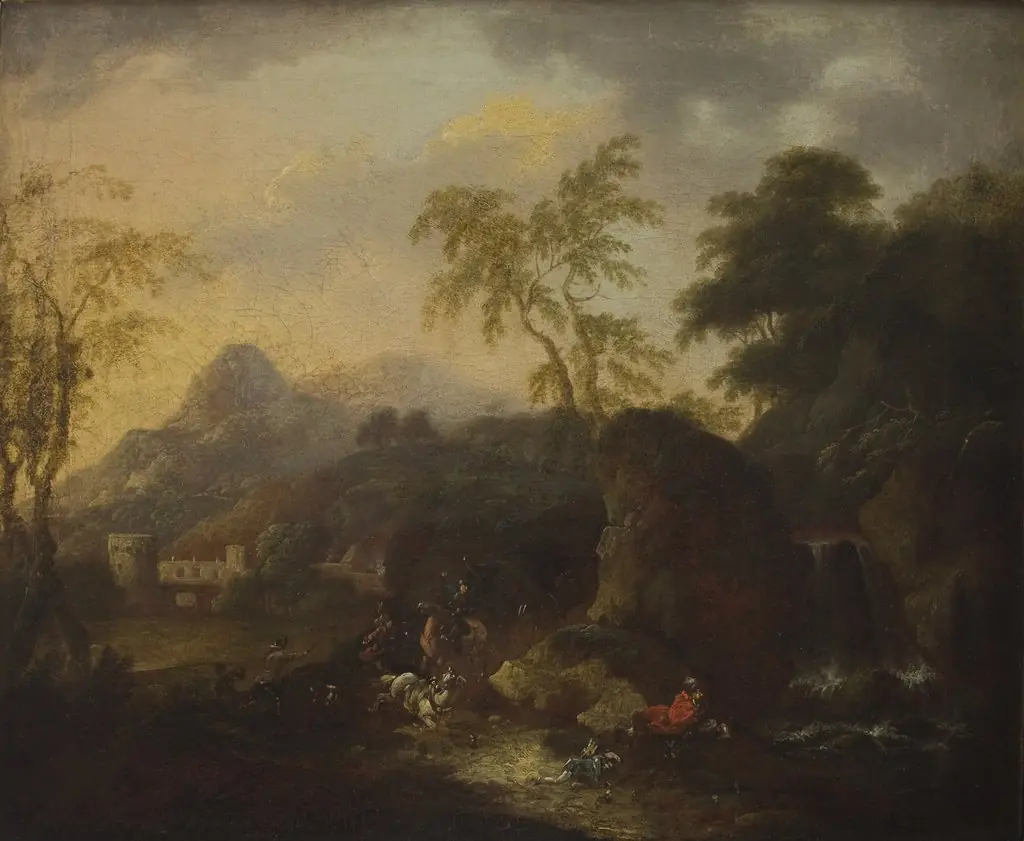 Landscape
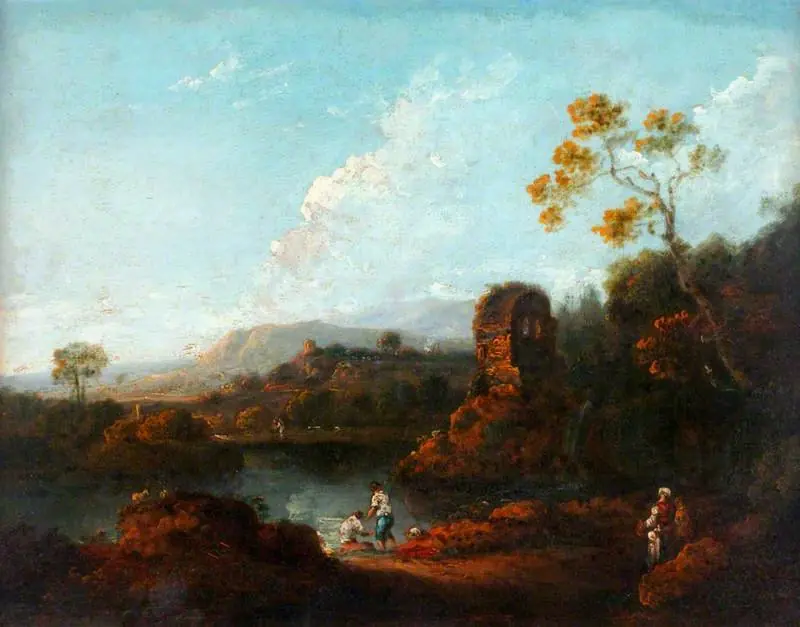 Landscape with a River and Ruins
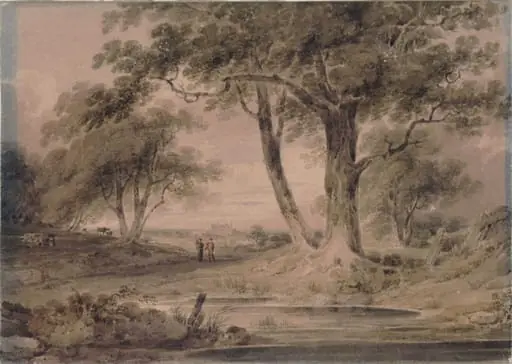 Landscape: Ripon Cathedral in the distance
 Italian landscape