Artwork
Guitar player - Portrait of the Spanish painter Darío de Regoyos
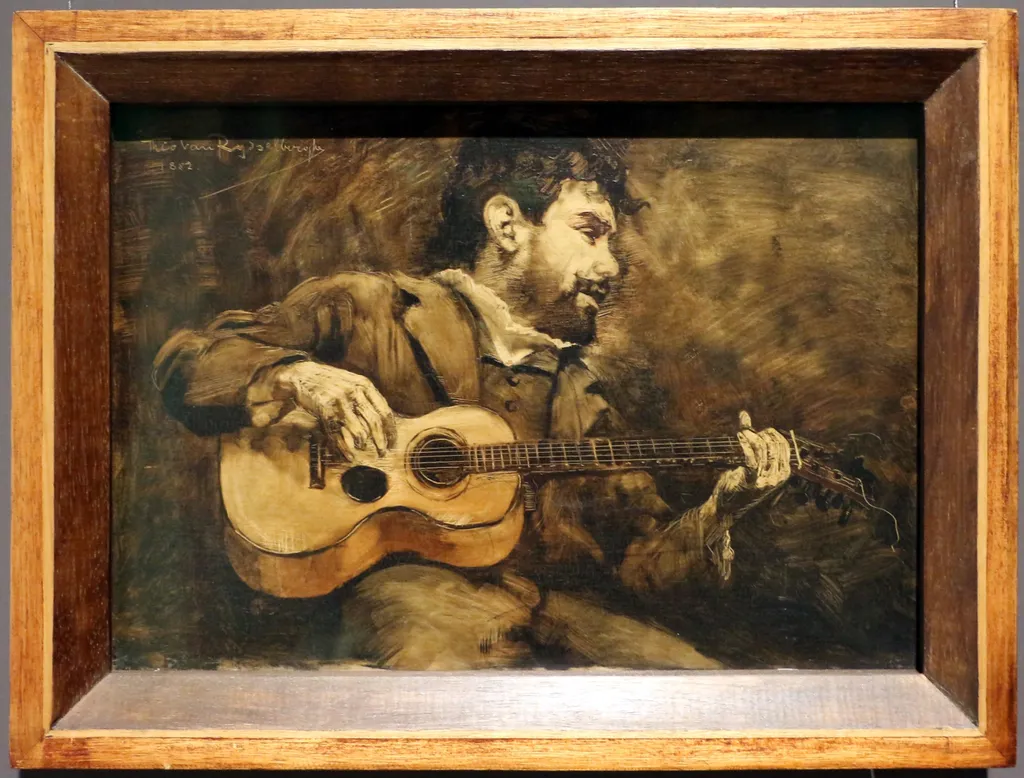
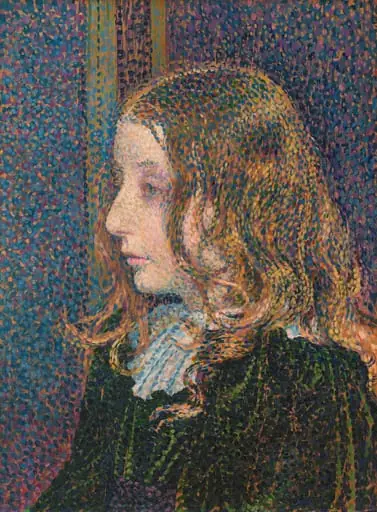
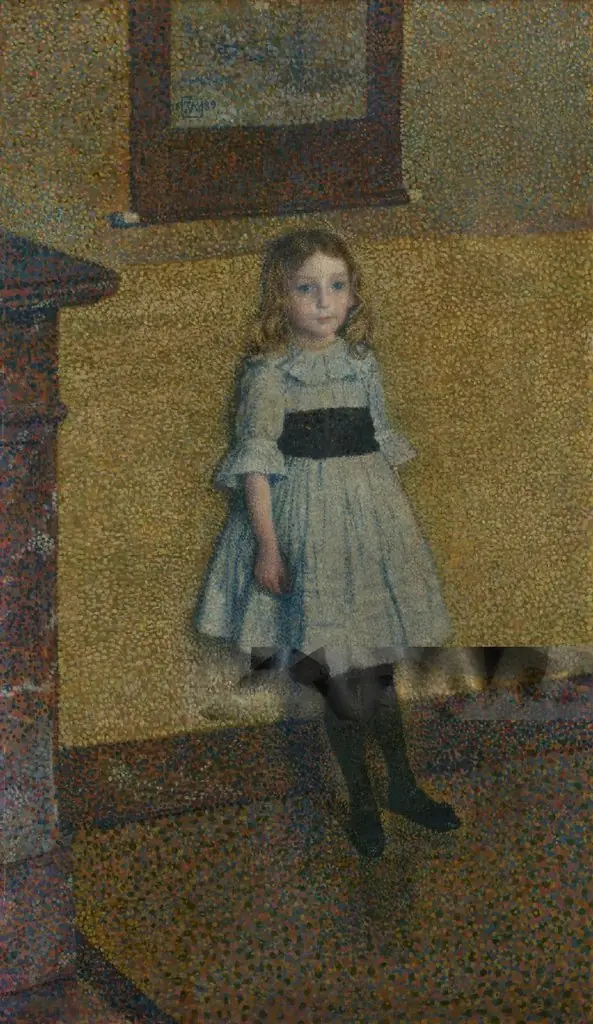
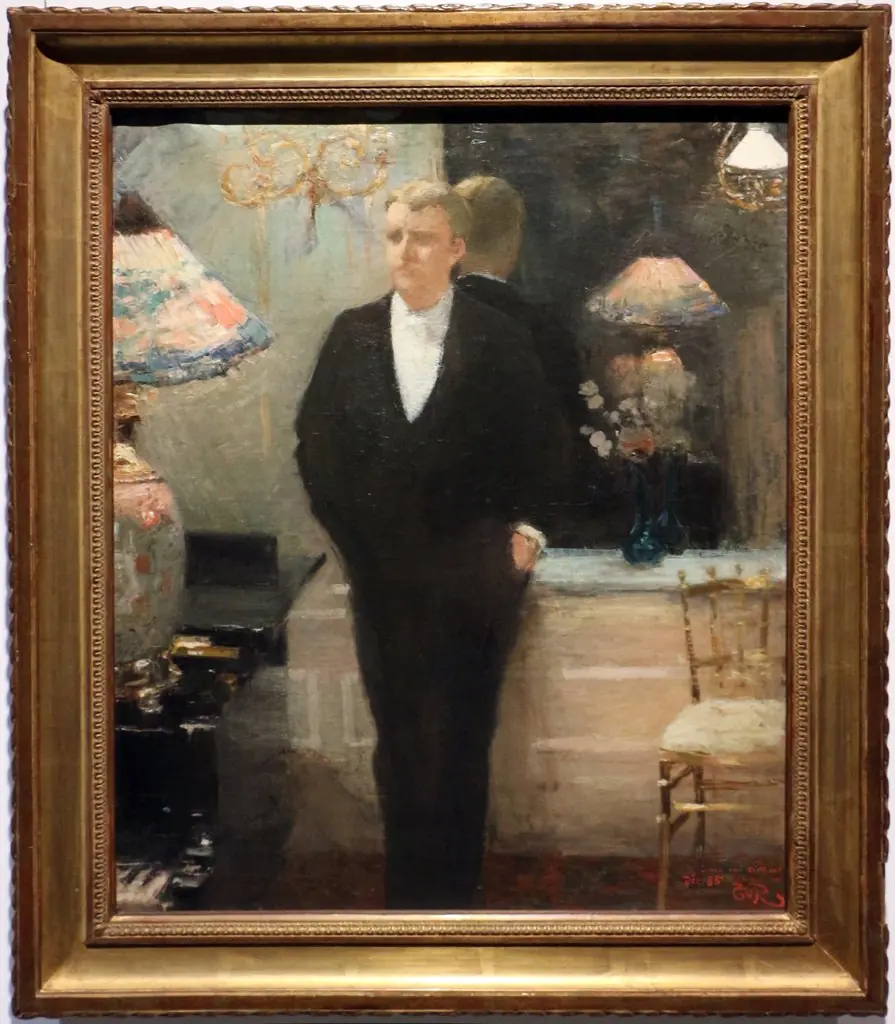
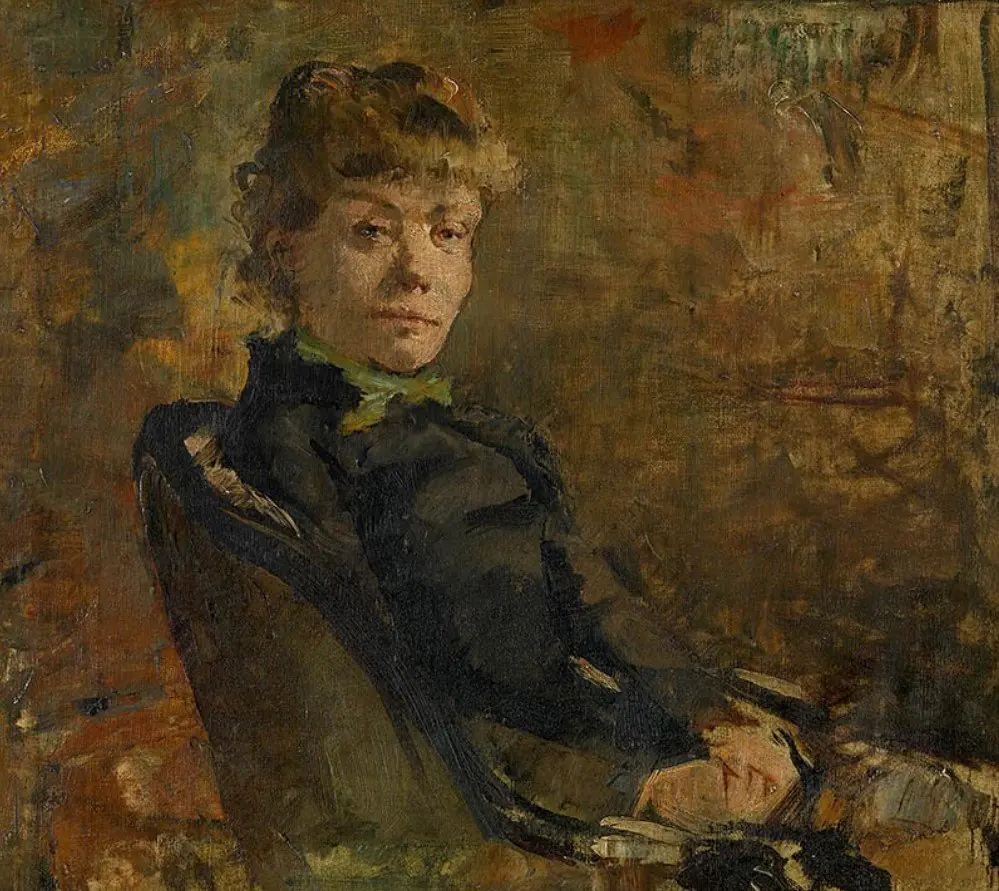
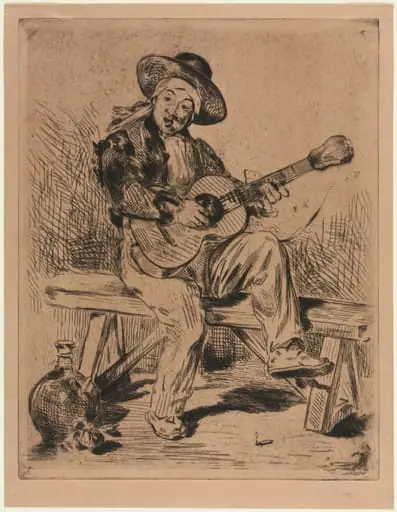
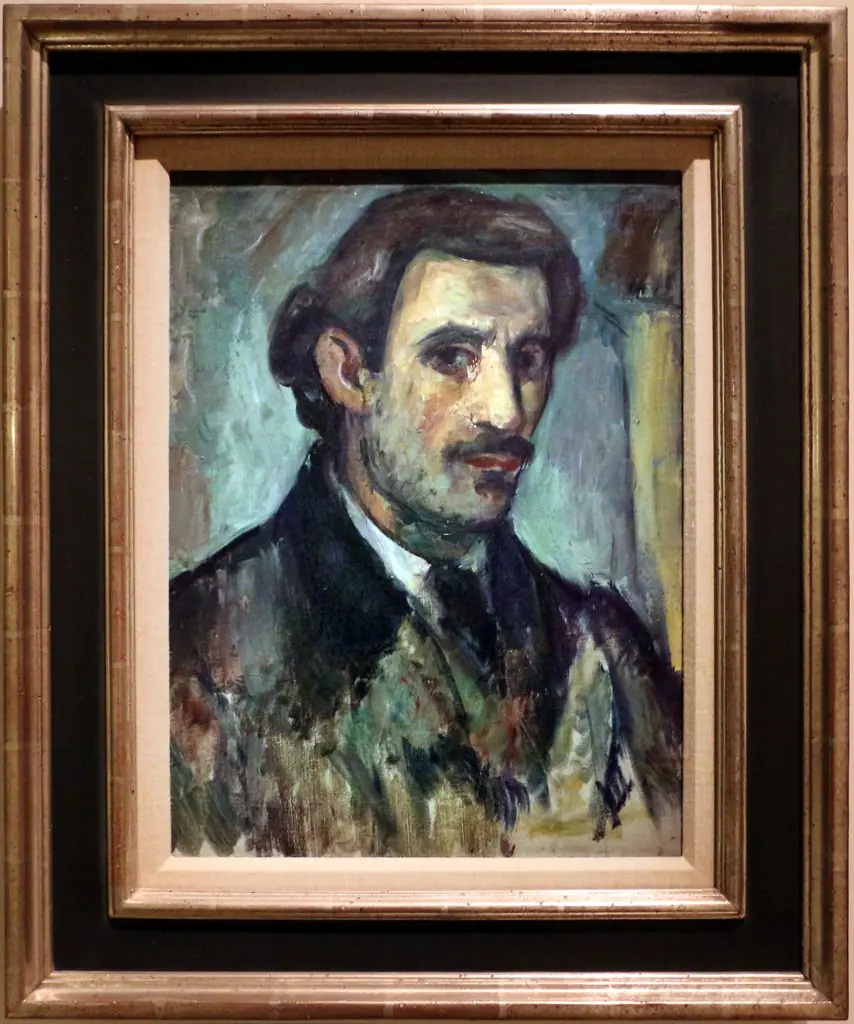
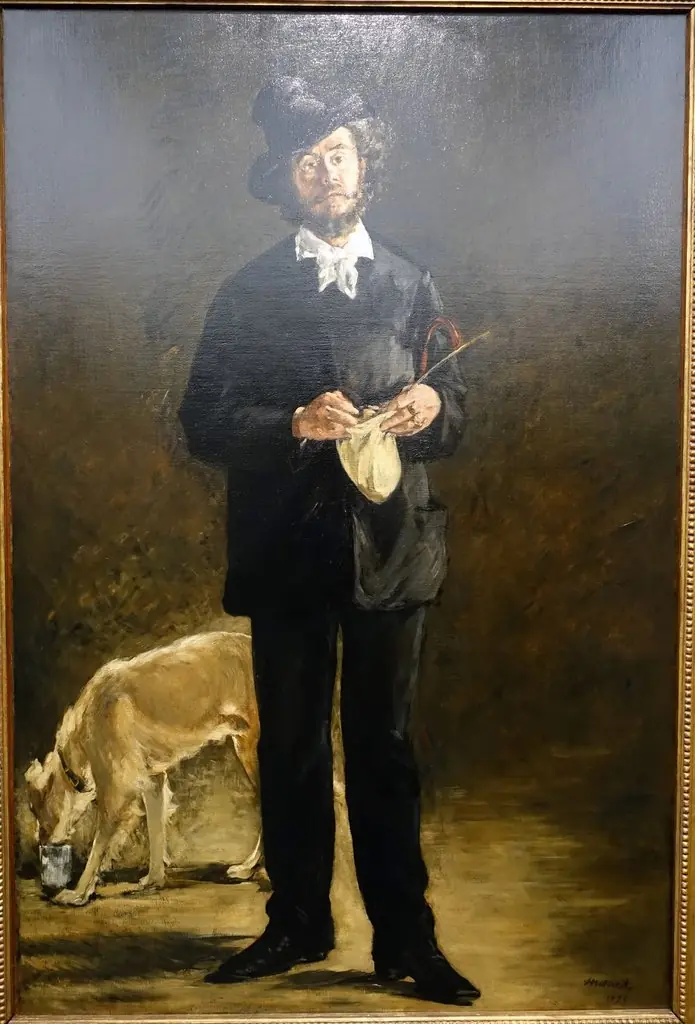
Guitar player - Portrait of the Spanish painter Darío de Regoyos is an oil painting by the Neo-Impressionist artist Théo van Rysselberghe. It dates from 1892 and is held in the collection of the Royal Museums of Fine Arts of Belgium.
About this work
Overview
Painted in 1892 by Théo van Rysselberghe, this oil portrait captures the Spanish artist Darío de Regoyos engaged with his guitar. The work is part of the collection at the Royal Museums of Fine Arts of Belgium. Unlike traditional portraiture, the focus is not on facial detail but on the act of playing, suggesting an intimate, quiet moment rather than a formal likeness.
Subject & Meaning
By depicting him mid-performance, van Rysselberghe emphasizes artistic identity through gesture rather than expression.
The subject is Darío de Regoyos, a fellow painter known for his modernist leanings. By depicting him mid-performance, van Rysselberghe emphasizes artistic identity through gesture rather than expression. The blurred face and focused hands imply that creativity resides in action, not appearance.
The guitar becomes an extension of the self, linking music and visual art as parallel forms of personal expression.
Technique & Style
Van Rysselberghe employs loose, visible brushwork and a restrained palette dominated by dark tones with accents of white and light wood. The background is loosely rendered, with smudged strokes that dissolve into shadow, isolating the figure. The guitar’s surface catches subtle light, while the man’s features remain indistinct, emphasizing texture and movement over detail, aligning with emerging Post-Impressionist tendencies.
History & Provenance
The painting was completed during van Rysselberghe’s period of close association with Belgian and Spanish avant-garde circles. It entered the Royal Museums of Fine Arts of Belgium’s collection in the early 20th century, likely through direct acquisition or donation. Its preservation reflects the museum’s interest in cross-cultural artistic exchanges between Belgium and Spain during the fin de siècle.
Context
Created at a time when artists increasingly explored psychological depth and informal subjects, this portrait reflects broader shifts away from academic realism. Van Rysselberghe, influenced by Pointillism and Symbolism, used fragmented brushwork to convey mood. The depiction of a musician, especially a fellow painter, highlights the interconnectedness of artistic communities across Europe in the late 19th century.
Legacy
The painting stands as a quiet example of how portraiture evolved beyond likeness into emotional resonance. While not widely reproduced, it remains a significant work in van Rysselberghe’s oeuvre for its restraint and sensitivity. It continues to be studied for its synthesis of personal expression and formal experimentation within the context of late 19th-century European modernism.
Own this work as a print
Artist & collection

Artist
Théophile "Théo" van Rysselberghe was a Belgian neo-impressionist painter, who played a pivotal role in the European art scene at the turn of the twentieth century.

Museum
Royal Museums of Fine Arts of Belgium
Continue through works from the same source collection.