Artwork
Various Subjects Drawn from Life and on Stone: A Paraleytic Woman
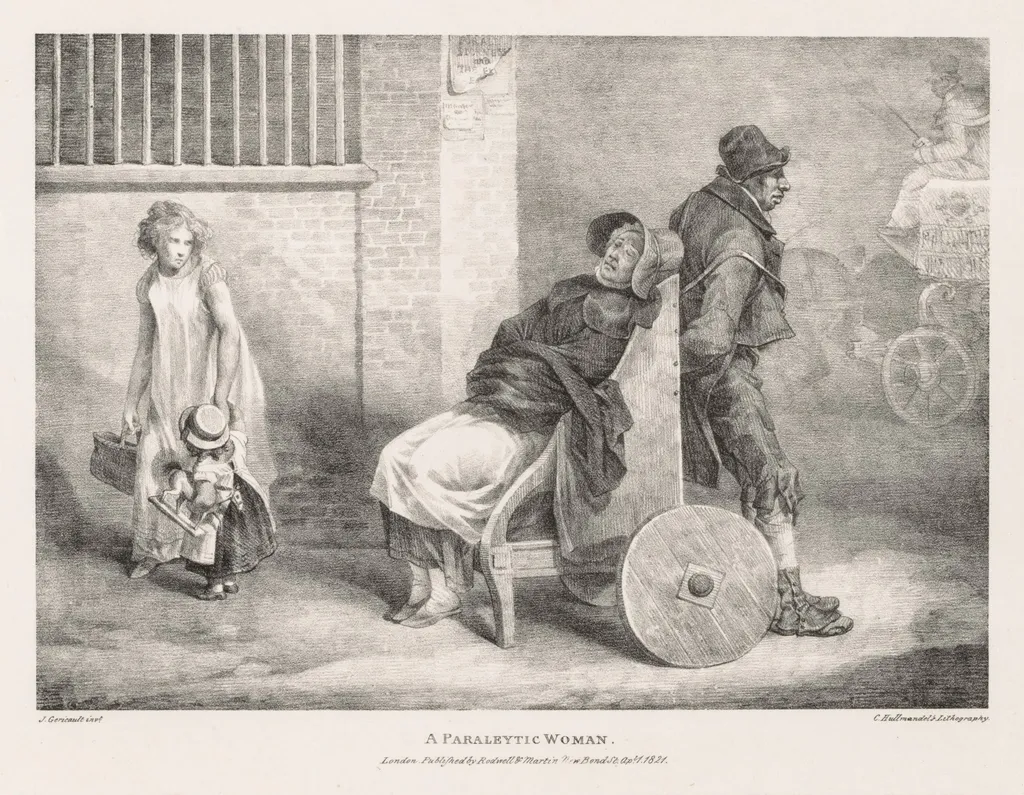
Various Subjects Drawn from Life and on Stone: A Paraleytic Woman is a print by the Romanticist artist Théodore Géricault. It dates from 1821 and is held in the collection of the Cleveland Museum of Art.
- Accession no.
- 1990.49
- Credit line
- Seventy-fifth anniversary gift of The Print Club of Cleveland
About this work
Overview
Unlike idealized medical illustrations of the time, Géricault rendered his subjects with unflinching attention to bodily presence and emotional weight.
Created in 1821 by Théodore Géricault, this lithograph is part of a series exploring physical afflictions through direct observation. Unlike idealized medical illustrations of the time, Géricault rendered his subjects with unflinching attention to bodily presence and emotional weight. The work emerged from his engagement with Parisian hospitals and asylums, where he studied patients to understand human vulnerability beyond romanticized narratives.
Subject & Meaning
The image portrays a woman with paralysis, slumped against a wall, her legs bound in cloth, supported by a man in a hat. A young girl beside her holds the hand of a child, suggesting familial care amid hardship. The wooden wheel at her feet may indicate a broken mobility aid.
Géricault avoids sentimentality, instead presenting the scene as a quiet testament to endurance, emphasizing dignity within physical decline.
Technique & Style
Géricault employed lithography to achieve tonal nuance and immediacy, using chalk-like strokes to model form and texture. The composition is tightly framed, focusing attention on the figures’ postures and gestures. Shadows are rendered with deliberate smudging, enhancing the sense of weight and stillness. His hand retains the spontaneity of a sketch, reinforcing the work’s documentary impulse over polished finish.
History & Provenance
The print was produced during Géricault’s intensive study of medical cases in Paris hospitals, following his earlier work on the mentally ill. It was included in a small, privately circulated portfolio of lithographs, not widely published in his lifetime. The series was intended as a study in human physiognomy and suffering, reflecting his scientific curiosity and ethical engagement with marginalized subjects.
Context
In early 19th-century France, medical illustration was becoming more systematic, yet often detached. Géricault’s approach diverged by prioritizing lived experience over clinical abstraction. His interest aligned with Romanticism’s emphasis on emotion and the individual, but his focus on the disabled and ill challenged prevailing norms of beauty and heroism in art, positioning him as an observer of social reality.
Legacy
Though not widely known during his lifetime, Géricault’s medical lithographs influenced later artists and reformers interested in the human condition. His unvarnished depictions of illness contributed to a shift in visual culture toward empathy in portraying disability. The series remains a significant example of art intersecting with early medical anthropology, valued for its quiet humanity rather than dramatic effect.
Own this work as a print
Artist & collection
Artist
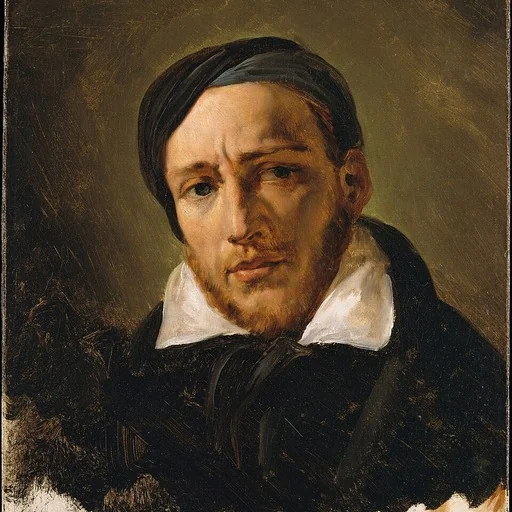
Jean-Louis André Théodore Géricault (French:; 26 September 1791 – 26 January 1824) was a French painter and lithographer.

- The Rake's Progress
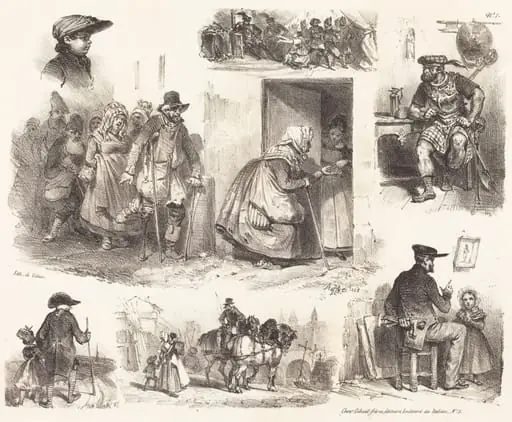 Eight Vignettes of Genre Incidents
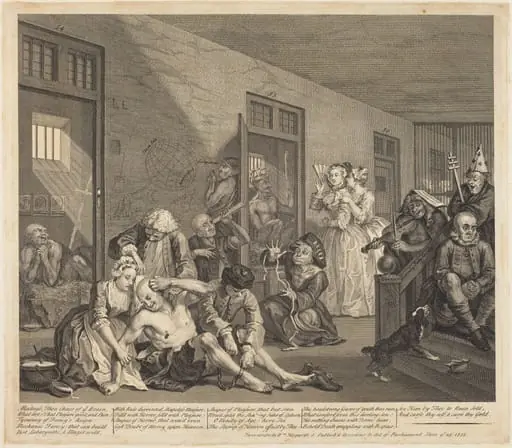 A Rake's Progress: pl.8
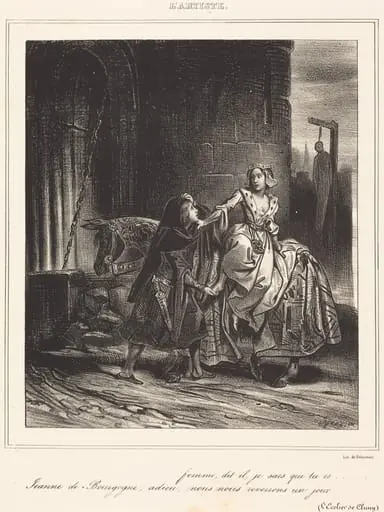 Jeanne de Bourgogne
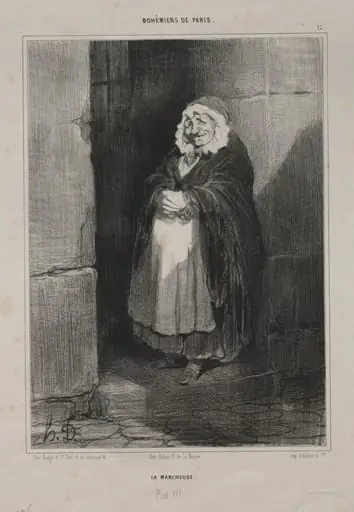 The Pedestrian
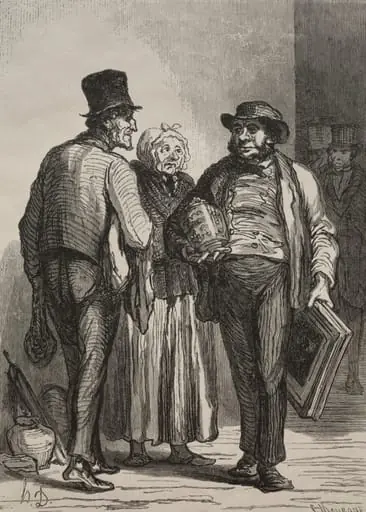 The Auction House: The Dealers
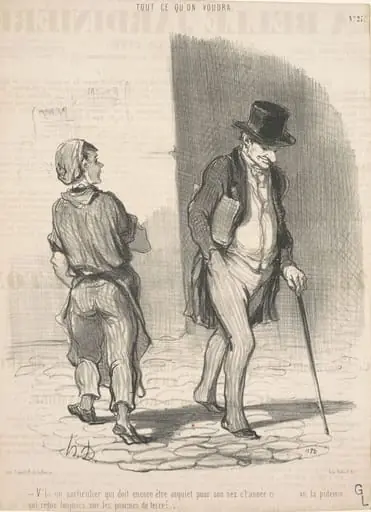 V'la un particulier qui doit ...être inquiet ...
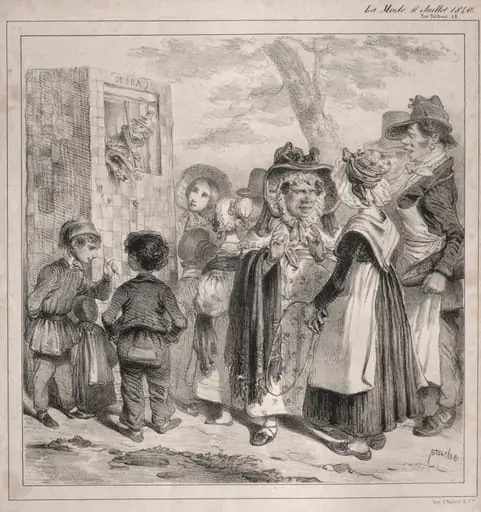 Voyez-vous ma Chère! c'est la police qui fait jouer ces polichinels là, pour détourner l'attention...
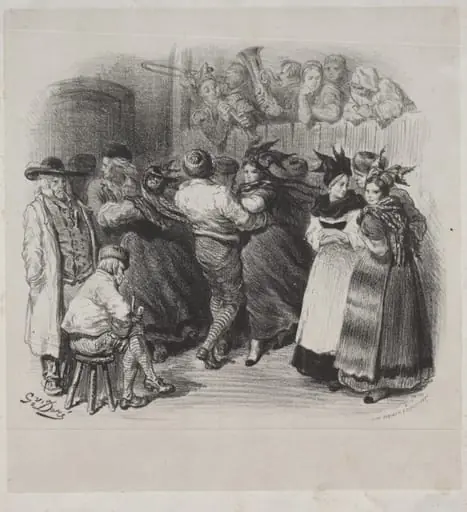 Musical Works of Ernest Doré: Souvenir of Alsace, Alsatian Dance - Title Page
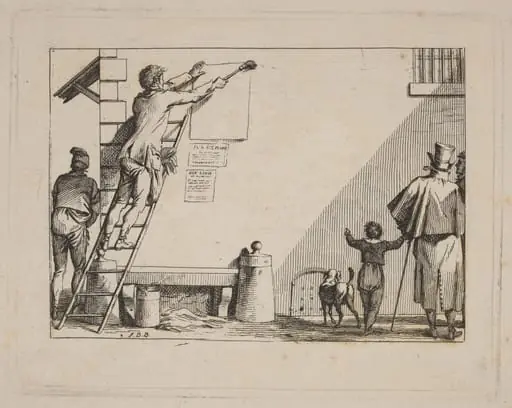 Colleur (Billposter)
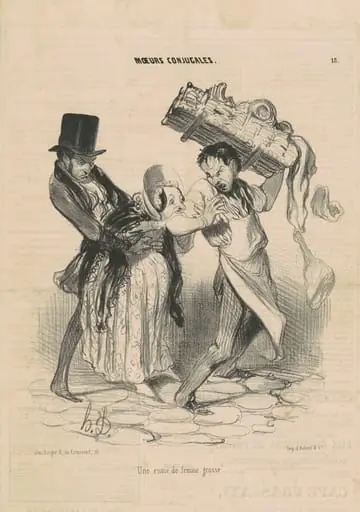 Une envie de femme grosse
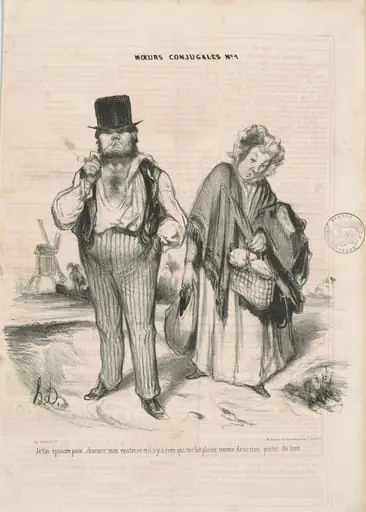 Je t'ai épousé pour charmer mon existence...