Artwork
Portrait of a Man
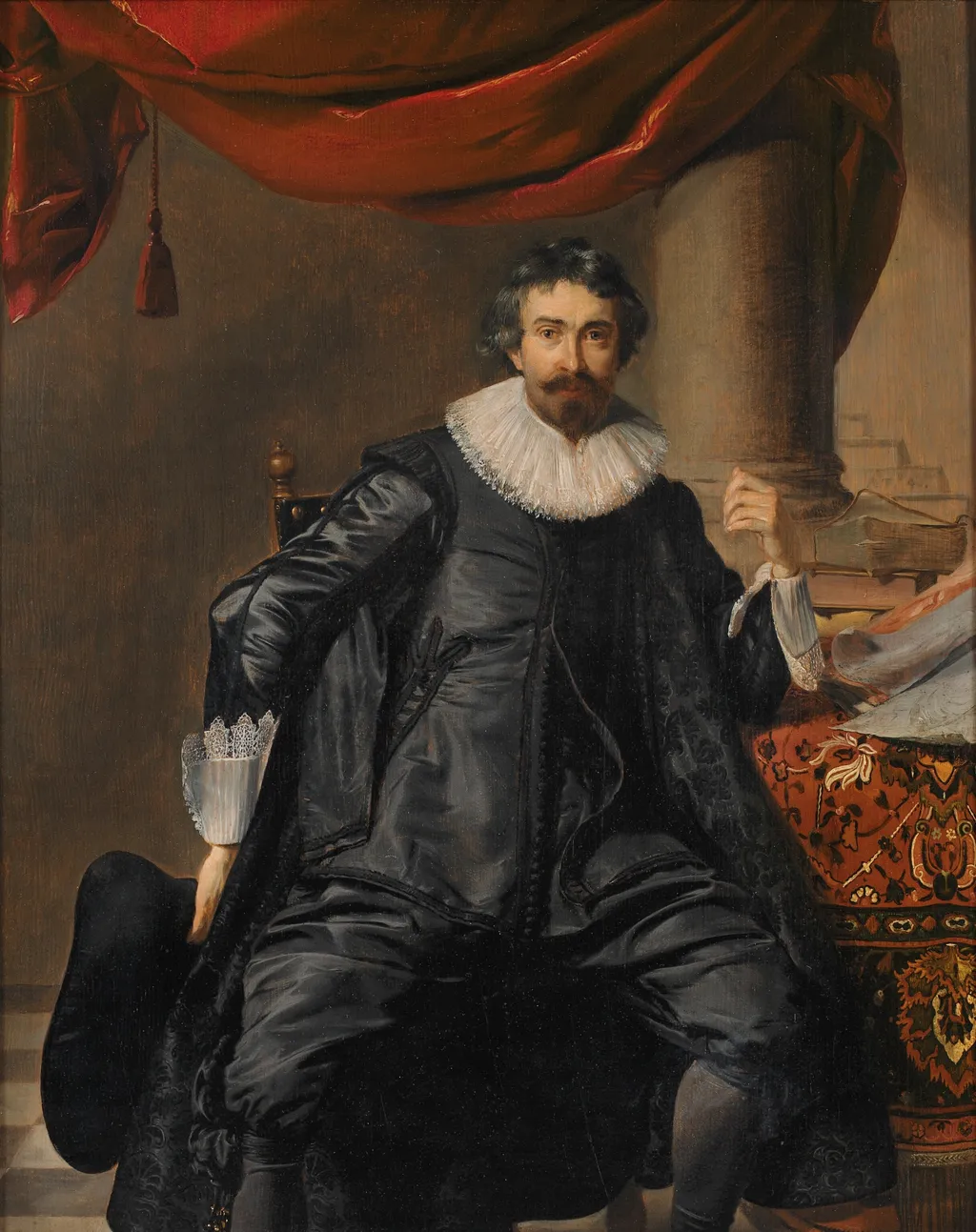
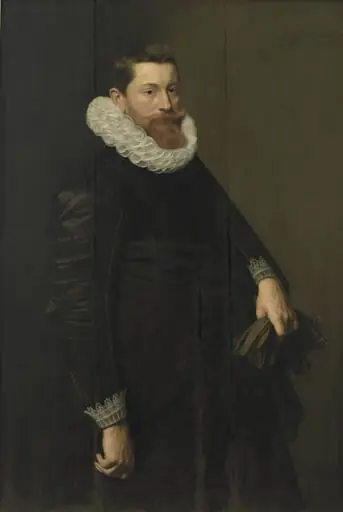
Portrait of a Man is an oil painting by the Dutch Golden Age artist Thomas de Keyser. It dates from 1631 and is held in the collection of the Statens Museum for Kunst.
About this work
Subject & Meaning
The work shows a man in ordinary dress, the plain attire suggesting a middle‑class sitter rather than a noble figure.
The work shows a man in ordinary dress, the plain attire suggesting a middle‑class sitter rather than a noble figure. No symbolic objects or attributes are recorded, so the portrait is interpreted primarily as a straightforward representation of the individual without allegorical elements. The painting’s meaning is tied to its function as a likeness within the Dutch Golden Age portrait tradition, emphasizing the sitter’s presence and status through realistic rendering.
Technique & Style
The painting is executed in oil on a wooden panel support, measuring 50.4 cm in height and 41.4 cm in width. Its handling reflects the refined chiaroscuro and smooth modeling characteristic of Thomas de Keyser’s portrait style, with delicate transitions between light and shadow that define the sitter’s facial features and attire. The composition is restrained, focusing on the bust-length figure against a neutral background, emphasizing clarity and psychological presence.
The technique demonstrates the artist’s command of fine brushwork and restrained palette, typical of early 17th-century Dutch portraiture.
The work’s formal qualities align with de Keyser’s mature oeuvre, where restrained realism and understated elegance are paired with a precise, almost sculptural rendering of the sitter’s expression and costume details.
History & Provenance
Portrait of a Man was created by Thomas de Keyser in 1631, executed in oil paint. The work entered the Jacques Goudstikker collection before being acquired by the Statens Museum for Kunst, where it is currently held. No information on a specific commissioner or earlier ownership stages is documented in the available sources.
The painting is recorded as having been produced in 1631, with its inception dated to that year. It is catalogued as part of the Statens Museum for Kunst holdings and is associated with the Jacques Goudstikker collection, reflecting a transition from a private collection to a public museum. Beyond this documented chain, the sources do not provide further detail on intermediate owners, the circumstances of the original commission, or the acquisition history linking the Goudstikker holdings to the Statens Museum for Kunst.
Overview
Thomas de Keyser’s Portrait of a Man (1631) is an oil painting that exemplifies the Dutch Golden Age’s focus on individualized portraiture. The work is part of the Statens Museum for Kunst’s collection and depicts a solitary male sitter in a composed, contemplative pose.
Context
During the early 17th century, Dutch portraiture often served both commemorative and social functions, presenting patrons in dignified attire against modest interiors. De Keyser’s work aligns with this tradition, offering a clear, sober representation of an individual’s identity within the prosperous Dutch Republic.
Own this work as a print
Artist & collection
Artist
Thomas de Keyser (c. 1596 – 1667) was a Dutch portrait painter and a dealer in Belgium bluestone and stone mason. He was the most in-demand portrait painter in the Netherlands until the 1630s, when Rembrandt eclipsed…

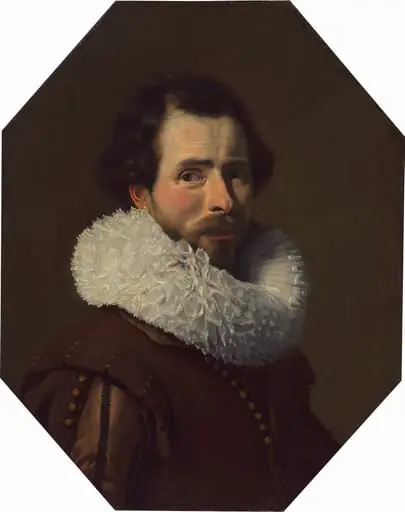 Portrait of a Gentleman Wearing a Fancy Ruff
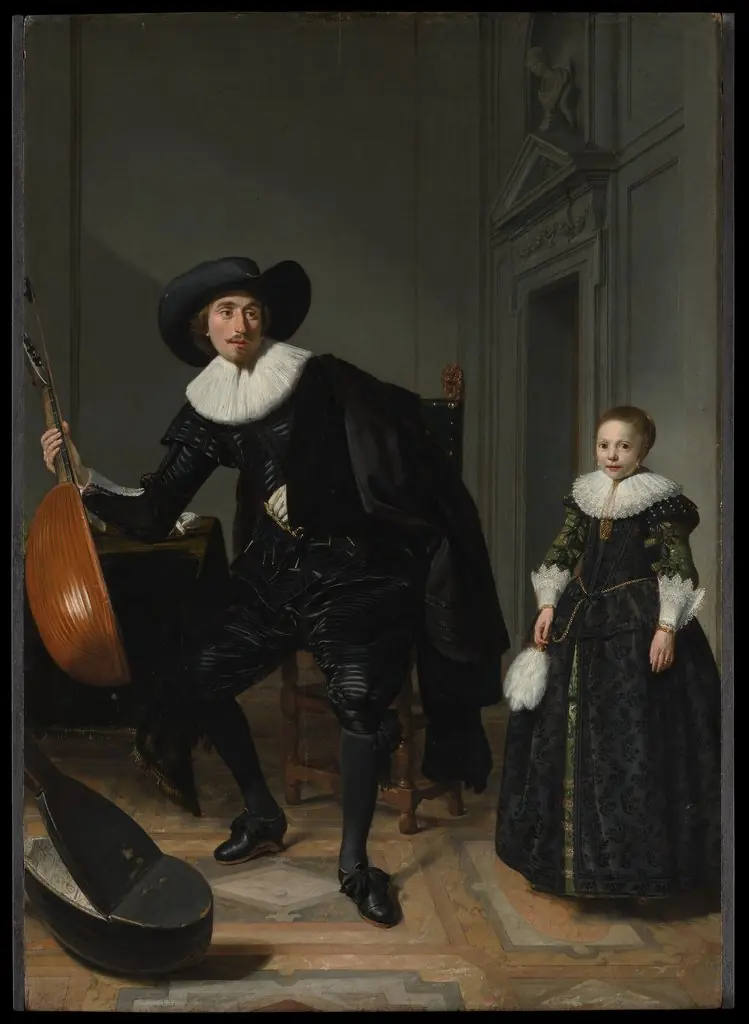 A Musician and His Daughter
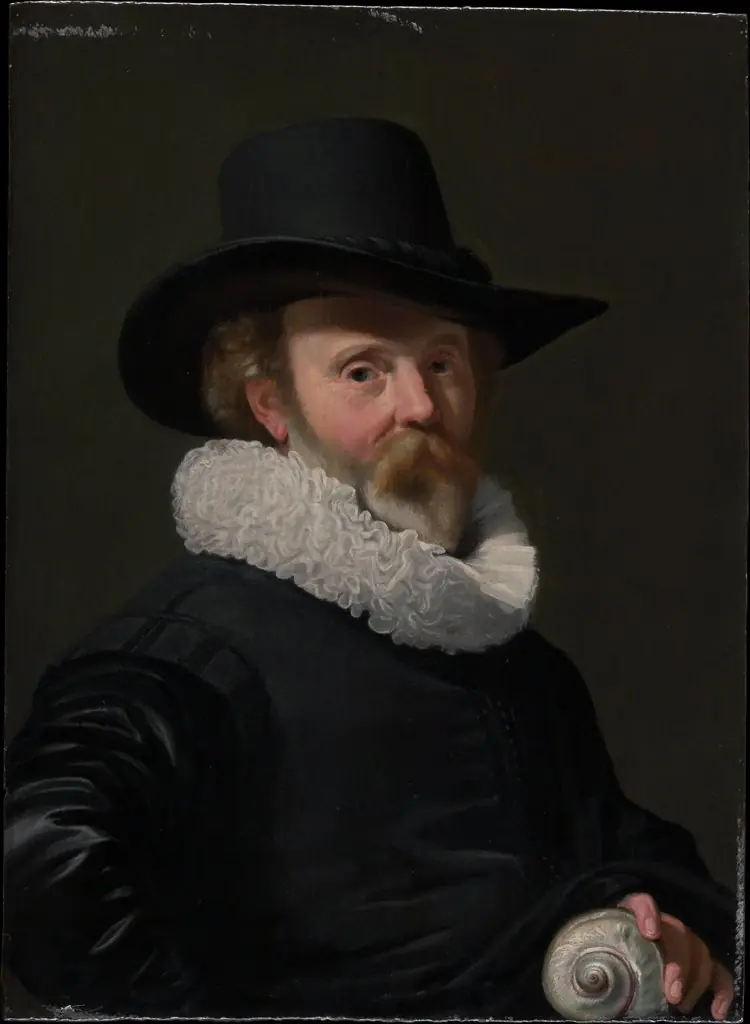 Portrait of a Man with a Shell
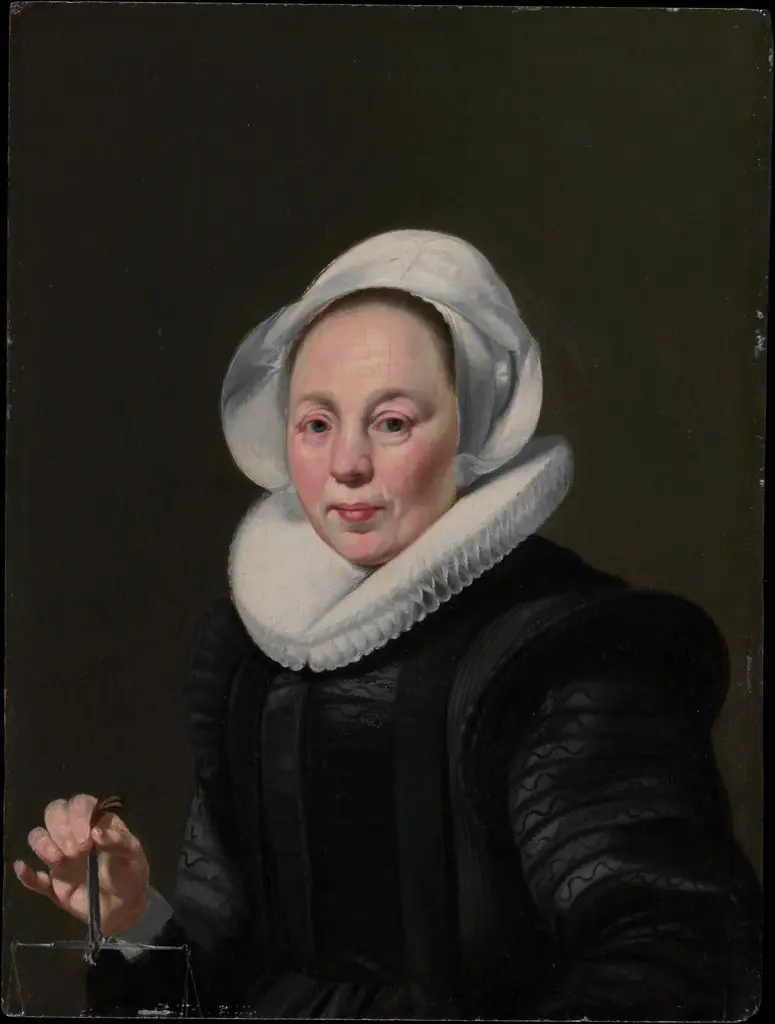 Portrait of a Woman with a Balance
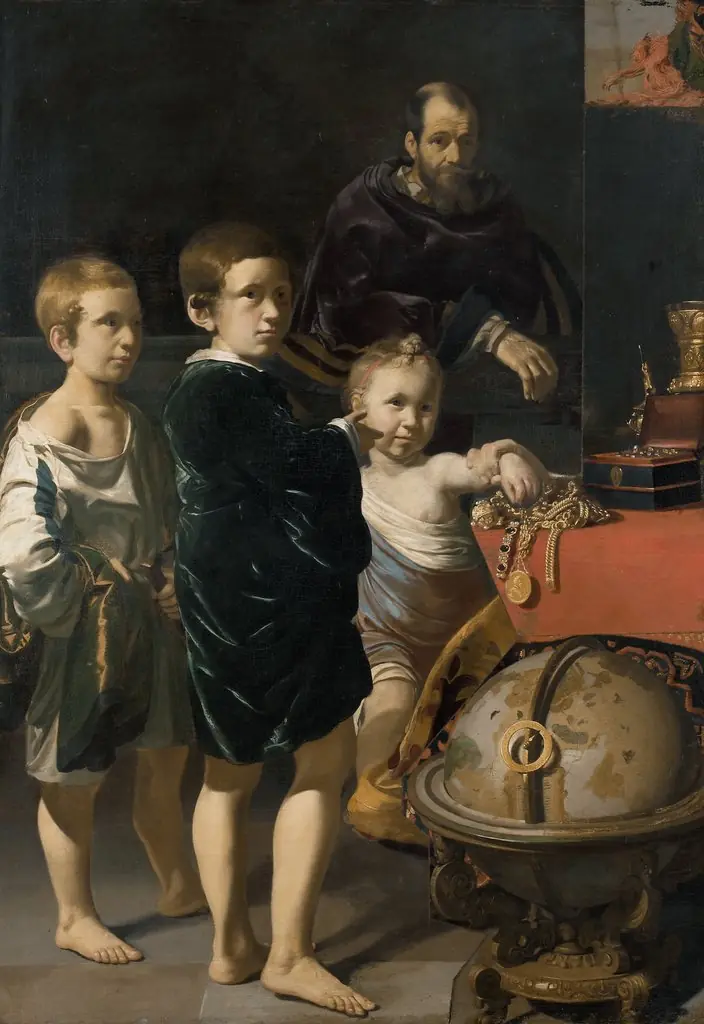 Portrait of three children and a man
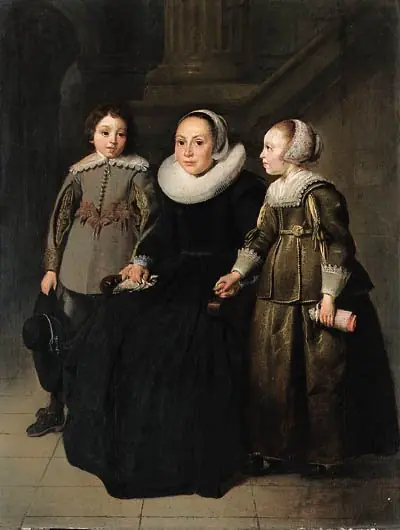 Portrait of a seated woman and two children
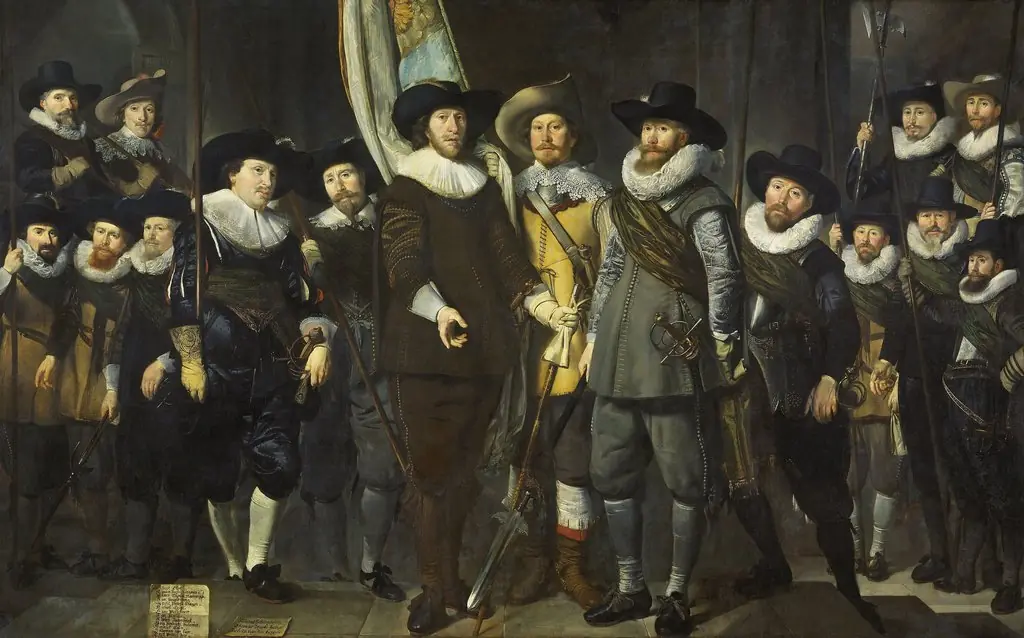 Officers and other civic guardsmen of the IIIrd District of Amsterdam, under the command of Captain Allaert Cloeck and Lieutenant Lucas Jacobsz Rotgans
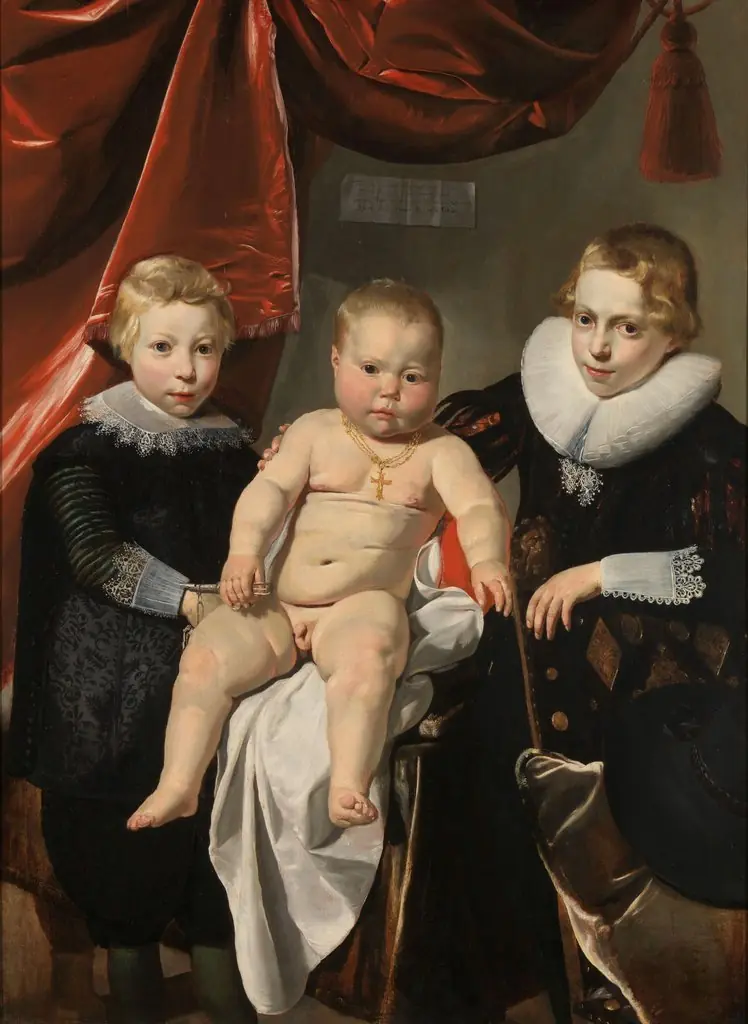 Group Portrait of Three Brothers
- Portrait of a Man with Gloves
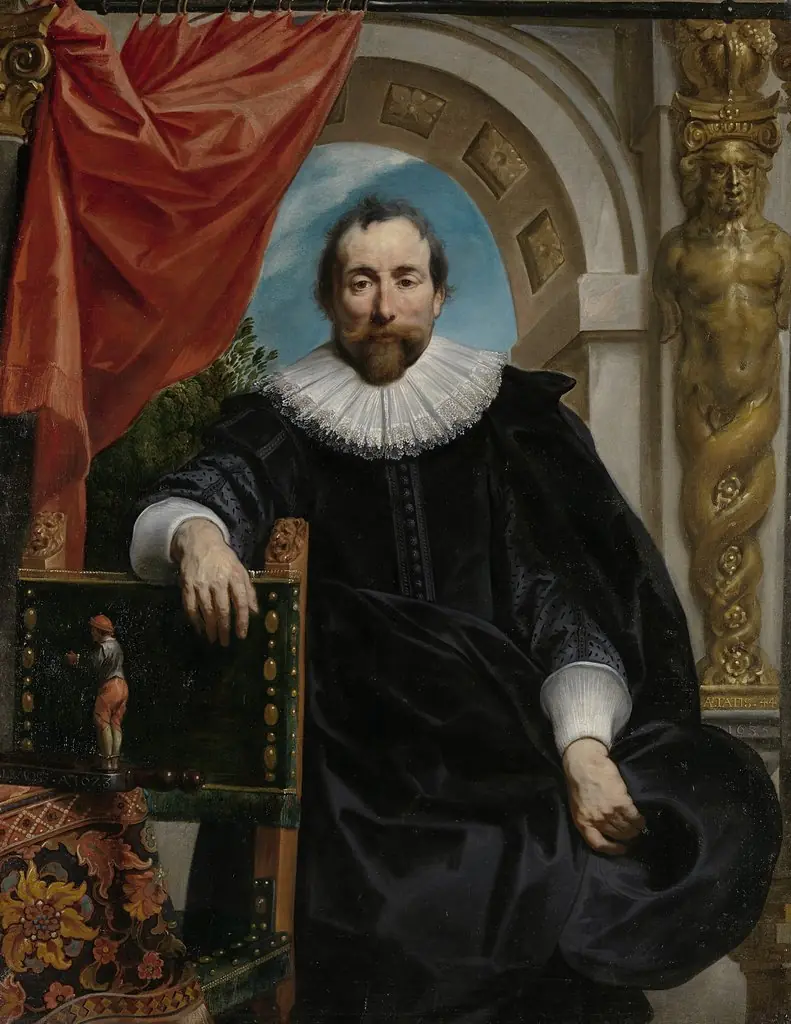 Portrait of Rogier Le Witer (1591-1678), Merchant in Antwerp
 Untitled
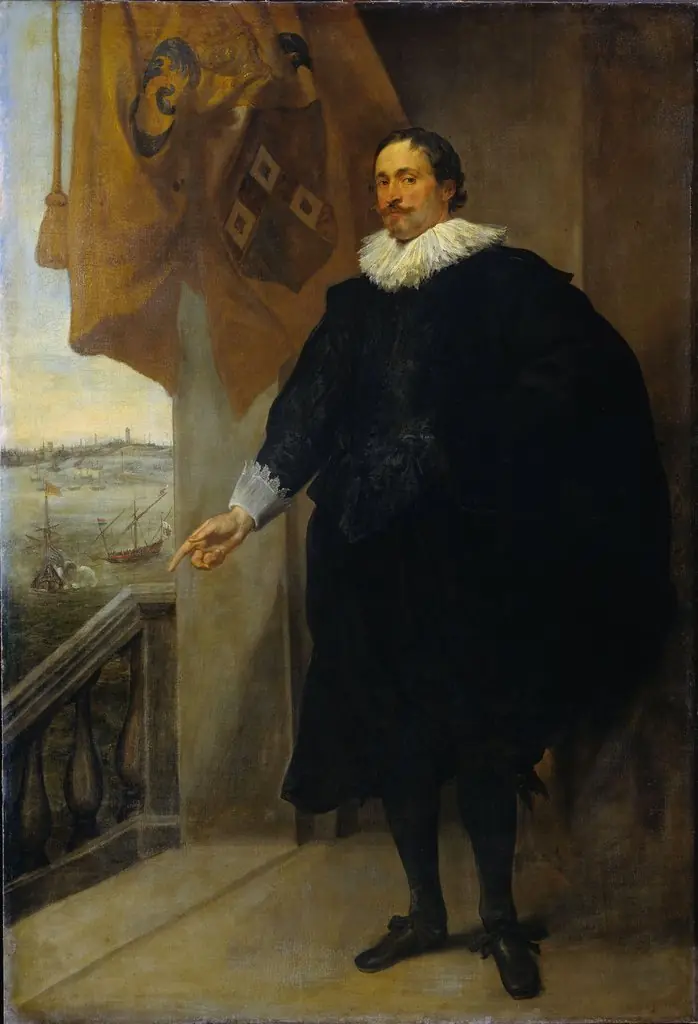 Portrait of Nicolaes van der Borght. Merchant of Antwerp
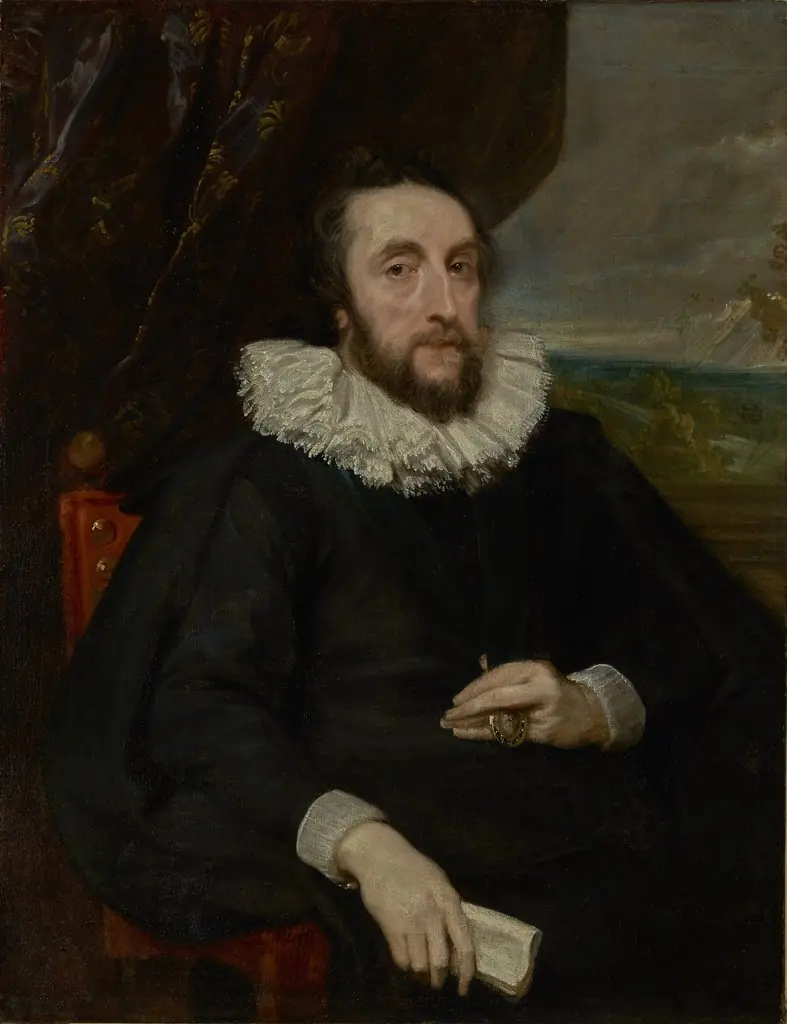 Portrait of Thomas Howard, 21st Earl of Arundel
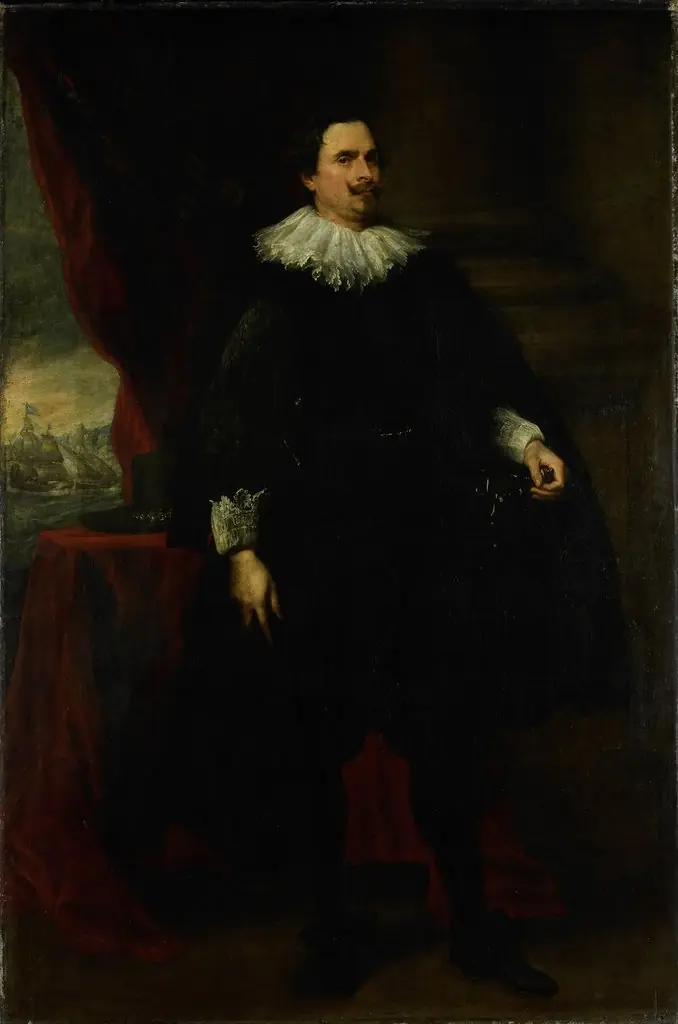 Portrait of a man from the van der Borght family, perhaps François van der Borght
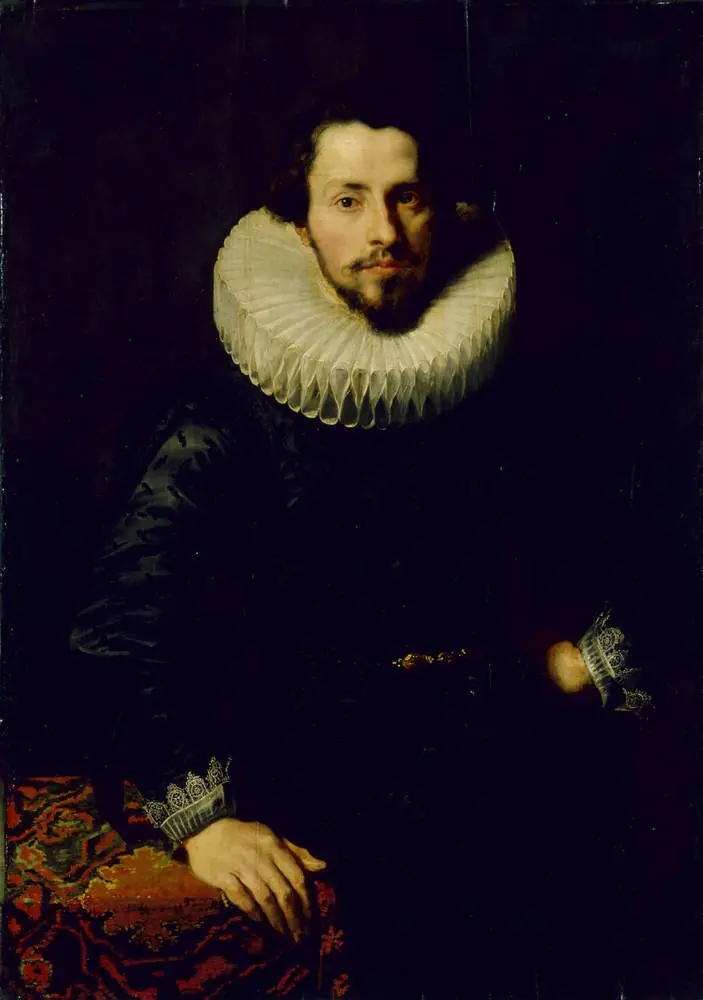 Portrait of a Man at a Table
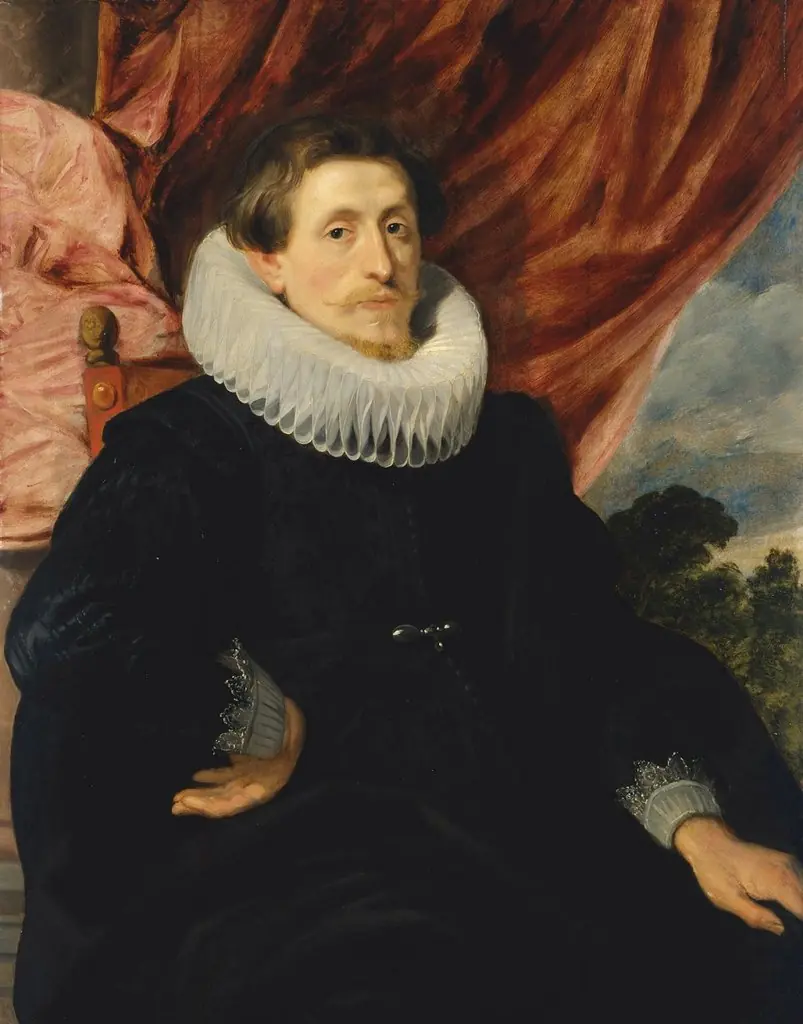 Portrait of a Man, 1618
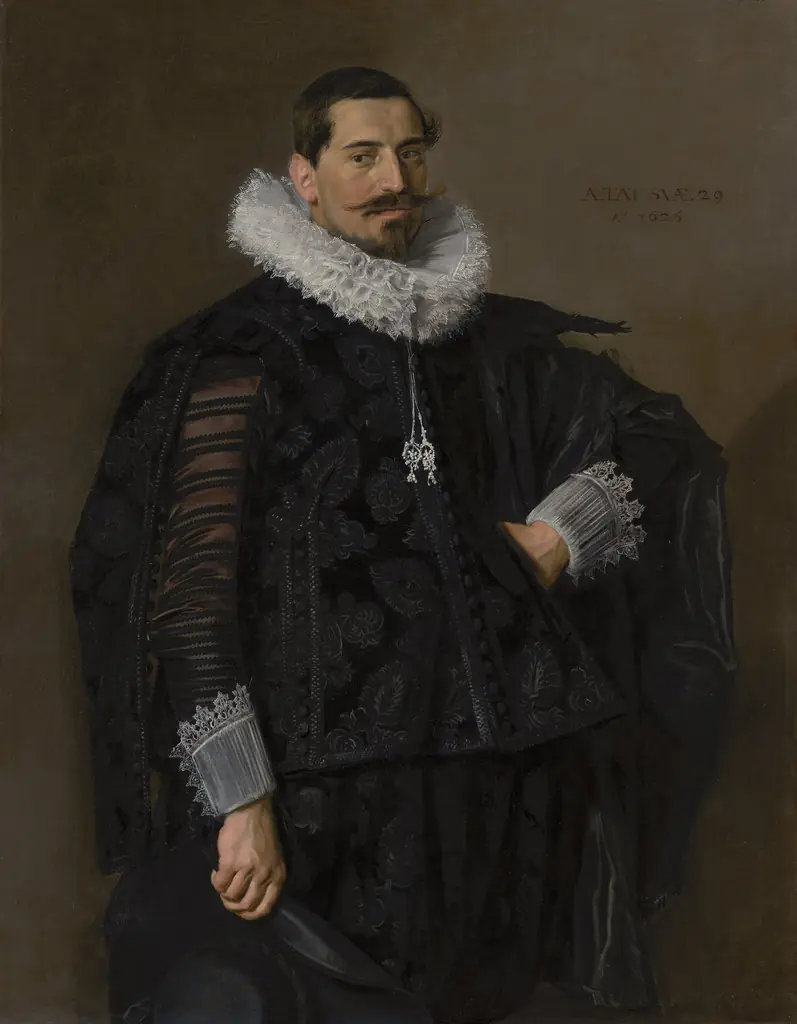 Portrait of Jacob Pietersz Olycan (1596-1638)
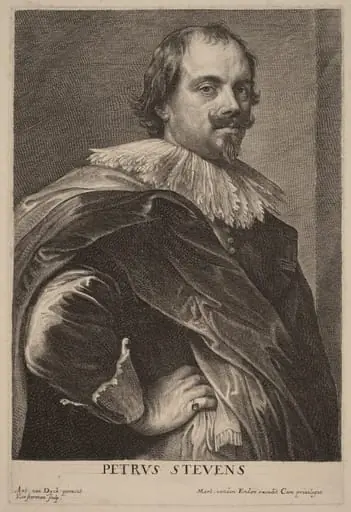 Petrus Stevens
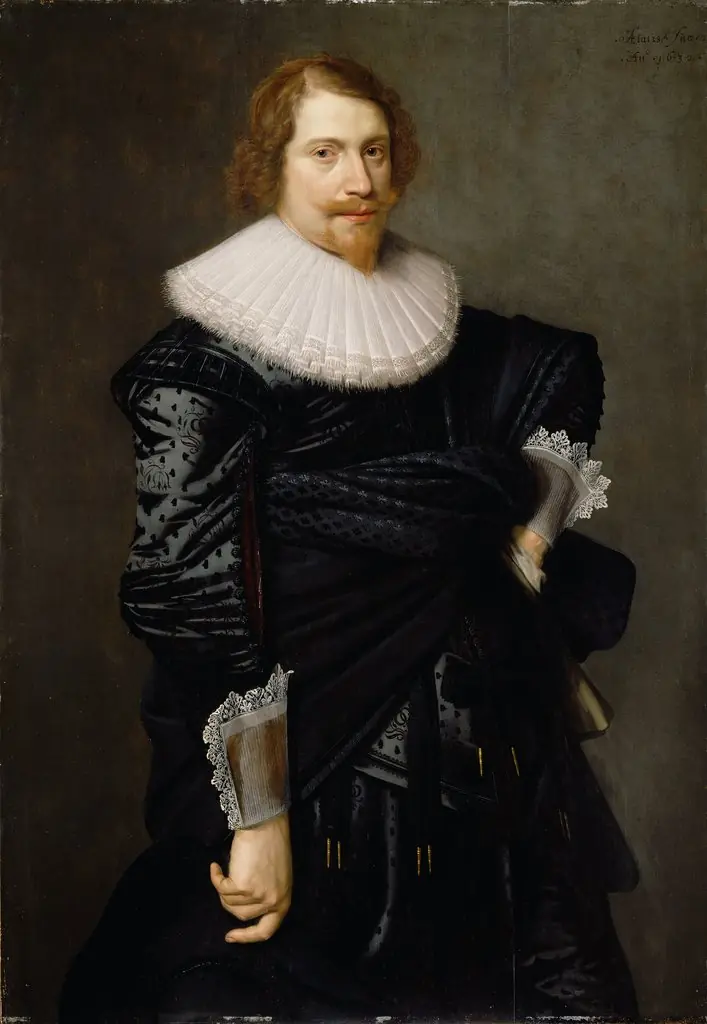 Portrait of a Man
 Portrait of a Gentleman