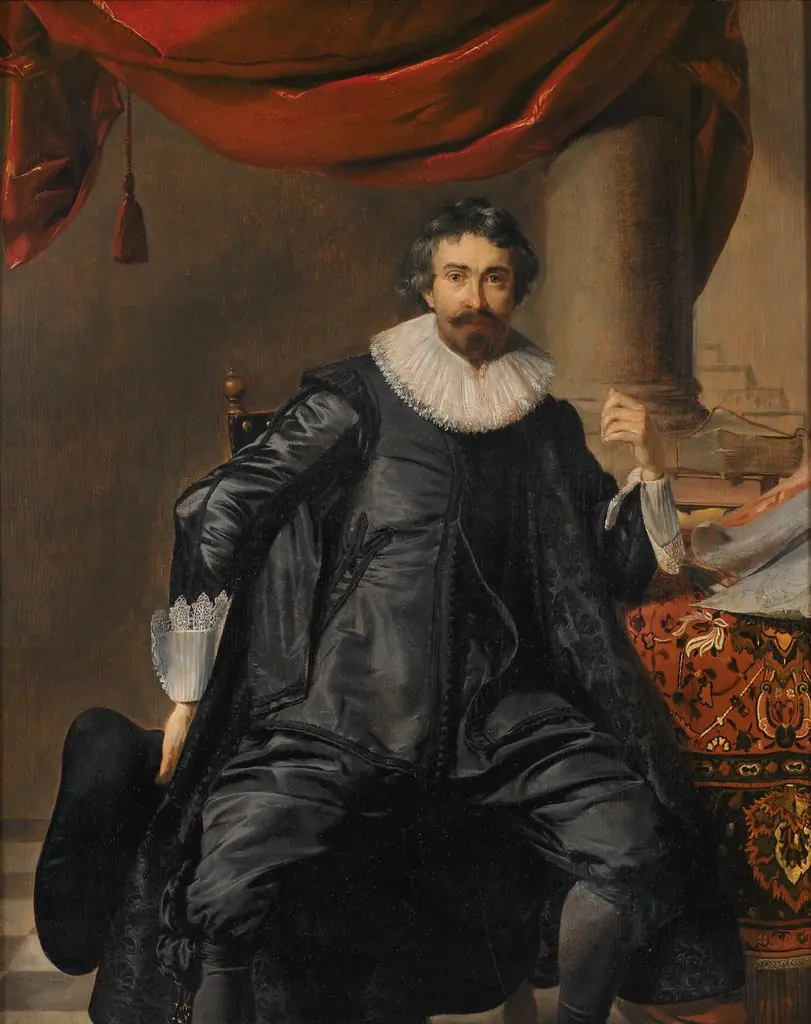
Artwork
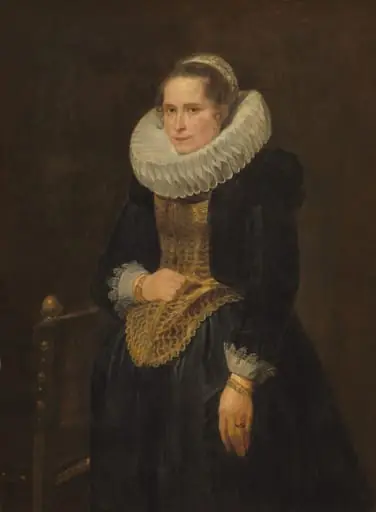
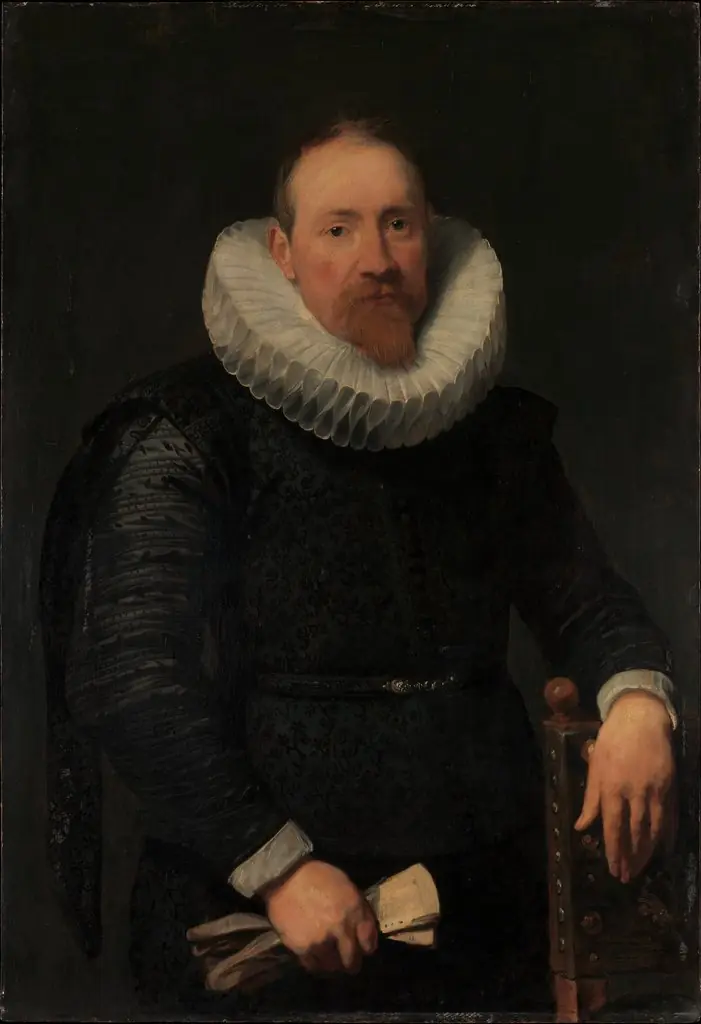
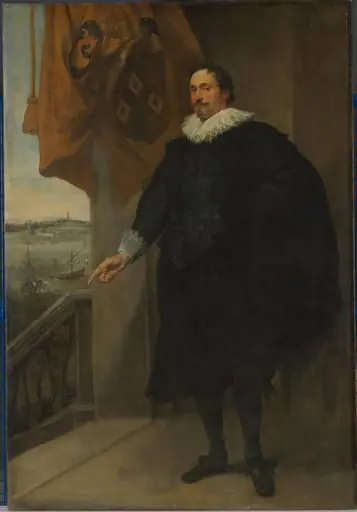
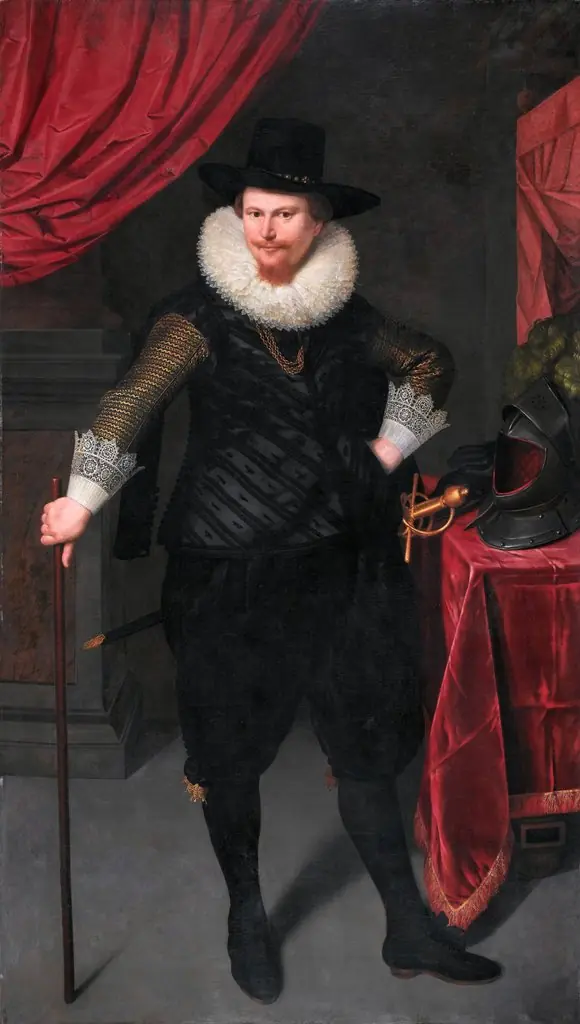
Portrait of a man from the van der Borght family, perhaps François van der Borght
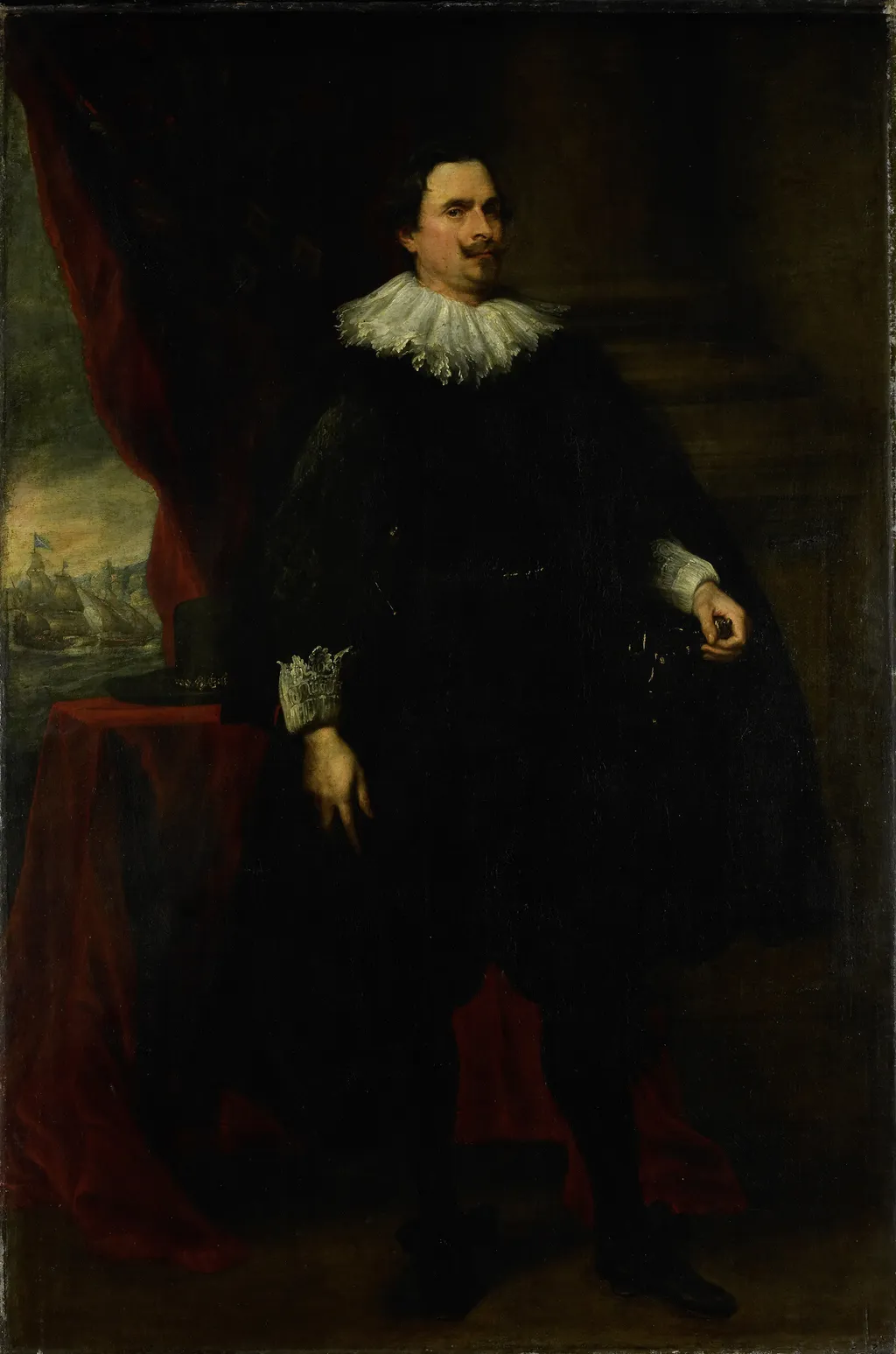
Portrait of a man from the van der Borght family, perhaps François van der Borght is an oil painting by the Flemish Baroque painting artist Anthony van Dyck. It dates from 1626 and is held in the collection of the Rijksmuseum.
About this work
Subject & Meaning
The work entered the collection of the Rijksmuseum and was previously owned by Jacobus Salomon Hendrik van de Poll and Henric Muilman.
The portrait likely portrays a member of the prominent van der Borght family, possibly François van der Borght, as indicated by the title and attributed provenance. It was created by Anthony van Dyck in Antwerp in 1626 using oil paint on canvas, measuring 205 cm by 136 cm. The work entered the collection of the Rijksmuseum and was previously owned by Jacobus Salomon Hendrik van de Poll and Henric Muilman. As a Baroque-era portrait, it reflects the social status and familial prestige of its sitter within early 17th-century Dutch society.
The painting's iconography, though not fully documented, aligns with conventional portraiture of the period, emphasizing realism and individual identity without overt symbolic attributes. Its placement in a major museum collection underscores its historical and artistic significance as part of van Dyck's early output before his relocation to England.
Technique & Style
The work is an oil painting on canvas measuring 205 cm by 136 cm, created in Antwerp in 1626. Executed in the Baroque style, it depicts a male sitter from the van der Borght family, likely François van der Borght, and exemplifies van Dyck's characteristic handling of oil paint to achieve rich color and nuanced modeling. The surface shows fine brushwork typical of his portraits, with a restrained palette and precise attention to texture and drapery.
History & Provenance
Anthony van Dyck created this portrait in Antwerp in 1626, working in oil paint on canvas. The artwork depicts a man from the van der Borght family, who is possibly François van der Borght.
Regarding its ownership history, the painting was formerly held by Henric Muilman and Jacobus Salomon Hendrik van de Poll. It ultimately entered the collection of the Rijksmuseum, where it is currently housed.
The painting is held in the collection of the Rijksmuseum in Amsterdam. According to available records, the work was previously owned by Jacobus Salomon Hendrik van de Poll and Henric Muilman before entering the museum's holdings. The provided sources do not contain specific inventory or accession numbers for this piece, nor do they list any exhibition history.
Legacy
The portrait, likely depicting François van der Borght, entered private collections after its creation and was later owned by Jacobus Salomon Hendrik van de Poll and Henric Muilman. It now resides in the Rijksmuseum, where it is part of the permanent collection and continues to be studied within the context of Van Dyck’s portraiture. The work is frequently cited in scholarship on 17th-century Dutch and Flemish art, particularly in discussions of family lineage and aristocratic representation in the Low Countries.
Overview
Created in 1626, this oil portrait by Anthony van Dyck shows a gentleman from the van der Borght lineage, most likely François van der Borght. Rendered in the Flemish Baroque idiom, the work now belongs to the Rijksmuseum’s holdings and exemplifies the artist’s early mastery of formal portraiture.
Context
The portrait belongs to a period when Flemish artists were exporting their refined portrait style across Europe. Van Dyck’s depiction of a merchant‑class patron aligns with the growing demand among the affluent bourgeoisie for images that combined personal dignity with the visual language of aristocratic portraiture.
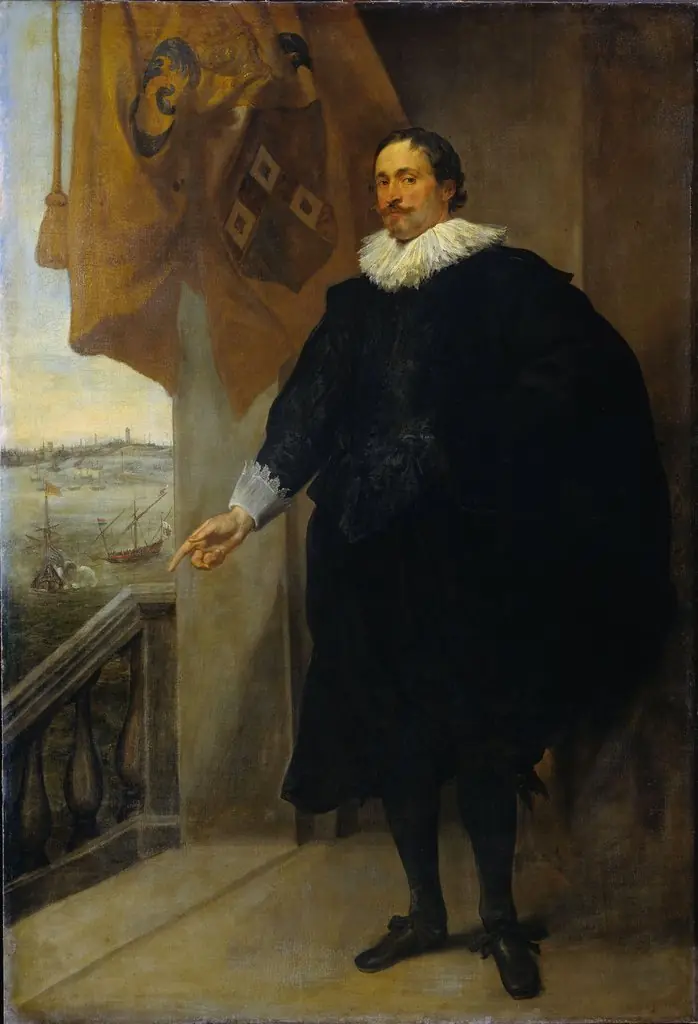
Own this work as a print
Artist & collection
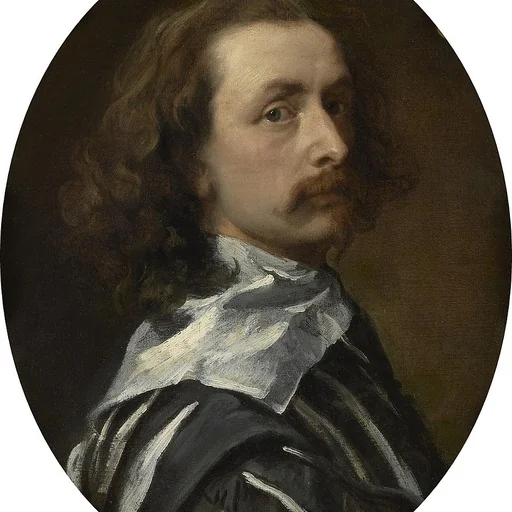
Artist
Sir Anthony van Dyck (; Dutch: Antoon van Dijck; 22 March 1599 – 9 December 1641) was a Flemish Baroque artist, who became the leading court painter in England after success in the Spanish Netherlands and Italy.