Artwork
The Teton Range
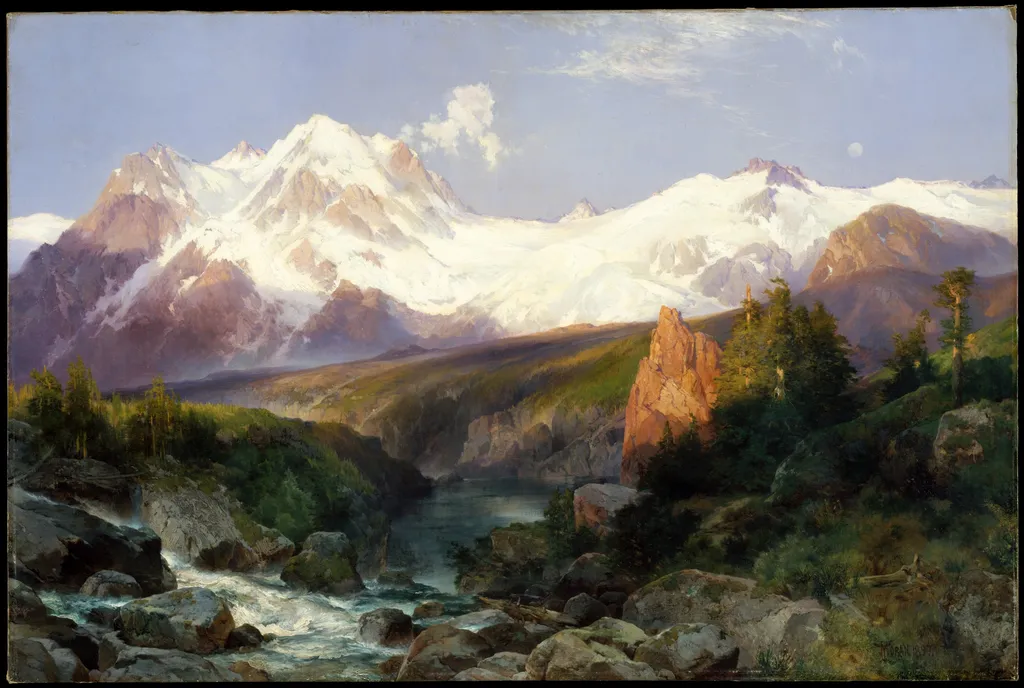
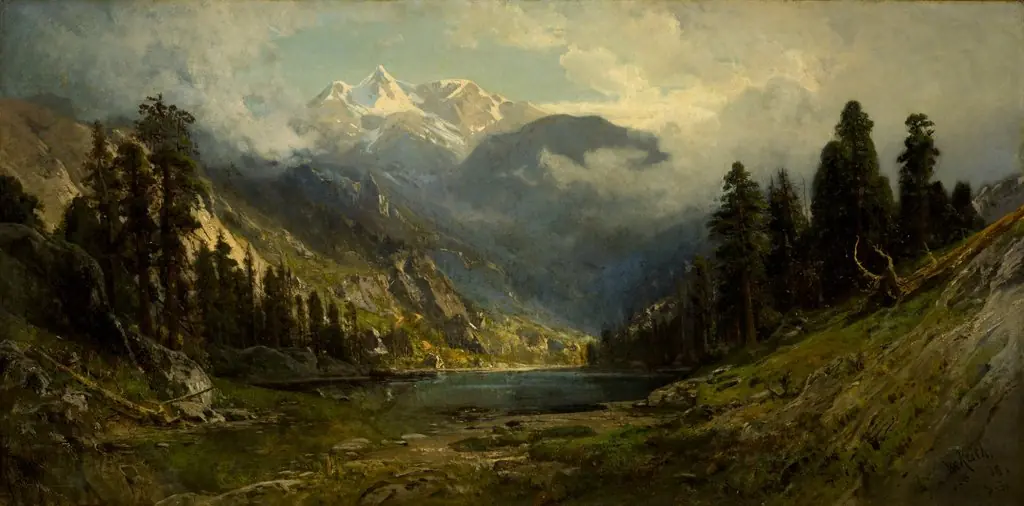
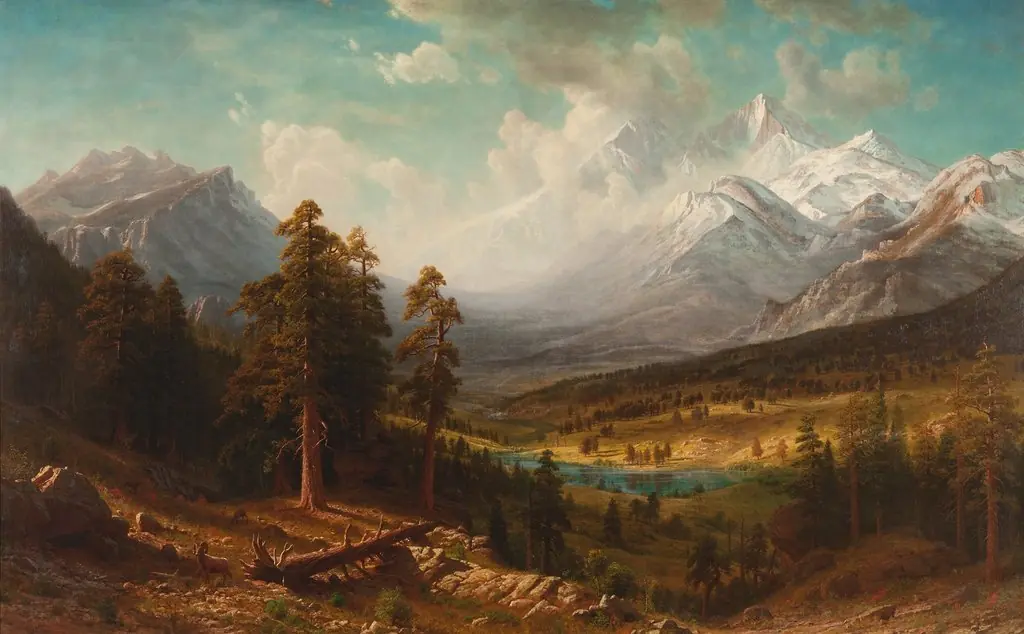
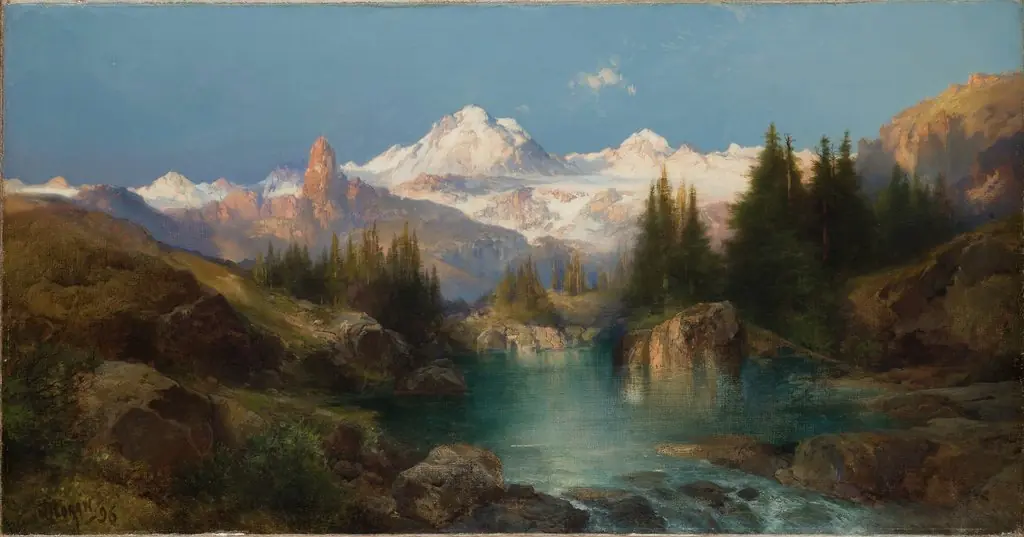
The Teton Range is an oil painting by the American Impressionist artist Thomas Moran. It dates from 1899 and is held in the collection of the Metropolitan Museum of Art.
About this work
Subject & Meaning
The work stands as a visual record of the geological formation, presenting the mountains as a dominant and enduring feature of the depicted scene.
The Teton Range depicts a mountainous landscape, specifically focusing on the rugged peaks of the Teton Range as the primary subject. Created by Thomas Moran in 1897, the work is classified as a landscape painting that emphasizes the grandeur of the natural environment. While the source material identifies the subject simply as a mountain and landscape, the composition serves to represent the majestic and untamed character of the American West.
The painting captures the physical presence of the mountains rather than allegorical figures or specific narrative events, aligning with Moran's broader artistic focus on the sublime qualities of the natural world. The work stands as a visual record of the geological formation, presenting the mountains as a dominant and enduring feature of the depicted scene.
Technique & Style
The Teton Range is rendered in oil paint applied to a canvas support, a medium and material combination typical of 19th‑century American landscape painting. The work presents a panoramic view of the mountain range, emphasizing atmospheric depth and naturalistic detail within the landscape genre. No specific information on brush handling or current condition is provided in the sources.
History & Provenance
Thomas Moran created The Teton Range in 1897. Executed in oil paint on a canvas measuring 76.2 by 114.3 centimeters, the work is a landscape painting depicting mountains. The artwork subsequently entered the collection of the Metropolitan Museum of Art, where it is currently housed.
The Teton Range, an 1897 oil painting by Thomas Moran, is held in the permanent collection of the Metropolitan Museum of Art, where it is catalogued as part of the museum's holdings of landscape paintings. The work, executed on canvas, measures 76.2 by 114.3 centimeters. Its placement at the Metropolitan Museum of Art is documented in the institution's records, consistent with its status as a notable example of Moran's late-career depictions of the American West. No specific accession number, acquisition date, or details of prior exhibitions are recorded in the available sources.
Overview
Thomas Moran, an American artist associated with the Hudson River School, completed The Teton Range in 1899. This oil painting captures the rugged grandeur of the Rocky Mountains, a frequent subject in his oeuvre. It is currently held in the collection of The Metropolitan Museum of Art, representing a significant example of late 19th-century American landscape art.
Context
As a painter linked to the Hudson River School, Moran contributed to the movement's tradition of depicting American wilderness. His particular focus on the Rocky Mountains, including the Teton Range, helped shape public perception of the American West. These grand landscapes often served to evoke both national pride and a sense of awe before nature.
Own this work as a print
Artist & collection
Artist
Thomas Moran (February 12, 1837 – August 25, 1926) was an American painter and printmaker of the Hudson River School in New York whose work often featured the Rocky Mountains.