Artwork
Mountain Scene
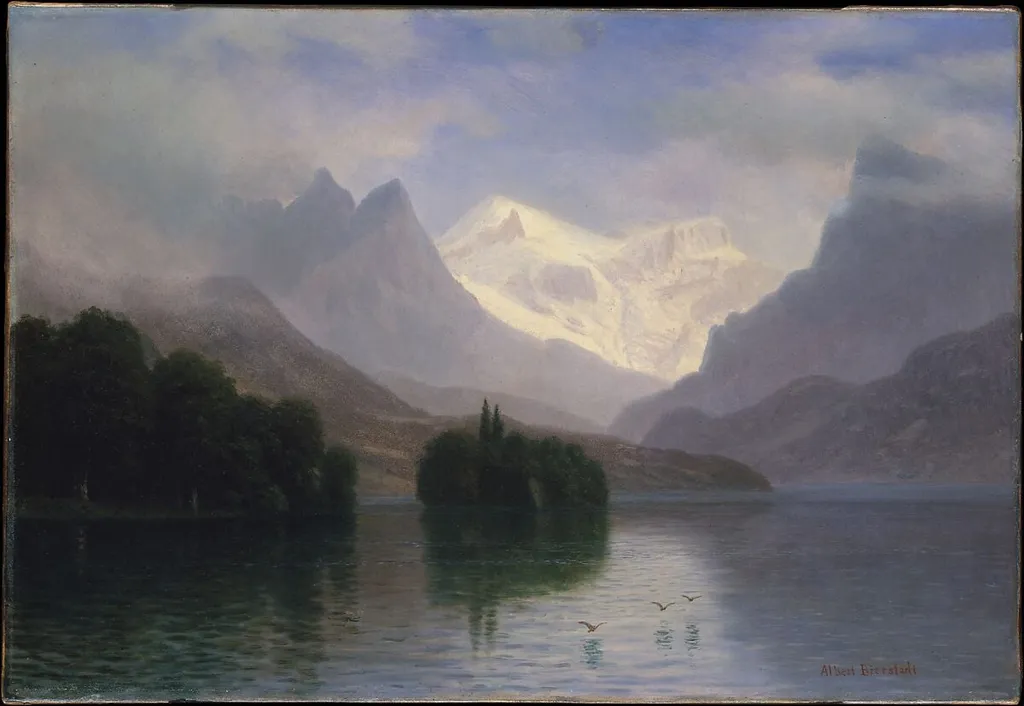
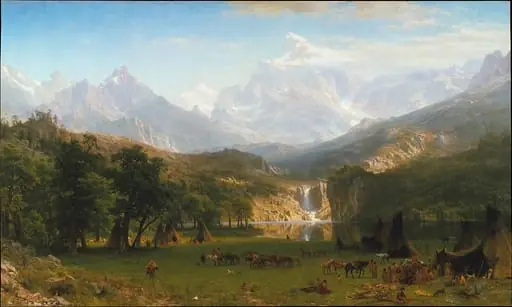
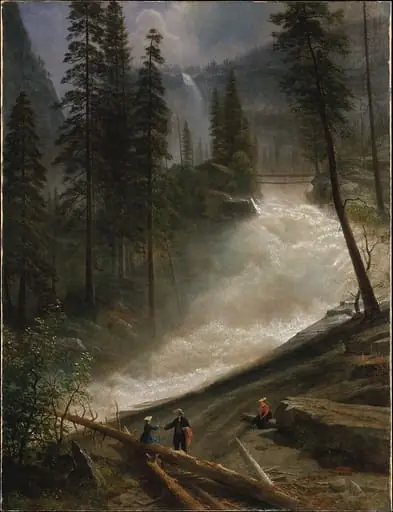
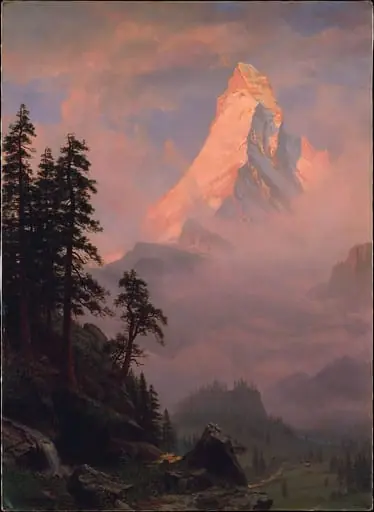
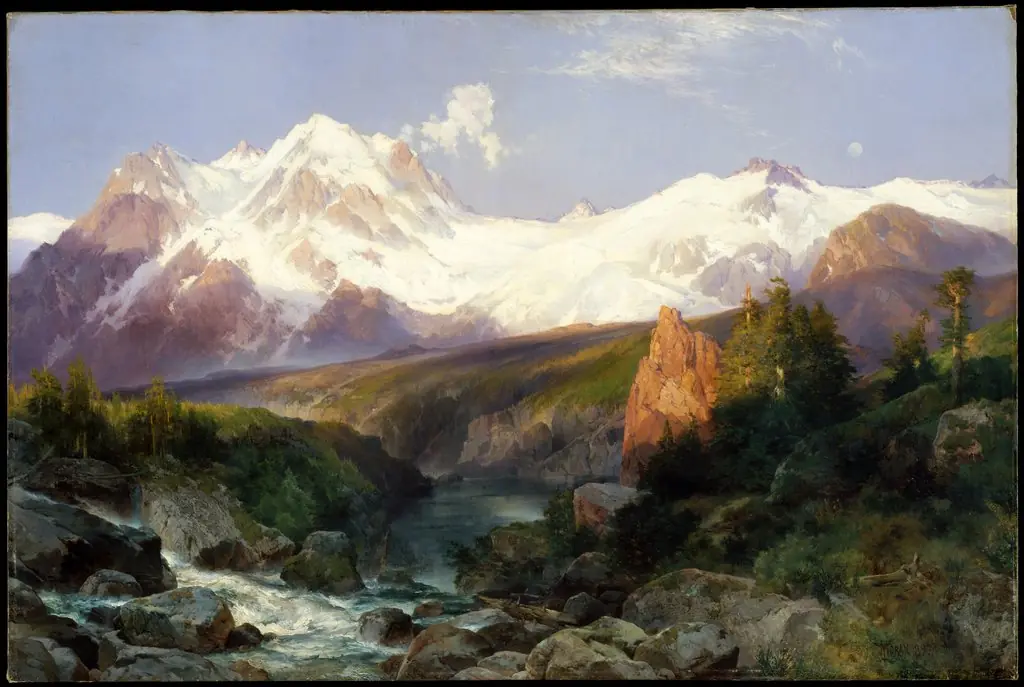
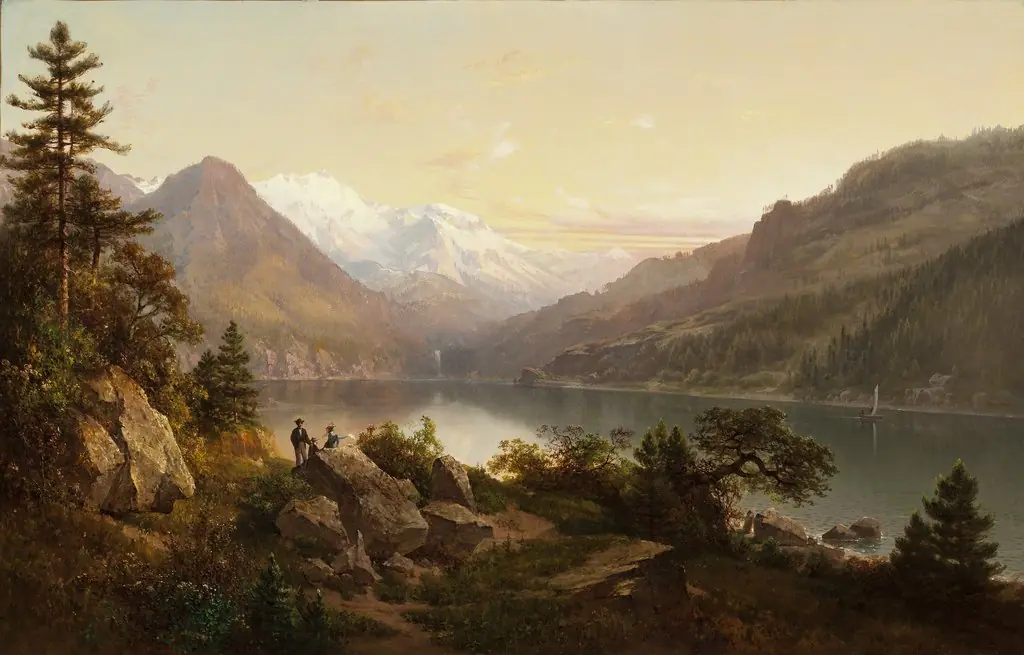
Mountain Scene is an oil painting by the American Impressionist artist Albert Bierstadt. It dates from 1885 and is held in the collection of the Metropolitan Museum of Art.
About this work
Subject & Meaning
Executed in oil on paper in 1880, the piece is housed in The American Wing of the Metropolitan Museum of Art.
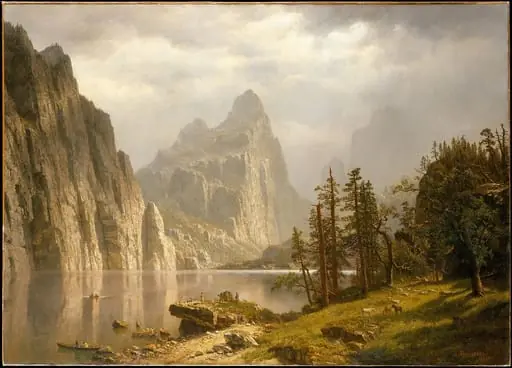
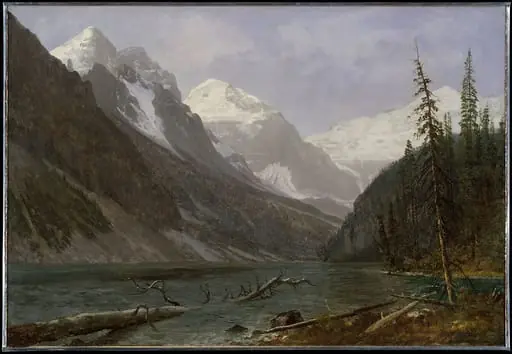
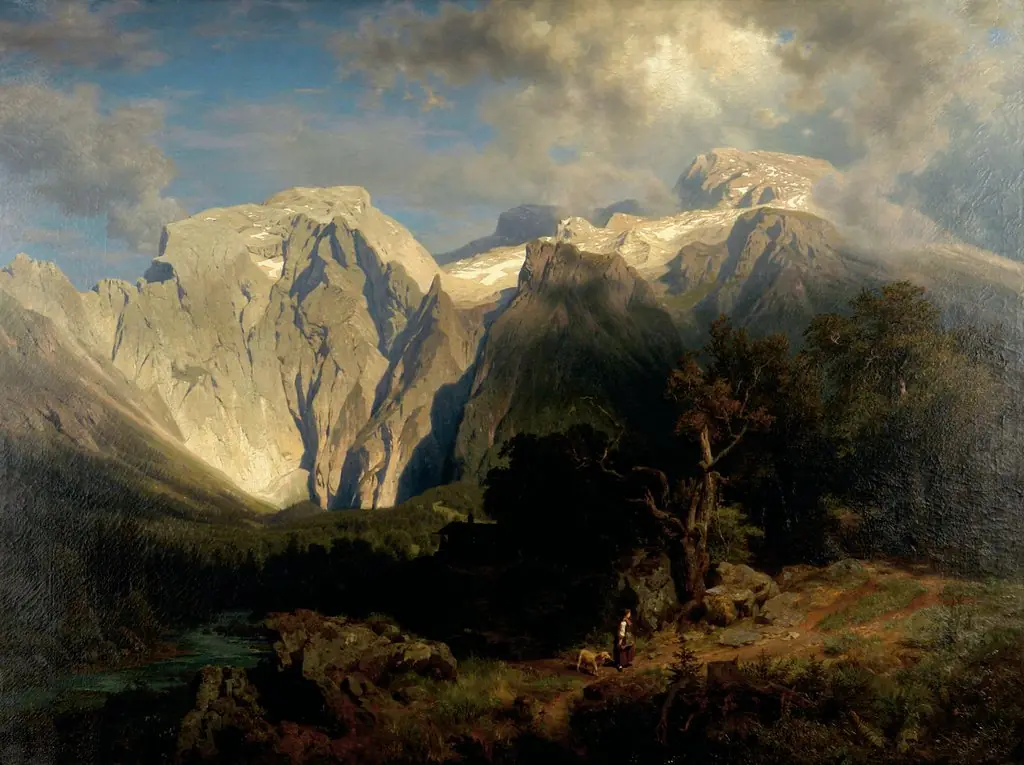
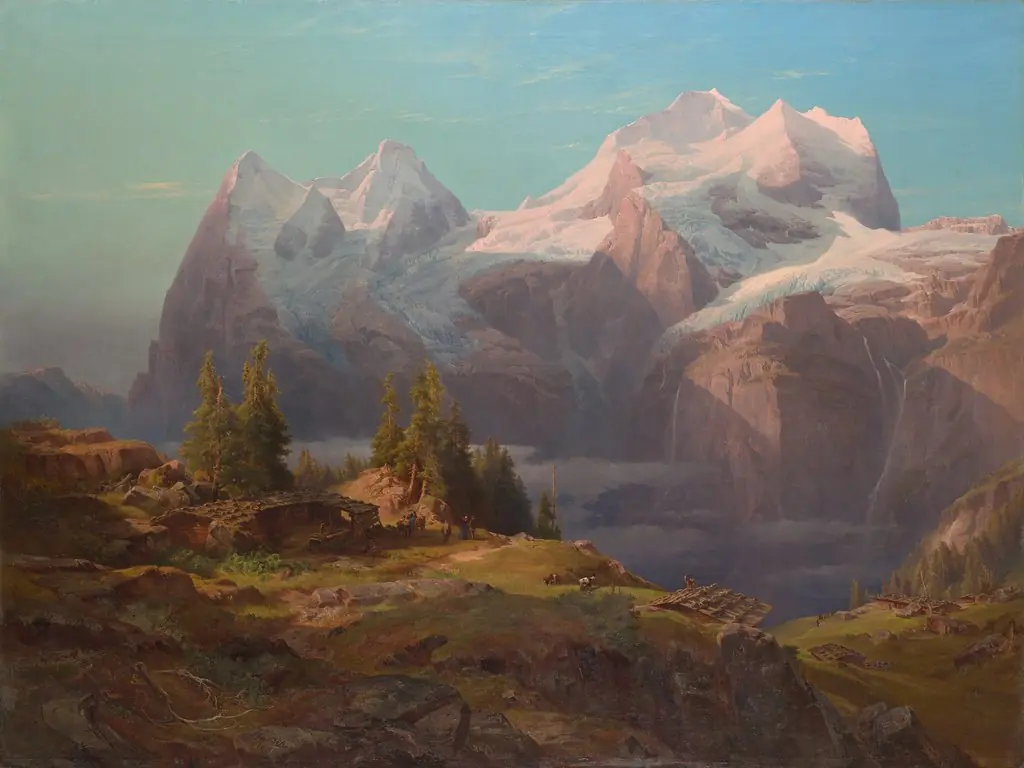
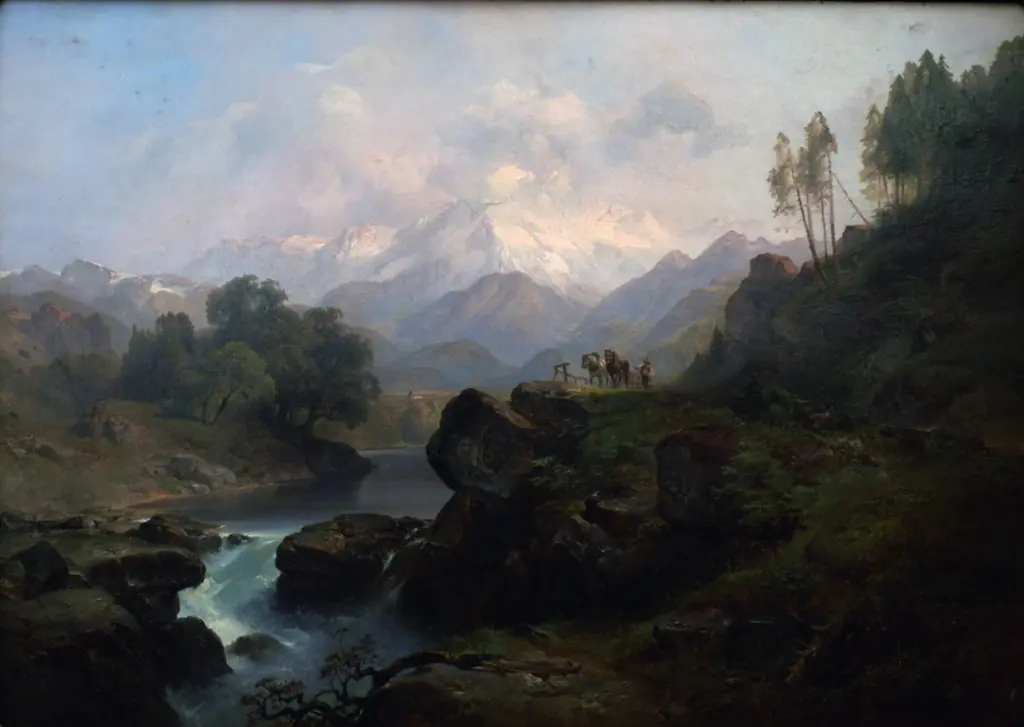
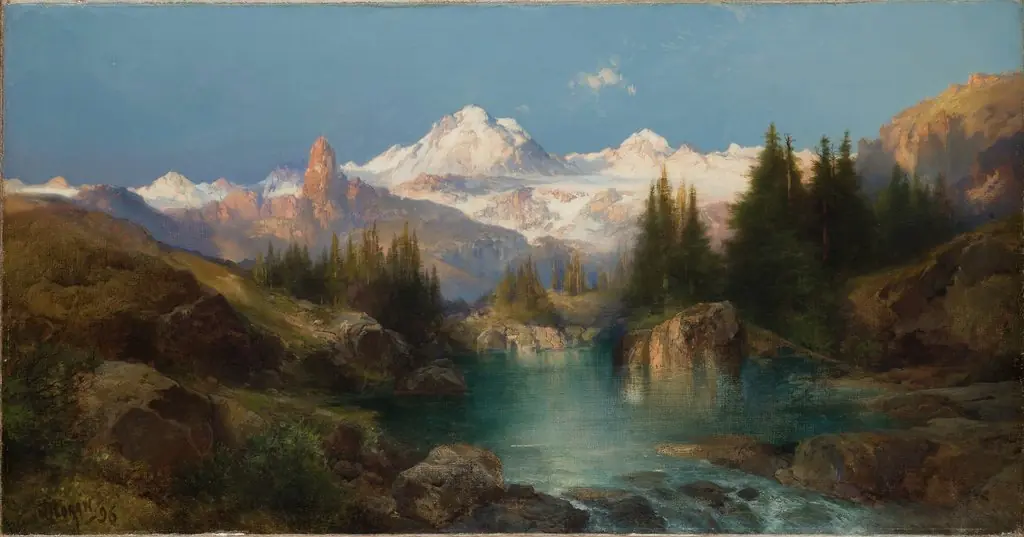
The painting shows a dramatic, snow‑capped mountain range rising above a verdant valley, a typical motif in Albert Bierstadt’s oeuvre that emphasizes the grandeur of the American West. By foregrounding a towering peak, the work evokes the sublime, suggesting both the awe‑inspiring power of nature and the idea of manifest destiny that underpinned 19th‑century American expansion. The mountain functions symbolically as a marker of untouched wilderness and national promise, while the meticulous rendering of light and atmosphere reflects the Hudson River School’s romantic idealization of landscape.
Executed in oil on paper in 1880, the piece is housed in The American Wing of the Metropolitan Museum of Art.
History & Provenance
Albert Bierstadt’s Mountain Scene was created in 1880, as documented by both institutional records and Wikidata ([1], [2]). Executed in oil on paper, the work aligns with Bierstadt’s late-career landscape production, though no specific commission or initial patron has been identified ([1]). The painting entered the collection of the Metropolitan Museum of Art, where it has remained since its acquisition, with no intervening ownership changes recorded in available sources ([2]).
Its dimensions, 37.5 cm in height and 53.3 cm in width, further confirm its identification within the museum’s holdings ([2]).
Context
Painted in 1880, Albert Bierstadt's Mountain Scene represents a late-career example of the American landscape tradition, aligning with the artist's broader focus on the monumental topography of the West. Created in oil, the work depicts mountainous terrain and is classified within the genre of landscape painting. Currently held by the Metropolitan Museum of Art in The American Wing, the piece reflects Bierstadt's sustained engagement with natural grandeur during the final decade of the nineteenth century.
While specific critical reviews of this particular 1880 canvas are not detailed in the available records, its inclusion in a major public collection underscores its recognized status within the canon of American art history as a representative work by one of the period's most prominent landscape painters.
Overview
Mountain Scene, painted by Albert Bierstadt in 1885, captures a dramatic natural vista. This oil on paper work exemplifies the artist's enduring interest in monumental landscapes, a characteristic theme throughout his career. The composition features towering mountains, dense foliage, and a serene body of water, reflecting his dedication to depicting the grandeur of the American wilderness. This piece is categorized within The American Wing, highlighting its significance in American art history.
Technique & Style
Executed in oil on paper, Mountain Scene demonstrates Bierstadt's command of his chosen medium. While known for large-scale canvases, this work on paper showcases his ability to render intricate details and atmospheric effects on a more intimate surface. His approach to landscape painting, characterized by dramatic lighting and meticulous rendering of natural forms, places him within the tradition of the second generation of the Hudson River School, which emphasized the spiritual and aesthetic qualities of the American wilderness.
Artist & collection

Artist
Albert Bierstadt (January 7, 1830 – February 18, 1902) was a German-American painter best known for his lavish, sweeping landscapes of the American West.