Artwork
The Last Supper
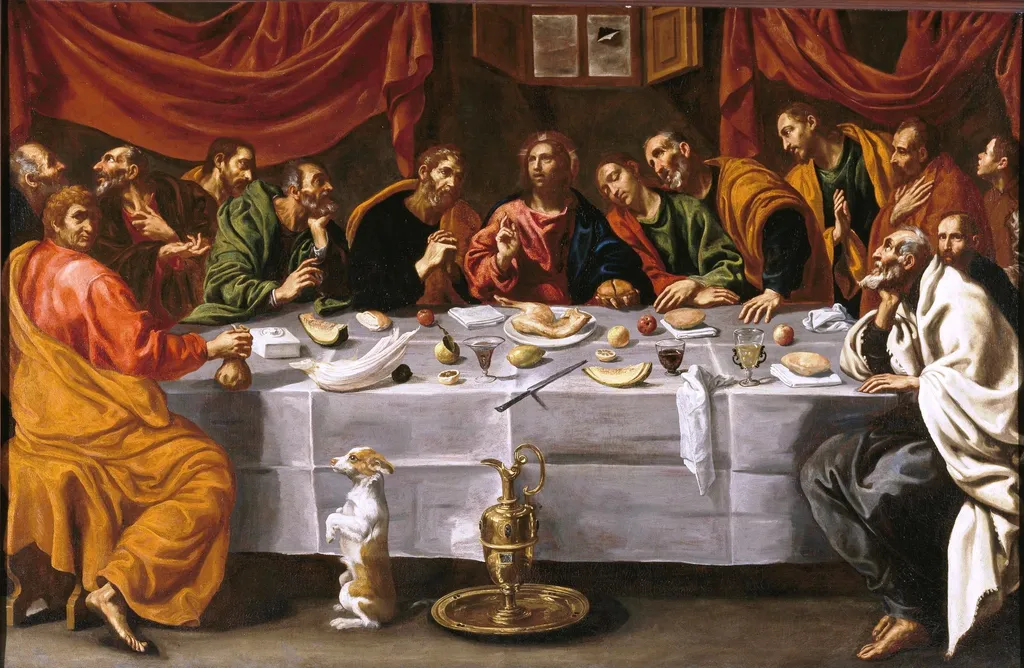
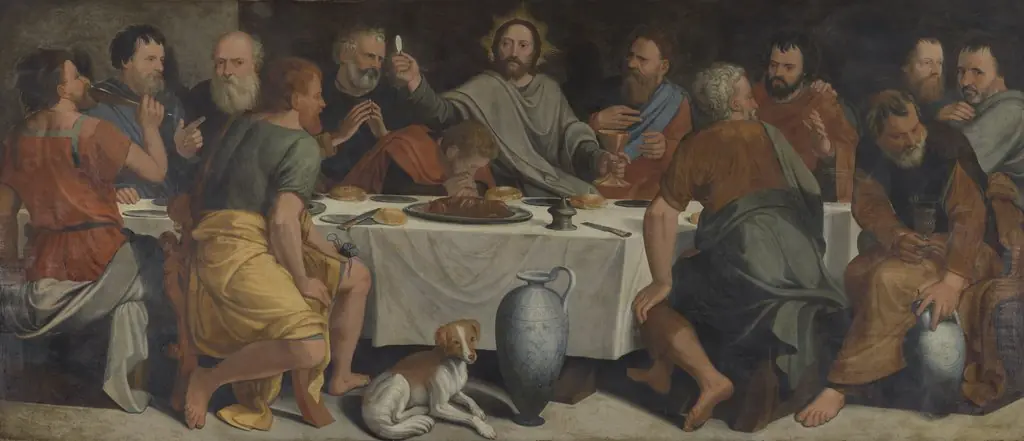
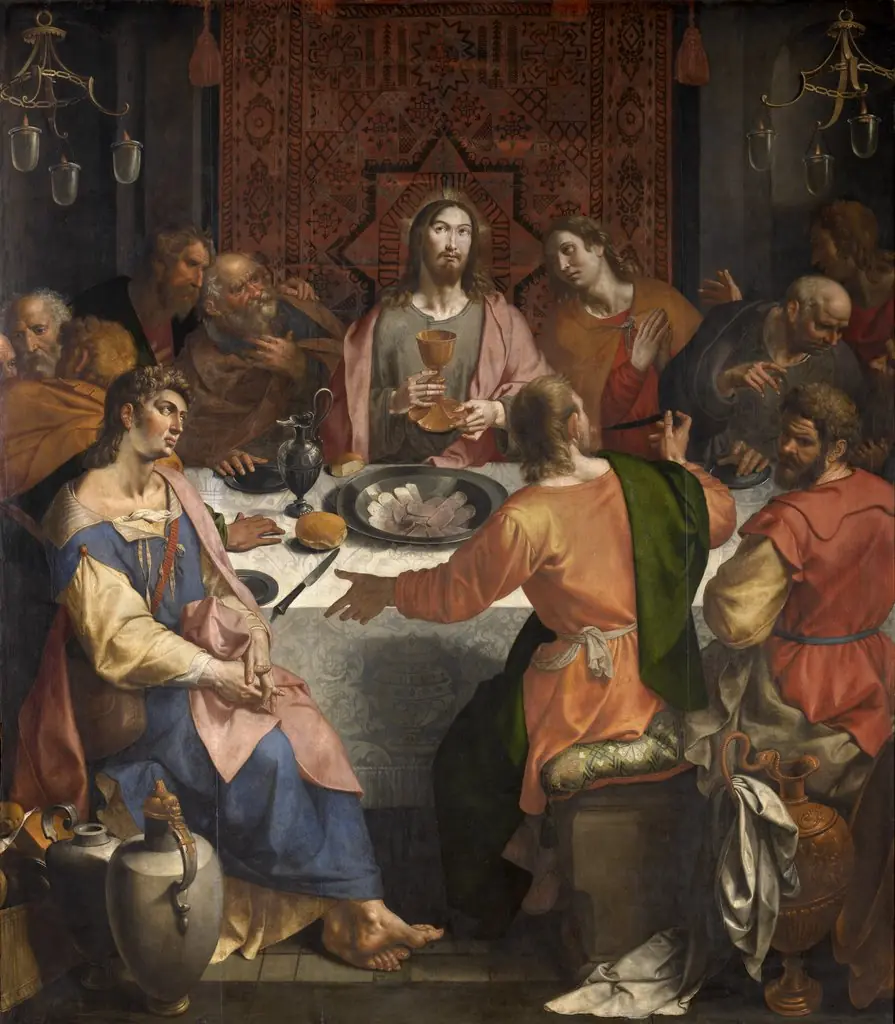
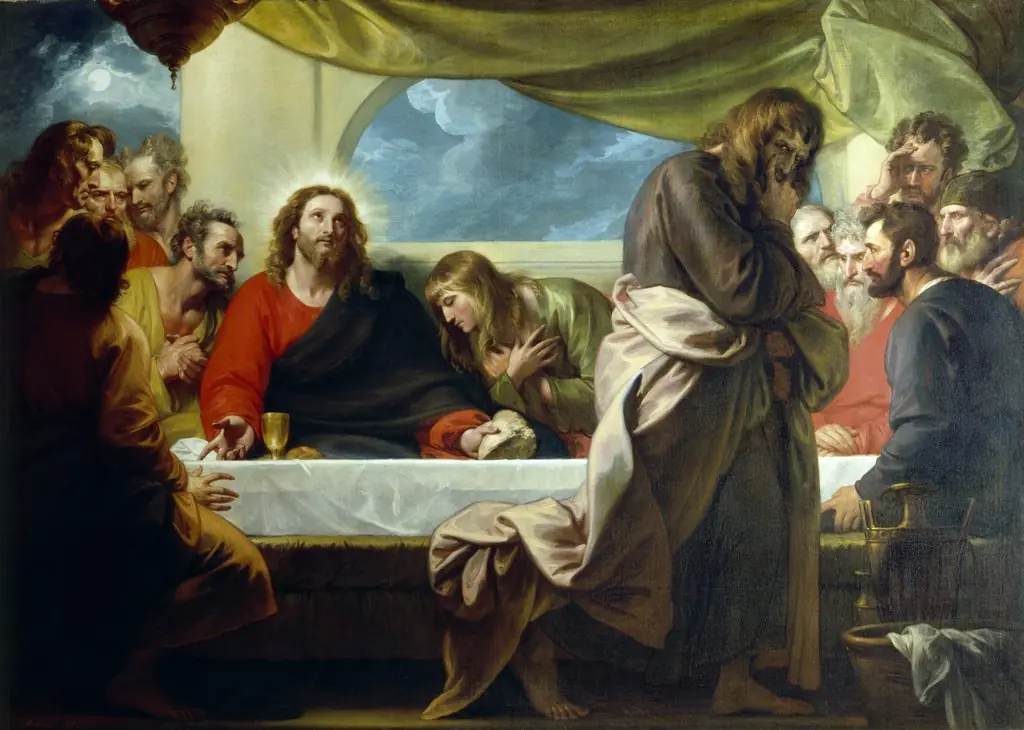
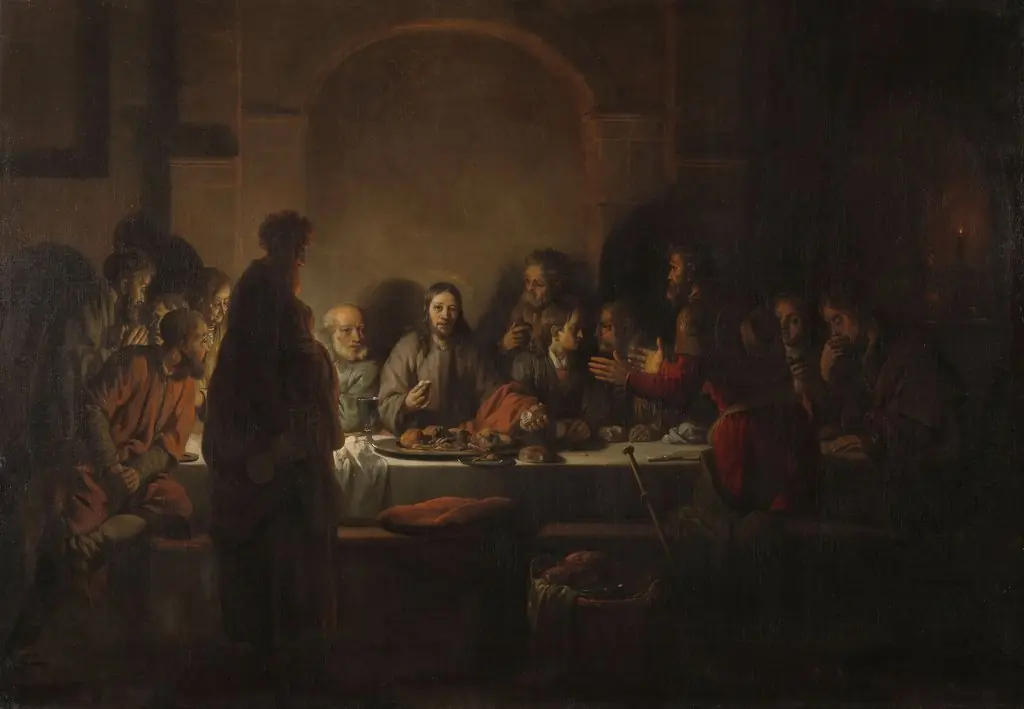
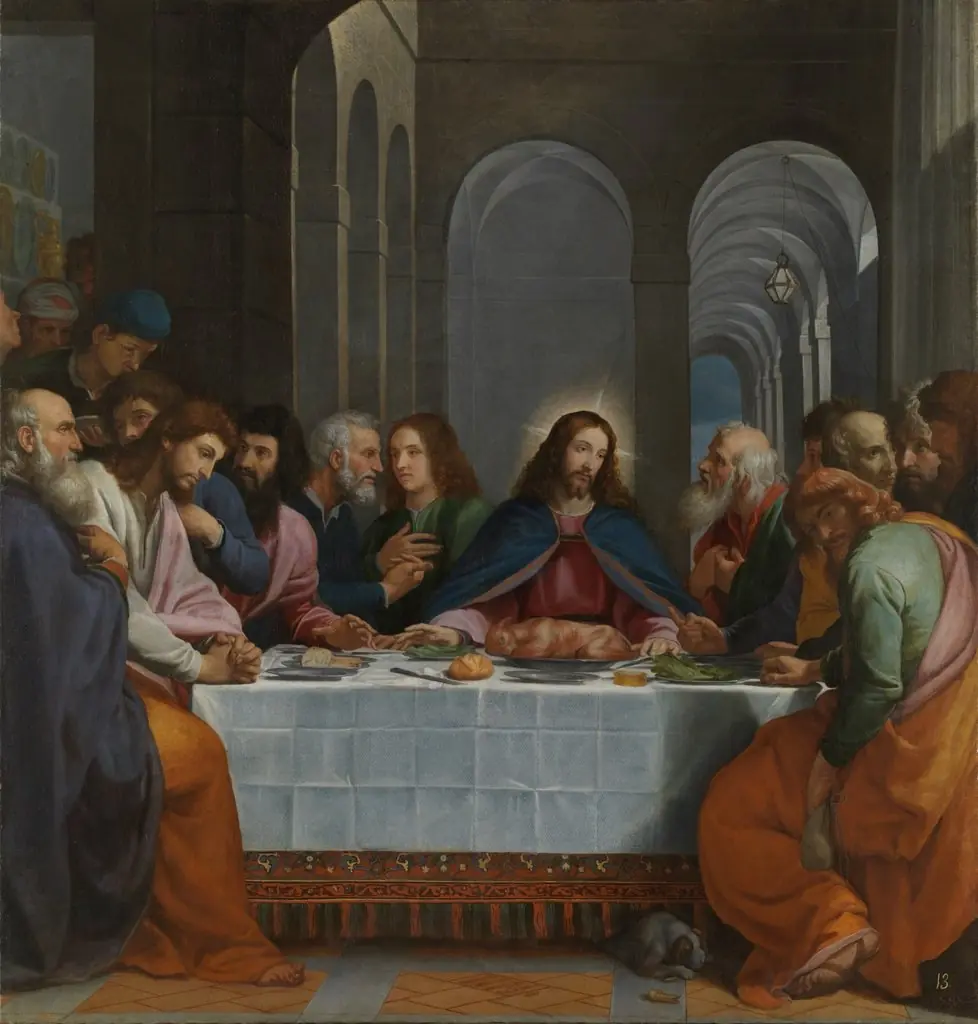
The Last Supper is an oil painting by the Early Baroque Italian artist Luis Tristán. It dates from 1620 and is held in the collection of the Museo del Prado.
About this work
Subject & Meaning
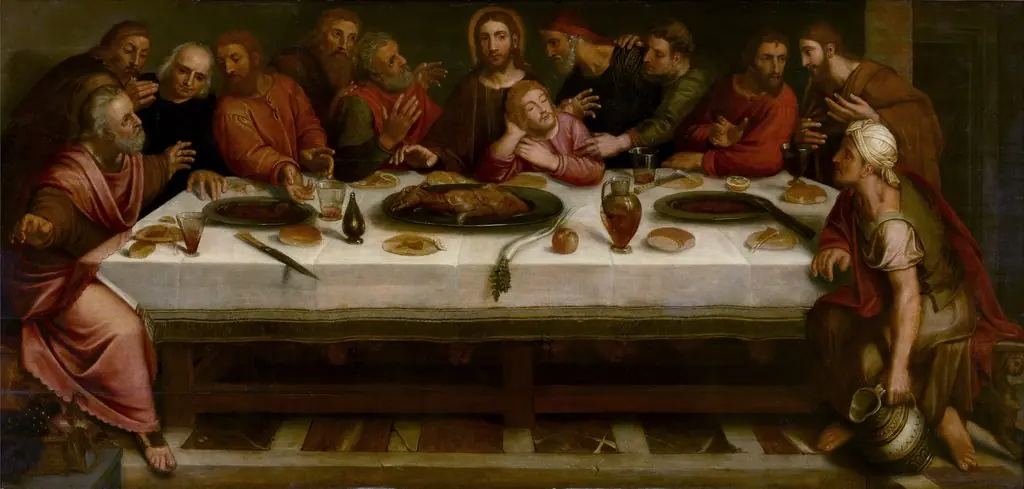
The composition features bread and a knife as symbolic elements referencing the Eucharist and impending betrayal.
Luis Tristán's 1620 oil painting The Last Supper, housed in the Museo del Prado, illustrates the biblical scene of Christ and the twelve apostles at the final meal before his crucifixion. The composition features bread and a knife as symbolic elements referencing the Eucharist and impending betrayal. This religious work embodies Counter-Reformation ideals through its devotional focus and precise naturalism, reflecting the artist's mastery of devotional imagery within the Spanish Baroque tradition.
Technique & Style
Luis Tristán's The Last Supper, created in 1620, is executed in oil paint on a canvas support. The work measures 107 cm in height and 164 cm in width. As a religious painting, the composition formally depicts the biblical scene of the Last Supper, including specific details such as bread and a knife. The piece is currently held in the collection of the Museo del Prado.
Context
Luis Tristán's 1620 oil painting The Last Supper, housed in the Museo del Prado, was created as a religious composition depicting the biblical scene with bread and knife. The work is classified within the religious art genre and reflects the artist's focus on devotional imagery during the early Baroque period. Its composition and iconography have been analyzed in scholarship as representative of Spanish Counter-Reformation visual theology, situating it within Tristán's broader oeuvre of small-scale devotional paintings.
Legacy
Luis Tristán's 1620 painting The Last Supper entered the Museo del Prado collection and became a reference point for religious compositions in Spanish Baroque art. Contemporary accounts recorded its influence on later interpretations of the subject, and modern scholarship cites it as an exemplar of Tristán's mature style. The work's compositional clarity and treatment of narrative detail have been noted in studies of 17th-century Spanish painting.
Overview
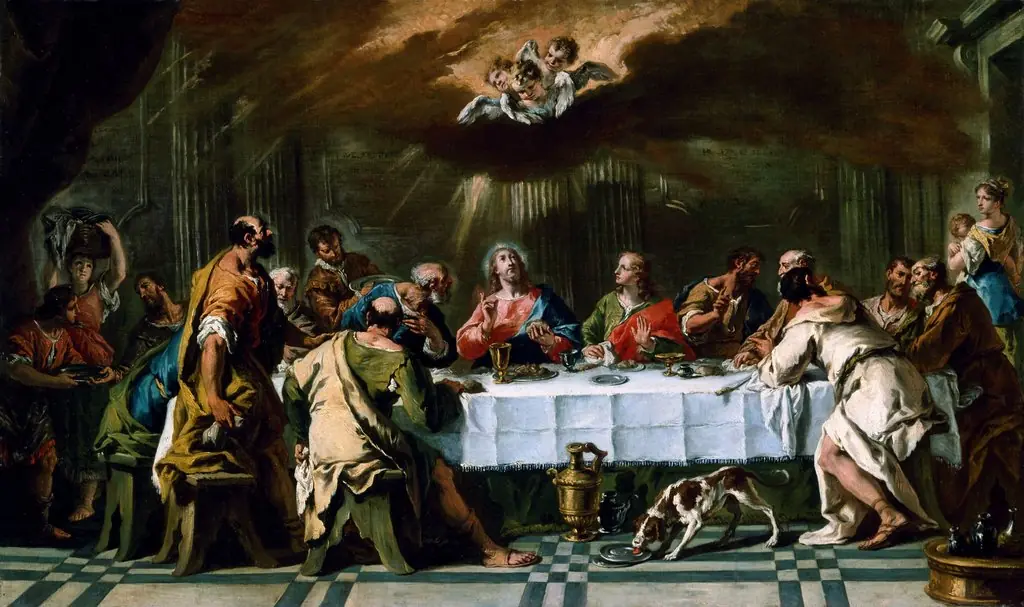
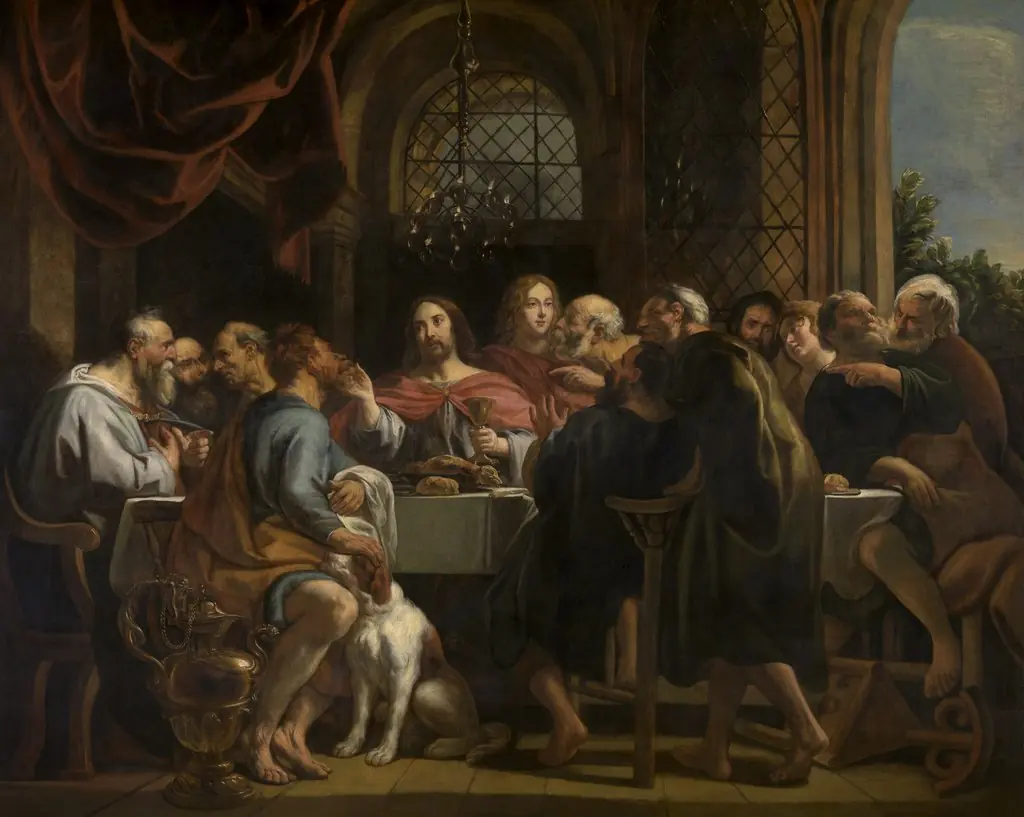
Luis Tristán’s The Last Supper (1620) is an oil painting that presents a banquet scene set within a dimly lit interior. A group of men in varied robes gathers around a long, white‑draped table laden with fruit, bread, cups, and a golden pitcher, while a small dog stands on its hind legs near a tray. The composition reflects early Baroque influences and is part of the Museo del Prado’s collection in Madrid.
History & Provenance
Born in Toledo around 1585, Tristán worked within the Spanish Mannerist tradition before embracing Baroque sensibilities. He completed The Last Supper shortly before his death in 1624. The painting entered the Museo del Prado’s holdings in the 19th century, where it remains on display as part of the museum’s early 17th‑century Spanish collection.
Own this work as a print
Artist & collection
Artist
Luis Tristán de Escamilla, also known as Luis de Escamilla or Luis Rodríguez Tristán (c.1585, Toledo - 1624, Toledo), was a Spanish painter in the mannerist style.