Artwork
清 佚名 舊傳顧愷之 會稽山圖 卷|The Hills of Kuaiji
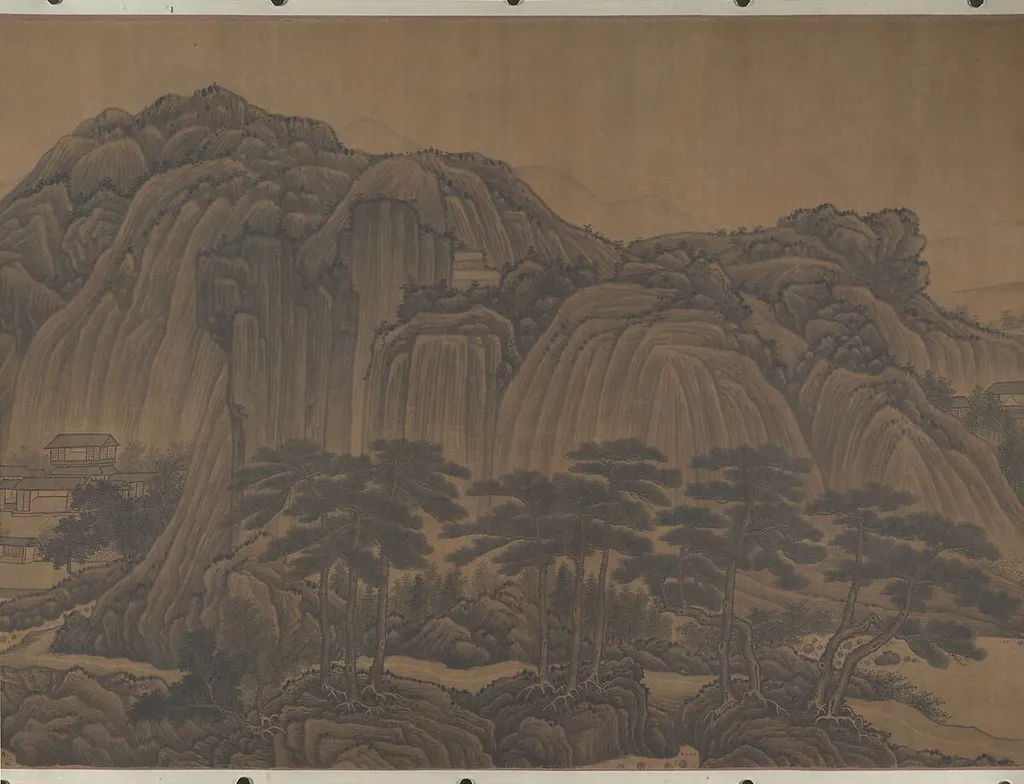
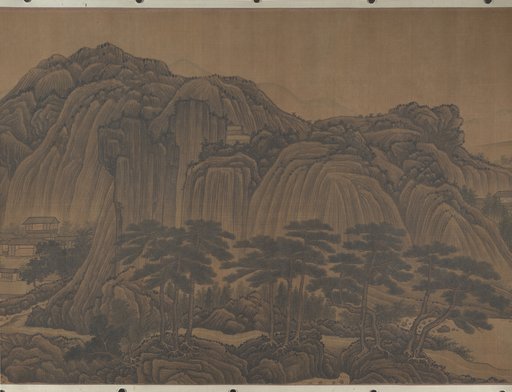
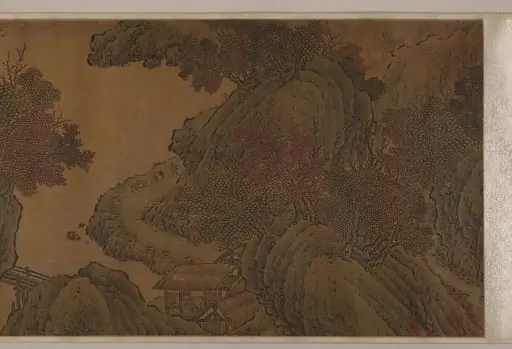
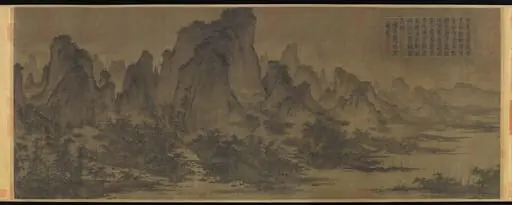
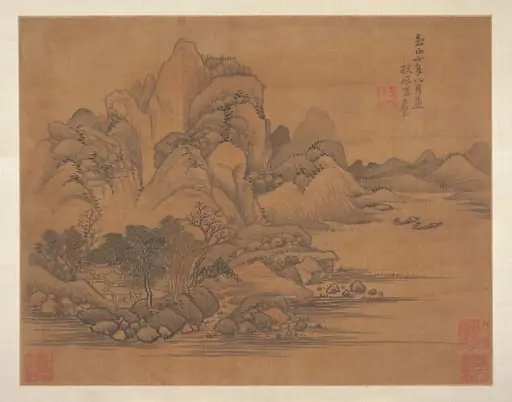
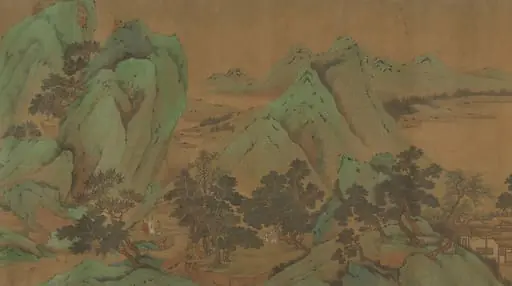
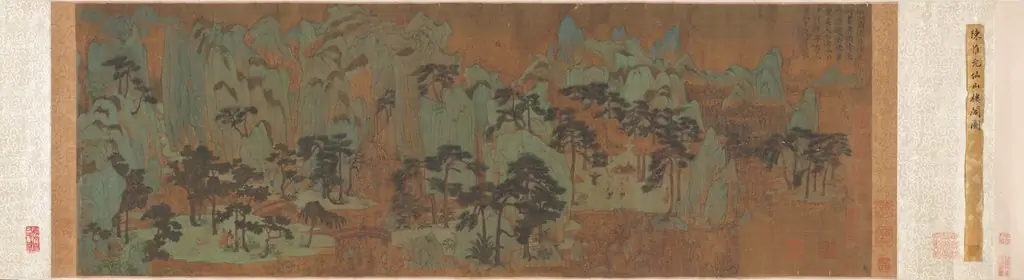
清 佚名 舊傳顧愷之 會稽山圖 卷|The Hills of Kuaiji is an ink painting by the Baroque artist After Gu Kaizhi. It dates from 18 and is held in the collection of the Metropolitan Museum of Art. Titled "The Hills of Kuaiji," this handscroll painting, rendered with ink and color on silk, presents a serene landscape.
About this work
Subject & Meaning
Although historically attributed to the ancient master Gu Kaizhi, it is now recognized as a much later work made in his manner.
Created in 1639 by an anonymous Chinese artist, this handscroll depicts the Hills of Kuaiji, a specific landscape subject. The work is executed in ink and color on silk in the landscape genre. Although historically attributed to the ancient master Gu Kaizhi, it is now recognized as a much later work made in his manner.
The iconography focuses on the natural topography of the hills, continuing classical Chinese landscape themes and serving as a visual record of this celebrated location, long significant in Chinese art and literature.
Technique & Style
The Hills of Kuaiji is executed as a handscroll in ink and color on silk, a traditional Chinese format that allows the landscape to unfold horizontally as the viewer unrolls the work. The seventeenth-century dating indicates a later production by an anonymous artist working in the manner traditionally associated with the Eastern Jin master Gu Kaizhi. The silk support and ink-and-color technique are characteristic of later Chinese landscape practice, in which pigments are layered over an ink underdrawing on a prepared silk ground.
The work is classified as a landscape painting and is held in the collection of the Metropolitan Museum of Art.
History & Provenance
Created in 1639 in China, this handscroll painted in ink and color on silk is attributed to an anonymous artist, though it was historically transmitted as a work by Gu Kaizhi. The piece, titled The Hills of Kuaiji, depicts a landscape of hills. While specific details of its original commission or its ownership prior to museum acquisition are not provided in the available records, the work is now held in the collection of the Metropolitan Museum of Art.
Its seventeenth-century date distinguishes it from the much earlier period of the artist to whom it was once ascribed.
Overview
Titled "The Hills of Kuaiji," this handscroll painting, rendered with ink and color on silk, presents a serene landscape. Although attributed to the ancient master Gu Kaizhi, this work was produced during the Qing dynasty. It offers a sweeping vista of misty blue-green mountains, winding rivers, and small trees, capturing a sense of tranquil timelessness within its elongated format.
Artist & collection