Artwork
Untitled
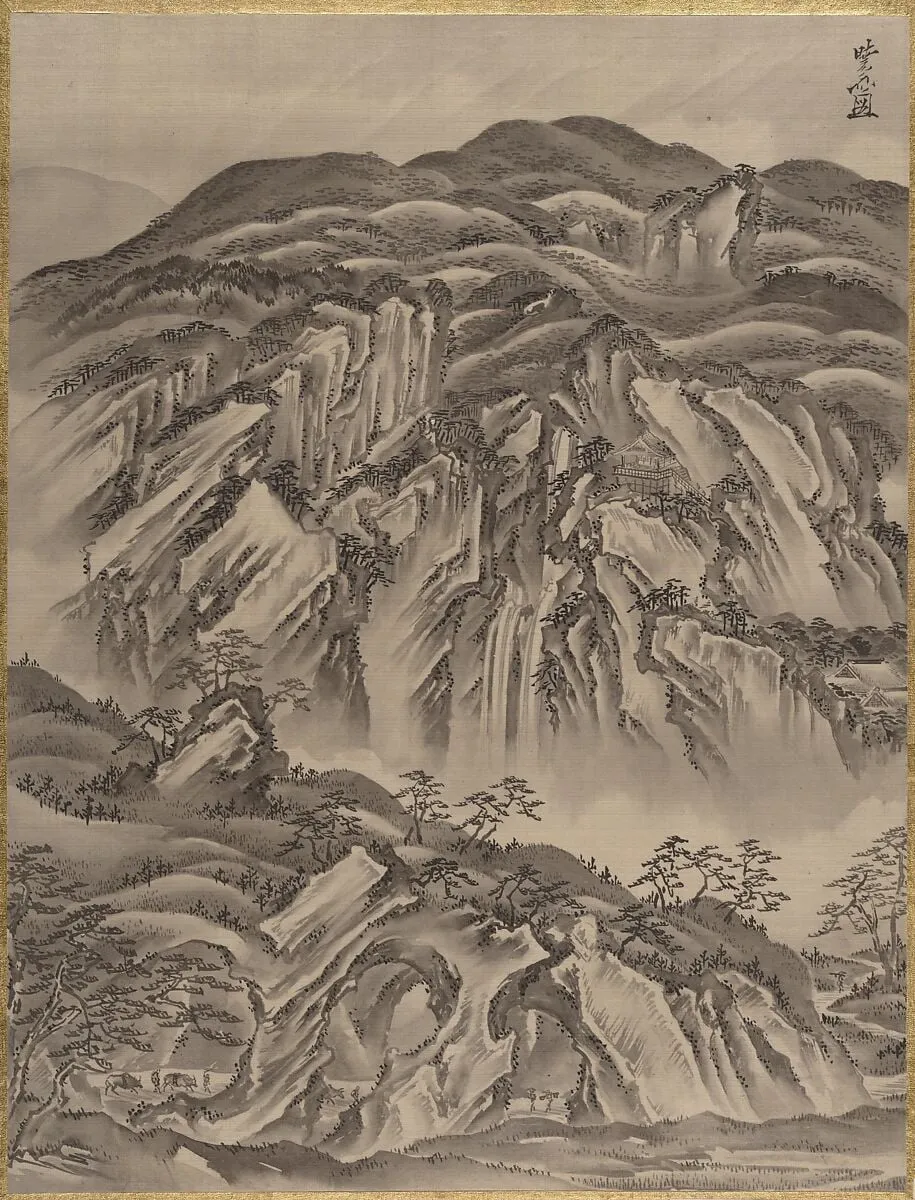
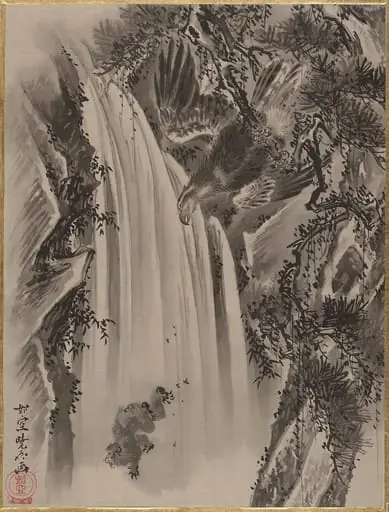
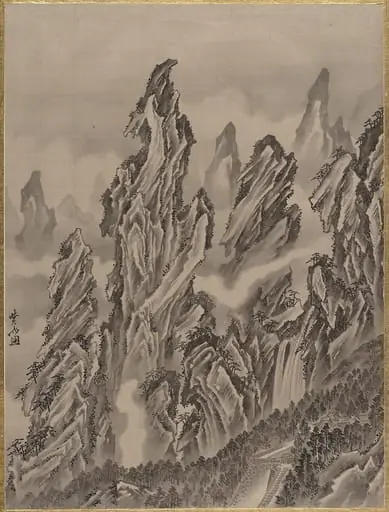
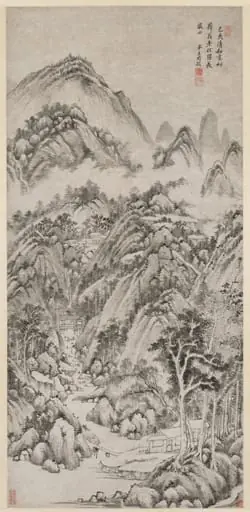
Untitled is an ink painting by the Impressionist artist Kawanabe Kyōsai 河鍋暁斎. It dates from 1887 and is held in the collection of the Metropolitan Museum of Art.
About this work
Technique & Style
6 cm in width, a modest scale consistent with album-leaf conventions of the period.
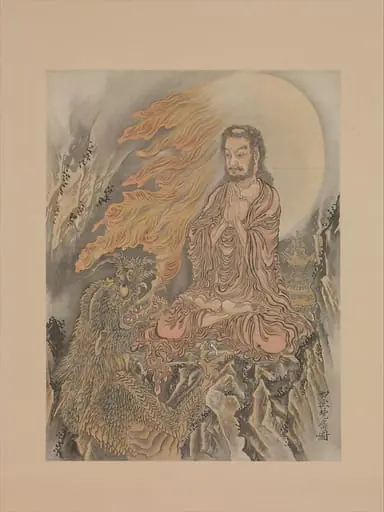
This 1887 work by Kawanabe Kyōsai is executed as an album leaf in ink and color on silk, a traditional East Asian format suited to intimate viewing and serial display. The support consists of silk, providing a smooth, refined ground that absorbs ink washes while allowing colored pigments to be applied in thin, controlled layers. The painting measures 36.2 cm in height by 27.6 cm in width, a modest scale consistent with album-leaf conventions of the period.
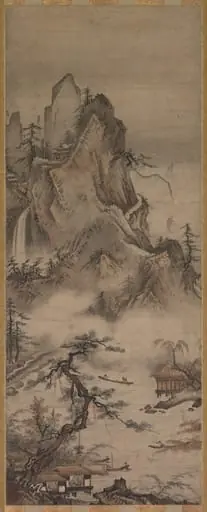
Classified as a landscape painting, it depicts a mountain subject, situating the work within Kyōsai's engagement with classical landscape themes rendered through brush-and-ink handling on a silk ground.
History & Provenance
Created in 1887 by the Japanese artist Kawanabe Kyōsai, this landscape painting depicts a mountainous scene. The work was executed in Japan using ink and color on silk, formatted as an album leaf measuring 36.2 by 27.6 centimeters. While specific details regarding its original commission or intermediate ownership history are not provided in the available records, the piece is currently held in the collection of the Metropolitan Museum of Art.
The inception date is recorded as January 1, 1887, marking its place within the artist's late career output before his death later that same year.
The work Untitled (1887) by Kawanabe Kyōsai belongs to the Metropolitan Museum of Art in New York. It is recorded as an album leaf executed in ink and color on silk, measuring 36.2 × 27.6 cm and classified as a landscape painting that depicts a mountain. The museum’s catalog lists the piece within its Kyōsai holdings, though an explicit accession number is not supplied in the available documentation.
No exhibition history for this artwork is noted in the sources consulted. The painting remains part of the museum’s permanent collection and is typically displayed in the Japanese painting galleries.
Overview
Kawanabe Kyōsai's Untitled album leaf, created around 1887, showcases a dramatic mountain landscape rendered in ink and color on silk. This work exemplifies the artist's distinctive approach within the ukiyo-e tradition. Kyōsai, renowned for his individualist style and command of classical Japanese painting techniques, was also a noted caricaturist during the late 19th century, a period of significant change in Japan.
Subject & Meaning
The composition presents a towering, jagged mountain emerging from a dense, swirling mist. Its contours are defined by sharp ink lines, creating an almost crystalline impression. Nestled precariously on the mountain's slope, a small temple appears almost consumed by the surrounding clouds, emphasizing the grandeur and isolation of the natural world. This scene reflects a traditional appreciation for sublime landscapes.
Context
Created in the 1880s, this work emerged during a transformative era when Japan was increasingly engaging with Western influences. Kawanabe Kyōsai navigated this period by integrating his mastery of traditional Japanese painting with a unique, energetic style. Art historian Timothy Clark has positioned Kyōsai as potentially "the last virtuoso" of traditional Japanese painting, highlighting his significant role at the close of the 19th century.
Artist & collection
Artist
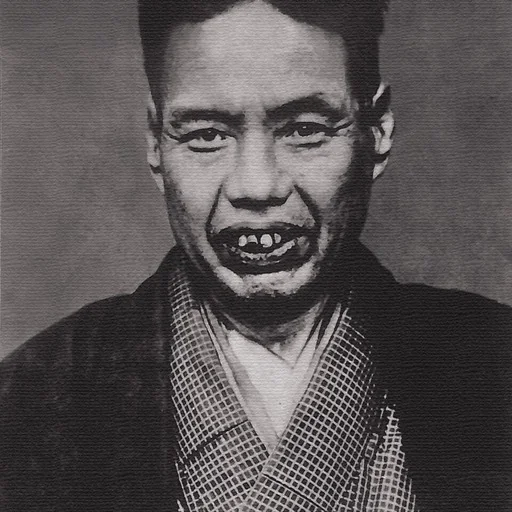
Kawanabe Kyōsai (河鍋 暁斎; May 18, 1831 – April 26, 1889) was a Japanese painter and caricaturist. In the words of art historian Timothy Clark, "an individualist and an independent, perhaps the last virtuoso in traditional Japanese painting".