Artwork
地蔵菩薩来迎図|Welcoming Descent of the Bodhisattva Jizō
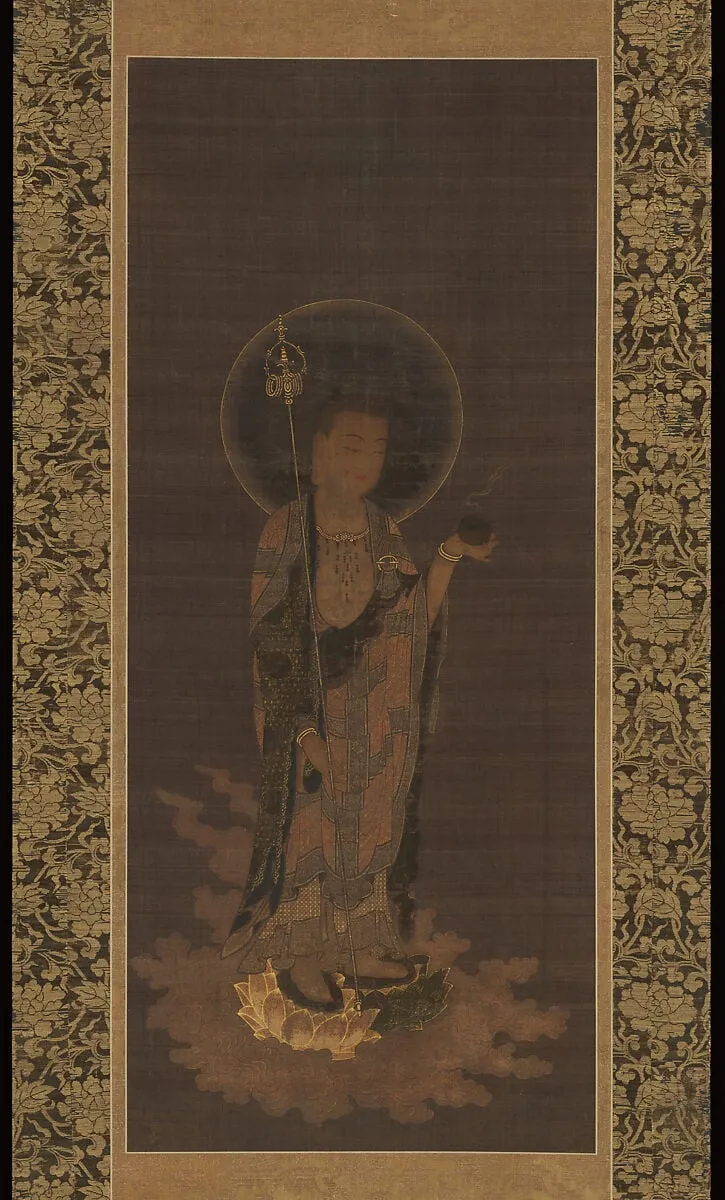
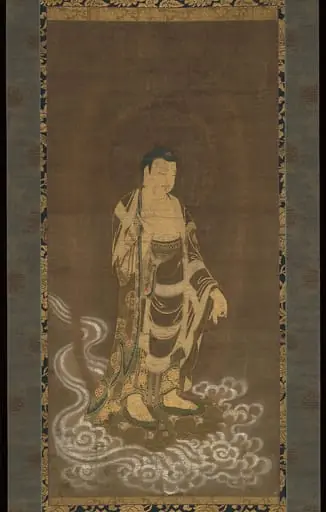
地蔵菩薩来迎図|Welcoming Descent of the Bodhisattva Jizō is an ink painting. It dates from 1316 and is held in the collection of the Metropolitan Museum of Art.
About this work
Subject & Meaning
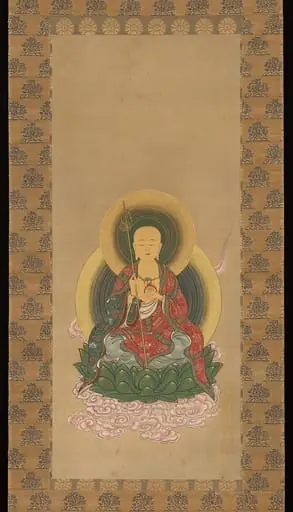
The depiction aligns with iconographic traditions where Jizō appears to welcome devotees, symbolizing mercy and the assurance of a favorable afterlife.
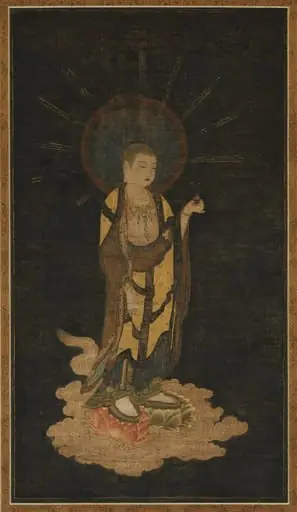
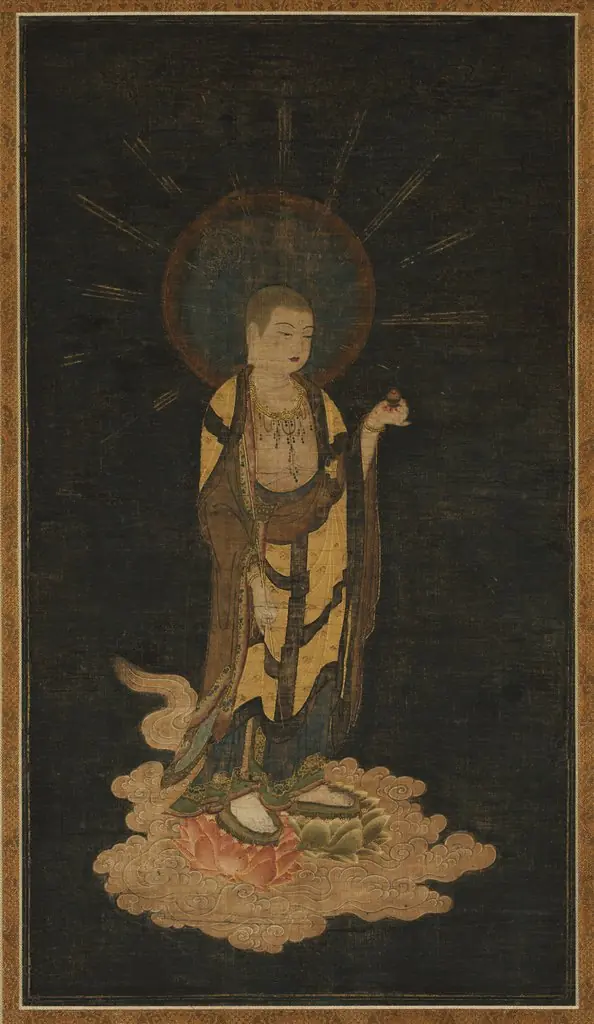
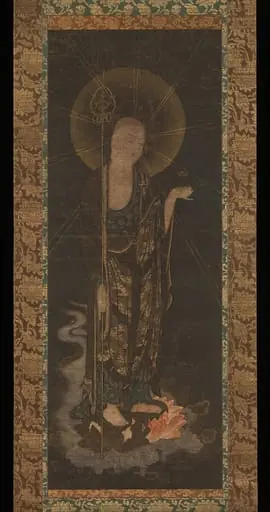
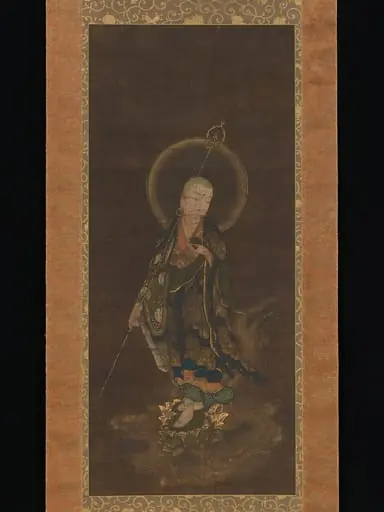
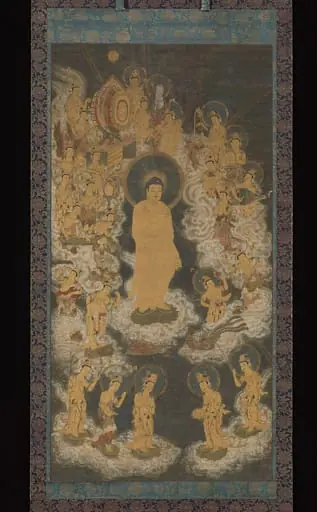
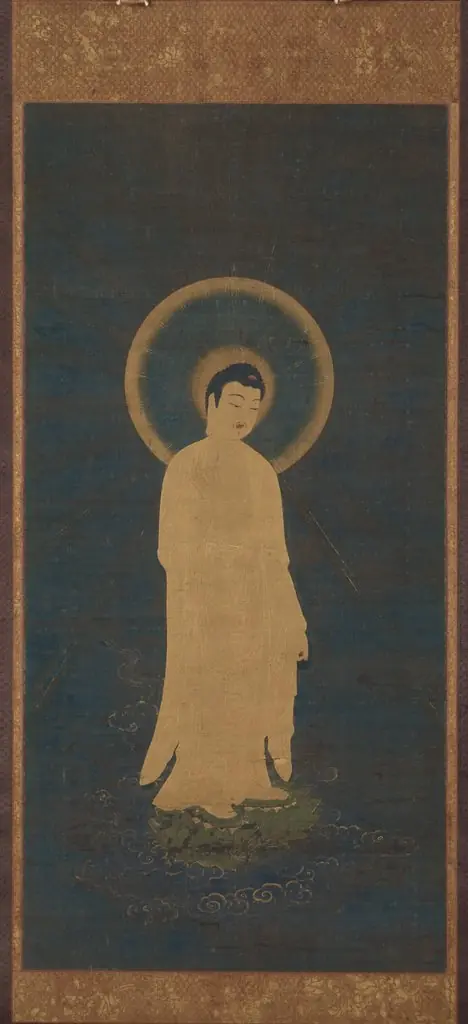
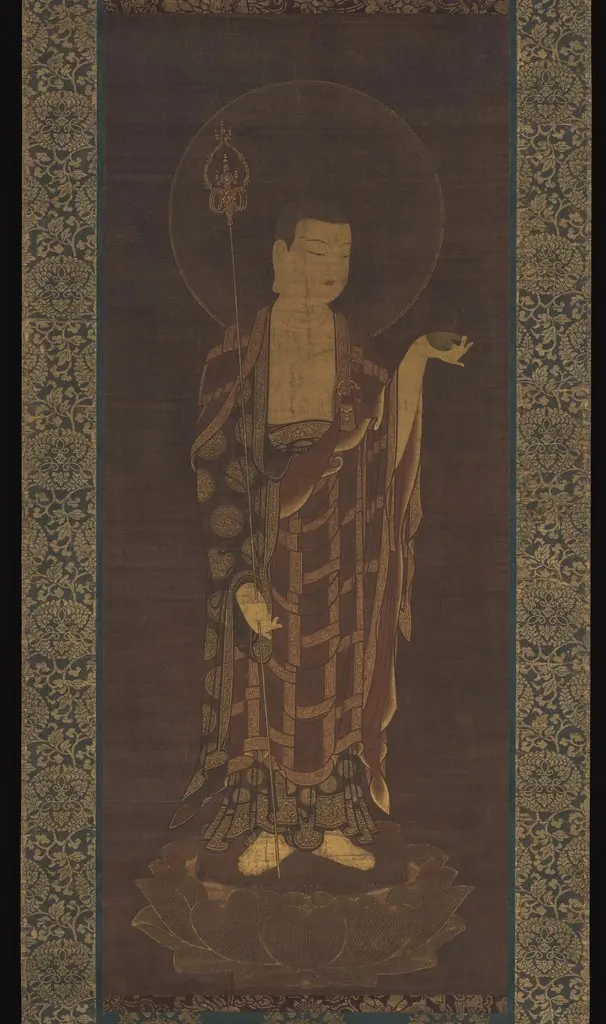
Created in 1316 in Japan, this hanging scroll depicts the Bodhisattva Jizō performing a welcoming descent, a central motif in Buddhist religious art. The subject represents the compassionate intervention of Jizō, who descends from the heavens to guide souls toward salvation. As a work of religious genre, the painting embodies the promise of salvation and the active presence of the Bodhisattva to assist the faithful.
The depiction aligns with iconographic traditions where Jizō appears to welcome devotees, symbolizing mercy and the assurance of a favorable afterlife. The artwork, executed in ink, color, and cut gold on silk, serves as a visual manifestation of these spiritual concepts, focusing entirely on the figure of the Bodhisattva within a Buddhist context.
Technique & Style
Created in 1316, the Welcoming Descent of the Bodhisattva Jizō is a hanging scroll executed on silk. The artwork employs a combination of ink and mineral colors, with cut gold applied to enhance specific details. As a religious painting of Japanese origin, the piece reflects the stylistic conventions of its era through its use of these traditional materials.
The support consists of silk, a common medium for Japanese hanging scrolls of this period, which allows for the delicate application of ink and color. The inclusion of cut gold suggests a focus on luminosity and sacred significance, characteristic of devotional images intended to depict the Bodhisattva's descent. The work remains classified within the genre of religious art, preserving the formal qualities associated with early fourteenth-century Japanese Buddhist painting.
History & Provenance
Created in Japan in 1316, the hanging scroll known as the Welcoming Descent of the Bodhisattva Jizō is attributed to an anonymous painter. Executed in ink, color, and cut gold on silk, the work belongs to the genre of religious art depicting Buddhist figures. The painting's specific commissioning details and the identity of its original patron remain unrecorded in available documentation.
Its known ownership history begins with its presence in a Japanese collection before entering the holdings of the Metropolitan Museum of Art. While the precise date of its acquisition by the museum is not detailed in the provided records, the work is currently cataloged as part of the museum's permanent collection, representing a significant example of early fourteenth-century Japanese religious painting.
Overview
This hanging scroll, titled Welcoming Descent of the Bodhisattva Jizō, is a Japanese Buddhist painting executed with ink, color, and cut gold on silk. It depicts the benevolent Bodhisattva Jizō descending on a cloud, accompanied by smaller figures and encircled by a radiant halo. The intricate gold leaf details, known as kirikane, reflect light, imbuing the sacred scene with a dynamic and ethereal quality.
Artist & collection