Artwork
지장보살도 고려|地藏菩薩圖 高麗|Kshitigarbha
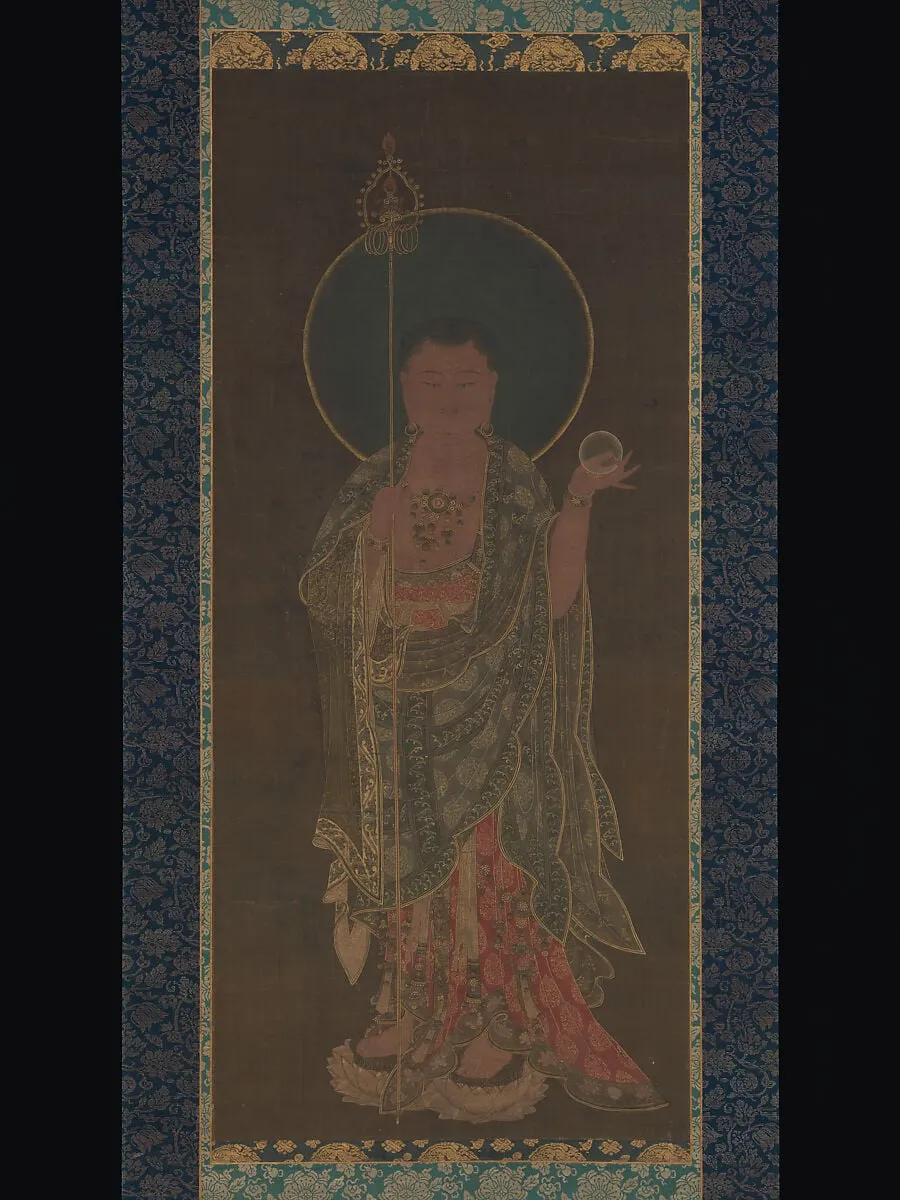
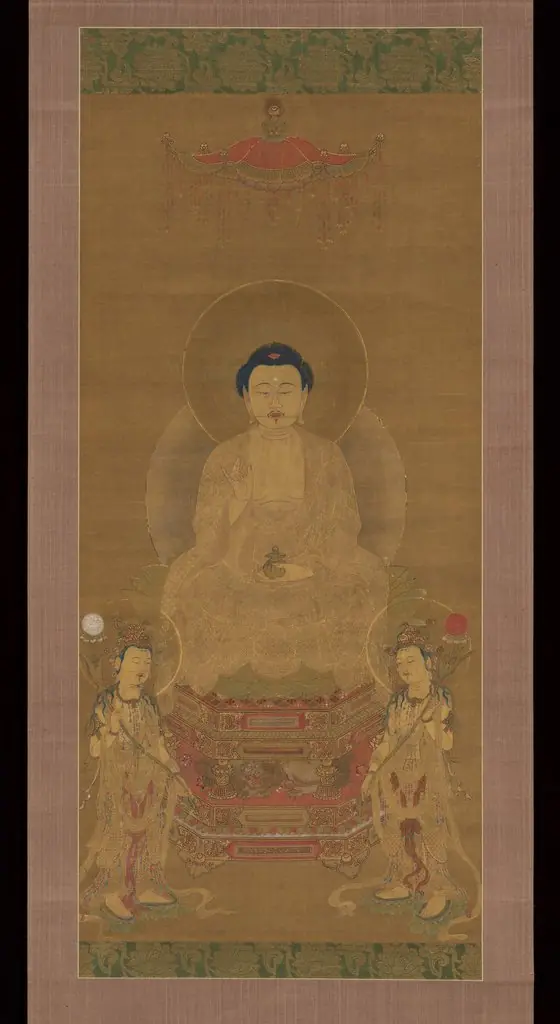
지장보살도 고려|地藏菩薩圖 高麗|Kshitigarbha is an ink painting. It dates from 1324 and is held in the collection of the Metropolitan Museum of Art. Kshitigarbha, a Goryeo-period Korean painting, depicts the bodhisattva Kshitigarbha on a hanging silk scroll.
About this work
Technique & Style
The silk ground provides a surface for the brushwork and the application of opaque colors and metallic accents that define the figure’s robes and halo.
The work is a hanging scroll painted in ink, mineral pigments, and gold leaf on a silk support, dated to 1324 and attributed to an anonymous Goryeo‑period artist. The silk ground provides a surface for the brushwork and the application of opaque colors and metallic accents that define the figure’s robes and halo. The painting is presently housed in the Metropolitan Museum of Art as part of its East Asian collection.
History & Provenance
The painting is dated to 1324, as recorded in both the artwork’s internal documentation and the Metropolitan Museum of Art’s records. It was created during the Goryeo period in Korea, where Kshitigarbha paintings were a significant part of Buddhist devotional art. The work entered the collection of the Metropolitan Museum of Art, where it is currently held.
Its provenance prior to the 20th century is not documented in the provided sources, and the artist remains anonymous.
The Koryo-era hanging scroll depicting Kshitigarbha Bodhisattva, dated to 1324, is currently held in the collection of the Metropolitan Museum of Art. While the specific inventory or accession number is not provided in the available records, the work is classified as a religious painting executed in ink, color, and gold on silk by an unknown artist. The museum's documentation identifies the piece as a painting by an anonymous painter, confirming its location within their holdings. No specific exhibition history or past display dates are recorded in the provided sources.
Overview
Kshitigarbha, a Goryeo-period Korean painting, depicts the bodhisattva Kshitigarbha on a hanging silk scroll. This artwork, created with ink, color, and gold, was intended for display in a Buddhist temple. It features a serene, standing figure adorned in red robes, highlighted by luxurious gold details, embodying a sense of comfort and spiritual guidance for its devotees.
Subject & Meaning
The painting portrays Kshitigarbha, a bodhisattva revered for his vow to save all beings from suffering, particularly those in hell. He appears as a tall, tranquil figure, standing on a cloud, holding a staff and a wish-granting jewel. These attributes symbolize his power to traverse realms and alleviate distress, offering solace and spiritual direction to those who viewed the work within a temple setting.
Context
This Kshitigarbha painting originates from Korea's Goryeo dynasty, a period when Buddhist art flourished and disseminated widely through established trade networks across Asia. Such elaborate scrolls were central to temple worship, serving as focal points for devotion and meditation. The use of precious materials like gold pigment underscores the high regard for the subject and the significant resources dedicated to religious art during this era.
Artist & collection

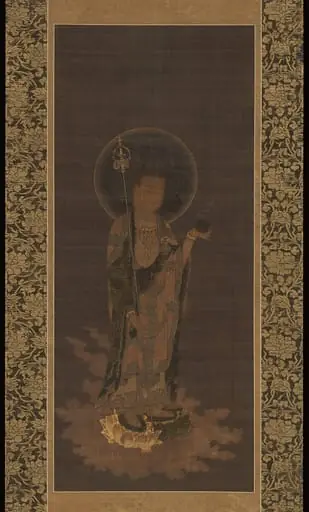 地蔵菩薩来迎図|Welcoming Descent of the Bodhisattva Jizō
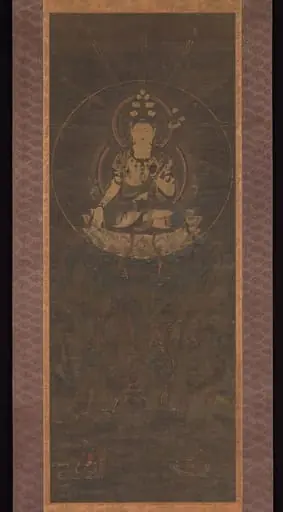 十一面観音影向図|Eleven-Headed Kannon on Mount Fudaraku
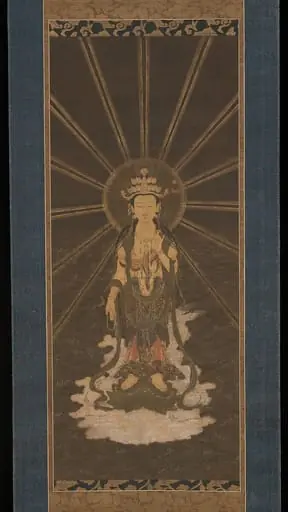 十一面観音来迎図|Descent of Eleven-Headed Kannon
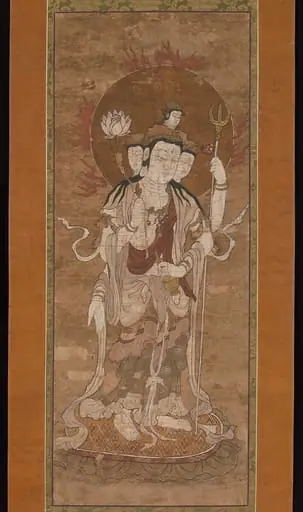 十二天像(梵天)|One of the Twelve Devas: Bonten
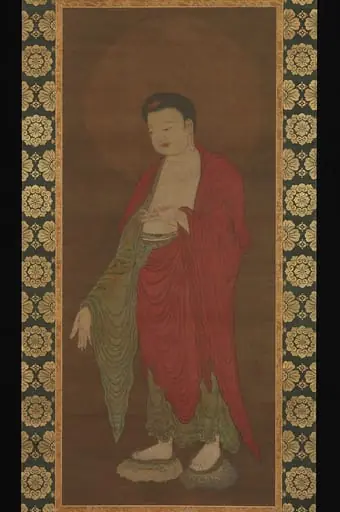 南宋 佚名 阿彌陀佛圖 軸|Buddha Amitabha Descending from his Pure Land
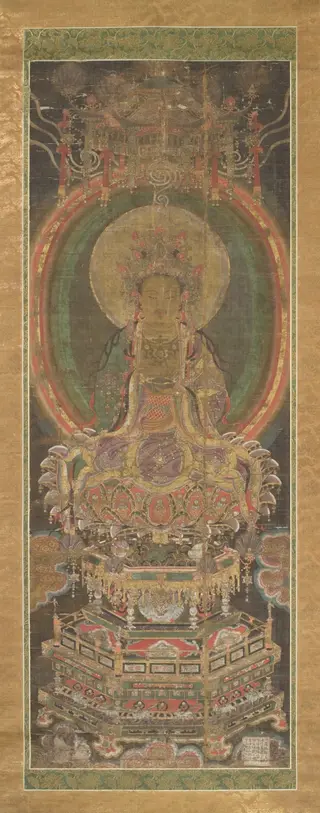 Avalokiteshvara (Guanyin), the Bodhisattva of Compassion
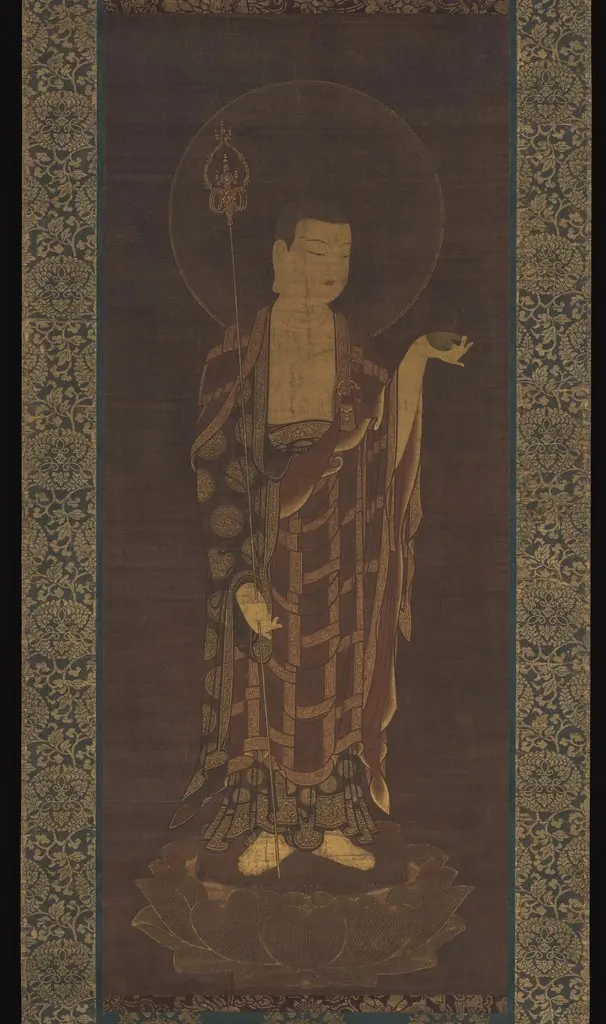 Jizō Bosatsu (Sanskrit: Ksitigharba)
 Triad of the Medicine Master Buddha Yakushi (Bhaisajya Buddha)