Artwork
Eva Fliegen
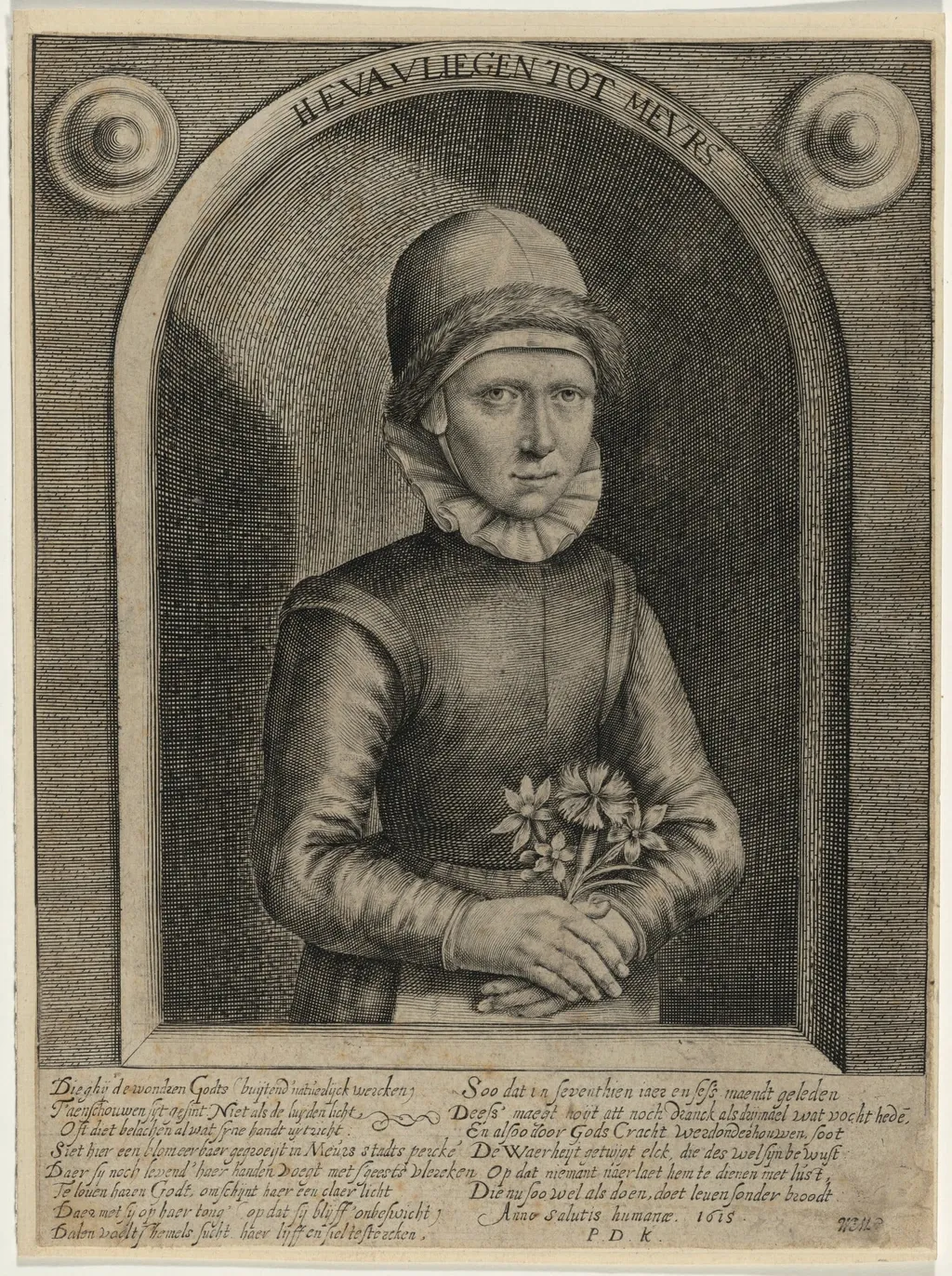
Eva Fliegen is an ink print by the Romanticist artist Unknown 19th Century. It dates from 1850 and is held in the collection of the National Gallery of Art.
About this work
Overview
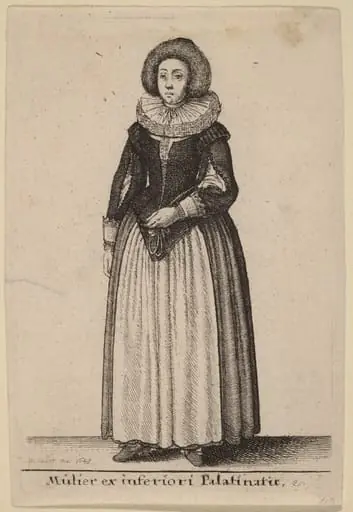
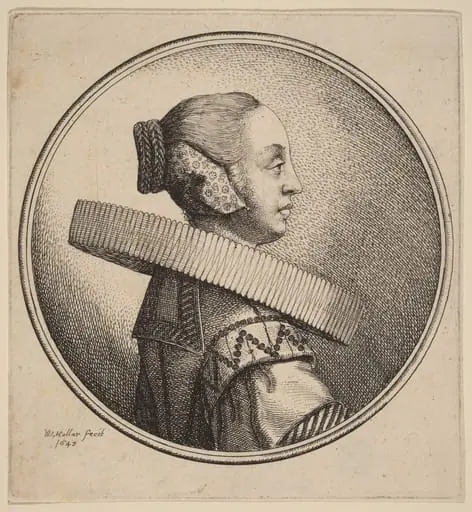
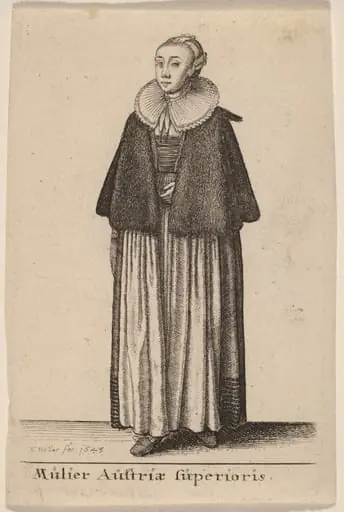
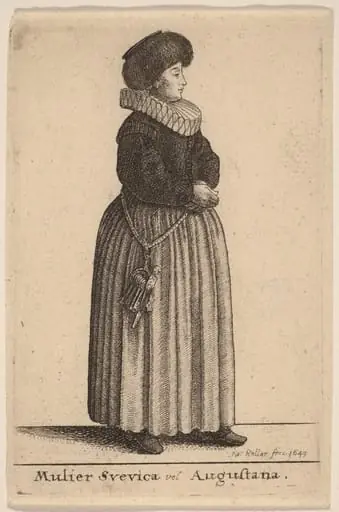
Eva Fliegen is a black‑and‑white engraving presenting a single figure in an antiquated costume. The sitter wears a high‑collared garment and a cap, holding a modest two‑leafed plant in the left hand. The composition is framed by a simple curved border that encloses the head, while Dutch verses encircle the image.
Subject & Meaning
The portrait depicts an individual, likely a woman given the title, engaged in a quiet gesture of holding a small plant, a motif often associated with fertility or domestic virtue in early modern iconography. The surrounding Dutch text, formatted as a poem or inscription, may provide contextual clues to the sitter’s identity or moral message, though the exact interpretation remains tied to the original language.
Technique & Style
Executed as an engraving, the work relies on incised lines to render fine detail and tonal variation. The artist employs cross‑hatching to model the fabric’s texture and the subtle shading of the face, while the stark contrast between black ink and white paper emphasizes the figure’s silhouette against the minimal background.
History & Provenance
The print bears the Dutch title "Eva Fliegen," indicating its origin in a Dutch‑speaking region, though the precise date and creator are not recorded in the available data. Its survival as a single impression suggests it may have been part of a limited series or a personal commission.
Context
Engravings of portraiture were common in the 16th and 17th centuries as a means of disseminating images of notable individuals or allegorical figures. The inclusion of poetic text aligns with the period’s practice of pairing visual and literary elements to convey moral or commemorative messages.
Artist & collection

Artist