Artwork
Francois Ravaillac
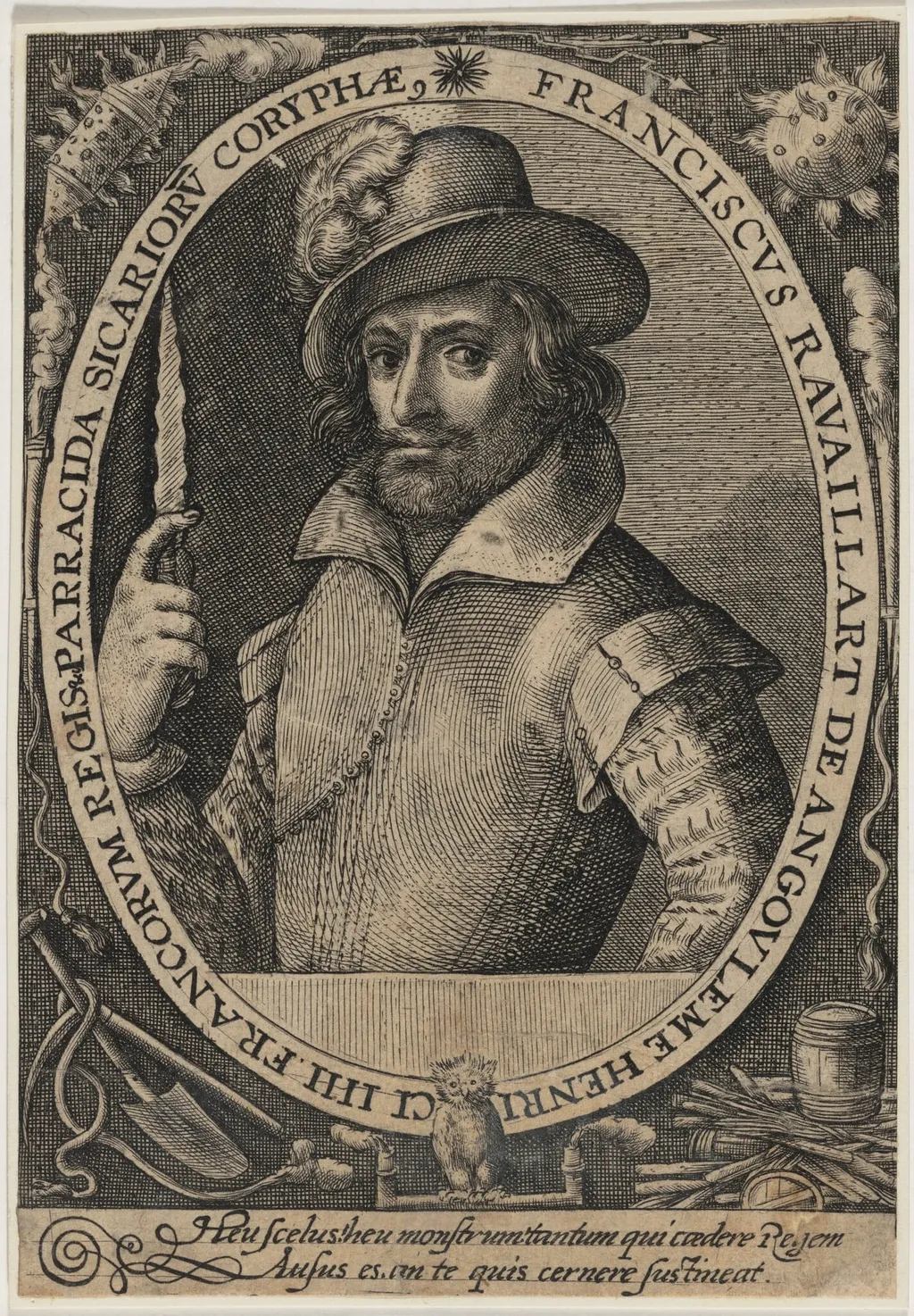
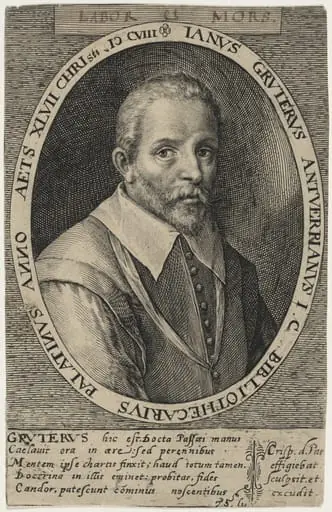
Francois Ravaillac is an ink print by the Romanticist artist Unknown 19th Century. It dates from 1850 and is held in the collection of the National Gallery of Art. This black-and-white engraving depicts François Ravaillac, the Frenchman who assassinated King Henry IV in 1610.
About this work
Overview
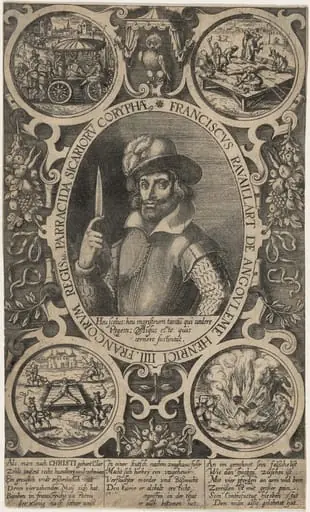
A decorative border encircles the image, adorned with symbolic motifs and Latin inscriptions, typical of early 17th-century commemorative prints.
This black-and-white engraving depicts François Ravaillac, the Frenchman who assassinated King Henry IV in 1610. Rendered in fine linear detail, the portrait presents him in profile with a contemplative expression, chin resting on hand. A decorative border encircles the image, adorned with symbolic motifs and Latin inscriptions, typical of early 17th-century commemorative prints. The work reflects the period’s use of print media to disseminate political narratives through controlled imagery.
Subject & Meaning
Ravaillac is portrayed not as a villain but as a solemn, introspective figure, inviting contemplation rather than condemnation. The inclusion of a crown, tools, and a bird in the border may allude to his act’s political consequences, divine judgment, or the tools of his trade. Latin text likely reinforces his identity and the gravity of his deed, framing the image as both record and moral commentary within a culture deeply attuned to religious and royal authority.
Technique & Style
The portrait employs precise engraving techniques, fine incised lines and controlled hatching, to model form and texture, particularly in the beard and hat. The tonal gradations suggest volume without color, relying on contrast and line density. The ornamental border, meticulously rendered, demonstrates the engraver’s skill in integrating decorative elements with portraiture, a hallmark of Northern European printmaking traditions of the era.
History & Provenance
Created shortly after Ravaillac’s execution in 1610, the print likely served as a propagandistic or documentary artifact, circulated to inform or warn the public. Its survival suggests it was collected or archived, possibly by institutions or private individuals interested in political events. No specific artist is recorded, but the style aligns with French or Flemish workshop practices of the early 1600s.
Context
In early 17th-century France, prints like this were vital for shaping public memory of major events, especially those involving regicide. With limited access to photography or mass media, engraved portraits became primary visual records. Ravaillac’s image, framed with religious and royal symbols, reflects the state’s effort to control the narrative around his crime and its aftermath.
Legacy
The engraving endures as a historical artifact of how society visually processed political violence. It exemplifies the role of print in constructing historical memory, where even condemned figures were rendered with dignity, inviting complex interpretation. Today, it remains a reference for scholars studying early modern propaganda, portraiture, and the intersection of art and power.
Artist & collection

Artist

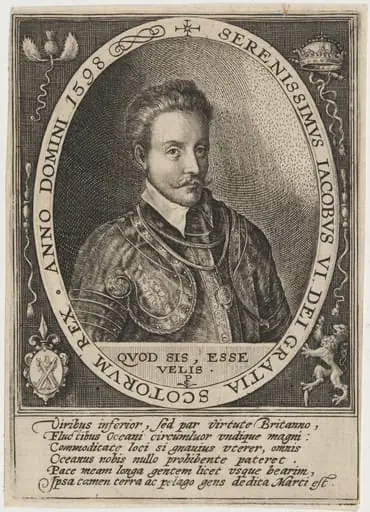 James I, as King of Scotland
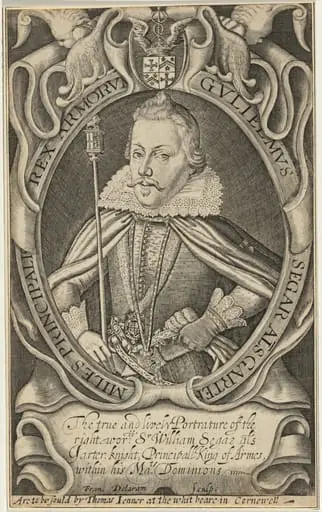 Guliemus Segar (Sir William Segar)
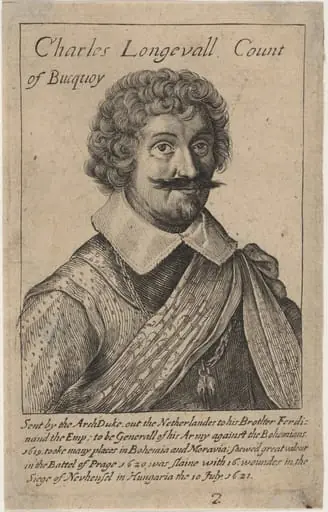 Charles, Count of Bucquoy
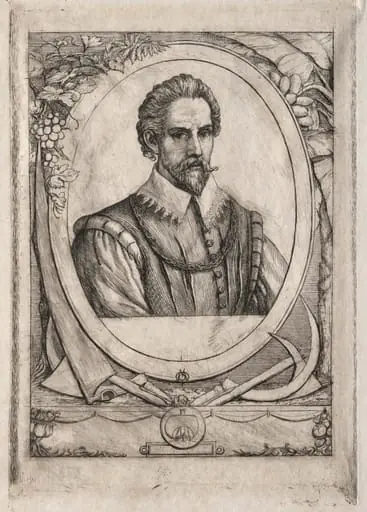 Rene de Laudonniere Sablais (de Burdingale)
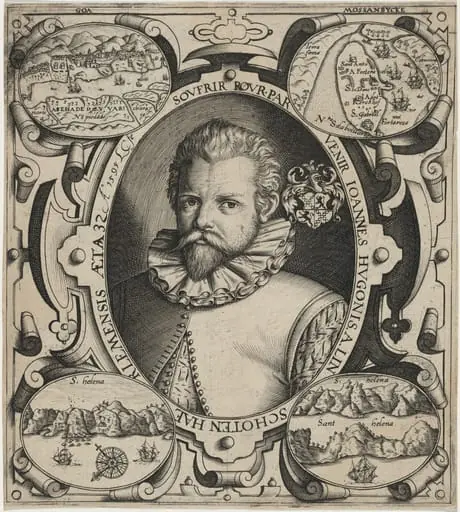 Joannes Hugo van Linschoten
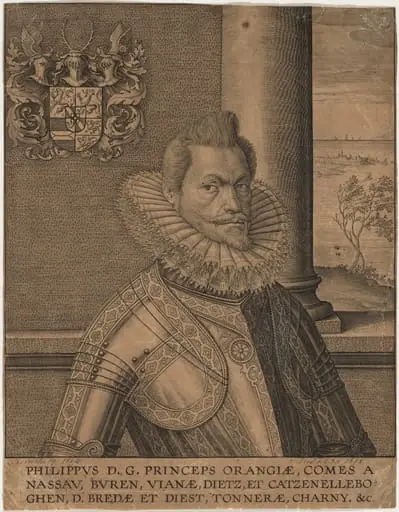 Philip William, Prince of Orange
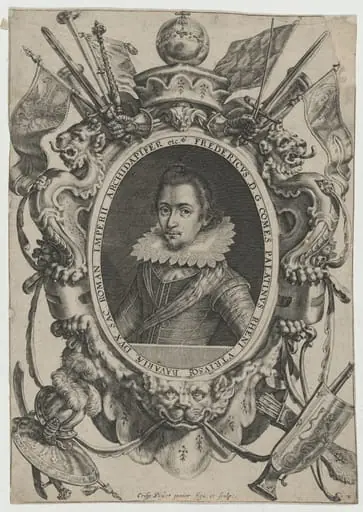 Frederick V, Elector Palatine, King of Bohemia
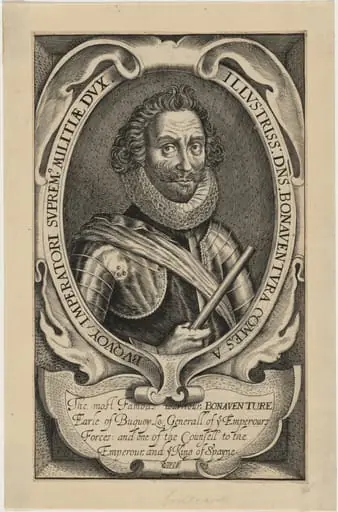 Bonaventura, Comte de Buquoy
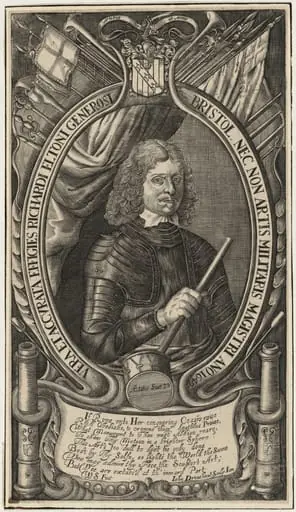 Richard Elton
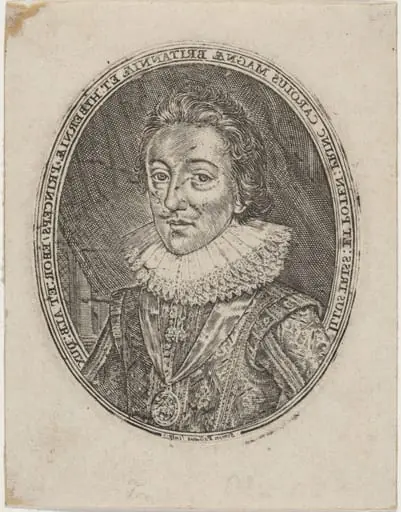 Charles I, King of England
 Jan Gruter
- Francois Ravaillac