Artwork
Gaspar Scioppi
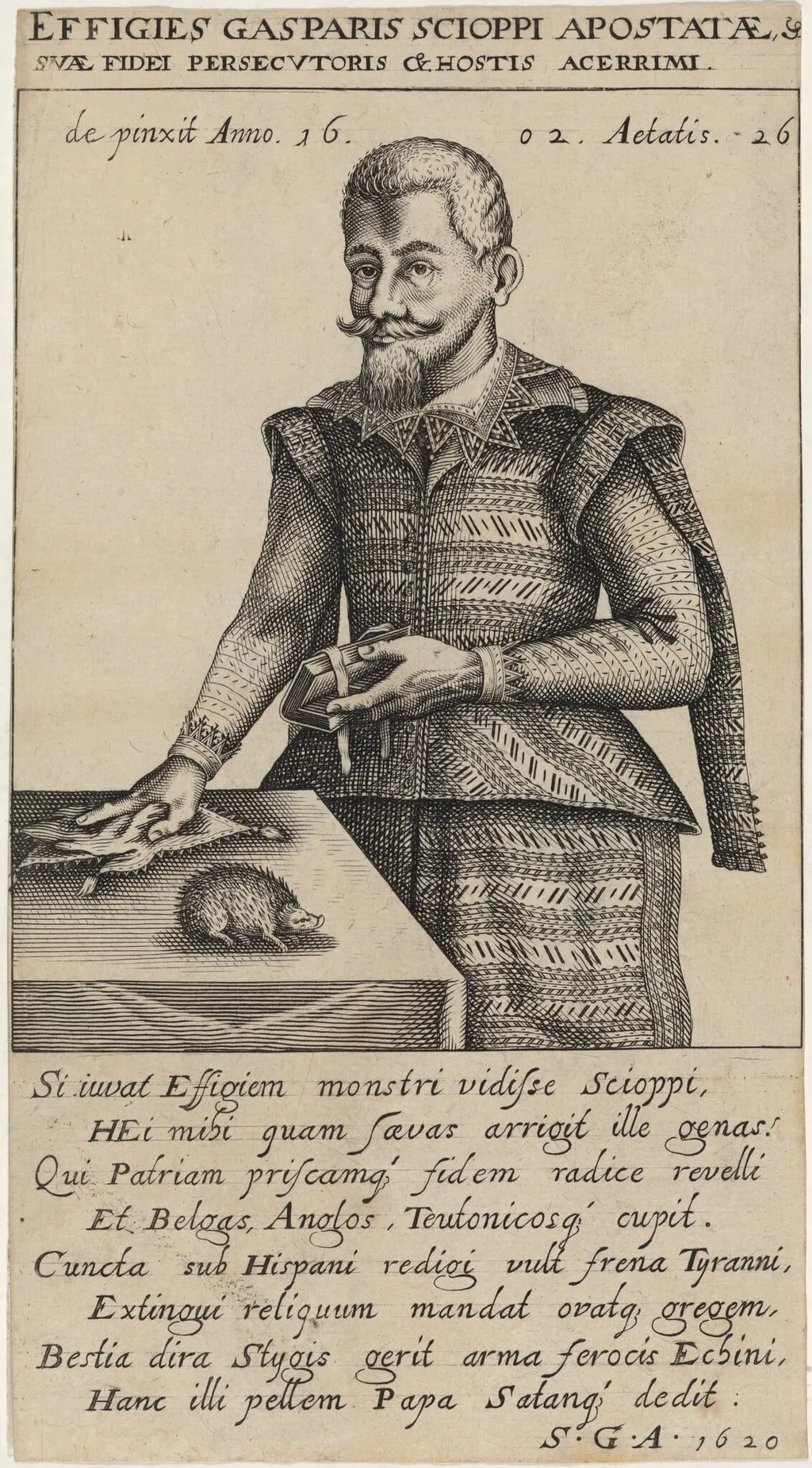
Gaspar Scioppi is an ink print by the Baroque artist Unknown 19th Century. It dates from 1620 and is held in the collection of the National Gallery of Art.
About this work
He’s sitting at a table, holding a small object in one hand while the other rests on a tiny hedgehog curled up nearby.
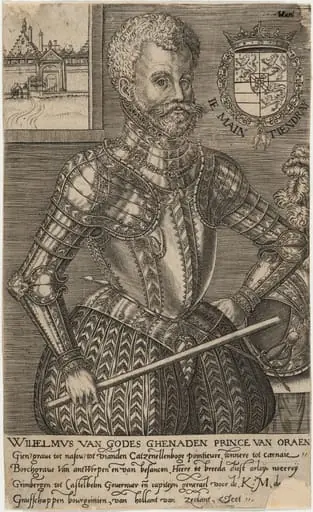
This is a black-and-white engraving of a bearded man in fancy armor. He’s sitting at a table, holding a small object in one hand while the other rests on a tiny hedgehog curled up nearby. His outfit has lots of detailed patterns, and his mustache and beard are thick and neat.
The text around him is in Latin, calling him out for betraying his faith. The date at the bottom says 1620, so this isn’t new, it’s old.
If you like this style, check out Baroque.
Overview
This 1620 engraving by Gaspar Scioppi depicts a bearded man in ornate armor seated at a table, holding a small object while a hedgehog rests nearby. Rendered in fine black-and-white lines, the image combines portraiture with symbolic narrative. Latin inscriptions surround the figure, accusing him of apostasy.
The detailed armor and facial hair reflect the precision typical of early 17th-century printmaking, situating the work within the Baroque tradition of moralizing imagery.
Subject & Meaning
The figure, likely a historical or allegorical traitor, is identified through Latin text as having abandoned his faith. The hedgehog, a symbol of vigilance or hidden danger, contrasts with his passive posture, suggesting moral decay beneath outward dignity. The small object in his hand may represent a relic or token of his former devotion, now compromised. The composition frames him as both dignified and condemned, inviting reflection on loyalty and betrayal.
Technique & Style
Executed in fine-line engraving, the work demonstrates meticulous control over inked grooves to render texture and depth. The armor’s intricate patterns, the beard’s individual strands, and the hedgehog’s spines are rendered with precision. The contrast between the dark, dense areas and the crisp white of the paper enhances the dramatic tone. Latin typography is carefully integrated, reinforcing the didactic intent of the image.
History & Provenance
Created in 1620, the engraving emerged during a period of religious upheaval in Europe, when printed imagery was used to reinforce doctrinal loyalty. Scioppi, a lesser-known engraver, worked within a network of Catholic propagandists. The print’s survival suggests it circulated among religious or scholarly circles, possibly as a warning against heresy. No known original owner is documented, but its survival in institutional collections implies early archival interest.
Context
Produced in the early Baroque era, the engraving aligns with Counter-Reformation efforts to visually condemn moral and religious transgression. Similar imagery appeared in pamphlets and broadsheets targeting Protestant sympathizers or apostates. The hedgehog, though unusual, may derive from emblem books popular in Central Europe, where animals symbolized human vices or virtues.
The Latin text reflects the era’s scholarly lingua franca and the Church’s reliance on classical language for authority.
Legacy
Though not widely reproduced, the engraving exemplifies the use of print as a tool for moral instruction in post-Reformation Europe. Its combination of portraiture, symbolism, and text influenced later satirical and religious prints. Scioppi’s work remains a niche reference for scholars studying Catholic visual propaganda, offering insight into how everyday objects and animals were enlisted to convey complex theological messages.
Artist & collection

Artist

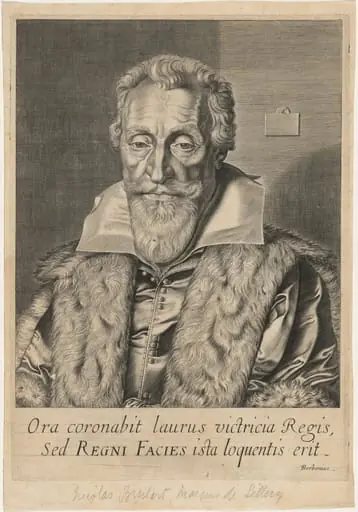
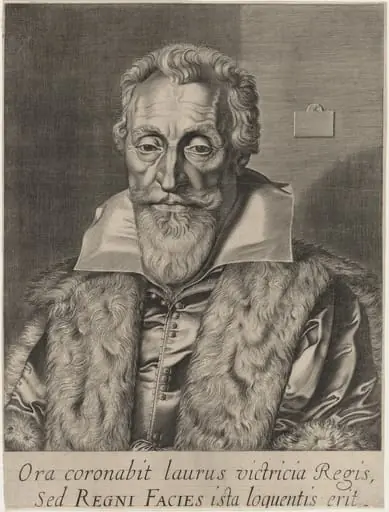
- John William, Duke of Saxe-Coburg
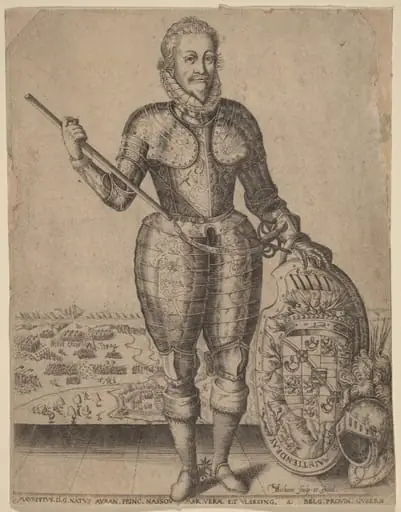 Maurice of Nassau, Prince of Orange
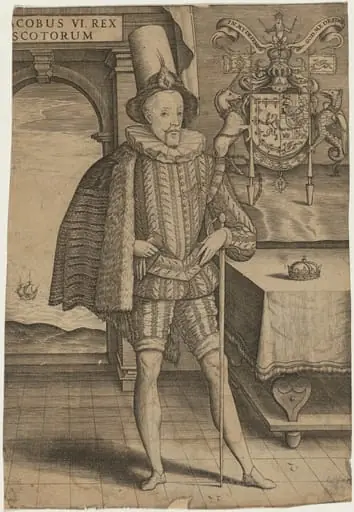 James I of England and James VI of Scotland
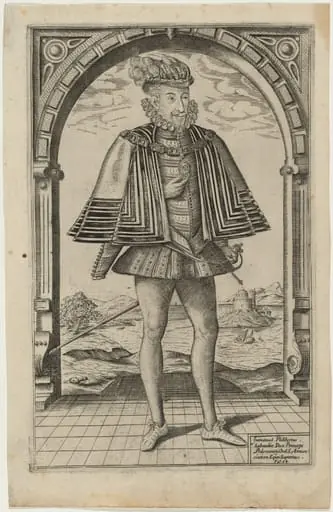 Emmanuel Philibert of Savoy
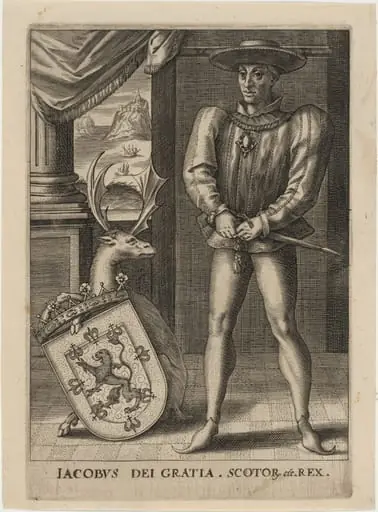 James, King of Scots
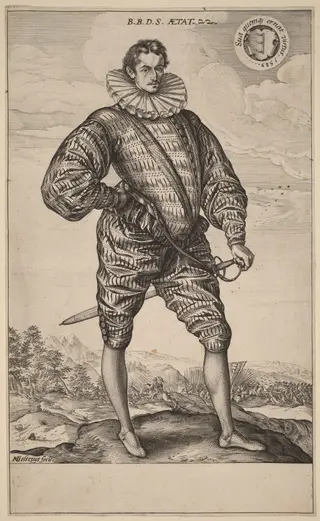 Balthasar Bathory de Somlyo
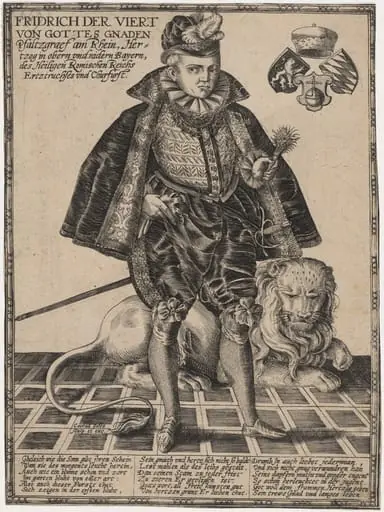 Frederick IV
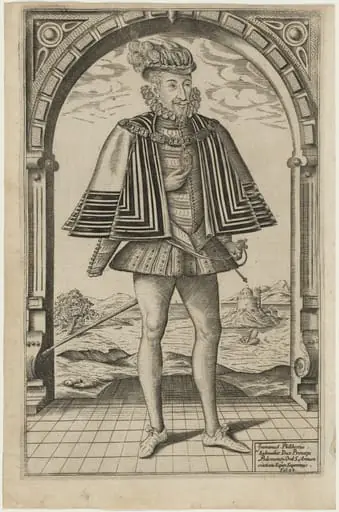 Emmanuel Philibert, Duke of Savoy
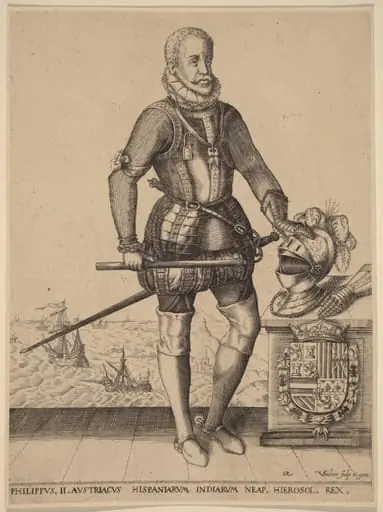 Philip II, King of Spain
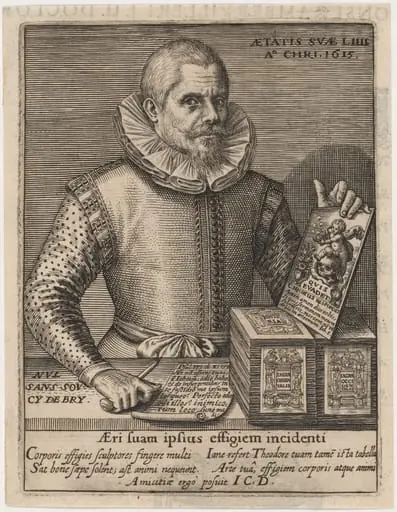 Johannes Theodorus de Bry
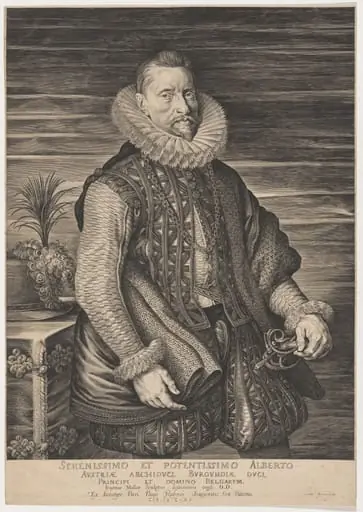 Albert, Archduke of Austria
 William I, Prince of Orange