Artwork
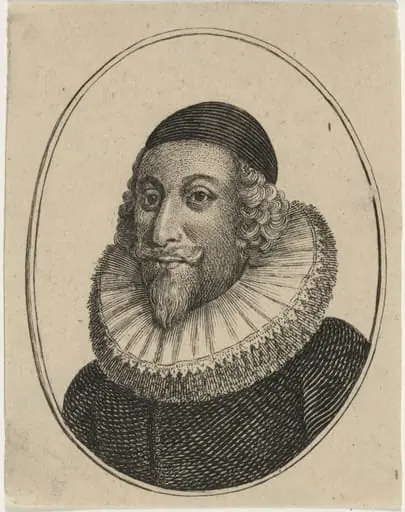
Joseph Symonds, Vice-Provost of Eton
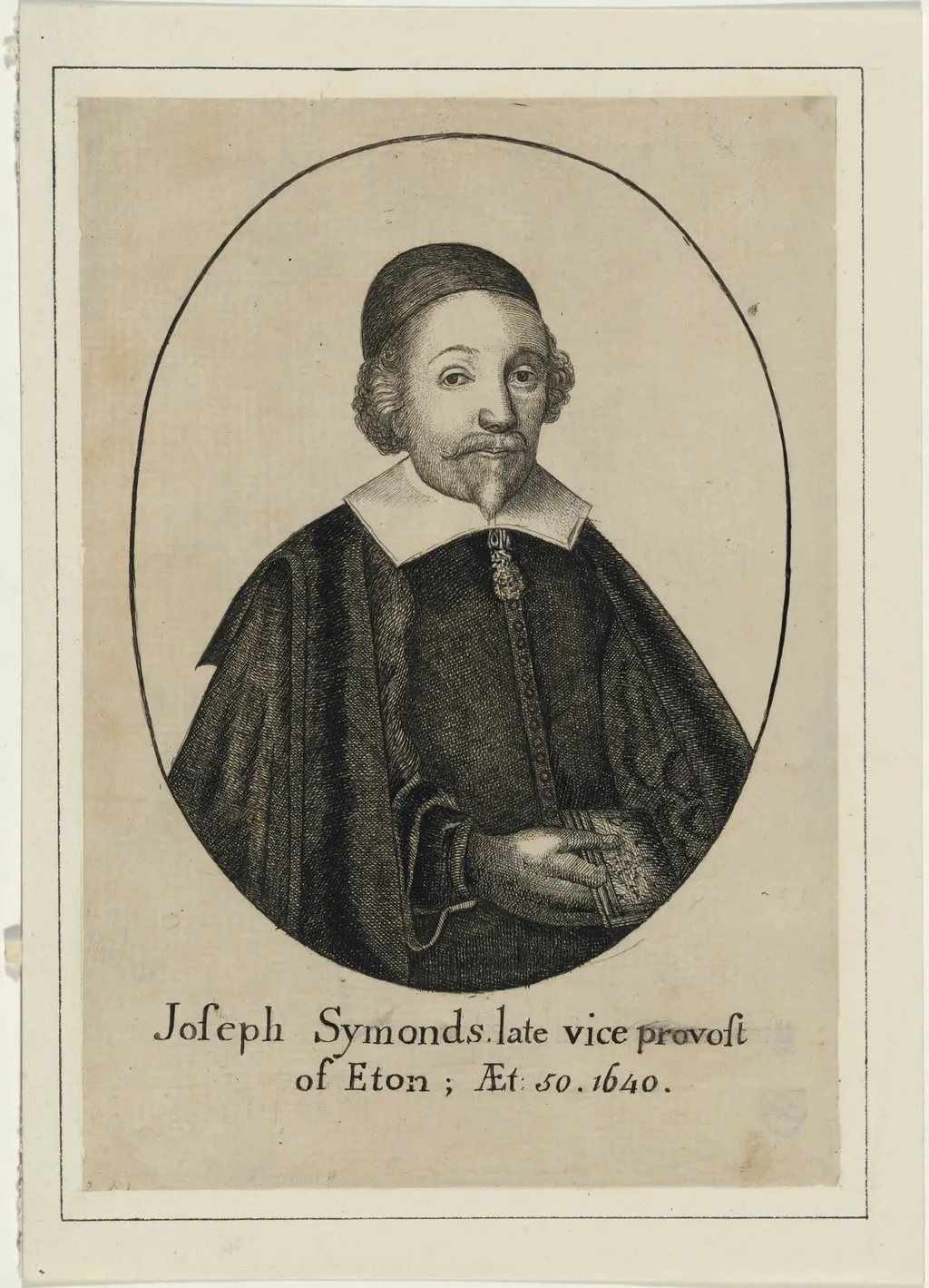
Joseph Symonds, Vice-Provost of Eton is an ink print by the Romanticist artist Unknown 19th Century. It dates from 1850 and is held in the collection of the National Gallery of Art.
About this work
The level of detail in the portrait, particularly in the subject's clothing and hair, is impressive.
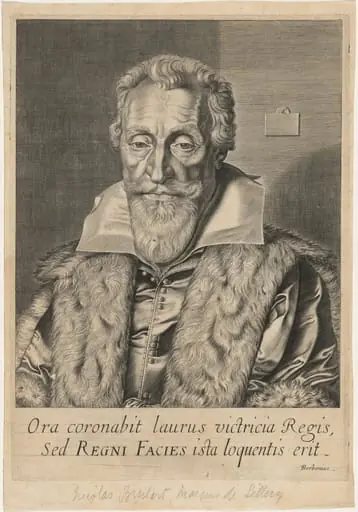
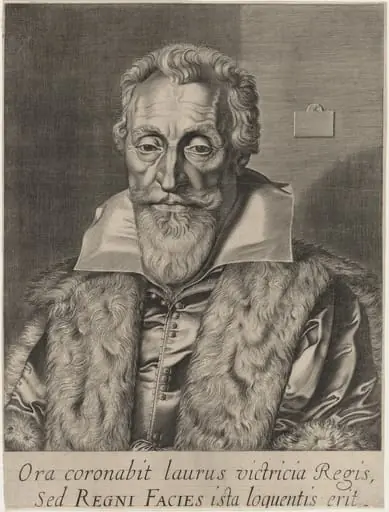
This portrait features a man with curly hair, wearing a dark robe with a white collar and a hat. He is holding a book in his left hand, and his right hand is not visible. The background of the portrait is a light color.
The man's attire and hairstyle suggest that he is from the 17th or 18th century. The portrait is an engraving, which was a common medium for portraits during this time period.
The level of detail in the portrait, particularly in the subject's clothing and hair, is impressive. The use of cross-hatching to create texture and shading adds depth to the image. You might want to explore more works from the Romanticism movement.
Overview
This engraving depicts Joseph Symonds, Vice-Provost of Eton College, rendered in fine linear detail characteristic of 17th- or 18th-century printmaking. The portrait captures him in formal academic attire, with a dark robe, white collar, and hat, holding a book in his left hand. The light background isolates the figure, emphasizing his dignified presence. The work exemplifies the precision possible in engraved portraiture, relying on controlled ink lines rather than color.
Subject & Meaning
Symonds is portrayed as a scholar and administrator, his posture and the book he holds signaling intellectual authority and ecclesiastical responsibility. The absence of his right hand may reflect compositional restraint or the limitations of the engraving technique. His curled hair and formal garb align with the dress of educated clergy in early modern England, reinforcing his institutional role rather than personal identity.
Technique & Style
The artist employed cross-hatching to model volume and texture, particularly in the folds of the robe and the curls of the hair. Fine, deliberate lines define facial features and fabric, demonstrating mastery of the burin tool. The monochrome palette and linear precision are typical of engraved portraits, which prioritized clarity and reproducibility over expressive brushwork, serving as a medium for disseminating likenesses among academic circles.
History & Provenance
Joseph Symonds served as Vice-Provost of Eton College during the late 17th century, a position tied to the college’s governance and spiritual oversight. The engraving likely originated as a commissioned portrait, possibly for institutional use or private circulation among alumni and clergy. Its survival suggests it was valued within Eton’s archival or ceremonial collections, though its original publisher and date remain undocumented.
Context
Engraved portraits like this were standard in academic and ecclesiastical settings, where printed images served as visual records before photography. Similar works appeared in college archives, theological publications, and family albums. Symonds’ portrait reflects a broader trend of institutional portraiture in England, where authority was visually codified through dress, gesture, and the presence of scholarly objects.
Legacy
Though not widely known outside Eton’s history, the engraving contributes to the visual record of early modern educational leadership. It exemplifies how print media preserved the likenesses of lesser-known figures who shaped institutional life. Its technical quality ensures its continued relevance as an artifact of craftsmanship and academic culture in post-Reformation England.
Artist & collection

Artist

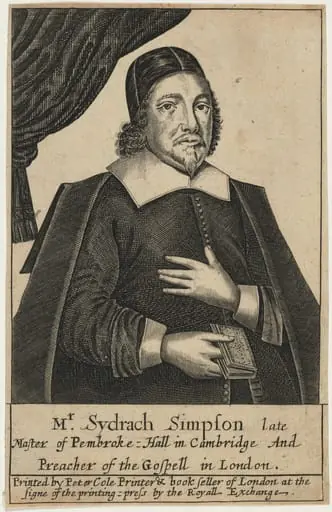
- Sydrach Simpson
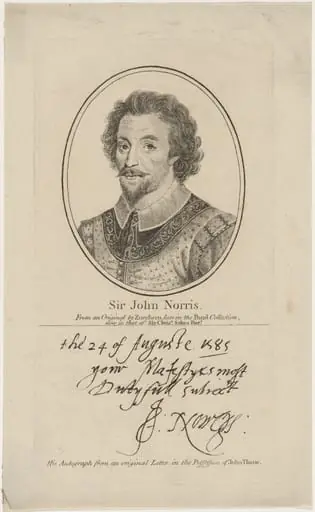 Sir John Norris
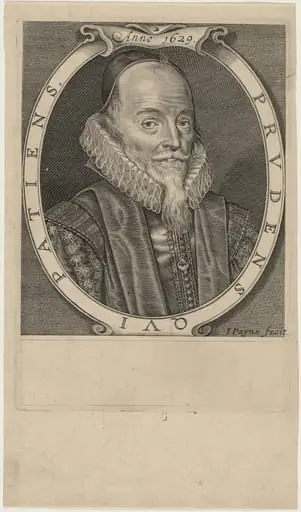 Sir Edward Coke
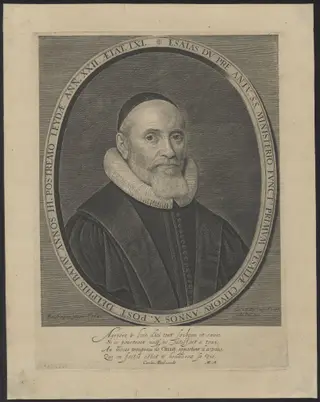 Portrait of Esaias du Pré
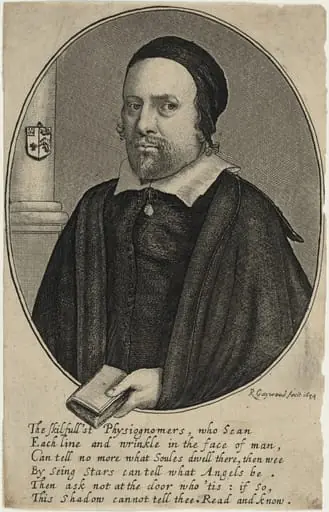 Samuel Clarke, Minister
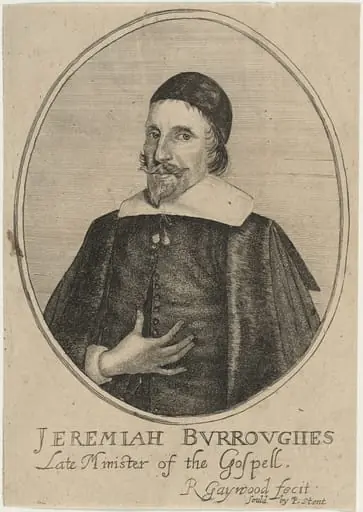 Jeremiah Burroughes, Puritan Divine
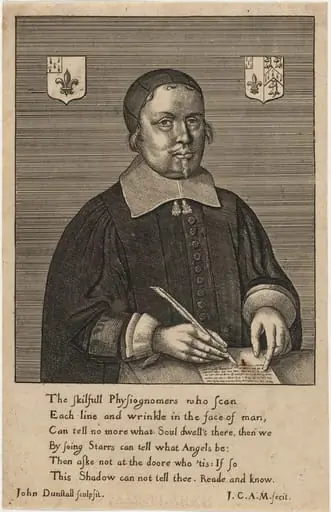 Samuel Clarke, Minister of Saint Benet Fink, Biographer
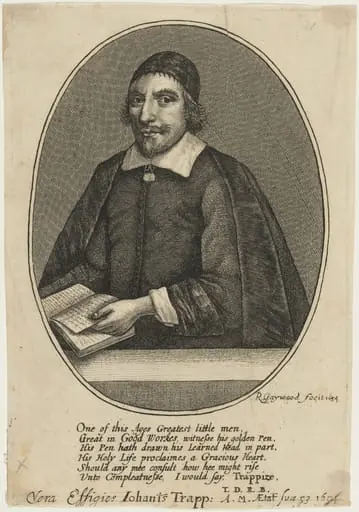 John Trapp, Vicar of Weston-on-Avon, BiblicalCommentator
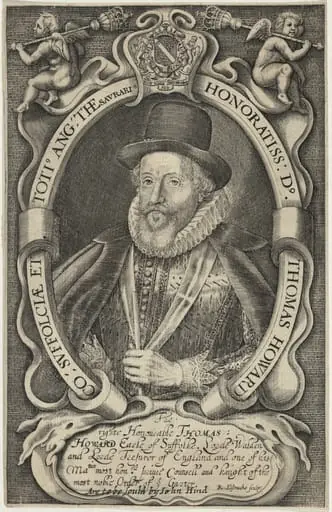 Thomas Howard, First Earl of Suffolk
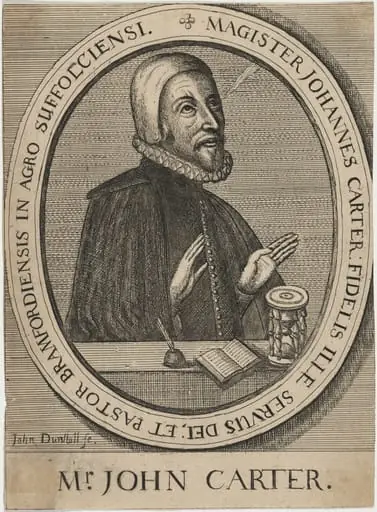 John Carter, Puritan Rector of Belstead, Suffolk
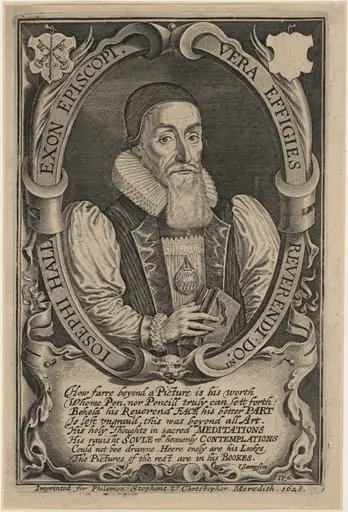 Joseph Hall, Bishop of Exeter and Norwich
 Henry Hastings, Fifth Earl of Huntingdon