Artwork
Louise de Lorraine, Queen of France
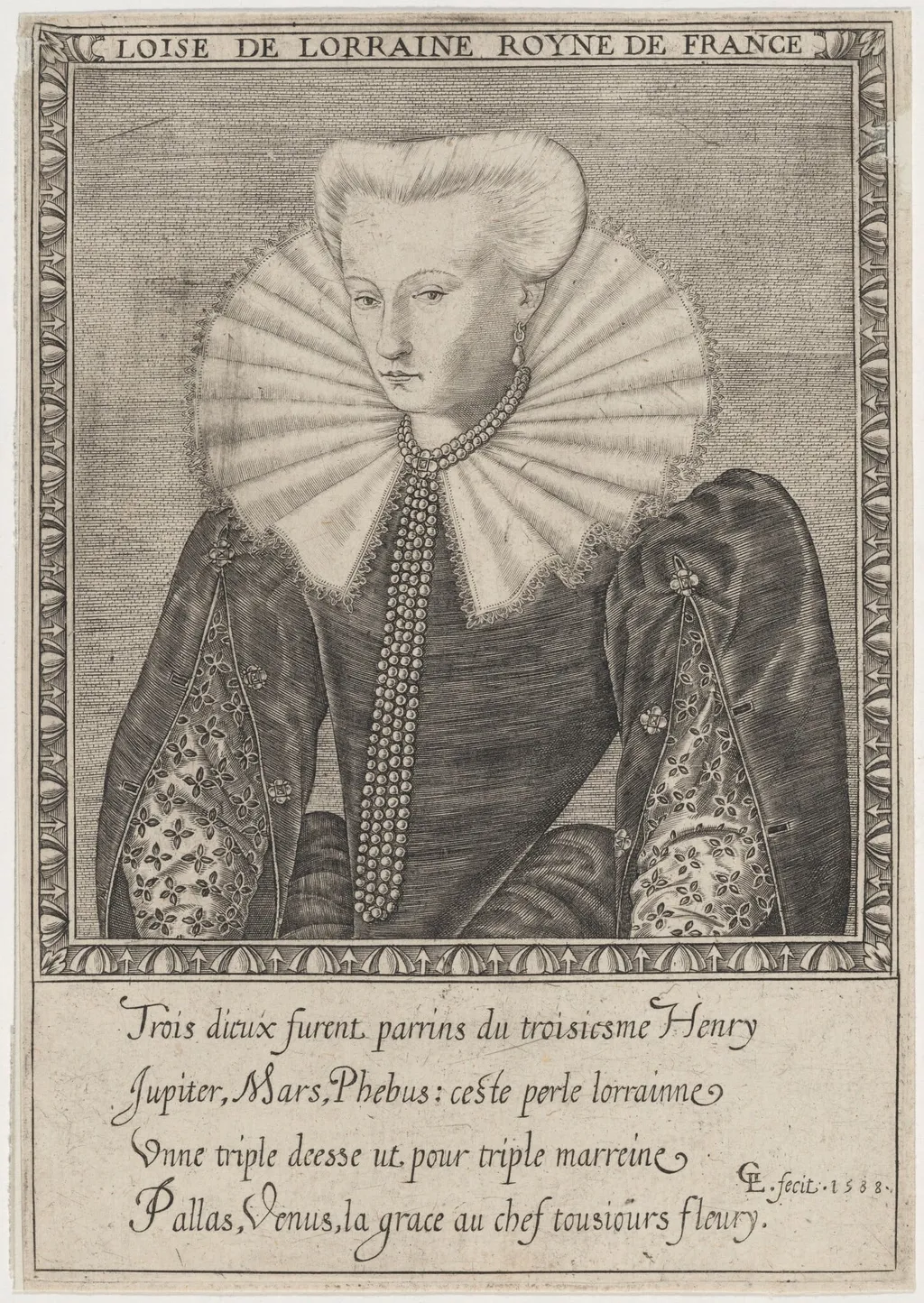
Louise de Lorraine, Queen of France is an ink print by the Renaissance artist Unknown 19th Century. It dates from 1588 and is held in the collection of the National Gallery of Art.
About this work
Overview
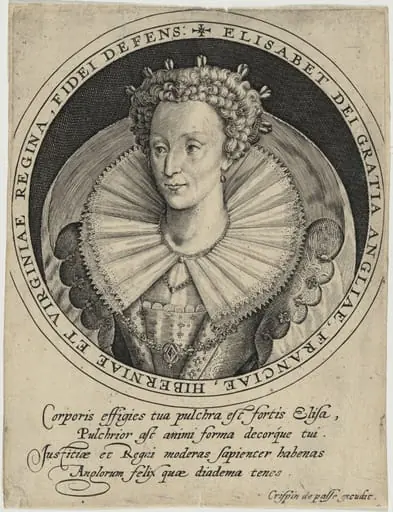
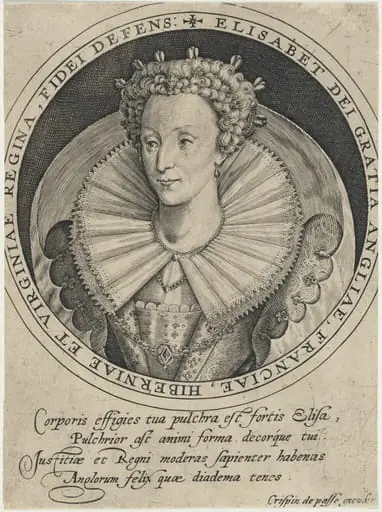
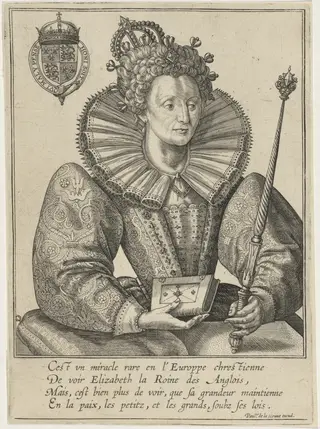
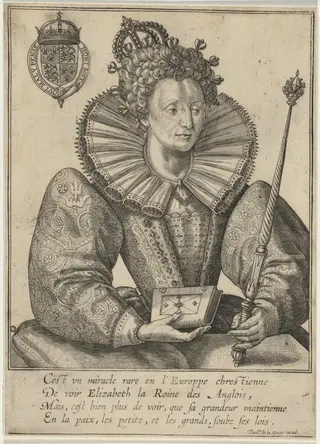
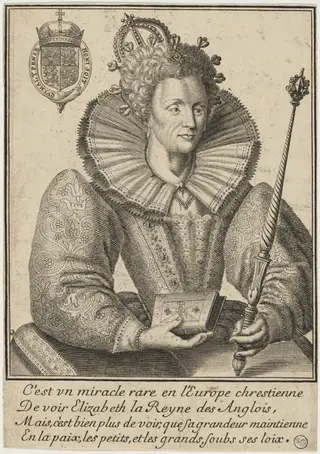
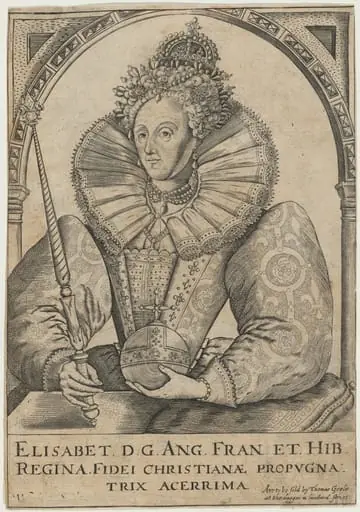
The image presents the queen in a dark gown with a prominent white ruffled collar, puffed sleeves adorned with floral motifs, and an elevated hairstyle.
Louise de Lorraine, Queen of France, is an engraved portrait printed on paper. The image presents the queen in a dark gown with a prominent white ruffled collar, puffed sleeves adorned with floral motifs, and an elevated hairstyle. She wears a long necklace and earrings, her expression calm and her gaze directed outward. The work is part of the National Gallery of Art’s collection in Washington, D.C.
Subject & Meaning
The portrait depicts Louise de Lorraine, who served as queen consort of France in the late 16th century. By emphasizing her regal attire and composed demeanor, the engraving conveys her status and the courtly ideals of femininity and authority prevalent at the time. The serene expression and distant gaze suggest a dignified, perhaps contemplative, representation of royal poise.
Technique & Style
Executed as an engraving, the image relies on fine cross‑hatching to model light and shadow across fabric, jewelry, and facial features. The intricate line work creates texture in the ruffled collar and the floral detailing of the sleeves. The overall style reflects the precise, linear quality typical of late‑Renaissance portrait prints, balancing decorative richness with a restrained tonal range.
History & Provenance
The print is held by the National Gallery of Art in Washington, where it forms part of the museum’s holdings of early modern European prints. Its acquisition details are recorded in the gallery’s catalogue, indicating the work’s preservation as a representative example of portrait engraving from the period of Louise de Lorraine’s queenship.
Artist & collection

Artist