Artwork
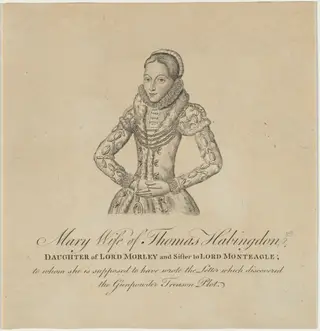
Mary, Wife of Thomas Habingdon
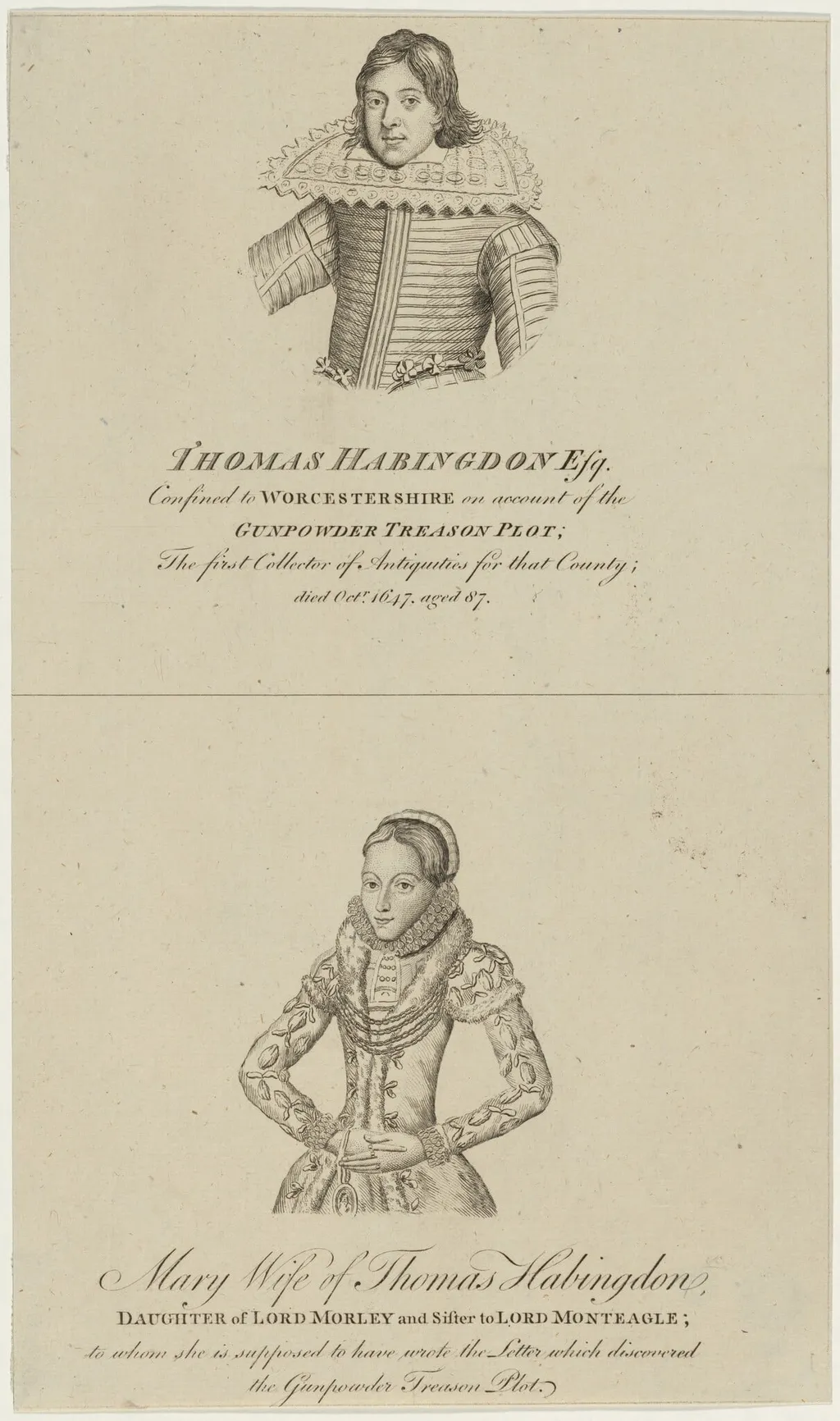
Mary, Wife of Thomas Habingdon is an ink print by the Romanticist artist Unknown 19th Century. It dates from 1850 and is held in the collection of the National Gallery of Art. This black-and-white engraving presents paired portraits of Thomas Habingdon and his wife Mary, arranged vertically.
About this work
Next, look up engraving to see how artists create detailed portraits like these using only lines.
This image shows two black-and-white portraits side by side. The top picture is a man in a striped doublet with a ruff collar, looking straight ahead. Below him is a woman in a similar style, wearing a ruff and a patterned dress with lace cuffs. Both portraits have a simple, slightly rough outline.
The text under the man says he was involved in the Gunpowder Treason Plot and died in 1647. The woman’s description mentions she was linked to uncovering the same plot.
Next, look up engraving to see how artists create detailed portraits like these using only lines.
Overview
This black-and-white engraving presents paired portraits of Thomas Habingdon and his wife Mary, arranged vertically. Both figures are rendered in a restrained, linear style typical of 17th-century printmaking. The composition emphasizes their social standing through formal attire, ruffs, lace cuffs, and patterned garments, while the accompanying inscriptions link them to the Gunpowder Plot of 1605, situating the image within a historical narrative of political intrigue.
Subject & Meaning
Thomas Habingdon is identified as having participated in the Gunpowder Plot, a failed conspiracy to assassinate King James I. Mary Habingdon is noted for her role in exposing the plot, suggesting her involvement as an informant or witness. The pairing of their portraits may reflect contemporary interest in familial connections to political events, presenting them not merely as individuals but as figures entangled in a defining moment of English history.
Technique & Style
The portraits are executed in a simple, linear engraving technique, using fine incised lines to define facial features and clothing textures. The outlines are deliberately unpolished, avoiding elaborate shading or detail, which reflects the modest means of print production at the time. This restrained aesthetic prioritizes clarity and legibility over ornamentation, aligning with the didactic purpose of the image.
History & Provenance
The engraving likely originated in the mid-17th century, shortly after Thomas Habingdon’s death in 1647. Its focus on the Gunpowder Plot suggests it was produced during a period of renewed public interest in the conspiracy’s aftermath. Though its original publisher or owner is unknown, its survival indicates it was circulated as a historical record, possibly in pamphlets or collections of notable figures.
Context
In post-Plot England, public memory of the conspiracy was actively shaped through printed images and texts. Portraits of participants and informants served both as moral lessons and political reminders. Mary Habingdon’s inclusion, particularly as a woman credited with aiding the state, reflects the era’s complex gendered narratives, where female agency could be acknowledged in service to state security.
Legacy
This engraving endures as a rare visual document linking ordinary individuals to a major national event. It offers insight into how early modern print culture memorialized personal roles in political history. Though not widely known today, it contributes to the broader archive of how England visually negotiated its turbulent past through accessible, line-based imagery.
Artist & collection

Artist

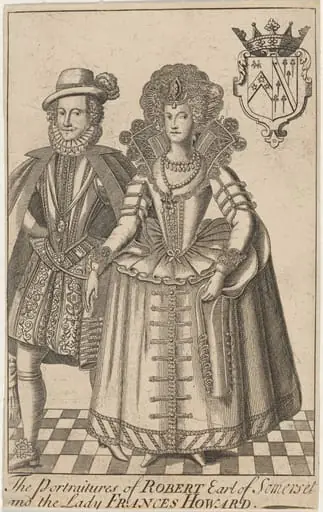 The Portraitures of Robert, Earl of Somerset and Lady Frances Howard
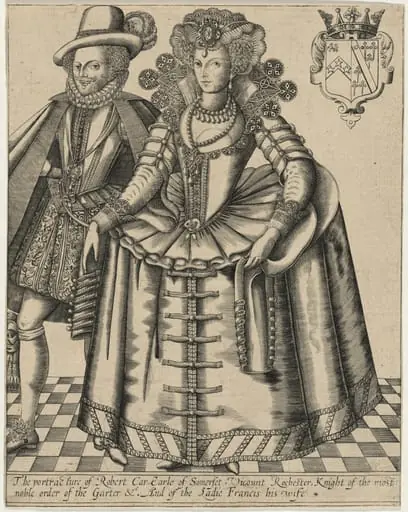 Robert Carr, Earl of Somerset and His Countess
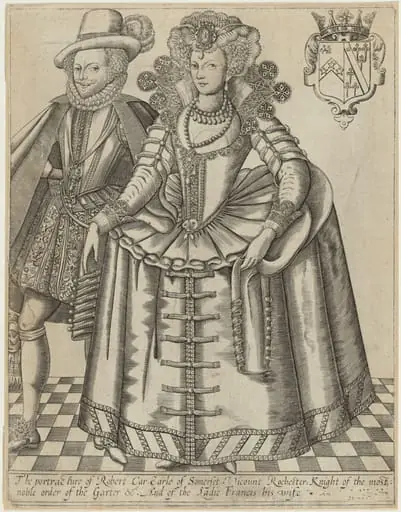 Robert Carr, Earl of Somerset and His Countess
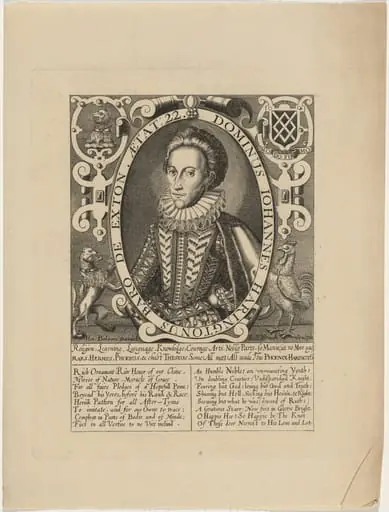 John Harington, Second Baron of Exton
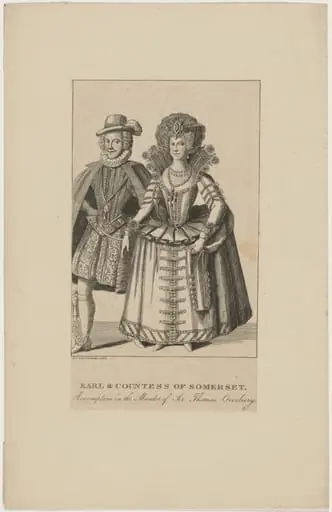 Earl and Countess of Somerset, Accomplices inthe Murder of Sir Thomas Overbury
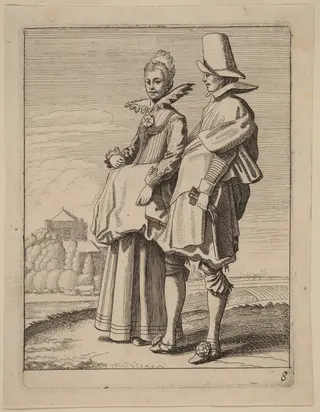 Two Figures in Costume
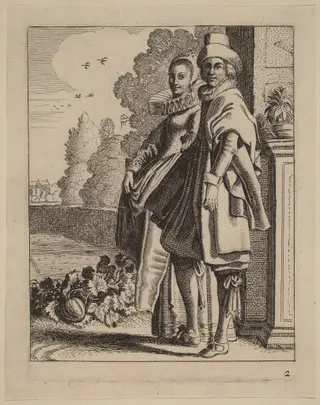 Two Figures in Costume
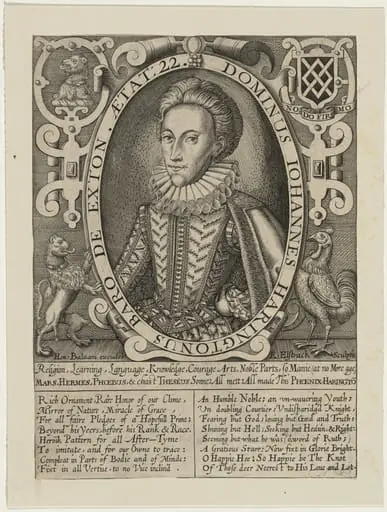 John, Lord Harrington of Exton
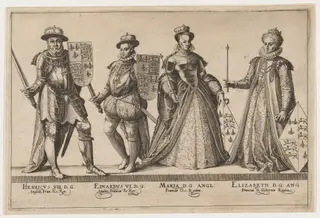 Henry VIII, Edward VI, Mary I and Elizabeth
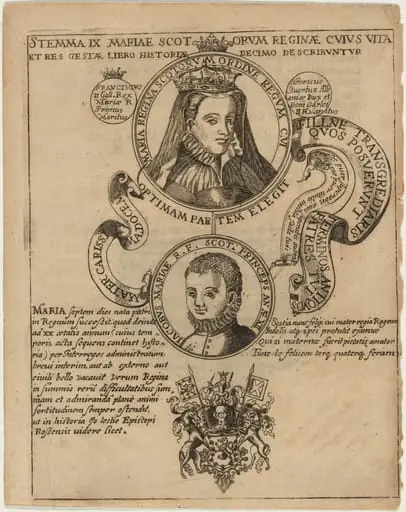 Mary Queen of Scots with James VI of Scotlandand I of England