Artwork
Mary, Wife of Thomas Habingdon
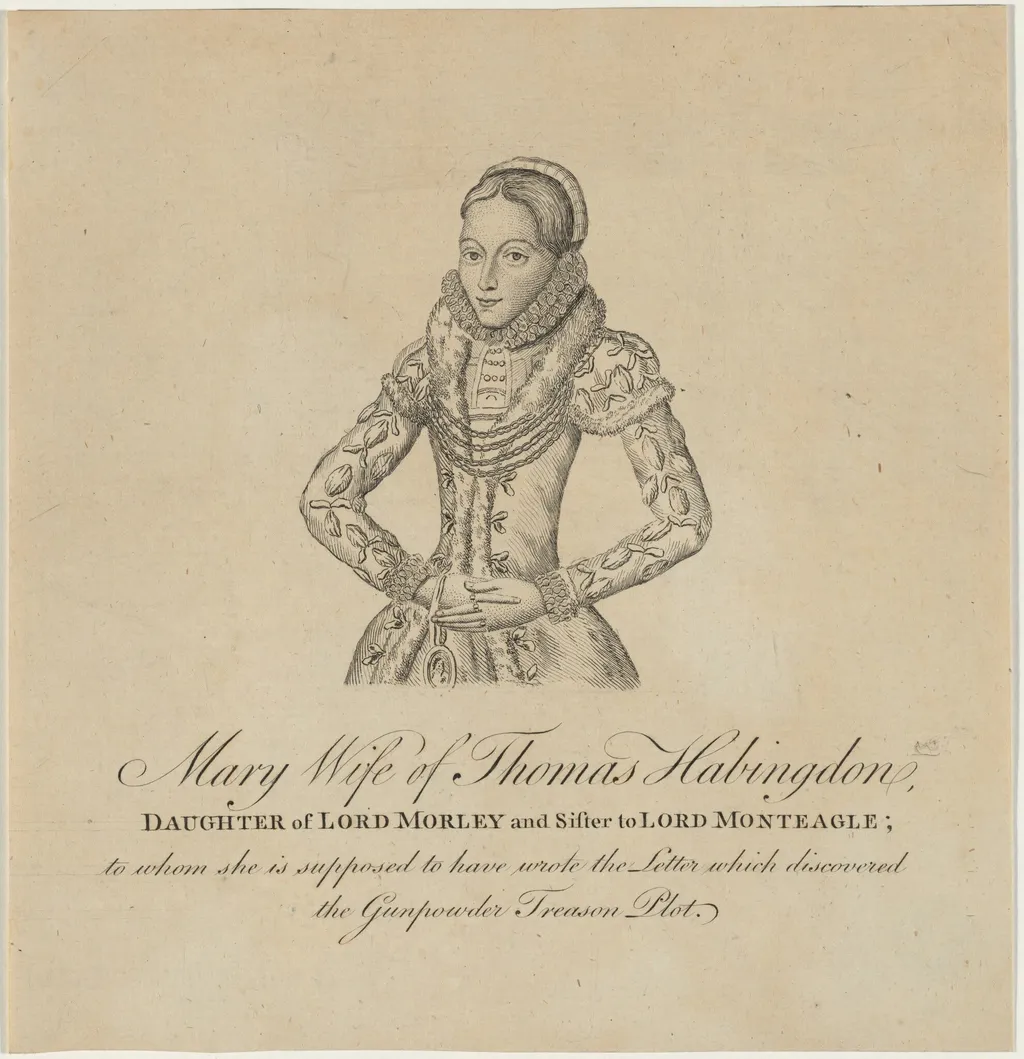
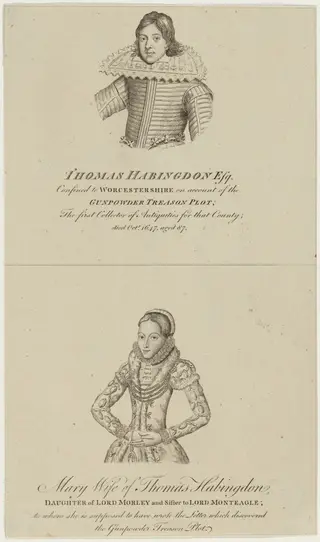
Mary, Wife of Thomas Habingdon is an ink print by the Romanticist artist Unknown 19th Century. It dates from 1850 and is held in the collection of the National Gallery of Art.
About this work
Overview
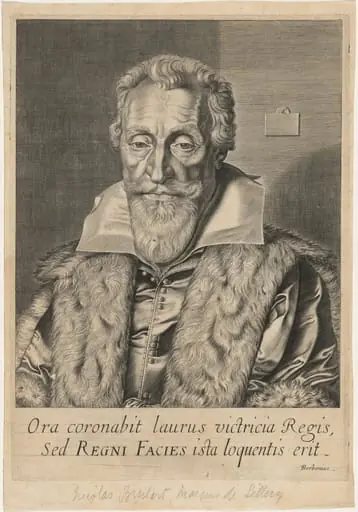
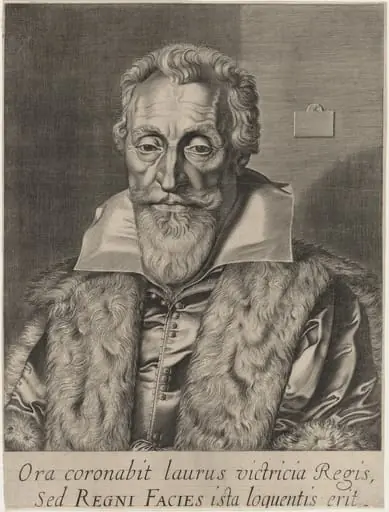
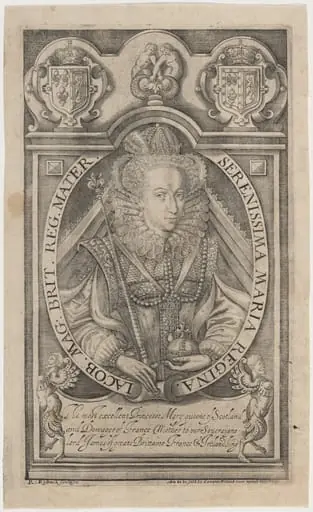
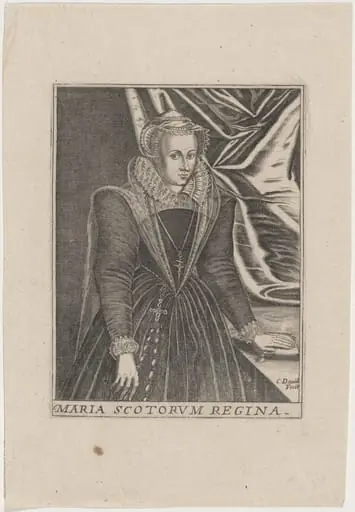
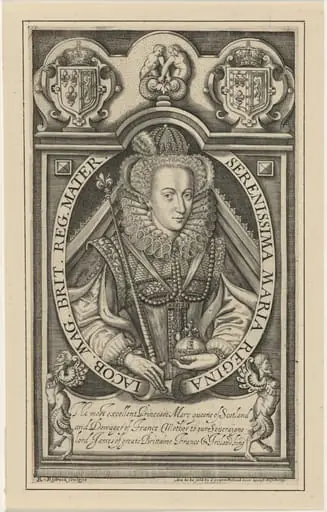
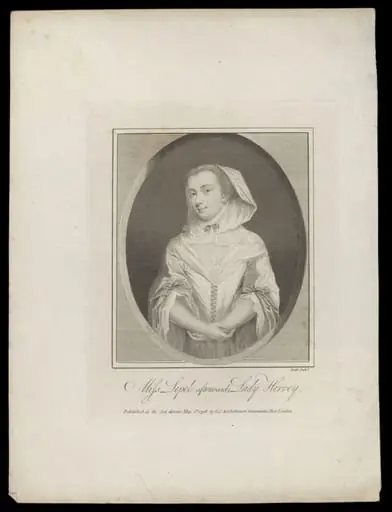
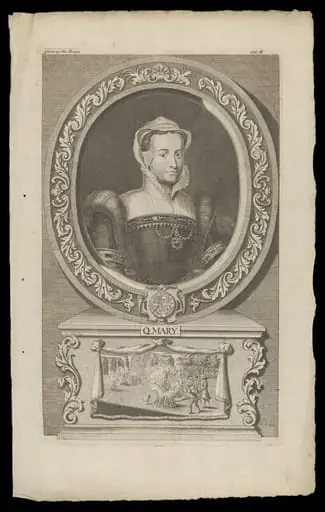
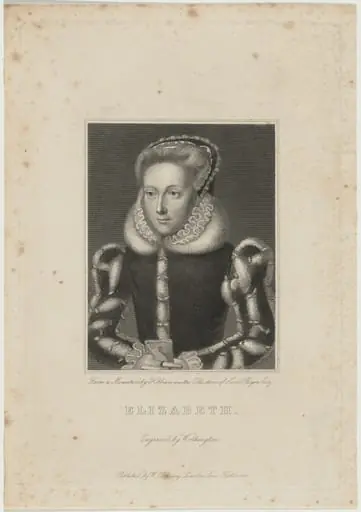
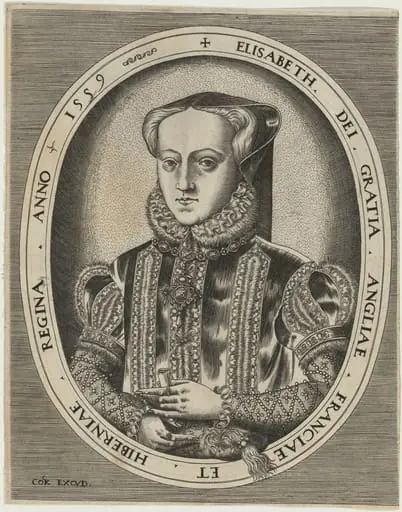
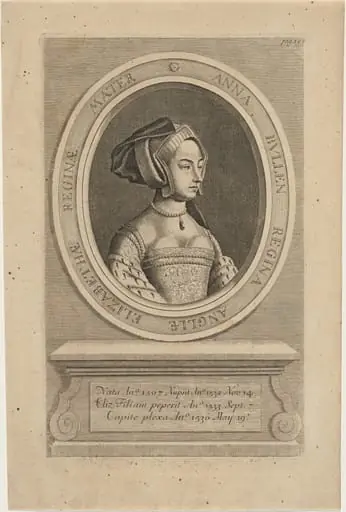
This black-and-white engraving depicts Mary, wife of Thomas Habingdon, rendered in fine linear detail typical of 17th-century printmaking. The portrait is formal and restrained, emphasizing her social standing through attire rather than expression. The inscription explicitly ties her identity to her husband, reflecting contemporary conventions of marital representation in portraiture.
Subject & Meaning
The fan and belt detail suggest gentility, reinforcing her role as a respectable noblewoman within a turbulent historical moment.
Mary is portrayed not as an individual with personal narrative, but as a figure defined by her marriage to Thomas Habingdon, a man associated with the Gunpowder Plot. Her stillness and modest adornment convey propriety and loyalty, possibly serving to distance her from his notoriety. The fan and belt detail suggest gentility, reinforcing her role as a respectable noblewoman within a turbulent historical moment.
Technique & Style
Executed in the engraving technique, the image uses incised lines on a metal plate to create tonal gradations and texture. Fine hatching defines the fur collar and fabric folds, while crisp contours outline her figure. The absence of color and the precision of line reflect the medium’s reliance on craftsmanship over spontaneity, aligning with the era’s preference for controlled, dignified portraiture.
History & Provenance
The print likely dates to the early 1600s, produced shortly after Thomas Habingdon’s involvement in the Gunpowder Plot of 1605. As a wife linked to a condemned conspirator, Mary’s image may have been circulated to affirm her innocence or social conformity. Its survival suggests it was preserved in private collections or civic archives, possibly as a record of familial association during political upheaval.
Context
In early Stuart England, portraiture of women often emphasized marital status and moral virtue, especially when connected to political events. Engravings like this served as accessible records of elite families, circulating among those who could not commission painted portraits. Mary’s depiction aligns with broader trends where women’s identities were visually anchored to male relatives, particularly in times of scandal.
Legacy
The engraving remains a quiet artifact of how personal identity was mediated through social and political networks in early modern England. It offers no emotional insight into Mary herself, but rather reflects the conventions of representation that prioritized lineage and reputation over individuality. As such, it contributes to understanding the visual culture of post-Reformation English gentry.
Artist & collection

Artist