Artwork
Admiral Adam Duncan (1731–1804)
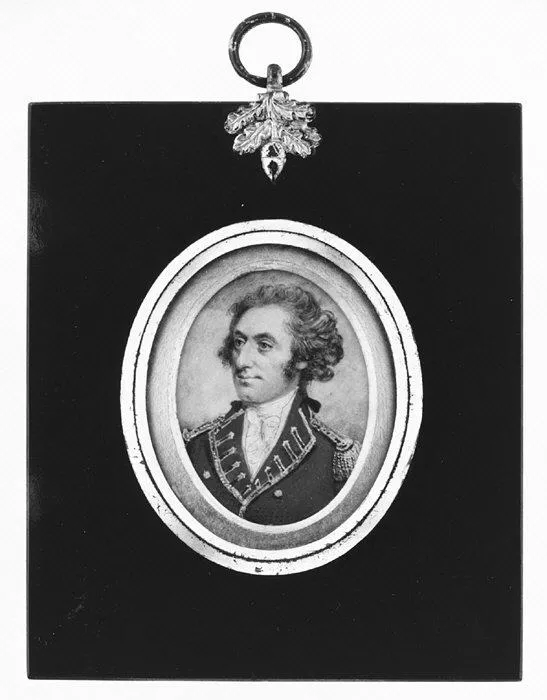
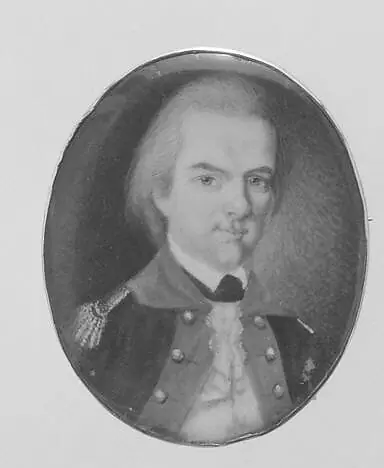
Admiral Adam Duncan (1731–1804) is an unspecified painting. It dates from 1755 and is held in the collection of the Metropolitan Museum of Art.
About this work
Subject & Meaning
As a visual record, the piece serves to commemorate Duncan's distinguished career and the prestige associated with his role as a naval officer.
The painting portrays Admiral Adam Duncan, 1st Viscount Duncan, a celebrated British naval commander. Created in 1755 and attributed to Philip Jean, the work is classified as a portrait and is housed in the Metropolitan Museum of Art. Its composition reflects the formal conventions of 18th-century portraiture, presenting the admiral in a manner that underscores his rank and status within the navy.
As a visual record, the piece serves to commemorate Duncan's distinguished career and the prestige associated with his role as a naval officer.
History & Provenance
The portrait of Admiral Adam Duncan, dated 1755 and attributed to Philip Jean, is held in the collection of the Metropolitan Museum of Art. No exhibition history for this specific artwork is documented in the provided sources.
Legacy
The portrait of Admiral Adam Duncan attributed to Philip Jean exemplifies mid-18th-century British portraiture and has been recognized as a visual record of the celebrated naval commander. Its presence in the Metropolitan Museum of Art's collection reflects the ongoing scholarly appreciation of the work within the broader history of British maritime portraiture.
Overview
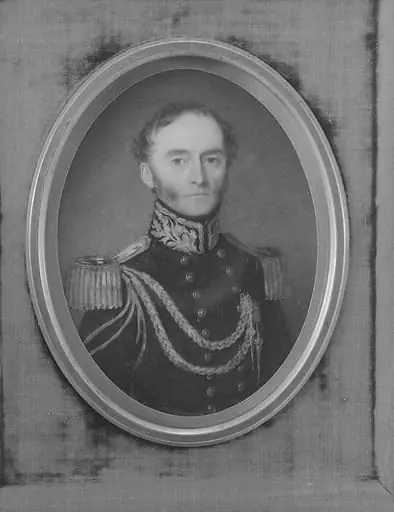
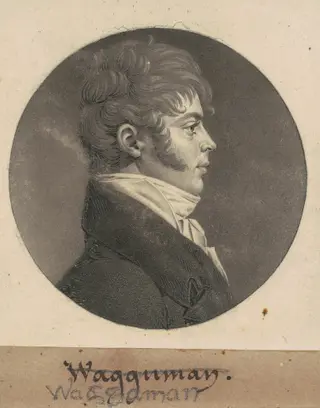
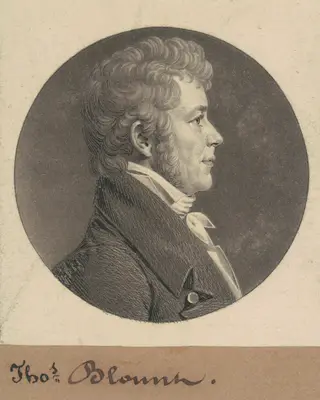
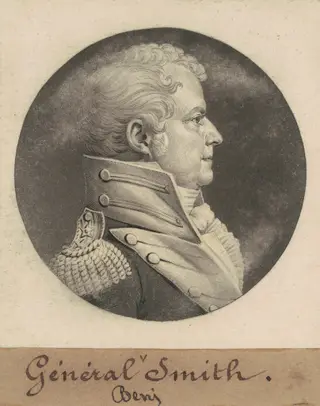
This painting depicts Admiral Adam Duncan (1731–1804) in a small, oval format. The portrait presents the naval officer in his dark military attire, featuring gold buttons and a white cravat. His powdered hair and composed, serious expression convey a sense of authority and formality.
The artwork offers a direct visual record of a notable figure from the late 18th and early 19th centuries.
Technique & Style
The artist employed a precise and understated technique in this portrait. The composition is simple, drawing attention primarily to Admiral Duncan's face and uniform. The execution features clean, defined edges throughout the painting, contributing to its refined appearance.
There is a deliberate absence of visible brushstrokes, resulting in a smooth surface that enhances the work's clarity and formal quality.
Artist & collection