Artwork
Album of Daoist and Buddhist Themes: Procession of Daoist Deities: Leaf 22
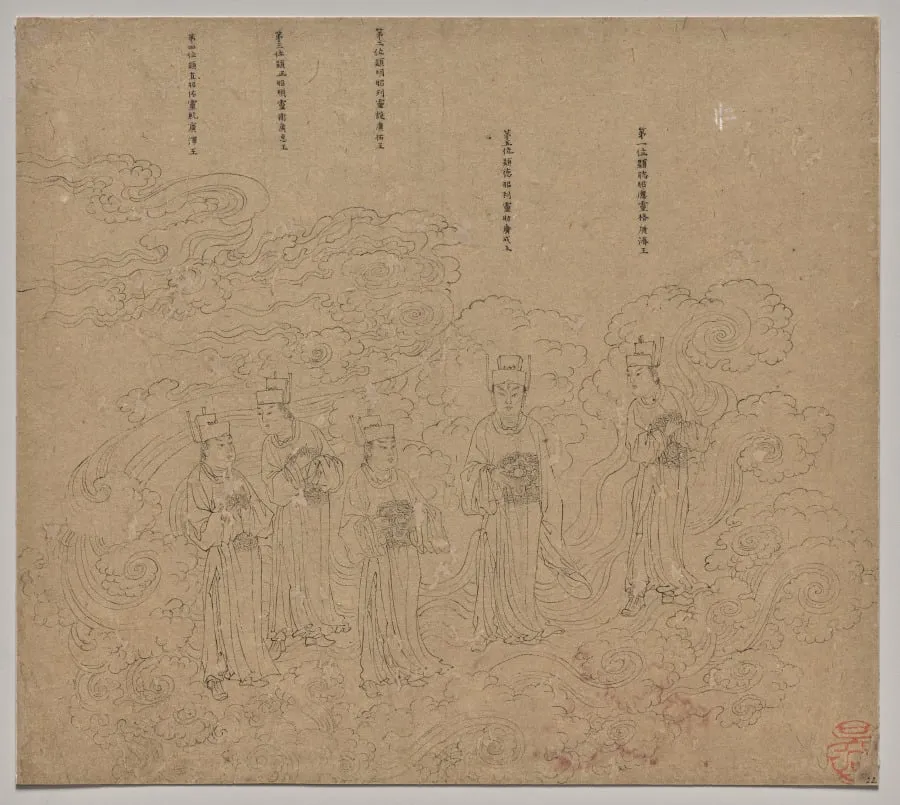
Album of Daoist and Buddhist Themes: Procession of Daoist Deities: Leaf 22 is an unspecified painting by the Song dynasty painting artist Unknown. It dates from 1204 and is held in the collection of the Cleveland Museum of Art. This painted leaf belongs to a fifty‑page album created in the 13th century, during the Southern Song period.
- Accession no.
- 2004.1.22
- Credit line
- John L. Severance Fund in honor of Dr. Ju-hsi Chou and Gift of various donors to the department of Asian Art (by exchange)
About this work
You see a line of five Daoist kings floating on clouds, each in flowing robes and tall hats, moving left to right.
You see a line of five Daoist kings floating on clouds, each in flowing robes and tall hats, moving left to right.
This drawing is one page from a 50-page album made in the 1200s. The kings here are the “Five Manifestations,” protectors in Daoist belief. The artist swapped the usual order of the last two figures, no one knows why.
To see more works like this, look up china, southern song dynasty (1127-1279).
Overview
This painted leaf belongs to a fifty‑page album created in the 13th century, during the Southern Song period. The album groups its illustrations into three themes: celestial processions of Daoist deities, the Ten Kings of the Underworld, and a narrative of Erlang’s campaign against dangerous beasts on Mount Guankou.
Subject & Meaning
The present leaf depicts a procession of five Daoist figures identified as the Five Manifestations, a set of protective kings in Daoist cosmology. Their names, listed from right to left, are Guangji, Guangcheng, Guangyou, Guanghui and Guangze. The composition presents them floating on clouds, each dressed in flowing robes and tall ceremonial hats, emphasizing their divine status.
Technique & Style
Executed in ink and color on paper, the image employs delicate line work to render the figures’ garments and the surrounding clouds. The artist uses a rhythmic arrangement of the five figures, allowing the eye to follow their left‑to‑right movement across the page, a typical approach in Song‑era religious albums.
History & Provenance
The album originates from the Southern Song dynasty (1127–1279) and reflects the period’s interest in Daoist ritual imagery. The ordering of the five kings is unusual: the fifth king, Guangze, is placed between the first two, a deviation from the standard sequence that remains unexplained by scholars.
Context
Daoist processional scenes were commonly used in court and temple settings to illustrate the hierarchy of celestial officials. This album, together with its companion sections on the Ten Kings of Hell and Erlang’s mythic exploits, provides a comprehensive visual record of popular religious themes in medieval China.
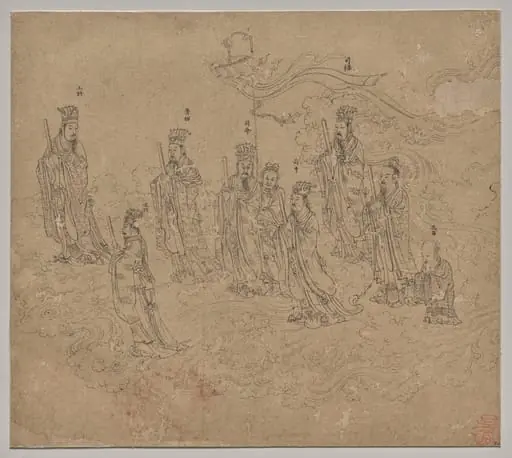
Artist & collection









- Album of Daoist and Buddhist Themes: Procession of Daoist Deities: Leaf 26
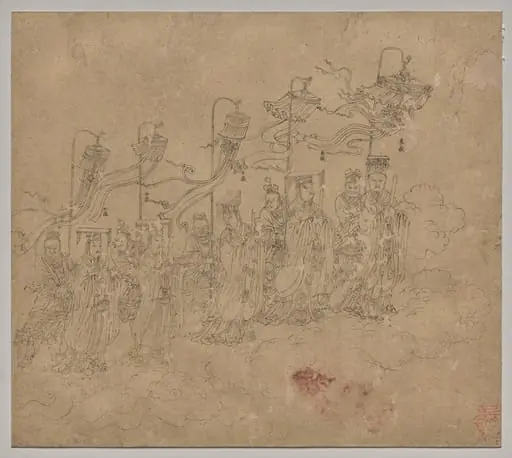 Album of Daoist and Buddhist Themes: Procession of Daoist Deities: Leaf 5
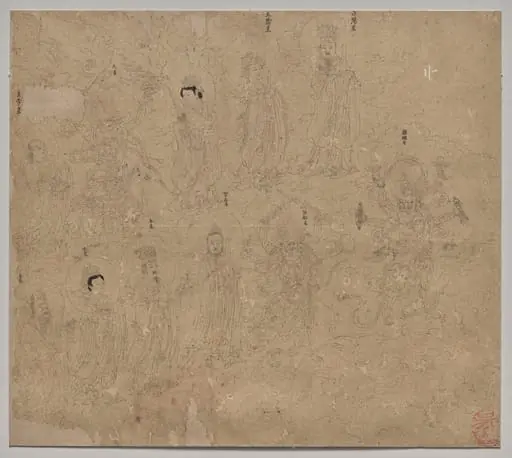 Album of Daoist and Buddhist Themes: Procession of Daoist Deities: Leaf 21
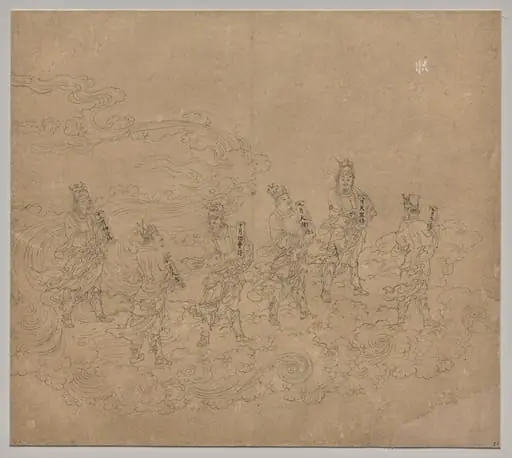 Album of Daoist and Buddhist Themes: Procession of Daoist Deities: Leaf 24
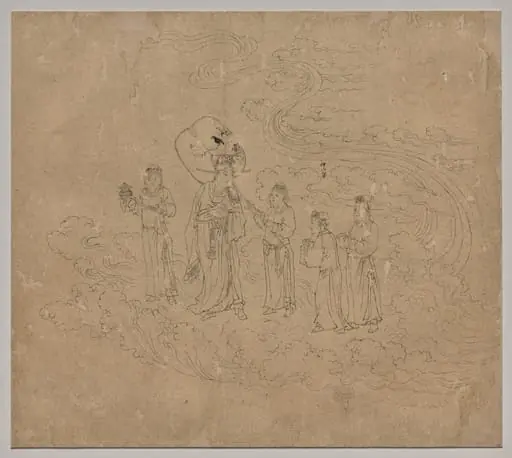 Album of Daoist and Buddhist Themes: Procession of Daoist Deities: Leaf 10
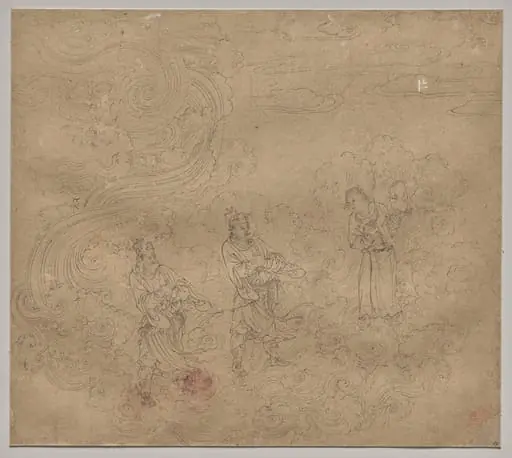 Album of Daoist and Buddhist Themes: Procession of Daoist Deities: Leaf 17
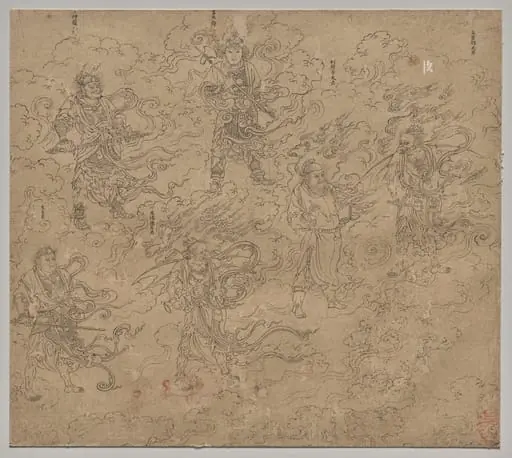 Album of Daoist and Buddhist Themes: Procession of Daoist Deities: Leaf 19
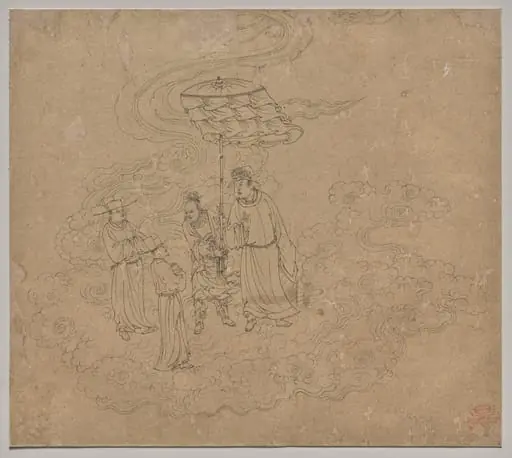 Album of Daoist and Buddhist Themes: Procession of Daoist Deities: Leaf 9
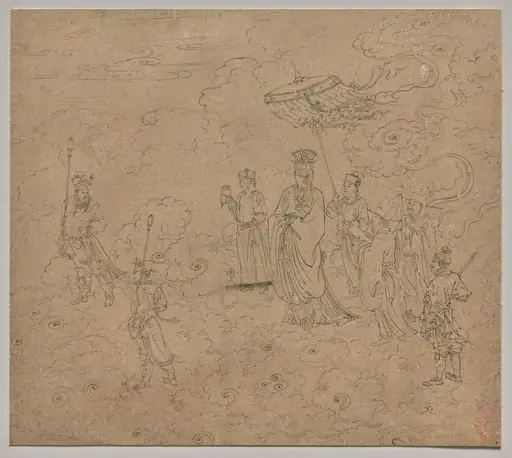 Album of Daoist and Buddhist Themes: Procession of Daoist Deities: Leaf 8
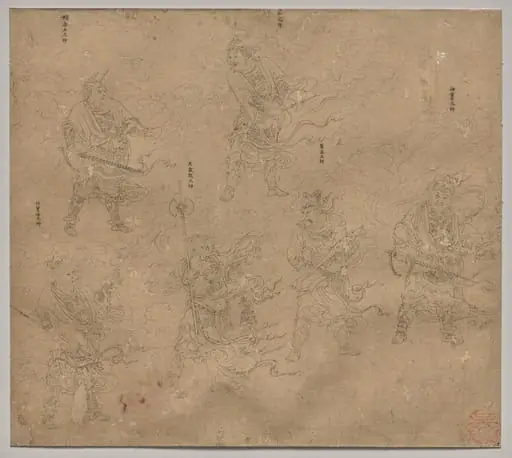 Album of Daoist and Buddhist Themes: Procession of Daoist Deities: Leaf 13