Artwork
Altarpiece with The Passion of Christ
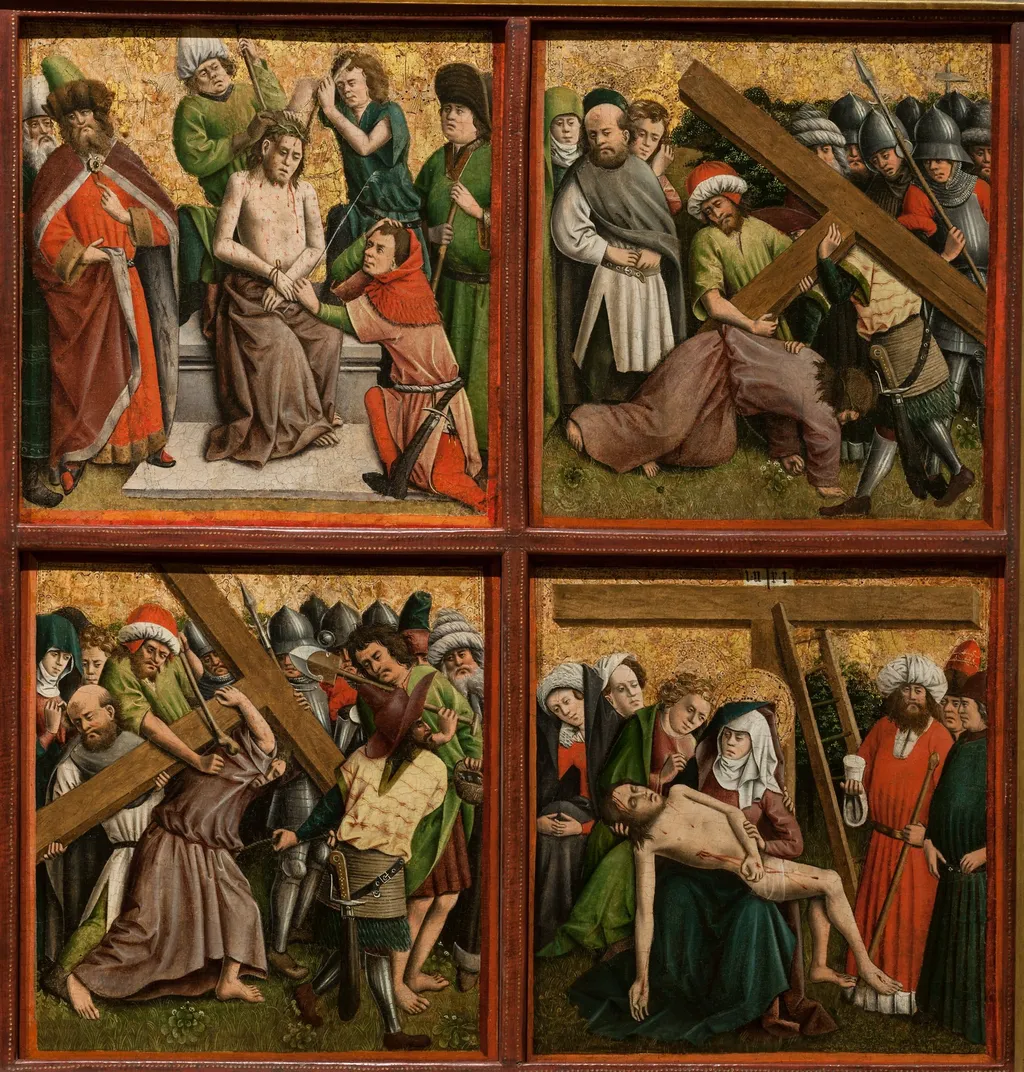
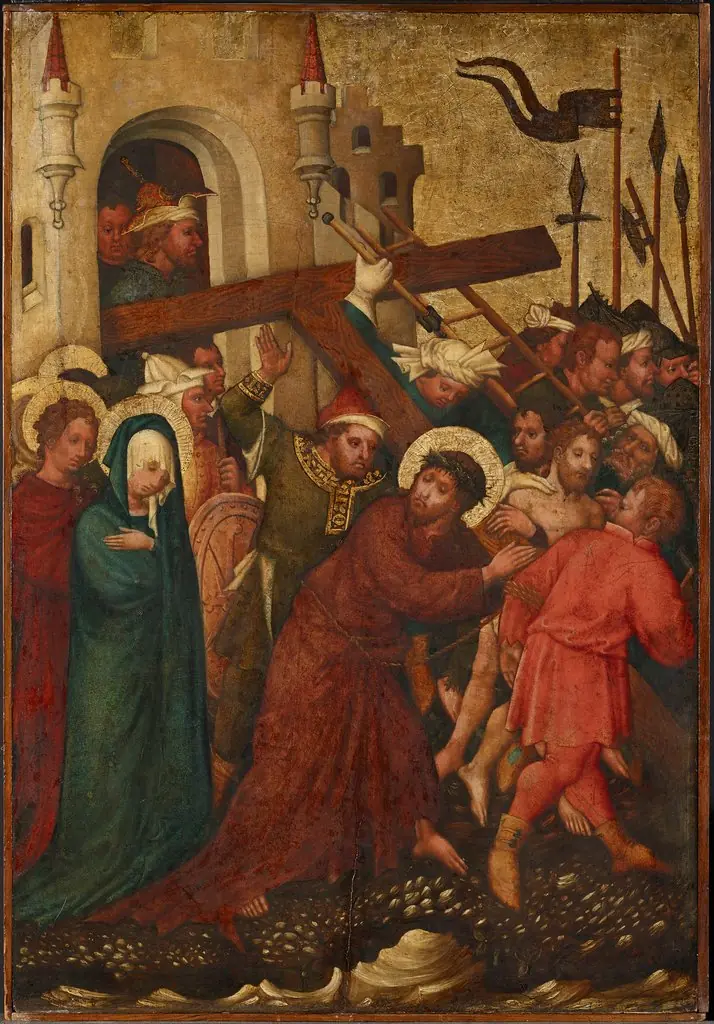
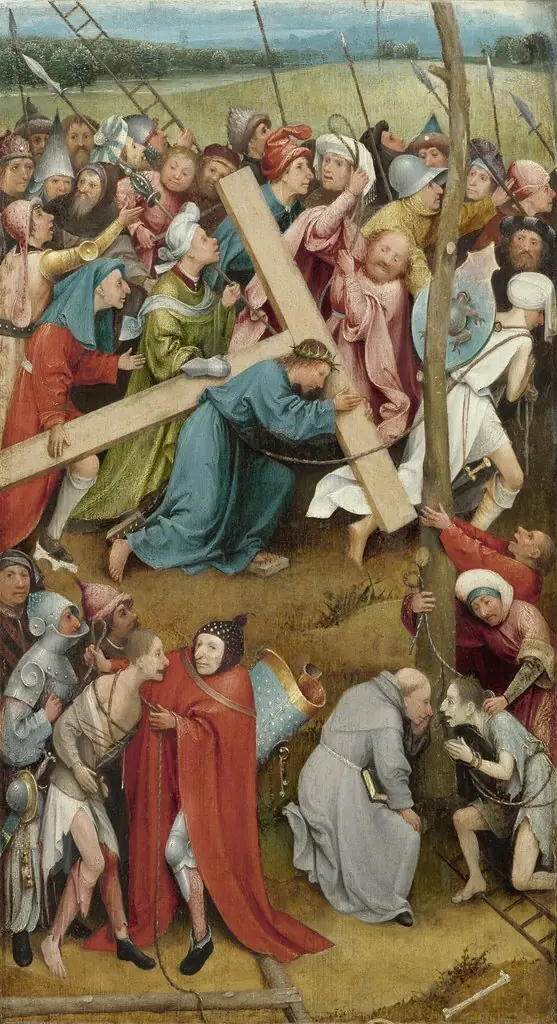
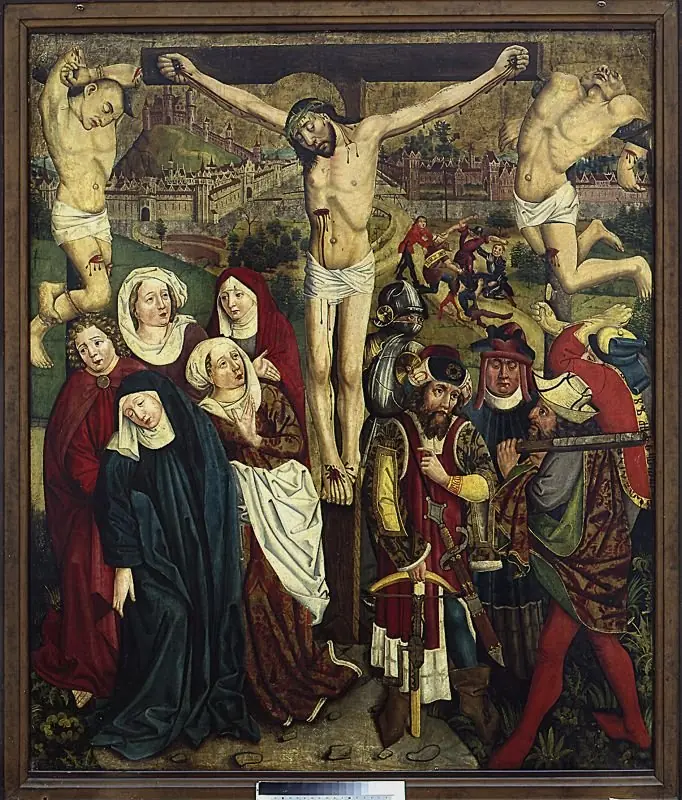
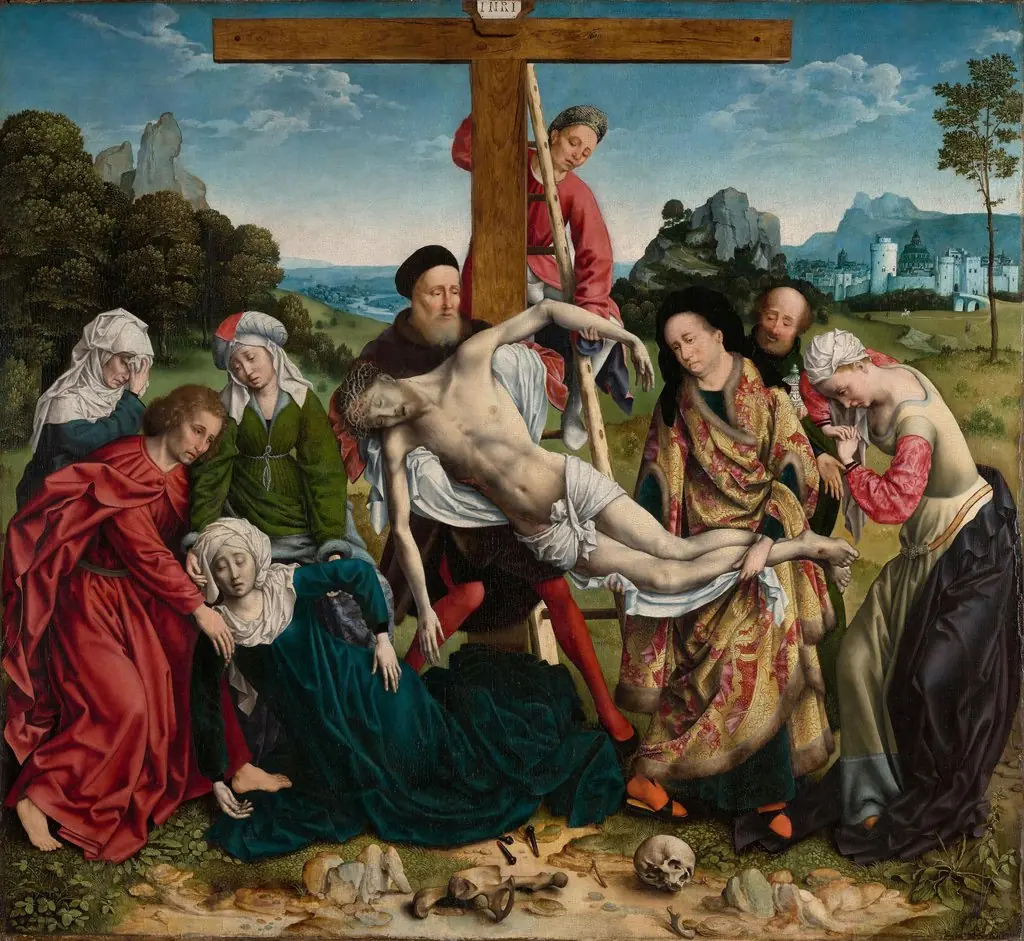
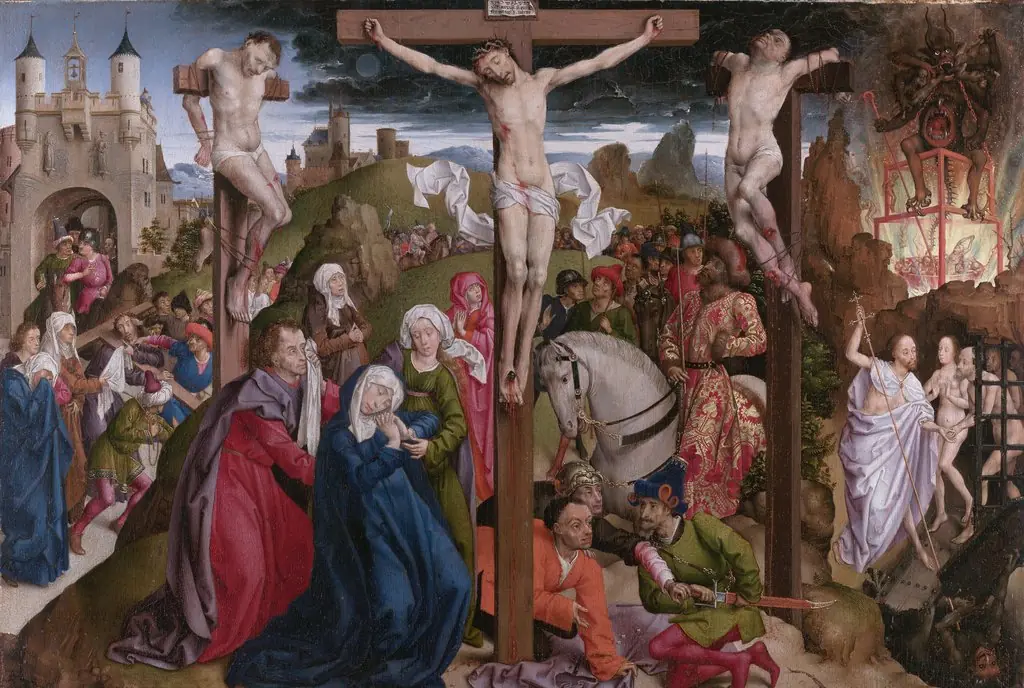
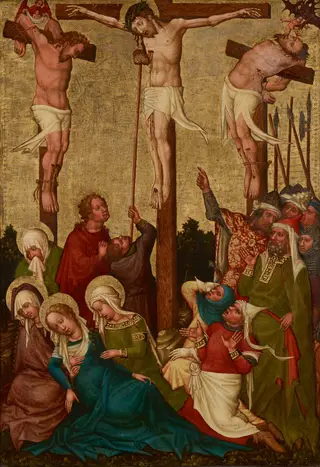
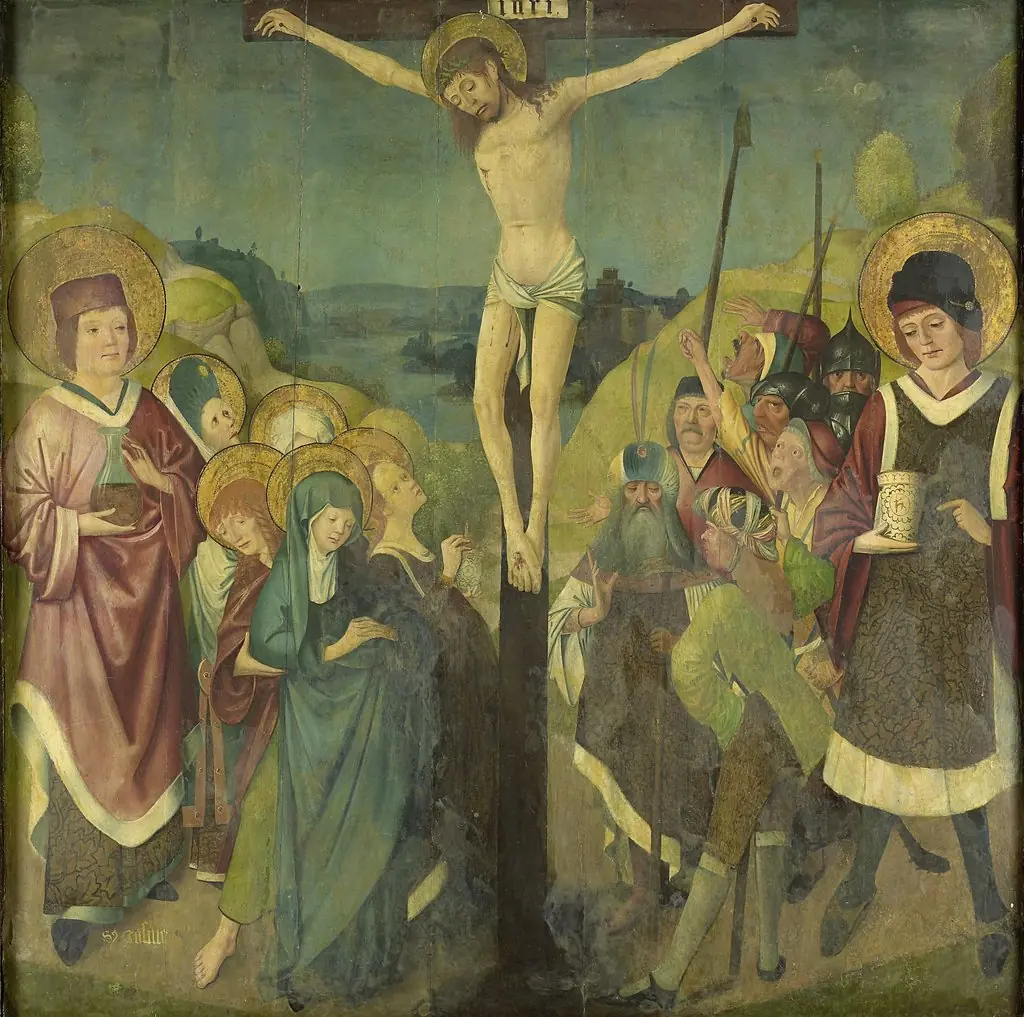
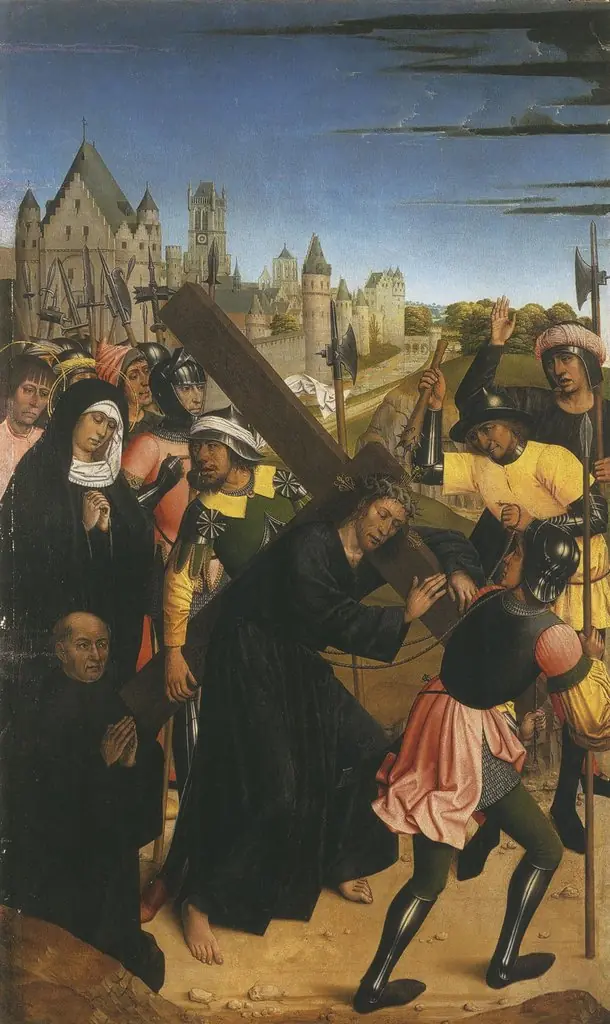
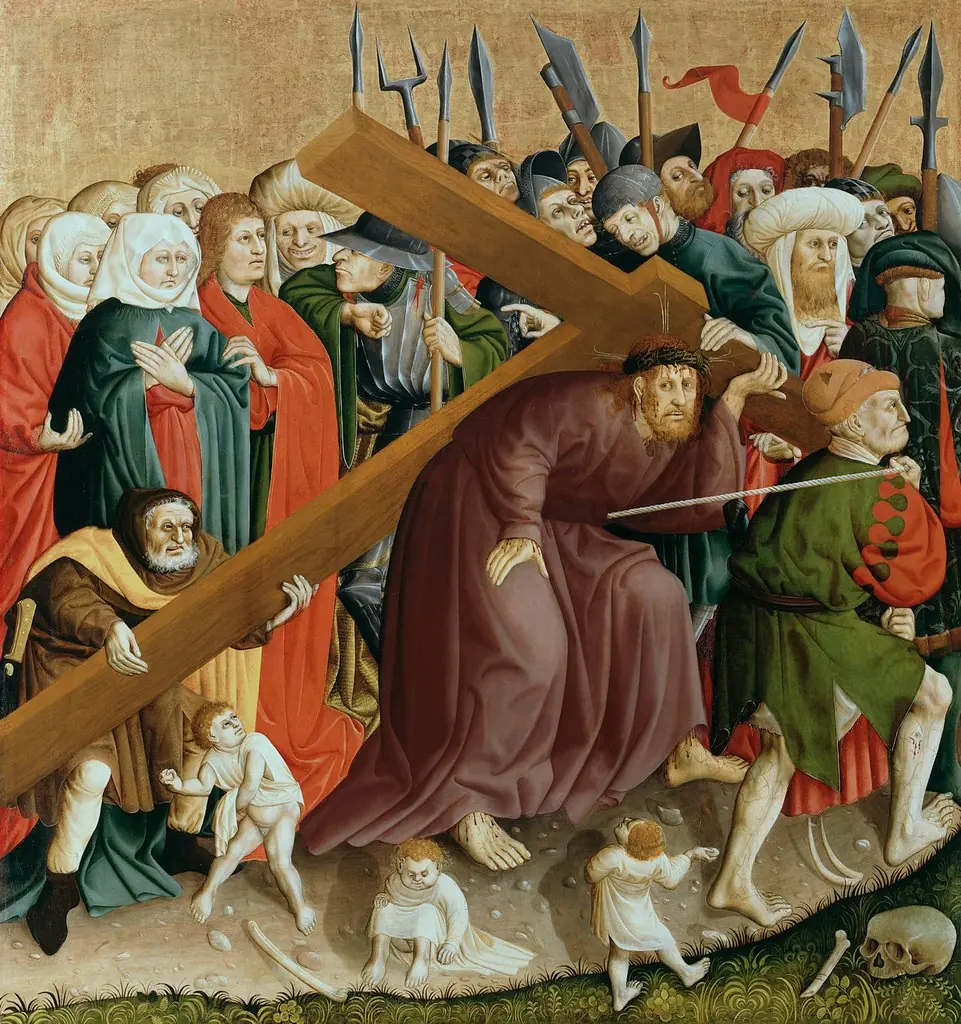
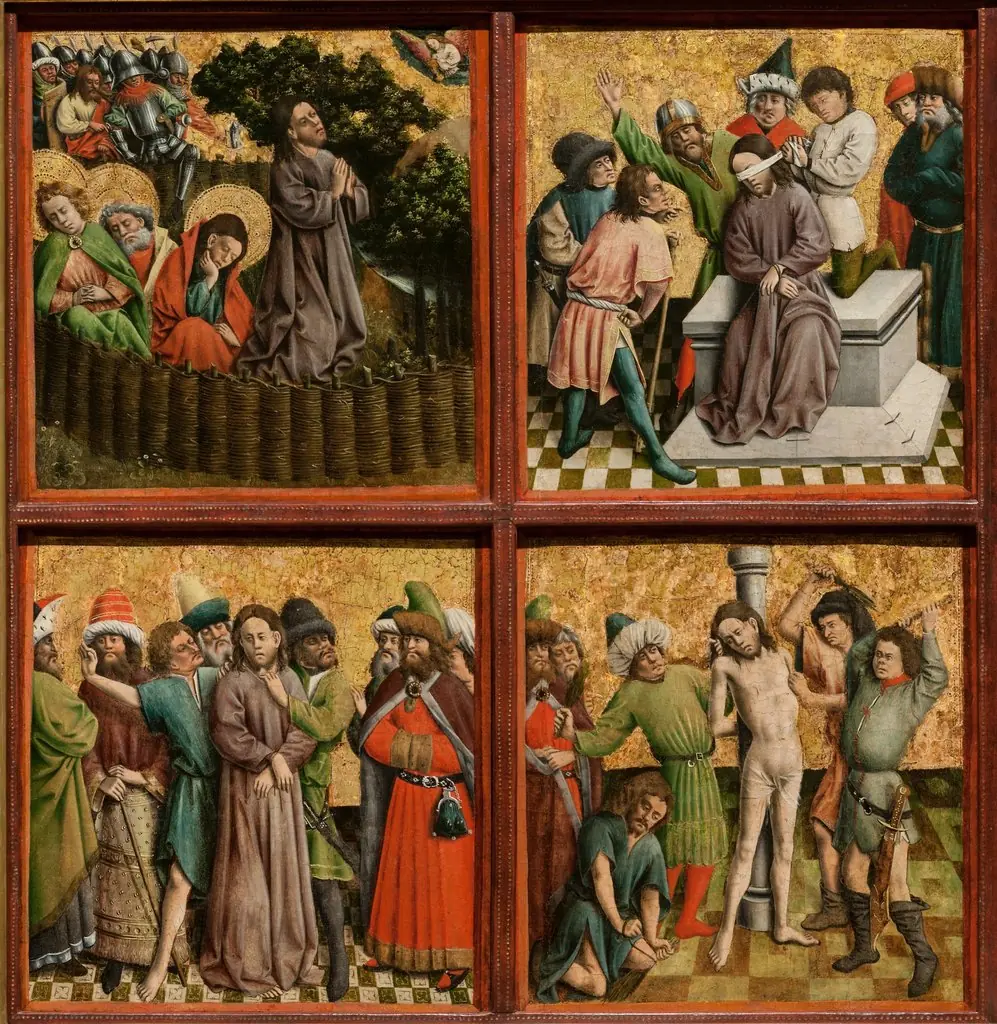
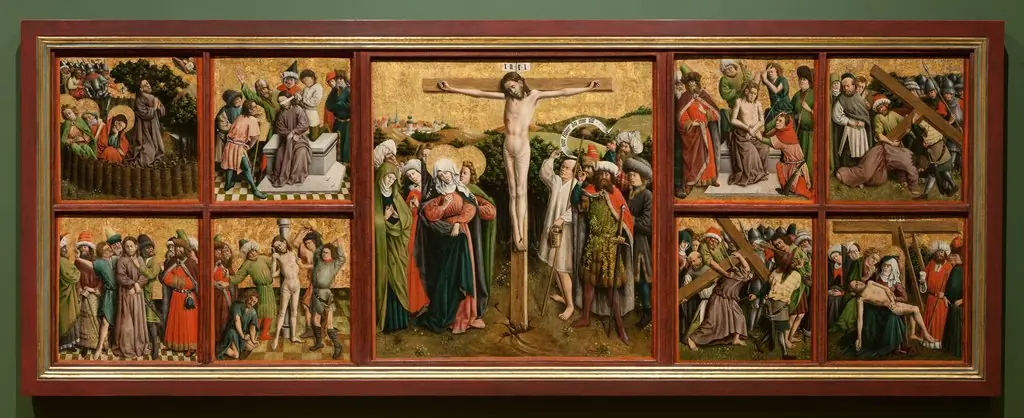
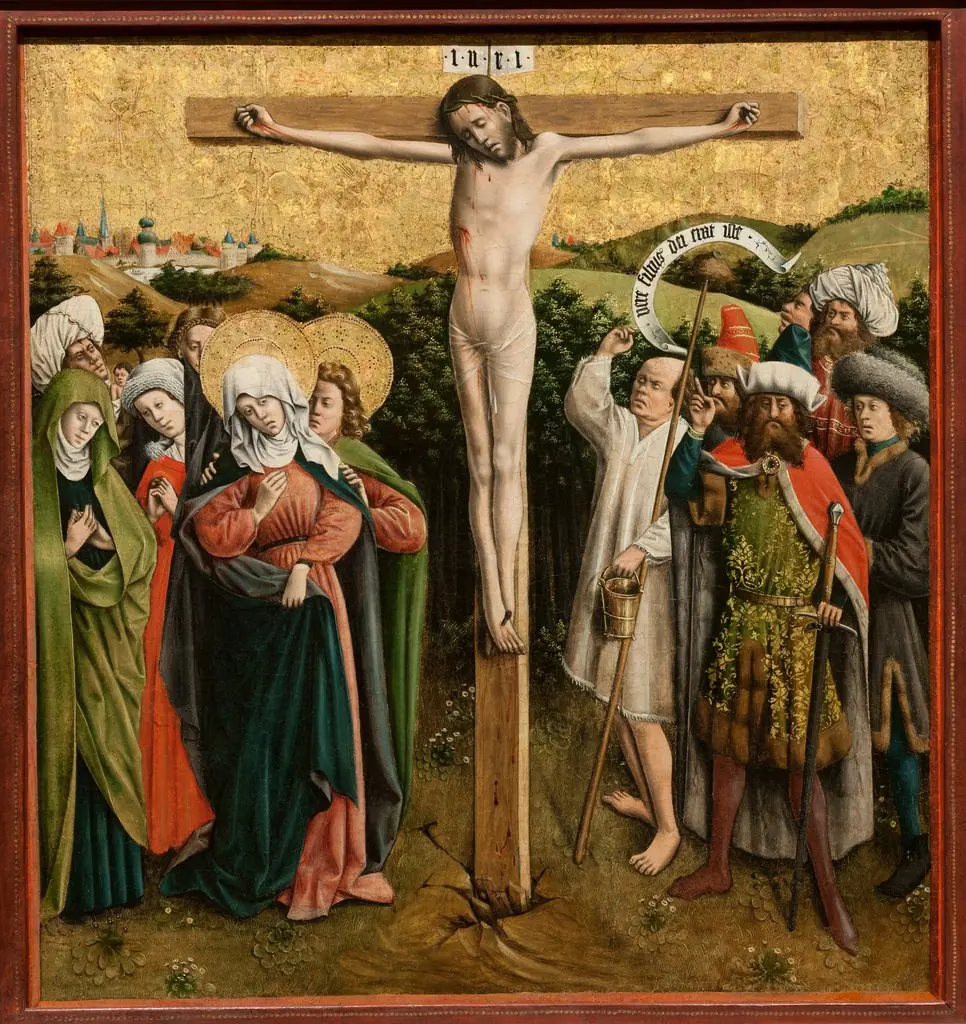
Altarpiece with The Passion of Christ is an unspecified painting. It dates from 1440 and is held in the collection of the Cleveland Museum of Art. The work is a four‑panel painting that narrates key moments of the Passion of Christ.
About this work
Subject & Meaning
The altarpiece depicts scenes from the Passion of Christ, focusing on the suffering and crucifixion of Jesus. Its iconography includes traditional symbols of Christ's sacrifice, emphasizing themes of redemption and divine love. The work serves as a devotional object, inviting contemplation of Christ's final moments and the theological significance of his sacrifice within Christian art.
Technique & Style
Its composition centers on a vivid depiction of the Passion of Christ, rendered with meticulous detail characteristic of early Netherlandish techniques.
The Altarpiece with The Passion of Christ is an early 15th-century religious painting executed in tempera on wood panel, measuring 74.3 cm by 69.8 cm. Attributed to the Master of the Schlägl Altarpiece, the work originates from Germany and was created in 1440. Its composition centers on a vivid depiction of the Passion of Christ, rendered with meticulous detail characteristic of early Netherlandish techniques. The panel retains its original surface with minimal alteration, reflecting careful handling and preservation over centuries.
History & Provenance
The Altarpiece with The Passion of Christ was created in 1440, with its inception dated to that year. It was produced in Germany, where it is attributed to the Master of the Schlägl Altarpiece, a German painter. The work entered the collection of the Cleveland Museum of Art, where it is currently held under the accession designation 1951.453.c.
No further details about the original commission, early ownership, or chain of custody prior to the Cleveland Museum of Art acquisition are documented in the available sources.
Overview
The work is a four‑panel painting that narrates key moments of the Passion of Christ. Each panel presents a distinct episode: the crowning with thorns, the bearing of the cross, the crucifixion, and the removal of Christ’s body. The composition is unified by a consistent medieval setting and a restrained colour scheme.
Context
The work reflects the devotional practices of the Middle Ages, when narrative cycles of the Passion were commonly displayed in churches to aid the faithful in meditation on Christ’s suffering.
Artist & collection