Artwork
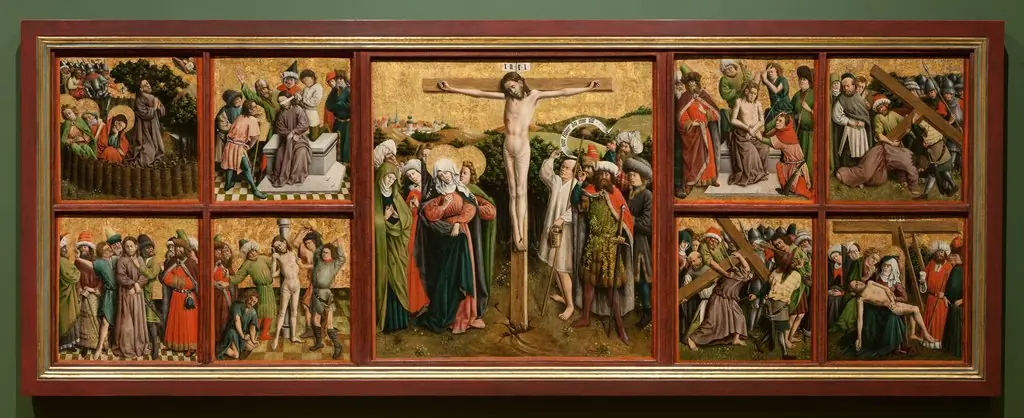
Altarpiece with The Passion of Christ
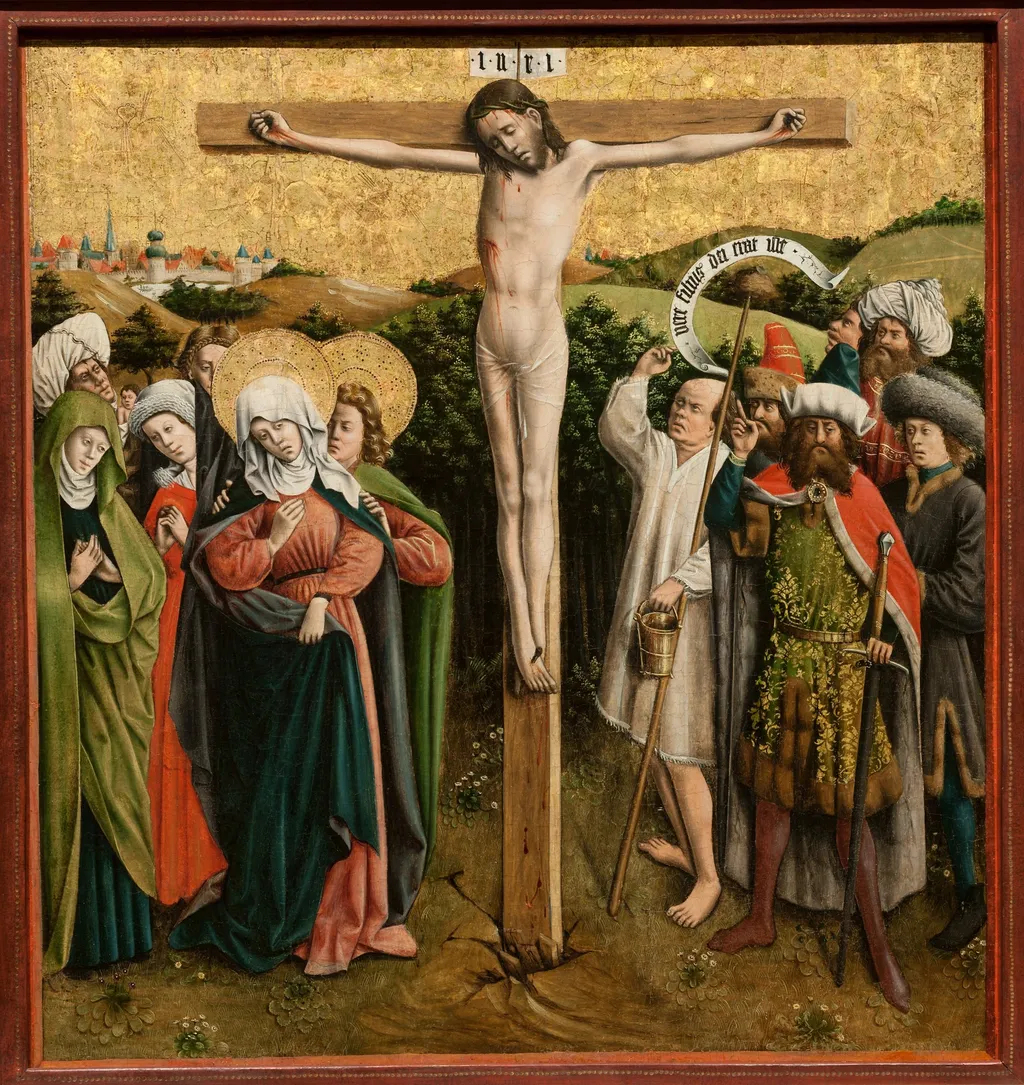
Altarpiece with The Passion of Christ is an unspecified painting. It dates from 1440 and is held in the collection of the Cleveland Museum of Art.
About this work
History & Provenance
It was originally commissioned for devotional use within a religious context, reflecting the artistic and spiritual practices of the period.
The Altarpiece with The Passion of Christ was created in 1440 in Germany by the Master of the Schlägl Altarpiece. It was originally commissioned for devotional use within a religious context, reflecting the artistic and spiritual practices of the period. The work entered the collection of the Cleveland Museum of Art, where it remains part of their holdings today.
The altarpiece is held by the Cleveland Museum of Art, where it is catalogued under inventory number 1951.453.a. According to the Wikidata record, the work is part of the museum's collection and is located at the Cleveland Museum of Art. No exhibition history is documented in the available sources.
The provenance and display record of the piece prior to its accession by the Cleveland Museum of Art in 1951 is not addressed in the provided sources, and no loans or temporary exhibitions are noted.
Overview
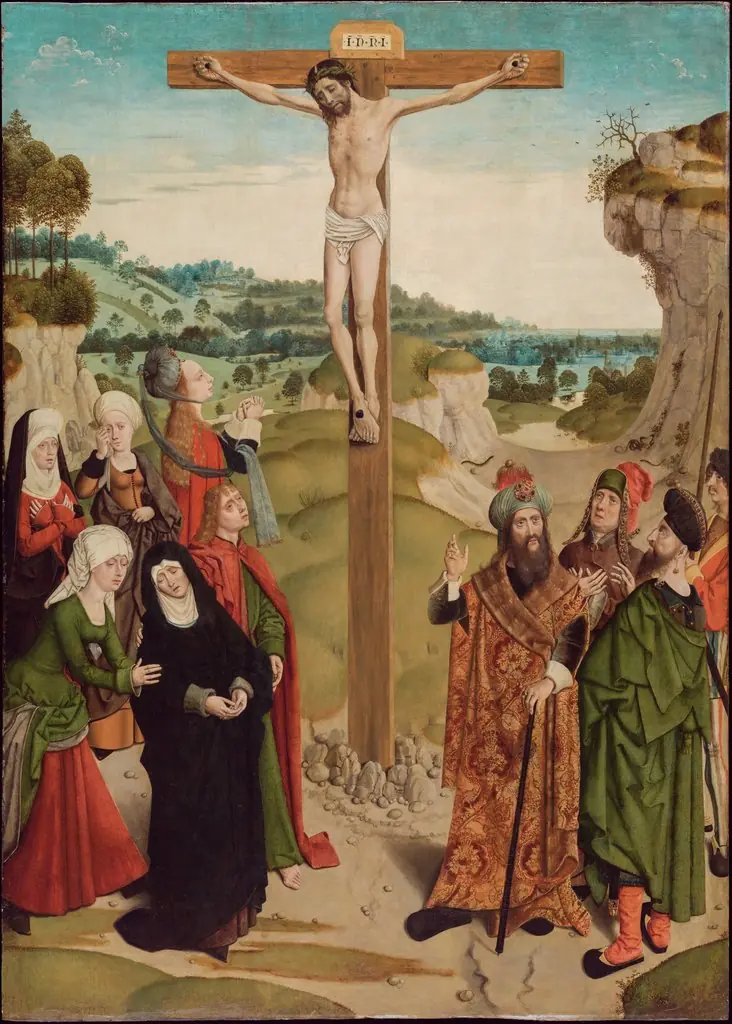
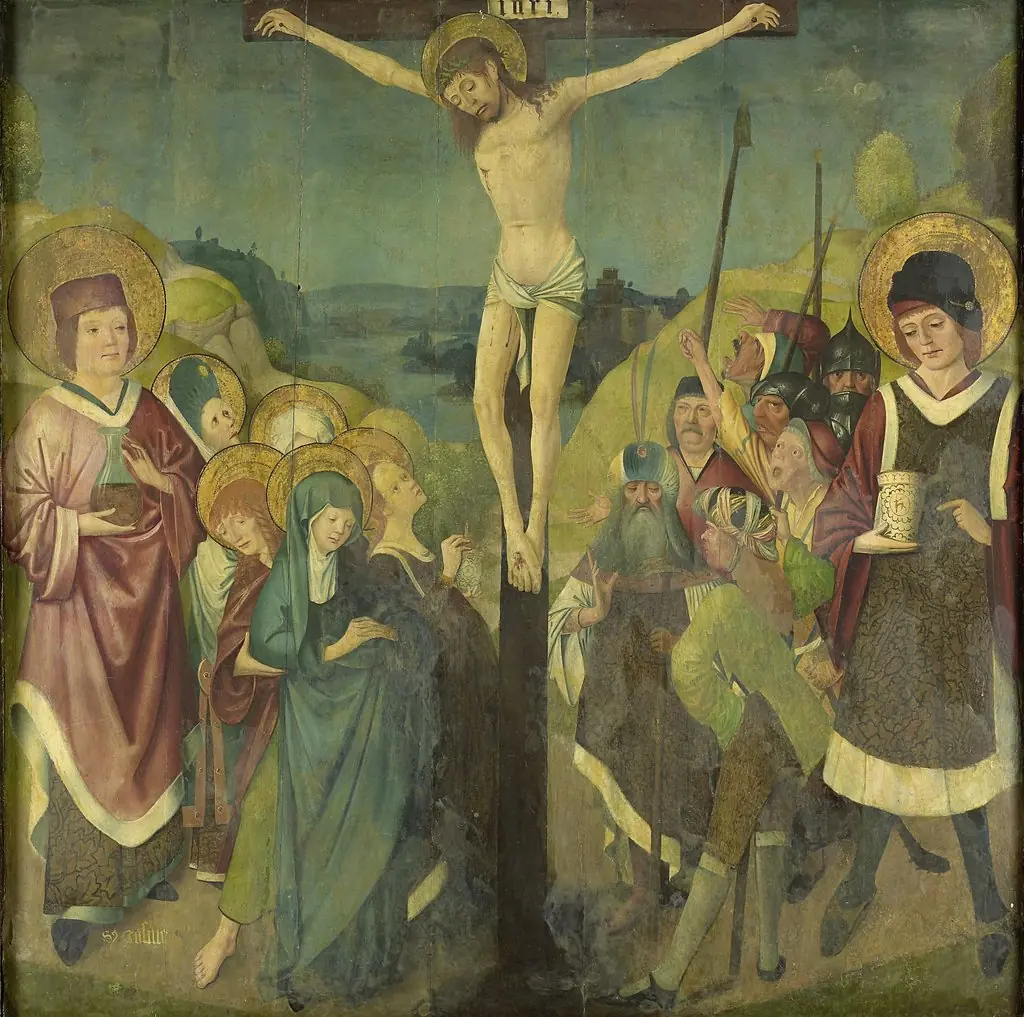
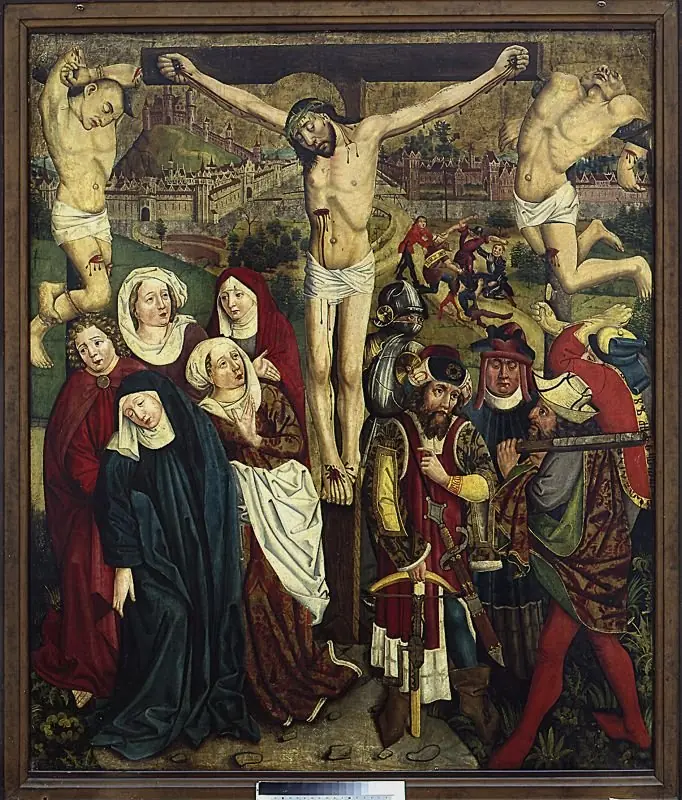
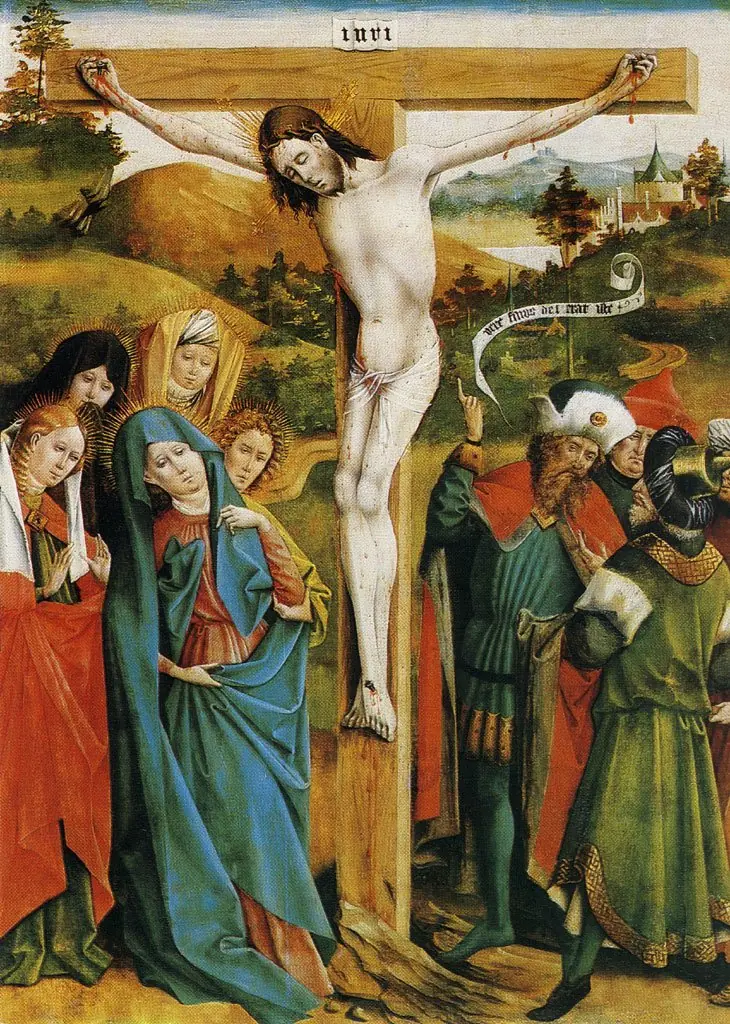
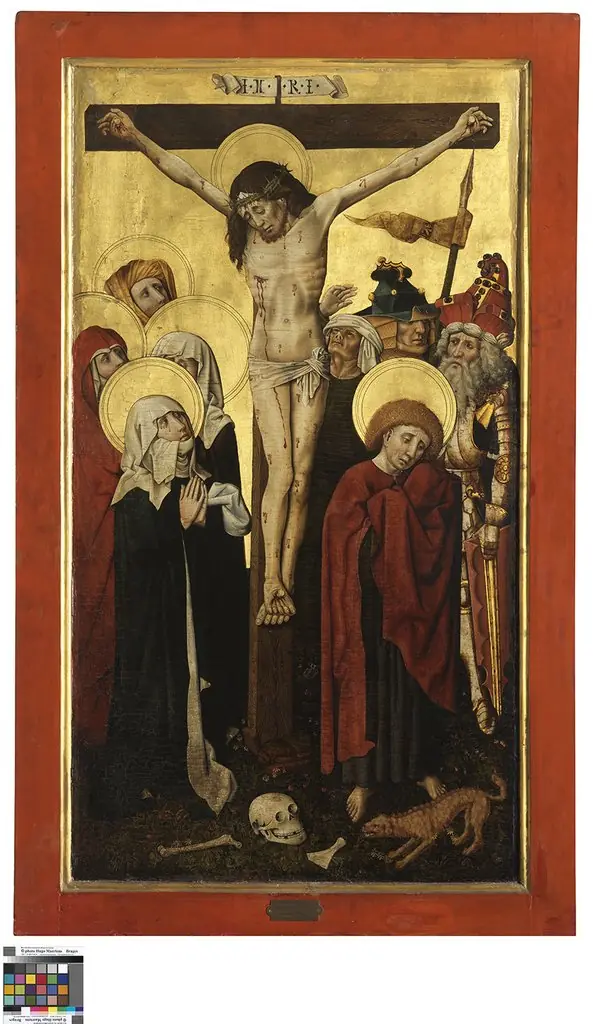
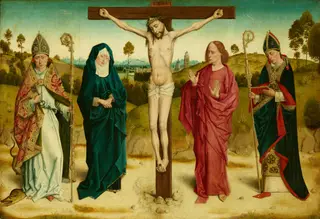
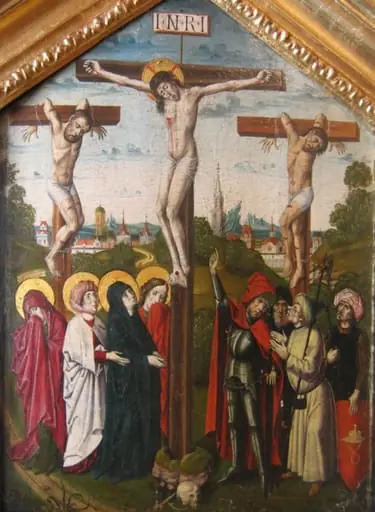
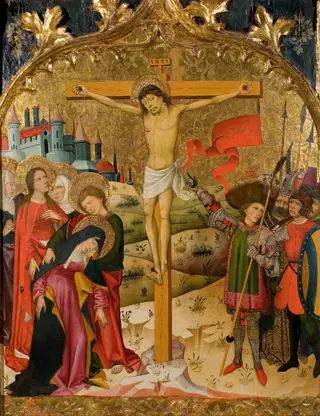
The work presents a crucifixion scene set against a modest landscape that includes a distant town with towers and fields rendered in muted blues and greens. Central to the composition is a pale, wounded figure on a plain wooden cross, holding a sign above his head, while a gathering of figures in medieval attire observes the event.
Subject & Meaning
The painting depicts the Passion of Christ, focusing on the moment of crucifixion. The surrounding crowd displays a range of reactions, some mournful, others gesturing with folded hands or pointing, suggesting varied human responses to the sacrifice. Objects such as a bucket and a spear among the figures hint at the practical and violent aspects of the narrative.
Technique & Style
Executed with a clear contrast between light and shadow, the piece employs a chiaroscuro approach that emphasizes the pallor of the central figure against the brighter, richly colored garments of the onlookers. The use of vivid reds, blues, and golds in the clothing draws attention to individual characters while maintaining overall compositional balance.
Context
The attire and accessories of the figures, medieval clothing, ornate hats, and everyday items, situate the scene within a historical framework that blends biblical narrative with contemporary visual references. The simple, undecorated cross and the pastoral background reflect a modest, perhaps devotional, setting typical of late medieval religious art.
Artist & collection