Artwork
Anbetung der Hirten
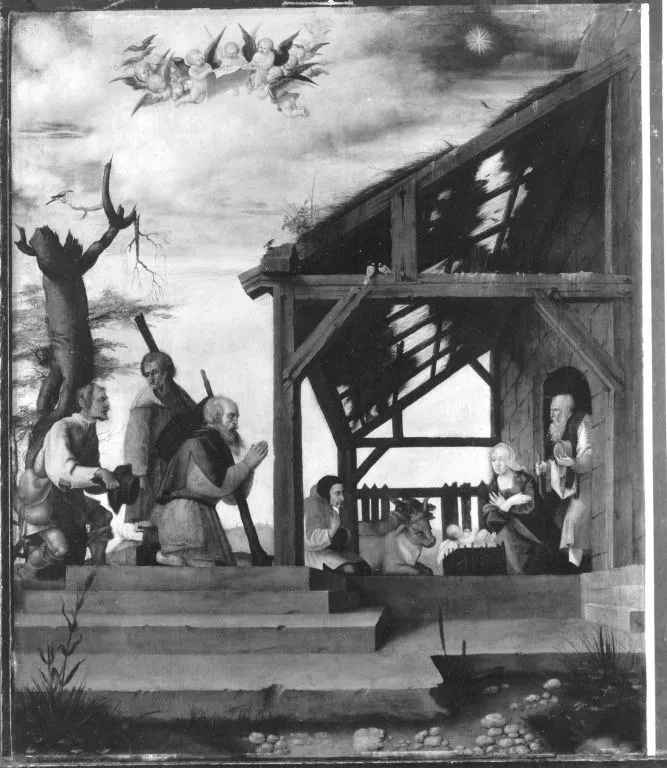
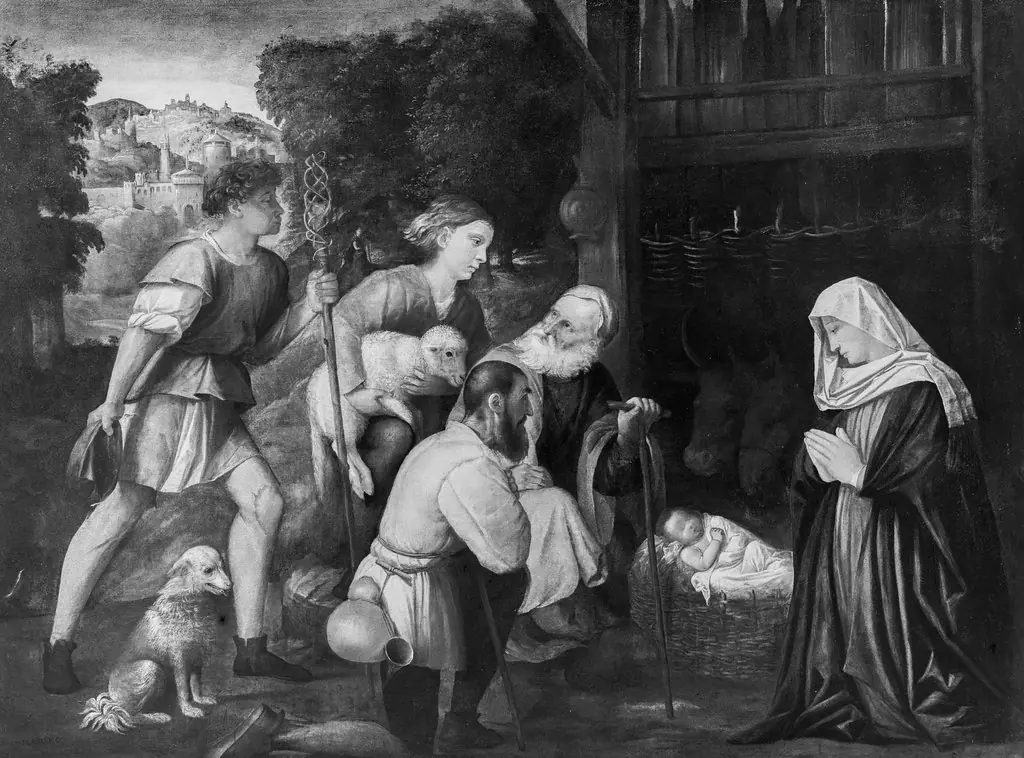
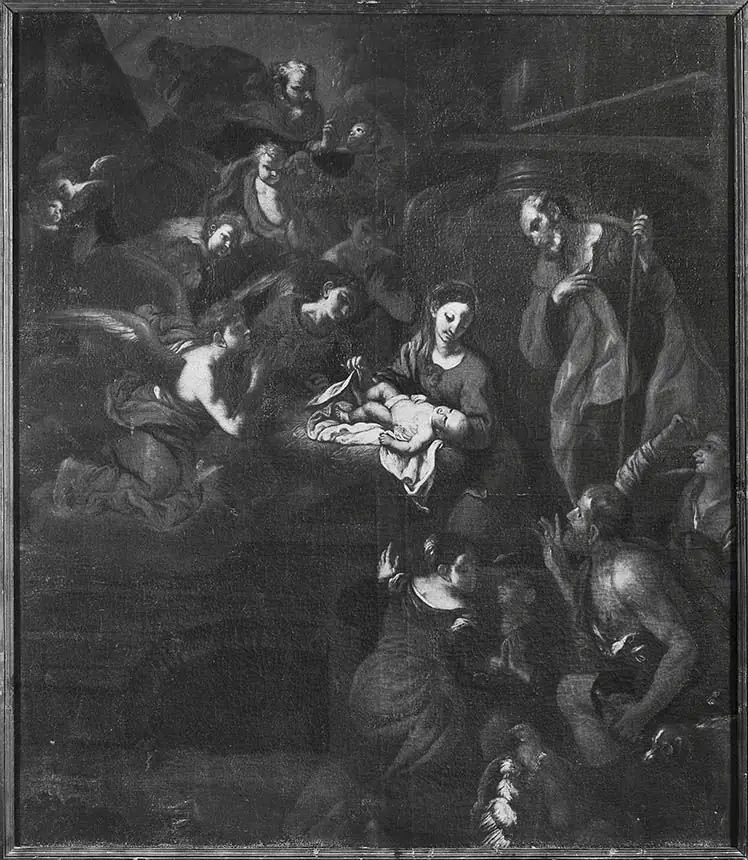
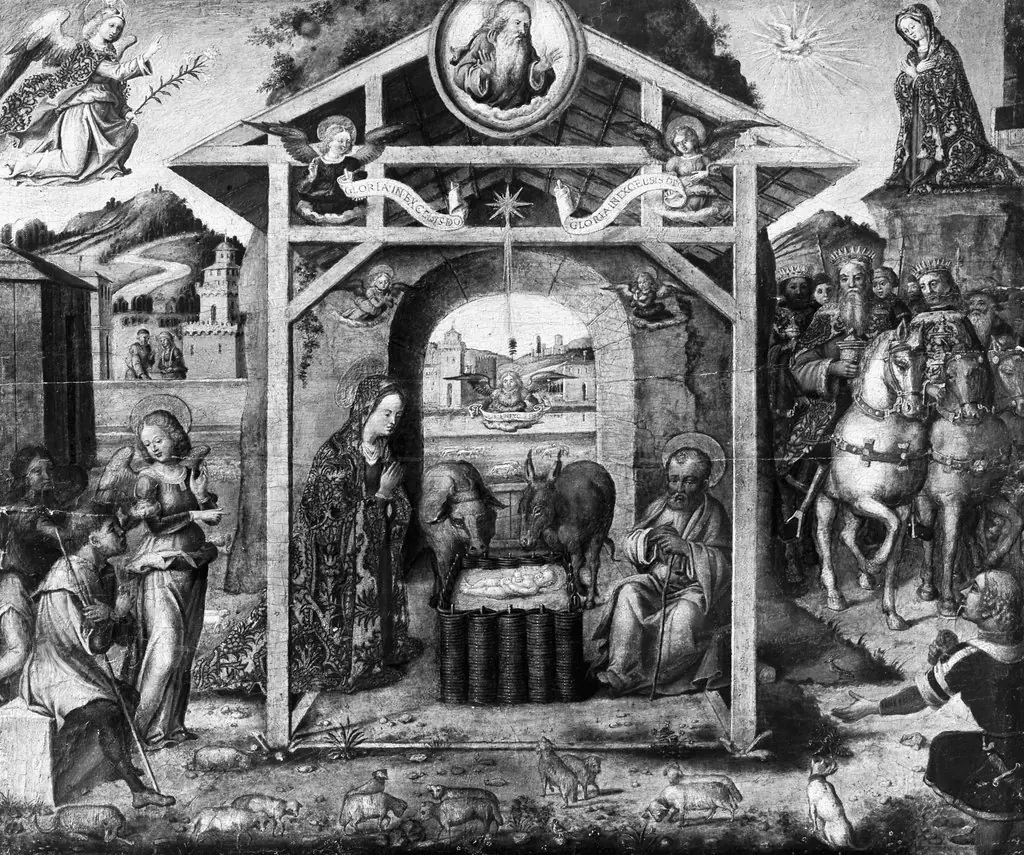
Anbetung der Hirten is an unspecified painting by the Early Baroque Italian artist Unknown. It dates from 1600 and is held in the collection of the Bavarian State Painting Collections. The work depicts a modest wooden shelter with a low‑pitched roof, illuminated from within.
About this work
Subject & Meaning
This biblical scene of the Nativity emphasizes themes of divine revelation and humble worship, reflecting Counter-Reformation ideals of personal devotion.
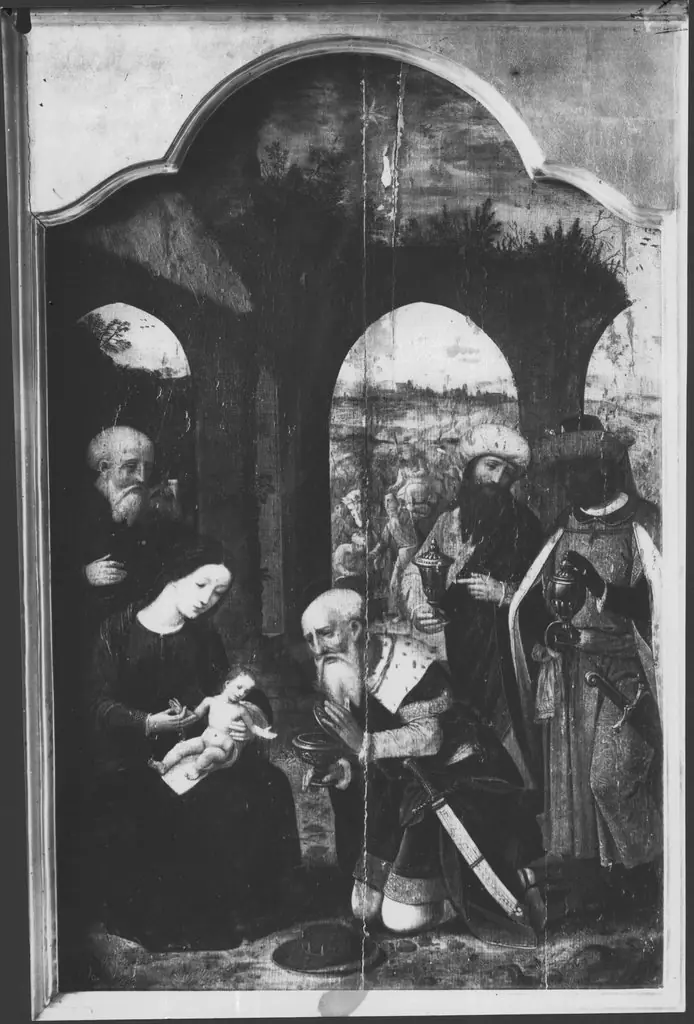
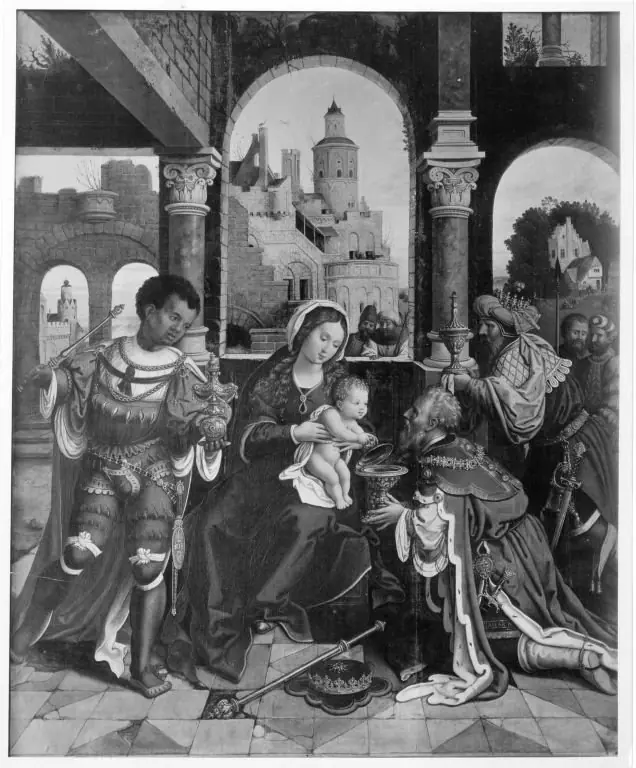
The painting depicts the adoration of the shepherds, showing the infant Christ held by Mary while shepherds kneel in reverence. This biblical scene of the Nativity emphasizes themes of divine revelation and humble worship, reflecting Counter-Reformation ideals of personal devotion. The composition centers on the Christ Child as the focal point, with the shepherds' gestures underscoring recognition of his sacred role.
History & Provenance
The painting titled Anbetung der Hirten (Adoration of the Shepherds) was created in 1598 by the artist known as Monogrammist S. It is a religious work depicting the Christ Child and the adoration of the shepherds. The artwork measures 105.2 cm in height and 88.9 cm in width. Currently, the piece is held within the collection of the Bavarian State Painting Collections, specifically located at the Alte Pinakothek.
The painting Anbetung der Hirten, attributed to the Monogrammist S and dated 1598, is held within the collection of the Bavarian State Painting Collections. It is currently located at the Alte Pinakothek in Munich. The provided sources do not list a specific inventory or accession number for the work, nor do they record any details regarding its exhibition history.
Context
The painting Anbetung der Hirten by the Monogrammist S entered the Bavarian State Painting Collections in 1598 and remains on view at the Alte Pinakothek. Scholars classify it as a religious work depicting the adoration of the shepherds, focusing on the Christ Child. Its attribution to the Monogrammist S situates it within the late Renaissance German school, reflecting devotional trends of the period.
The composition has been analyzed for its use of light and spatial arrangement, contributing to discussions of regional artistic identity in the late 16th century.
Legacy
The late influence and legacy of this religious painting are marked by its continued presence in major museum collections and scholarly discussions of Counter-Reformation art. Its attribution to the Monogrammist S has prompted renewed analysis of workshop practices in late 16th-century Bavaria, influencing subsequent studies of anonymous religious painters. The work remains on view at the Alte Pinakothek, where it contributes to the narrative of devotional art from the period.
Overview
The work depicts a modest wooden shelter with a low‑pitched roof, illuminated from within. Inside, a woman cradles an infant swaddled in cloth while an animal stands nearby. Beyond the doorway, three robed figures pause on a stone step, gazing toward the interior. Above the scene, ethereal angels hover in the sky, completing the composition.
Technique & Style
A pronounced contrast between the dark interior of the stable and the luminous glow spilling outward creates a dramatic chiaroscuro effect. The artist employs deep shadows to define the structure, while the bright light draws the viewer’s eye toward the central figures. Subtle modeling of forms and the soft rendering of the angels enhance the sense of depth and atmosphere.
Artist & collection