Artwork
Ascetic Princess with Snakes in a Wilderness: Asavari Ragini, from a Ragamala
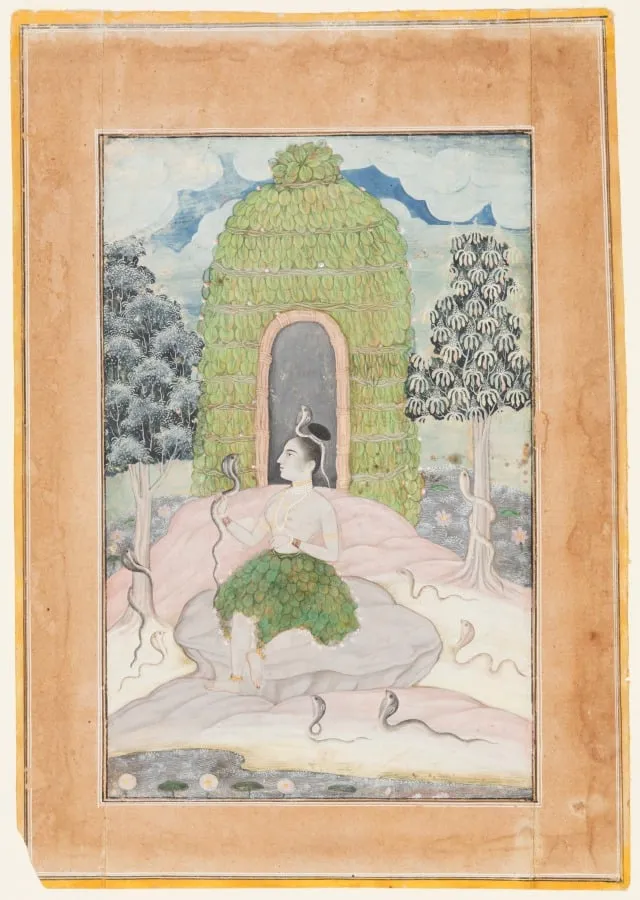
Ascetic Princess with Snakes in a Wilderness: Asavari Ragini, from a Ragamala is an unspecified painting by the Baroque artist Unknown. It dates from 1650 and is held in the collection of the Cleveland Museum of Art.
- Accession no.
- 2018.190
- Credit line
- Purchase and partial gift from the Catherine and Ralph Benkaim Collection; Severance and Greta Millikin Purchase Fund
About this work
Overview
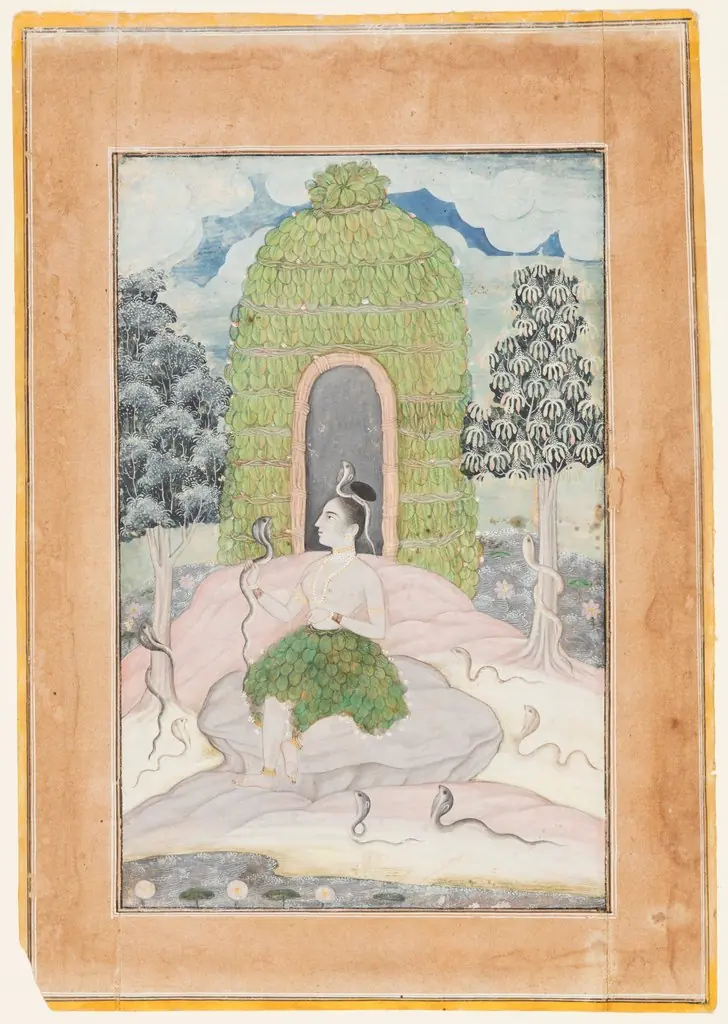
The work titled Ascetic Princess with Snakes in a Wilderness: Asavari Ragini, from a Ragamala depicts a solitary female figure seated amid a forest setting. She is clothed in a garment fashioned from leaves, while several water snakes coil around her arms. The composition conveys a tranquil atmosphere, suggesting the figure’s integration with her natural surroundings.
Subject & Meaning
The painting illustrates a motif found in Indian poetry where a royal woman abandons palace life to adopt an ascetic existence on an isolated island within a forest. Through disciplined yogic practice and voluntary deprivation, she attains a harmonious rapport with water snakes, which are portrayed as being drawn to her inner serenity.
Technique & Style
Rendered in the visual language of the Ragamala tradition, the piece combines narrative illustration with musical symbolism. The artist employs delicate brushwork to suggest foliage and the sinuous forms of the snakes, while the figure’s calm expression is achieved through restrained facial detailing, emphasizing spiritual composure over physical realism.
Context
The painting belongs to a series of Ragamala images, each linked to a specific raga or musical mode. In this context, the scene corresponds to the raga Asavari, whose melodic character is associated with introspection and devotion, reinforcing the theme of renunciation and inner peace.
Legacy
Works from this Ragamala series have been referenced in studies of Rajput court art, particularly those produced under the patronage of the Bikaner kingdom. The depiction of the ascetic princess continues to serve as a visual exemplar of the convergence between music, poetry, and spiritual narrative in pre‑modern Indian painting.
Artist & collection









- Ascetic Princess with Snakes in a Wilderness: Asavari Ragini, from a Ragamala
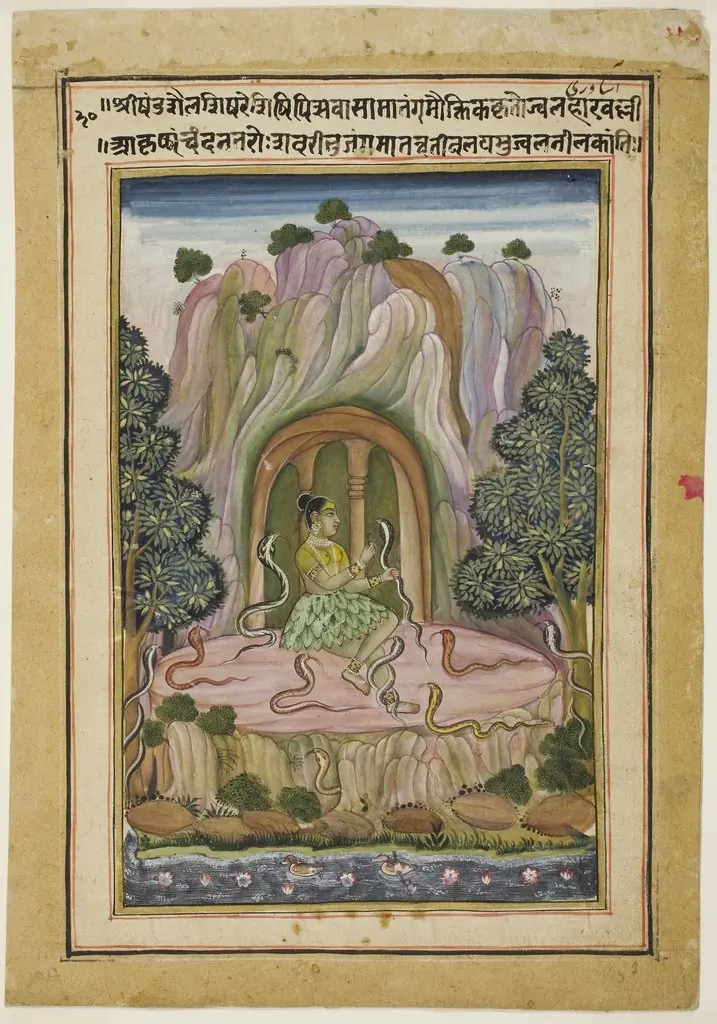 Asavari Ragini: A Female Yogini (Page from a Ragamala Set)
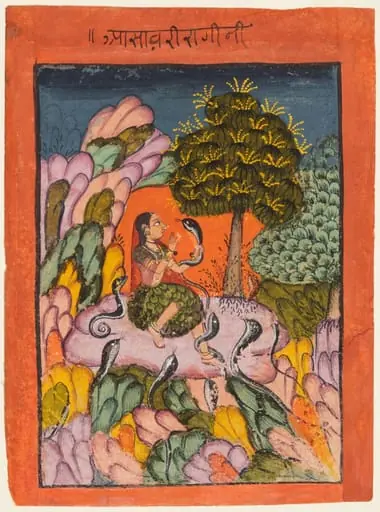 A Woman Charms Snakes in the Wilderness: Asavari Ragini, from a Ragamala
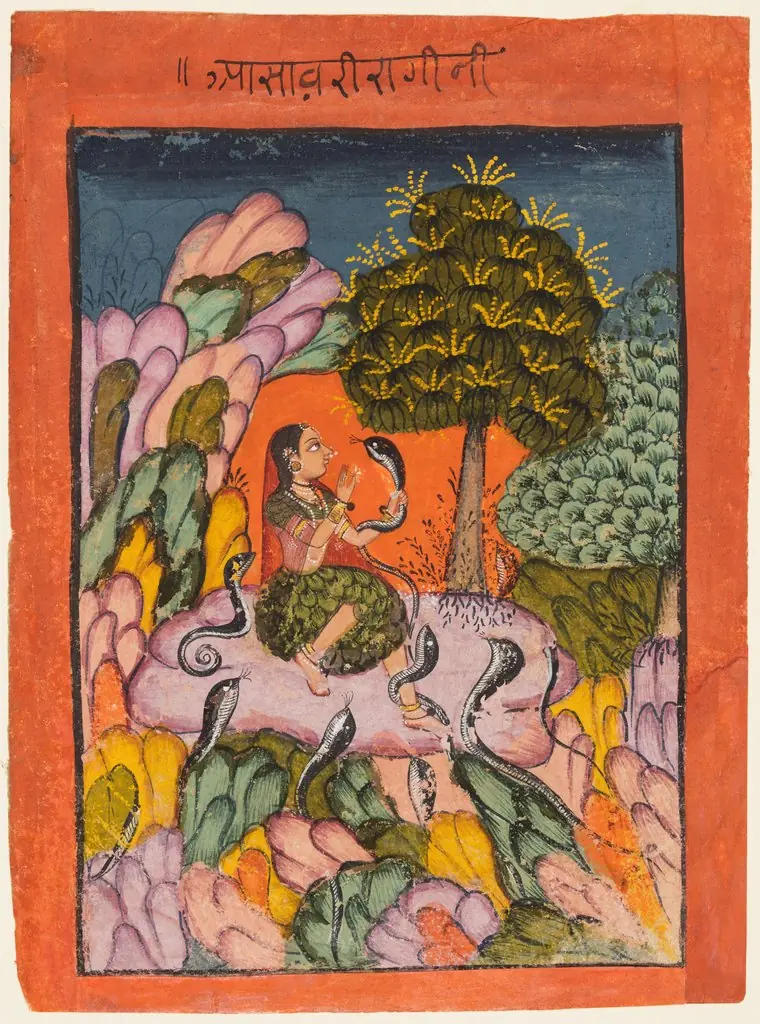 A Woman Charms Snakes in the Wilderness: Asavari Ragini, from a Ragamala
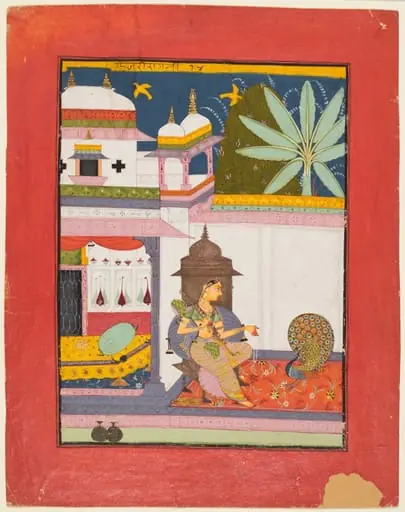 Woman Addressing a Peacock: Gujari Ragini of Megh, from a Ragamala
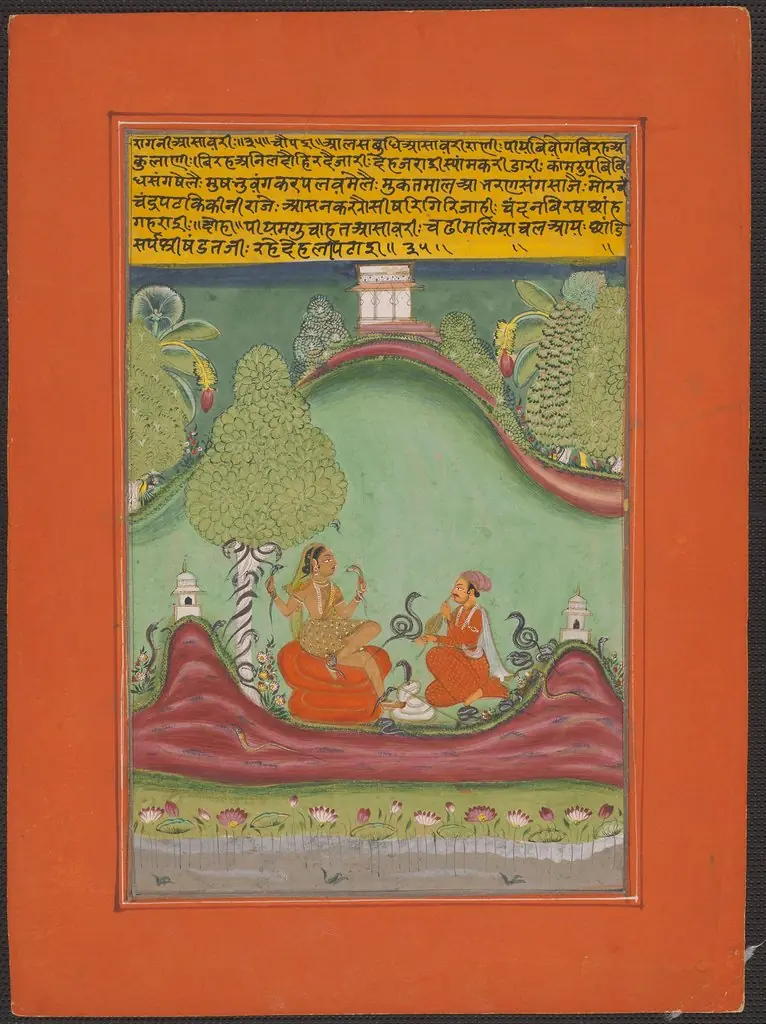 Ragini Asavari, Page from a Jaipur Ragamala Set